

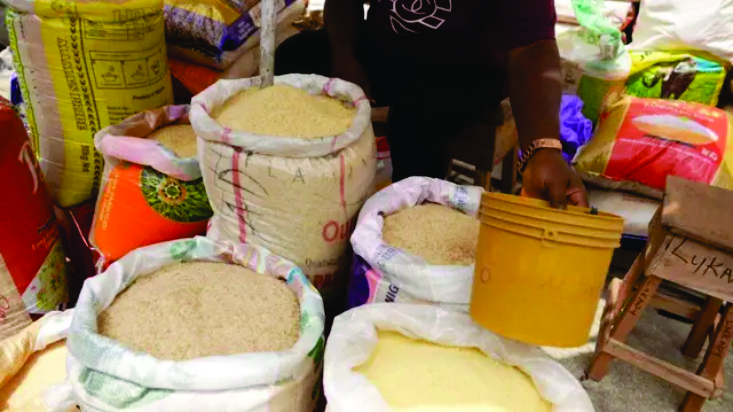
ABUJA, NIGERIA (News Agency) — March 23, 2026 — Prices of food items, goods, and services have sharply increased across markets in the Federal Capital Territory (FCT) and surrounding areas, according to a survey by the News Agency of Nigeria (NAN).
The NAN study in Abuja on Sunday revealed that the surge in prices is linked to the recent hike in petroleum product pump prices, driven by the ongoing Middle East crisis. The development has strained traders, business owners, and households, with many citizens reporting higher spending on feeding and basic necessities.
Business owners, traders, and consumers alike lamented the impact of the fuel hike on their livelihoods and called for urgent government intervention to cushion the effects.
At the Orange Market along the Abuja-Keffi road, a big basket of tomatoes that sold for N9,000–N10,000 in February now costs N30,000–N35,000. A big bag of onions, previously N15,000–N25,000, now sells for N40,000–N45,000. Similar spikes were recorded in Lugbe, Orozo, Karu, Wuse, Utako, Garki, Nyanya, and Apo markets, with yams, beans, peppers, sweet potatoes, and onions all experiencing steep increases.
The price of sachet water and ice blocks has also risen due to poor electricity supply and reliance on diesel. Distributors now sell a bag of sachet water for N450–N500, up from N300–N350, while ice blocks have jumped from N500 to N800. Small businesses report dwindling profits as they spend heavily on fuel and diesel to power generators.
Residents expressed frustration at the rising costs of everyday services. Haircuts for children that cost N1,400 weeks ago now cost N3,000, while bakers complain of soaring prices for baking materials. Traders noted that transportation fares for bringing goods from other states have tripled, further driving up market prices.
Citizens appealed to the Federal Government to urgently address electricity challenges, stabilize fuel supply, and support businesses to ease the burden. Many warned that without intervention, even basic commodities like water could soon become unaffordable for ordinary Nigerians.

