Category: Health

  • South Africa Parliament’s Health Committee pays tribute to midwives on International Midwives’ Day

    South Africa Parliament’s Health Committee pays tribute to midwives on International Midwives’ Day

    CAPE TOWN, South Africa (NPA) — The Portfolio Committee on Health has paid tribute to midwives across South Africa and the world for their indispensable role in safeguarding mothers and newborns, marking International Midwives’ Day on Tuesday, May 5, 2026.

    Committee Chairperson Ms Faith Muthambi, in a statement, described midwives as central to safe childbirth, quality maternal care, and resilient health systems, particularly in underserved communities. “Midwives are more than healthcare providers, they are advocates, educators and trusted caregivers who support women and families through some of life’s most critical moments,” she said.

    This year’s global theme, “One Million More Midwives,” announced by the International Confederation of Midwives (ICM), highlights the urgent shortage of trained midwives worldwide. The committee noted that well‑supported midwives, integrated into health systems, can significantly improve maternal and newborn outcomes.

    “Investing in midwives is not optional; it is a strategic imperative that reduces preventable deaths, improves primary healthcare and strengthens the quality of services,” Muthambi emphasised.

    Midwives provide comprehensive services including family planning, antenatal and postnatal care, safe deliveries, breastfeeding support, and continuity of care. Yet, many face workforce shortages, resource constraints, and inadequate recognition. The committee stressed the need for increased investment in education and training, supportive policy frameworks, improved working conditions, and fair remuneration.

    Muthambi also acknowledged the resilience of midwives during crises. “Their dedication saves lives and strengthens communities,” she concluded.

  • Eritrea expands outreach vaccination programme to reach remote, nomadic communities

    Eritrea expands outreach vaccination programme to reach remote, nomadic communities

    ASMARA, Eritrea (NPA) — World Health Organization has highlighted Eritrea’s expanding immunization outreach programme targeting hard-to-reach and nomadic communities in the country’s mountainous central region, where geographic isolation and seasonal migration have historically limited access to healthcare services.

    According to the WHO, Eritrea’s nomadic populations, particularly women and children, face heightened health risks including maternal mortality and immunization gaps due to mobility challenges, difficult terrain and cultural barriers.

    A 2020 Expanded Programme on Immunization assessment found that 18 of Eritrea’s 58 sub-regions faced significant physical barriers to vaccine access, including rocky and mountainous landscapes that complicated healthcare delivery.

    In response, Eritrean health authorities, with support from WHO, UNICEF, civil society groups and local health management teams, developed a nationwide strategy to improve routine immunization coverage among children under two years old, girls aged nine and women of childbearing age.

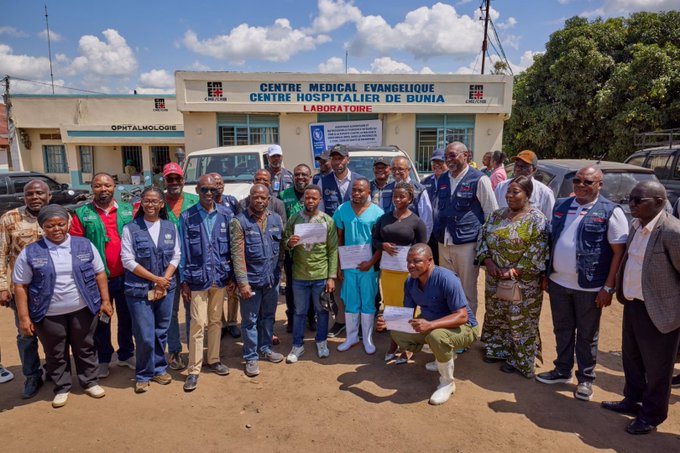
    The initiative involves the deployment of about 90 vaccinators and more than 200 community workers and supervisors operating alongside Eritrea’s “barefoot doctors” — frontline health workers serving remote rural communities.

    The barefoot doctor model, which originated in China in the 1960s, was adapted by Eritrea during and after the Eritrean War of Independence to provide basic medical and preventive healthcare services in underserved communities.

    “Our barefoot doctors make house calls to educate families about our vaccination efforts. They also escort children who have missed their appointments to health stations or guide our team to those in need,” said Milkias Negash.

    Health authorities say the outreach efforts have significantly improved immunization coverage nationwide, including in remote communities.

    According to official country data cited by WHO, Eritrea recorded vaccination coverage rates of 95 percent and 97 percent for all 13 antigens recommended for routine childhood immunization among children under 12 months and those aged between 24 and 35 months at the end of 2024 and 2025 respectively.

    The programme has also expanded access to maternal healthcare services, with 95 percent of caregivers reportedly receiving health education while a similar percentage of pregnant women and women of childbearing age received tetanus-diphtheria vaccinations.

    “The government’s programme shields our children from disease. They are healthier now, and for that we are grateful,” said Amna Omar Mohammed.

    Tedros Yehdego attributed the progress to strong government commitment and international support.

    “We also have partners in our country that are closely working with us, that is WHO and UNICEF. As a result of this joint work, the immunization coverage has increased at this time,” Yehdego said.

    Gavi, the Vaccine Alliance currently finances the annual vaccine costs for 12 vaccines procured through UNICEF’s supply division, while WHO funded operational costs for four rounds of intensified routine immunization campaigns in 2024 and 2025 through support from Gavi and the United Nations Central Emergency Relief Fund.

    WHO said its support also included technical assistance, development of outreach management protocols, planning tools, field guides, supervisory checklists and monitoring systems distributed across all regions of the country.

    “Every two months, we organize outreach activities to serve seven remote villages,” said Saidia Ibrahim Suleman.

    “While four of these can be accessed by vehicle, albeit with difficulty, the remaining three are only reachable on foot or by camel. Despite these challenges, we are ensuring that no child is left behind,” Suleman added.

    Healthcare workers involved in the programme say the initiative has also improved morale among frontline staff.

    “There’s no greater joy than knowing every child is protected,” said Daniel Haile. “Our ultimate goal is to ensure each child receives their vaccines, overcoming any obstacle in our path.”

  • Australia eliminates trachoma, becomes 30th country to end disease as public health problem, Nigeria not validated

    Australia eliminates trachoma, becomes 30th country to end disease as public health problem, Nigeria not validated

    INTERNATIONAL (NPA) — The World Health Organization (WHO) has validated Australia for eliminating trachoma as a public health problem, marking a major milestone in global efforts to combat neglected tropical diseases (NTDs) and in improving the health of Indigenous communities.

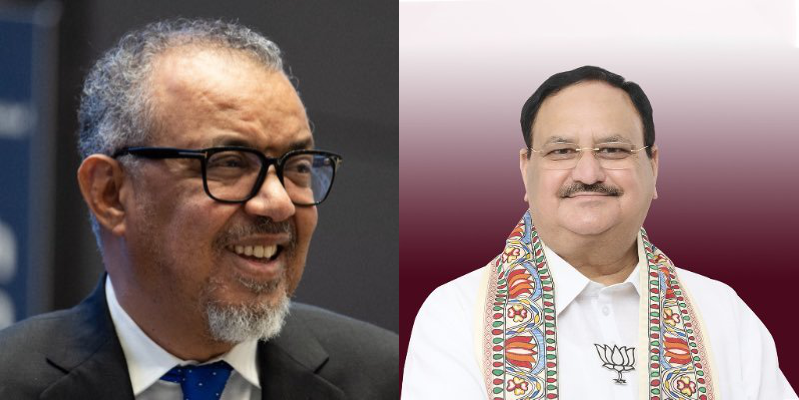
    Trachoma, caused by Chlamydia trachomatis, is the world’s leading infectious cause of blindness. Repeated infections can scar eyelids, turn eyelashes inward, and ultimately cause blindness if untreated. WHO Director‑General Dr Tedros Adhanom Ghebreyesus congratulated Australia, saying the achievement reflects “sustained commitment, strong partnerships, and a focus on reaching populations most affected by health inequities.”

    Australia’s achievement reflects decades of targeted public health action, particularly in remote Aboriginal and Torres Strait Islander communities where trachoma persisted despite its earlier disappearance from the rest of the country. Efforts intensified in 2006 with the launch of the National Trachoma Management Programme, which implemented WHO’s SAFE strategy — surgery, antibiotics, facial cleanliness, and environmental improvement. Sustained screening, treatment, and prevention activities, alongside improvements in housing, water, sanitation, and hygiene, steadily reduced prevalence.

    Health Minister Mark Butler hailed the milestone as “a win for the eye health of communities across Australia,” while Minister for Indigenous Australians Malarndirri McCarthy emphasized the leadership of Aboriginal Community Controlled Health Organisations in achieving elimination.

    Australia becomes the 63rd country globally and the 16th in the Western Pacific Region to eliminate at least one NTD. WHO Regional Director for the Western Pacific, Dr Saia Ma’u Piukala, commended Australia’s achievement and urged vigilance to maintain the status. WHO continues to support countries working toward the global target of eliminating trachoma by 2030.

    Other countries validated by WHO as having eliminated trachoma as a public health problem are: Algeria, Benin, Burundi, Cambodia, China, Egypt, Fiji, Gambia, Ghana, India, Iraq, Iran, Lao People’s Democratic Republic, Libya, Malawi, Mali, Mauritania, Mexico, Morocco, Myanmar, Nepal, Oman, Pakistan, Papua New Guinea, Saudi Arabia, Senegal, Togo, Vanuatu, and Viet Nam.

  • WHO report highlights Nigeria among countries with highest hepatitis B‑related deaths

    WHO report highlights Nigeria among countries with highest hepatitis B‑related deaths

    GENEVA, Switzerland (NPA) — Global efforts to combat viral hepatitis are delivering measurable progress in reducing infections and deaths, but the disease remains a major global health challenge, according to a new World Health Organization (WHO) report released at the World Hepatitis Summit in Geneva.

    The report shows that Nigeria is among ten countries accounting for 69% of hepatitis B‑related deaths worldwide in 2024, alongside China, India, Ethiopia, and others. Nigeria also features among the top ten countries for hepatitis C‑related deaths. Despite global gains — including a 32% drop in new hepatitis B infections and a 12% fall in hepatitis C deaths since 2015 — the WHO warns that progress remains too slow to meet 2030 elimination targets.

    WHO Director‑General Dr Tedros Adhanom Ghebreyesus stressed that eliminating hepatitis is achievable with sustained political commitment and financing, but noted that stigma, weak health systems, and inequitable access to care continue to leave millions undiagnosed and untreated. The report calls for stronger vaccination coverage, expanded treatment access, and improved harm‑reduction services, particularly in Africa, where Nigeria and other countries carry a disproportionate share of the global burden.

    Updated WHO estimates indicate that 287 million people were living with chronic hepatitis B or C infection in 2024, with Africa accounting for the majority of new hepatitis B cases. Alarmingly, only 17% of newborns in the region received the hepatitis B birth‑dose vaccination, underscoring gaps in maternal and child health services. The report emphasizes that every untreated infection represents a preventable death, urging countries to integrate hepatitis services into primary care and scale up community outreach.

    Despite these challenges, WHO highlighted success stories in countries such as Egypt, Georgia, Rwanda, and the United Kingdom, where strong political will and investment have delivered measurable progress. The report concludes that with existing tools — vaccines, antiviral therapies, and curative treatments — hepatitis elimination is possible, but only if countries like Nigeria accelerate prevention, diagnosis, and treatment efforts to meet the 2030 targets.

  • NNPC Foundation Wins CSR Champion Award (Health)

    NNPC Foundation Wins CSR Champion Award (Health)

    ABUJA, Nigeria (NPA) — NNPC Foundation Limited/Gte, the Corporate Social Responsibility (CSR) arm of NNPC Ltd., has been named winner of the CSR Champion Award (Health) 2025 by Independent Newspapers. The award was presented at the Silver Jubilee edition of the Independent Newspapers Awards, themed “Game Changers: Breaking Barriers and Shaping Tomorrow”, held at Eko Hotel and Suites on Saturday, April 18, 2026.

    The honour recognises the Foundation’s impact in healthcare and its broader commitment to improving lives through social investment programmes in health, education, environment, and access to energy.

    According to a statement by Andy Odeh, Chief Corporate Communications Officer of NNPC Ltd., the award follows a series of health initiatives delivered by the Foundation. These include free cataract screenings and surgeries that restored sight to over 6,000 Nigerians, cancer and glaucoma interventions, medical outreaches to underserved communities, renovation and furnishing of three wards with 100 beds at the National Orthopaedic Hospital, Igbobi, sponsorship of heart surgeries, and provision of dental health accessories to children in special schools.

    Managing Director of NNPC Foundation, Emmanuella Arukwe, described the recognition as a validation of the Foundation’s work and the trust placed in it by Nigerians. “It speaks to the resilience of the communities we serve, the dedication of our team, and the strength of partnerships that have enabled us to do meaningful work in health, education, environmental sustainability, and access to energy,” she said.

    Arukwe added that the achievements were made possible through the leadership and support of NNPC Ltd.’s management team, whose backing has strengthened the Foundation’s capacity to deliver social investments nationwide. “We receive this award with gratitude and with a renewed sense of responsibility to do more and reach further across the country,” she noted.

    NNPC Foundation Limited/Gte reaffirmed its commitment to advancing health interventions that improve outcomes and contribute to national development.

  • Kenyan Government, civil servants sign deal to boost healthcare access

    Kenyan Government, civil servants sign deal to boost healthcare access

    NAIROBI, Kenya (NPA) — Health Cabinet Secretary Aden Duale on Thursday chaired the signing of a Joint Communiqué between the government and civil servants, outlining measures to improve healthcare services for public officers under the Public Officers Medical Scheme Fund (POMSF).

    The agreement provides for the immediate removal of the tariff-locking mechanism within the Social Health Authority (SHA) system to ease access challenges at the point of care. In the interim, contracted facilities are barred from charging civil servants out-of-pocket fees, with strict tariff provisions suspended pending nationwide negotiations.

    To address urgent cases, Duale announced the creation of a Joint Rapid Response Desk comprising SHA, the State Department for Public Service, and the Union of Kenya Civil Servants (UKCS). The desk will coordinate the release of civil servants detained in health facilities and review unauthorized charges to facilitate refunds.

    Nationwide tariff negotiations for private and faith-based Level 3 to Level 6 facilities will begin on April 28, 2026, and are expected to conclude within four weeks. Duale emphasized that under the revised framework, the “walk-in, walk-out” principle will apply strictly, with no co-payments permitted. Facilities breaching contractual terms will face enforcement action, including de-contracting.

    SHA will maintain and regularly update a public list of approved facilities, strengthen accountability through claims audits, fraud detection, and performance monitoring, and expand regional sensitisation forums. The POMSF manual will also be updated and published to improve accessibility and understanding.

    The meeting was attended by Medical Services PS Dr. Ouma Oluga, UKCS Secretary General Lawrence Nyaguti, SHA CEO Dr. Mercy Mwangangi, Digital Health Agency CEO Eng. Anthony Lenayara, and other senior officials.

  • Senate approves increase of basic health care fund to 2%

    Senate approves increase of basic health care fund to 2%

    ABUJA, Nigeria (Agency Report) — The Senate has approved an increase in Nigeria’s Basic Health Care Provision Fund (BHCPF), raising its allocation from one per cent to two per cent of the Consolidated Revenue Fund (CRF).

    The decision followed the presentation of the report by the Senate Committee on Health (Secondary and Tertiary) on the National Health Act (Amendment) Bill, 2026. Committee Chairperson and bill sponsor, Senator Ipalibo Banigo, recalled that the bill was read for the second time on October 22, 2025.

    Banigo explained that the amendment seeks to strengthen primary healthcare delivery nationwide. “Primary Health Care is the bedrock of any strong health system. By raising the BHCPF, we will increase funding to strengthen frontline facilities, recruit and retain skilled health workers, and guarantee access to essential medicines and services, particularly for women, children, and rural populations,” she said.

    She added that the increase would reduce financial hardship for households, align Nigeria with best practices across Africa, and address the country’s heavy reliance on out-of-pocket health spending, which currently accounts for over 75 per cent of costs.

    Established under Section 11 of the National Health Act, 2014, the BHCPF provides a guaranteed minimum package of health services for all Nigerians and represents the country’s first statutory mechanism for sustainable health financing.

    Meanwhile, Senate President Godswill Akpabio directed the Committee on Health to investigate reports of a COVID-19 case in Cross River State and present its findings at the next sitting.

  • FG approves ₦17 billion community-based taskforce to drive grassroots development under Health Ministry

    FG approves ₦17 billion community-based taskforce to drive grassroots development under Health Ministry

    ABUJA, Nigeria (NPA) — The Federal Government has approved the establishment of a Community-Based National Social Action Fund Taskforce to accelerate socio-economic development across Nigeria’s 8,804 wards.

    The initiative, endorsed by President Bola Ahmed Tinubu, will deploy locally driven interventions tailored to community needs. Each ward will engage a verified community-based organisation or association to implement priority projects.

    According to a statement by Ado Bako, Assistant Director of Information and Public Relations in the Health Ministry, the approval builds on earlier reforms, including the creation of the Social Action Fund in September 2023 and the Community-Based Procurement Platform approved in January 2026. The platform allows community organisations to deliver projects valued up to ₦50 million.

    The President has approved a project timeline beginning March 1, 2026, with delivery expected by December 2026. A Programme Management Unit will be housed in the Sector-Wide Approach Coordination Office of the Federal Ministry of Health and Social Welfare to oversee implementation.

    To support the initiative, the Ministry of Finance and the Office of the Accountant-General of the Federation have been directed to release ₦17 billion into a ring-fenced special intervention account for implementation, monitoring, communication, and accountability.

    Coordinating Minister of Health and Social Welfare, Prof. Muhammad Ali Pate, described the initiative as a shift toward locally driven service delivery. “This approach places communities at the centre of development. By enabling each ward to identify and implement its priority needs, we are unlocking practical solutions that directly improve livelihoods and strengthen service delivery where it matters most,” he said.

    Interventions may include nutrition support, provision of essential health commodities such as micronutrients and therapeutic foods, and minor infrastructure improvements in schools, health facilities, and sanitation systems.

    The Taskforce will be chaired by Prof. Pate and include the Ministers of Finance, Humanitarian Affairs, State for Health and Social Welfare, State for Humanitarian Affairs, and the Permanent Secretary of the Health Ministry. Other members are the Director-General of the Bureau of Public Procurement, the Director-General of the Budget Office, the Chairman of the Independent Corrupt Practices and Other Related Offences Commission (ICPC), and a National Coordinator.

    In a related development, President Tinubu has approved the upgrade of the National Tuberculosis and Leprosy Training Centre (NTBLTC), Zaria, to the National Institute of Public Health and Infectious Diseases.

    The upgrade, aligned with the Renewed Hope Agenda, aims to strengthen Nigeria’s capacity for disease surveillance, emergency preparedness, and rapid response. The Institute will serve as a multidisciplinary hub for public health training, research, and workforce development, expanding access to advanced learning and enhancing readiness to manage infectious disease threats.

  • NAFDAC warns against counterfeit ‘Colgate Toothpaste’ in Nigeria

    NAFDAC warns against counterfeit ‘Colgate Toothpaste’ in Nigeria

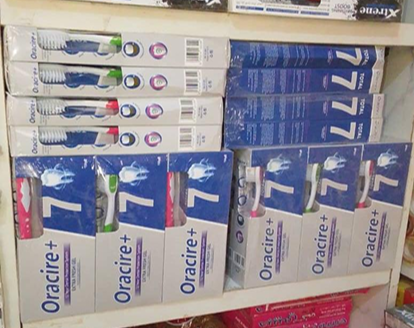
    LAGOS, Nigeria (NPA) — The National Agency for Food and Drug Administration and Control (NAFDAC) has issued a public alert over the circulation of unregistered and suspected counterfeit Colgate Toothpaste across Nigeria.

    In Public Alert No. 022/2026, the agency disclosed that its Post-Marketing Surveillance (PMS) Directorate received a complaint in Kaduna State regarding suspicious toothpaste products.

    Following an investigation, NAFDAC officials discovered two unregistered and counterfeit variants — Coglaet ActivGel 100g and Coglaet Herbal 100g — being sold at a local outlet. The shop owner admitted the items were supplied by a door-to-door sales representative but failed to provide proof of purchase.

    NAFDAC emphasized that these products have not undergone regulatory evaluation or quality assurance checks, warning that their use poses serious risks to public health and safety. The counterfeit items were immediately removed from circulation, and investigations are underway to trace their distributors.

    The agency urged consumers nationwide to remain vigilant and promptly report any suspected sale of substandard, falsified, or counterfeit regulated products to the nearest NAFDAC office.

  • Uzodimma hosts ANPA for dinner, seeks stronger healthcare partnership in Imo

    Uzodimma hosts ANPA for dinner, seeks stronger healthcare partnership in Imo

    OWERRI, Nigeria (NPA) — Governor of Imo State, Hope Uzodimma, on Saturday hosted members of the Association of Nigerian Physicians in the Americas (ANPA) to a dinner at the Banquet Hall of Government House in appreciation of their free medical intervention programme in the state.

    In a statement, the governor said his administration places a high value on the lives of citizens, stressing that the state must go beyond social commitment to building purposeful partnerships with global organisations such as ANPA and dedicated volunteers to ensure free access to quality healthcare services.

    Uzodimma praised members of ANPA for their strong commitment, demonstrated through sustained medical outreach that has positively impacted many lives.

    He also urged the association to go beyond service delivery by supporting capacity building and deliberate knowledge transfer to resident healthcare personnel, particularly in strengthening their proficiency in operating modern medical equipment procured by the state to enhance healthcare delivery across its facilities.

    The Association of Nigerian Physicians in the Americas (ANPA) is an educational, scientific and charitable organisation representing the professional interests of more than 4,000 physicians, dentists and allied health professionals of Nigerian origin or affiliation in the United States, Canada and the Caribbean. It provides a platform for medical and scientific dialogue on health issues affecting populations of Nigerian descent across North America, the Caribbean and Africa.

    The organisation has, over the years, conducted free medical missions in various communities, with its latest outreach held in Abia and Imo states in southeastern Nigeria.

    The climax of the four-day Imo–ANPA Medical Mission 2026, which covered the three geopolitical zones of the state, was a dinner hosted by the governor. The event served as a token of appreciation by the state government for the group’s selfless service, the hope they restored, the faith they renewed among the people, and the improved well-being of the many beneficiaries reached through the intervention.