Category: Health

  • Lassa fever: Lagos sounds alarm as deadly outbreak sweeps Nigeria

    Lassa fever: Lagos sounds alarm as deadly outbreak sweeps Nigeria

    LAGOS, Nigeria — 13 April 2026 (NPA) — The Lagos State Government has issued a stark public health warning over Lassa fever, launching a statewide awareness and prevention campaign as Nigeria battles one of its most severe outbreaks in recent years.

    With over 660 confirmed cases and 167 deaths between January and mid-March, the situation has escalated into a national emergency spanning 22 states and 93 local government areas.

    Professor Akin Abayomi, Lagos State Commissioner for Health, described the outbreak as “a serious national health concern” requiring urgent, coordinated action. Particularly troubling is the infection of 38 healthcare workers, including three doctors who have died since January.

    Lassa fever, a highly contagious zoonotic viral disease transmitted from rodents and bushmeat to humans, spreads person-to-person and often presents as a haemorrhagic illness with fever and internal bleeding. While Lagos is not traditionally endemic, its dense population and commercial activity heighten the risk of rapid transmission.

    Evidence now suggests year-round transmission, driven by environmental changes and increased human interaction with rodent reservoirs. Abayomi warned that 70 per cent of infected individuals show mild or no symptoms yet remain infectious, fuelling silent spread in urban centres.

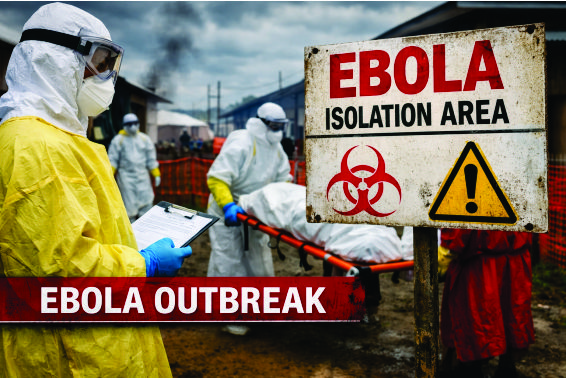
    He stressed that one in five symptomatic patients faces life-threatening complications if diagnosis and treatment are delayed. Lassa fever, he noted, belongs to the same high-risk category as Ebola and Marburg virus disease — pathogens capable of overwhelming health systems.

    The Commissioner linked the rising incidence of such outbreaks to climate change, deforestation and ecological disruption, which are pushing rodents closer to human settlements.

    To counter the threat, Lagos has activated a 24-hour Emergency Operations Centre, strengthened surveillance, deployed digital health tools, and intensified biosecurity training for healthcare workers.

    Abayomi urged residents to remain calm but vigilant, assuring that Lagos is working closely with the Nigeria Centre for Disease Control, the Federal Ministry of Health, and partners such as Irrua Specialist Teaching Hospital to bolster response systems and public awareness.

  • Free medical mission begins across all Imo State zones

    Free medical mission begins across all Imo State zones

    OWERRI, Nigeria —13 April 2026 (NPA) — The Imo State Government, in partnership with the Association of Nigerian Physicians in the Americas (ANPA), has launched a week-long Free Medical Mission across the state’s three geopolitical zones. The initiative, which began on Sunday, April 12, is offering a wide range of medical, surgical, and eye care services at designated healthcare facilities.

    Governor Hope Uzodimma, in a statement, encouraged residents to take full advantage of the programme, noting that it goes beyond immediate treatment to strengthen the state’s health system. “This mission focuses on building capacity through targeted training programmes, including sickle cell disease management and other critical life-saving competencies for healthcare workers,” he said.

    Locations

    Services are being provided at:

    • Owerri Zone: Imo State Specialist Hospital, Umuguma
    • Orlu Zone: Imo State University Teaching Hospital, Orlu; Michael Uzodimma General Hospital, Omuma
    • Okigwe Zone: Mbano Joint Hospital, Okigwe

    Programme Schedule

    • Monday, April 13: “Stop the Bleed” (Train-the-Trainer), sickle cell disease training, and medical outreach.
    • Tuesday, April 14: Essential Newborn Care (Helping Babies Survive), Basic Life Support/CPR, alongside ongoing services.
    • Wednesday, April 15: Continued newborn care training and outreach across all zones.
    • Thursday, April 16: “Stop the Bleed” training, CPR sessions in Owerri, Wellness and Happiness workshop, plus medical missions.
    • Friday, April 17: Half-day medical mission, cultural exchange activities, and closing ceremony. Departure of participants is scheduled for Saturday, April 18.

    Impact

    The mission is expected to provide thousands of residents with free consultations and treatment while equipping healthcare workers with vital skills. Officials say the collaboration underscores Imo State’s commitment to improving healthcare outcomes, reducing preventable complications, and promoting a healthier population through sustainable partnerships.

  • Nigeria activates steering committee for National Food Bank Programme

    Nigeria activates steering committee for National Food Bank Programme

    ABUJA, Nigeria, 12 April 2026 (NPA) — The Federal Government has inaugurated the Steering Committee for the National Community Food Bank Programme, marking a significant step towards tackling malnutrition and strengthening food support systems across Nigeria.

    At the inaugural meeting in Abuja, Coordinating Minister of Health and Social Welfare, Prof. Muhammad Ali Pate, urged members to move swiftly from planning to execution, stressing that the programme’s success would be judged by its impact on vulnerable communities. “This Committee must ensure that implementation is not only coordinated, but effective. This is not about meetings, but about results that improve the lives of Nigerians,” he said.

    According to a statement by Ado Bako, Assistant Director of Information and Public Relations at the ministry, the initiative—championed by First Lady Oluremi Tinubu—is designed to address acute malnutrition and provide community-level food and nutrition support across all 774 Local Government Areas.

    The Steering Committee, chaired by Prof. Pate, includes senior representatives from the Federal Ministries of Humanitarian Affairs and Poverty Alleviation, Agriculture and Food Security, Women Affairs, and Health and Social Welfare. It also features leaders of key implementing agencies such as the National Primary Health Care Development Agency (NPHCDA). This multi-sectoral composition reflects a whole-of-government approach, recognising that food security requires coordinated action across health, agriculture, and social protection systems.

    The Committee is tasked with providing strategic oversight, aligning sectoral efforts, mobilising resources, and ensuring accountability and transparency. A structured coordination framework was outlined, including regular performance reviews, stakeholder engagement, and mechanisms to track progress as the programme expands nationwide.

    The Federal Government reaffirmed its commitment to ensuring that the National Community Food Bank Programme delivers measurable improvements in nutrition, reduces vulnerability, and builds more resilient communities. The official flag-off of the programme is scheduled to take place in Borno State later this month.

  • NAFDAC hails Sam Pharmaceuticals’ new lagos facility as boost for local drug production

    NAFDAC hails Sam Pharmaceuticals’ new lagos facility as boost for local drug production

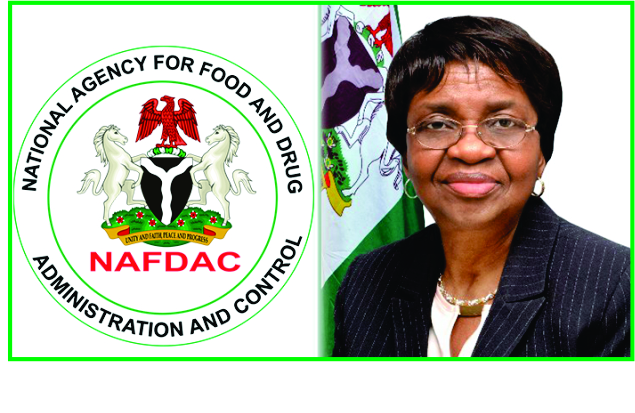
    LAGOS, Nigeria, 9 April 2026 (NPA) — The Director-General of the National Agency for Food and Drug Administration and Control (NAFDAC) has commended Sam Pharmaceuticals following the commissioning of its new manufacturing facility in Lagos.

    NAFDAC described the commissioning of Sam Pharmaceuticals Ltd’s plant as a significant milestone in advancing local pharmaceutical production in Nigeria. The event also featured tributes to the Agency’s Director-General, Professor Mojisola Adeyeye, for her leadership in strengthening the sector through policies that promote quality, safety, and local capacity development.

    In a statement issued today, NAFDAC noted that stakeholders at the event highlighted the Agency’s 5+5 Policy as instrumental in driving increased local manufacturing, contributing to a rise in domestic pharmaceutical output. They further acknowledged that NAFDAC’s regulatory reforms and commitment to global best practices have enhanced investor confidence and supported industry growth.

    Reaffirming its commitment, NAFDAC pledged to continue fostering a robust and self-sufficient pharmaceutical sector, ensuring the availability of safe, effective, and affordable medicines for Nigerians. The Agency emphasised that sustained collaboration between regulators and industry players remains critical to achieving national drug security and improved healthcare outcomes.

  • South Africa strengthens HIV prevention with Lenacapavir

    South Africa strengthens HIV prevention with Lenacapavir

    PRETORIA, SOUTH AFRICA, 8 April 2026 (NPA) — The South African Government has received its first consignment of 37,920 doses of Lenacapavir, a groundbreaking long-acting injectable that offers up to six months of protection against HIV with just two injections per year.

    This milestone marks a significant advance in the country’s HIV response, expanding prevention options particularly for adolescent girls, young women, sex workers, and men who have sex with men. The introduction of Lenacapavir is expected to accelerate efforts to reduce new HIV infections and support South Africa’s goal of ending AIDS as a public health threat by 2030.

    Lenacapavir is not a vaccine but a long-acting HIV prevention medicine. Administered twice yearly, it provides continuous protection and offers a convenient alternative for individuals who face challenges with existing prevention methods.

    The Government emphasised that the rollout of Lenacapavir strengthens its integrated, people-centred approach to HIV prevention. The six-monthly injectable is expected to improve adherence and expand choices for high-risk populations.

    An official launch will be announced in the coming weeks, including details of a phased implementation plan to ensure effective and equitable distribution across the country.

  • Africa CDC appoints Osinbajo as Senior Strategic Adviser

    Africa CDC appoints Osinbajo as Senior Strategic Adviser

    ABUJA, April 7, 2026 (NPA) — The Africa Centres for Disease Control and Prevention (Africa CDC) has appointed former Vice-President Yemi Osinbajo as Senior Strategic Adviser to Director-General Jean Kaseya, reinforcing leadership capacity for continental health priorities.

    The announcement was made by Margaret Edwin, Director of Communication and Public Information at Africa CDC, in a statement issued Monday.

    Edwin explained that the appointment aligns with the Africa Health Security and Sovereignty Agenda, which seeks to strengthen Africa’s voice in global health, boost domestic financing, and expand local production of health commodities.

    She said Osinbajo would advise on Africa’s positioning in global health architecture reforms, sustainable health financing, local manufacturing, and building strategic partnerships to advance continental health resilience and cooperation.

    Edwin added that the former vice-president brings exceptional experience across governance, finance, law, and diplomacy, noting that his leadership would be critical as Africa seeks greater authority in shaping its health future. “This appointment reflects Africa CDC’s commitment to mobilising African leadership of the highest calibre in service of the continent’s health security, sovereignty, and development,” she said.

    She further noted that Osinbajo’s experience in public policy and governance would support efforts to build resilient health systems across African Union member states, particularly in pandemic preparedness, prevention, and response initiatives.

    The News Agency of Nigeria (NAN) reports that Osinbajo, a Professor of Law and Senior Advocate of Nigeria, served as Nigeria’s vice-president from 2015 to 2023, contributing to policy and governance reforms during his tenure.

    He also served as Attorney General and Commissioner for Justice in Lagos State, where he played significant roles in legal administration and institutional reforms.

    During his time in government, he chaired Nigeria’s Economic Sustainability Committee, led ease-of-doing-business reforms, and advanced social investment programmes, while coordinating key economic policies across multiple sectors nationwide to drive inclusive grow.

  • Nigerian Government partners Airbus, moves to procure emergency helicopters

    Nigerian Government partners Airbus, moves to procure emergency helicopters

    ABUJA, April 7, 2026 (NPA) — The Federal Government has commenced negotiations with European aerospace giant Airbus to procure emergency care helicopters for Nigeria’s proposed National Medical Emergency Management System (NEMSAS).

    The Coordinating Minister of Health and Social Welfare, Prof. Muhammad Pate, disclosed this during a working visit to France, following approval by President Bola Tinubu.

    In a statement issued Monday by the NEMSAS office, Pate explained that discussions with Airbus executives focused on developing an integrated national ground-to-air health emergency management system designed to strengthen rapid response and emergency care delivery nationwide.

    He noted that the initiative is expected to significantly improve medical evacuation services, particularly in hard-to-reach areas, while enhancing coordination between ground and air emergency response systems across Nigeria.

    On the sidelines of the meeting, the minister inspected an Airbus emergency care helicopter at a French government-supported air ambulance facility in Lyon. He emphasized that the proposed system would integrate ambulance services, emergency communication, and aeromedical evacuation into a unified national framework aimed at reducing preventable deaths.

    Prof. Pate stressed that the Federal Government remains committed to strengthening emergency preparedness and response as part of broader health sector reforms under the current administration.

    The News Agency of Nigeria (NAN) reports that Nigeria has long struggled with challenges in emergency medical response, including inadequate ambulance services, poor coordination, and delayed referrals between health facilities. These gaps have contributed to avoidable deaths from road traffic accidents, maternal emergencies, and other critical health conditions requiring timely intervention.

    Stakeholders have repeatedly called for the establishment of a coordinated national emergency medical system, including air ambulance services, to bridge access gaps, especially in rural and underserved communities. The partnership with Airbus marks a concrete step toward addressing these long-standing challenges and building a modern emergency response infrastructure for Nigeria.

  • WHO marks World Health Day 2026 with call to ‘Stand with Science’

    WHO marks World Health Day 2026 with call to ‘Stand with Science’

    INTERNATIONAL, April 6, 2026 (NPA) — The World Health Organization (WHO) has urged governments, institutions, and individuals worldwide to recommit to science and collaboration as the foundation for stronger health systems, launching its year‑long campaign under the theme: “Together for health. Stand with science.”

    The campaign coincides with World Health Day 2026 and the anniversary of WHO’s founding on April 7, 1948. WHO highlighted how scientific progress and international cooperation have transformed human health over the past century, citing a 40 percent reduction in maternal mortality since 2000 and a more than 50 percent drop in deaths among children under five.

    “Science is one of humanity’s most powerful tools for protecting and improving health,” said WHO Director‑General Tedros Adhanom Ghebreyesus. “Vaccines, penicillin, germ theory, MRI machines and the mapping of the human genome are just some of the achievements that science has delivered that have saved lives and transformed health for billions of people.”

    WHO emphasized that scientific breakthroughs are most effective when widely adopted. Advances such as modern anesthesia, global immunization campaigns, and early screening technologies have democratized access to lifesaving care, even in resource‑limited settings. For example, immunization efforts over the past 50 years have saved more than 154 million children, with the measles vaccine alone preventing over 90 million deaths.

    The organization also pointed to its role in coordinating global responses to health crises, including the rapid identification of the SARS virus in 2003 and the promotion of alcohol‑based hand rubs in 2009, which became critical during the COVID‑19 pandemic. WHO continues to set global standards on air quality and drinking water safety to protect communities from respiratory diseases and cholera.

    In line with this year’s theme, WHO and the G7 Presidency of France will convene a One Health Summit in Lyon from April 5–7, bringing together heads of state, scientists, and community leaders. WHO will also host the Global Forum of its Collaborating Centres from April 7–9, with representatives from over 800 institutions in more than 80 countries.

    “Science transforms uncertainty into understanding and reveals the pathways to protect and heal our communities,” said WHO Chief Scientist Dr. Sylvie Briand. “Today, we must stand together with science so that our collaboration is sustained, supported and enhanced for the better health of generations to come.”

  • WHO warns: Stroke deaths rising fast in Africa, urges immediate lifestyle changes

    WHO warns: Stroke deaths rising fast in Africa, urges immediate lifestyle changes

    INTERNATIONAL, April 5, 2026 (NPA) — The World Health Organisation (WHO) has outlined measures to prevent stroke, a serious medical emergency that occurs when blood flow to the brain is interrupted by a blockage or bleeding, leading to brain cell death.

    WHO urged people to adopt healthier lifestyles, including eating well, staying physically active, maintaining a healthy weight, and avoiding tobacco and alcohol. Stroke, often called a “brain attack,” is one of the leading causes of death and disability worldwide, requiring urgent medical attention to reduce long-term damage.

    There are three main types of stroke: ischemic, caused by blood clots blocking vessels; haemorrhagic, resulting from ruptured blood vessels; and transient ischemic attack (TIA), or “mini-stroke,” which produces temporary symptoms but signals future risk. Symptoms often appear suddenly and can be remembered with the acronym BE FAST: Balance problems, Eye changes, Facial drooping, Arm weakness, Speech difficulties, and Time — stressing the need for immediate help. Treatment ranges from clot-busting drugs and surgery to therapies that manage bleeding, while rehabilitation through physical, occupational, and speech therapy is vital for recovery.

    In Africa, stroke has become a growing public health crisis. Incidence rates reach as high as 316 per 100,000 annually, with prevalence up to 1,460 per 100,000. Alarmingly, the three-year fatality rate exceeds 80% in some regions.

    About 70% of global stroke deaths and 87% of stroke-related disability occur in low- and middle-income countries, including many across Africa, where limited access to emergency care and rehabilitation has made stroke one of the fastest-rising causes of death and disability.

  • WHO Chief condemns attacks on Sudan’s health facilities

    WHO Chief condemns attacks on Sudan’s health facilities

    INTERNATIONAL, April 4, 2026 (NPA) — The Director-General of the World Health Organisation (WHO), Dr. Tedros Adhanom Ghebreyesus, has urged warring parties in Sudan to immediately halt attacks on healthcare facilities, warning that the escalating violence is costing lives and crippling vital services.

    In a statement issued today, Ghebreyesus drew attention to a series of recent assaults on hospitals, health workers, and patients. He described the situation as a “new spate of tragic attacks on health across Sudan,” noting that incidents have included killings, assaults, looting, and damage from air strikes.

    He referenced the April 2 drone strike on Al-Jabalain Teaching Hospital in White Nile State, which killed 10 healthcare workers and injured 22 others. A day earlier, another strike on the central medical warehouse in Rabak injured three people, including a pharmacist, and left unexploded ordnance inside the facility.

    On the same day, the Family Hospital in Al-Daein, East Darfur, was looted, with patients and staff assaulted and expelled. The hospital is located just blocks from Al-Daein Teaching Hospital, which was recently destroyed in a strike that killed at least 70 people, including patients and health workers.

    Similar violence was reported on March 25 in Al-Kurmuk, Blue Nile State, where a hospital was looted, equipment destroyed, and staff and patients forced out. One health worker was critically injured.

    “The continued attacks on health care facilities, health workers and patients who depend on them are unacceptable. This worrying pattern reveals a level of disregard for human life that no responsible actor can tolerate,” Ghebreyesus warned.

    The WHO chief stressed that protecting healthcare is a fundamental obligation under international humanitarian law and called for accountability for those responsible.