Category: Technology

  • Peter Mbah rates Enugu higher on security as state becomes first to equip agents with body cameras

    Peter Mbah rates Enugu higher on security as state becomes first to equip agents with body cameras

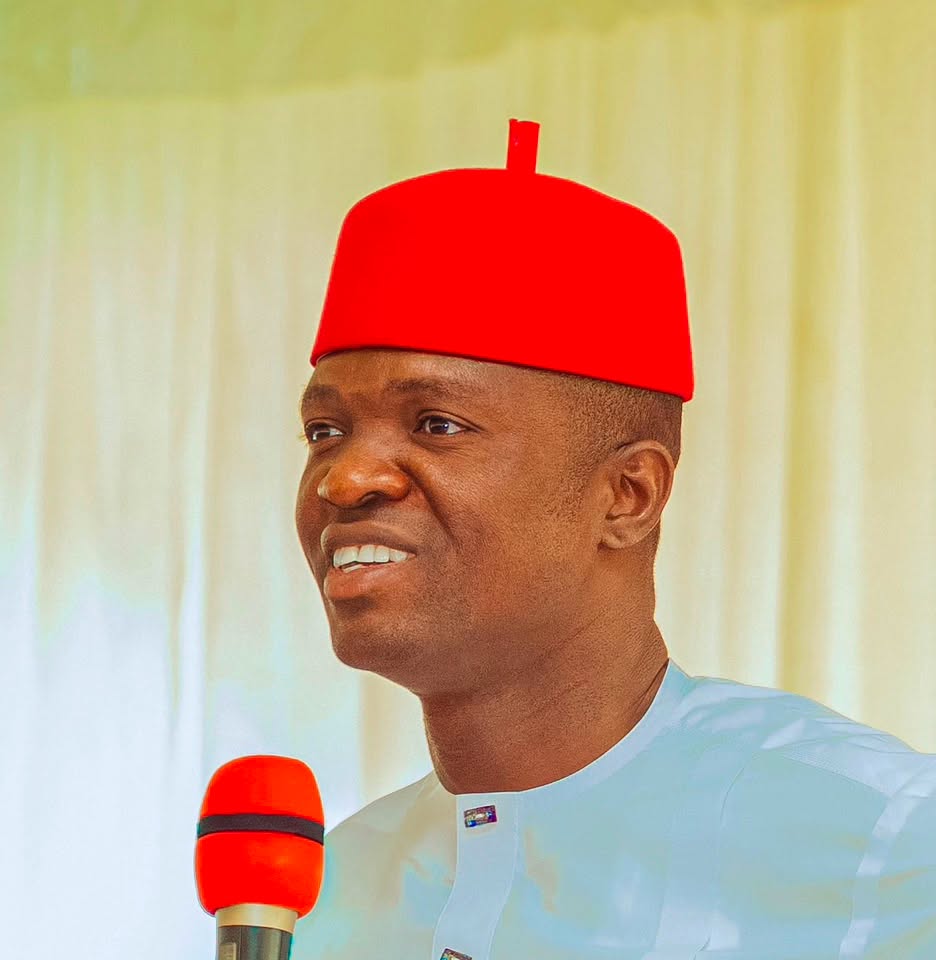
    ENUGU, Nigeria (NPA) — Governor Peter Ndubuisi Mbah has reiterated his administration’s commitment to providing iron-clad security across Enugu State, highlighting the deployment of advanced security technology and surveillance infrastructure as part of efforts to safeguard lives, property and investments.

    Mbah said security has remained central to his administration’s governance strategy since assuming office, explaining that the government has invested heavily in surveillance drones, security cameras, a state‑of‑the‑art Command and Control Centre, and supporting infrastructure to ensure round‑the‑clock monitoring across the southeastern state.

    He noted that the issue of security is the biggest elephant in the room. “If we are going to realis our dream of growing this economy exponentially, we have to address it. Business don’t undertake security risks. Government, your primary responsibility is to provide security. We understood that clearly from day one,” he said.

    According to the governor, the security architecture introduced by his administration is the first of its kind in Nigeria and is designed to provide sustainable, technology-driven policing and rapid emergency response capabilities.

    In a broadcast reviewed by our correspondent, Mbah outlined his administration’s security achievements, noting that the state has deployed more than 150 distress‑response squad vehicles and established a Command‑and‑Control Centre with round‑the‑clock surveillance of identified hotspots across Enugu State. He emphasized that the scale of these measures is unmatched by any other state.

    He added that security agencies operating within the state had also been equipped with modern communication gadgets to improve coordination and operational efficiency.

    The governor further revealed that security operatives in the state had been fitted with body cameras — a development he described as the first by any state government in Nigeria — to promote accountability and ensure that security operations are conducted within the confines of the law.

    “We have spared no effort in building a security network that is fit for purpose, so that Ndi Enugu and businesses can feel safe, protected and confident,” Mbah said.

    Political and economic analysts have praised the governor, who campaigned under the “Tomorrow is Here” mantra, for what they described as responsible and responsive leadership focused on economic transformation and institutional reforms.

    Mbah’s broader economic vision is aimed at transforming Enugu into a major hub for business, tourism and quality living, with a target of increasing the state’s Gross Domestic Product from $4.4 billion to at least $30 billion within the next four to eight years.

    Since assuming office, the governor has pursued a series of ambitious projects, including the Enugu Air initiative, Smart Green Schools, innovation and technology hubs, rural road construction and urban renewal programmes aimed at stimulating sustainable economic growth.

    In the first quarter of 2026, the Enugu State Government inaugurated the Enugu Haier Factory, a $20 million Foreign Direct Investment project by Haier Global Business Group in partnership with the state government.

    The factory, located in Enugu, is expected to position the state as a production hub for smartphones, tablets, computers, smart boards, Android televisions, education and health technologies, as well as renewable energy solutions.

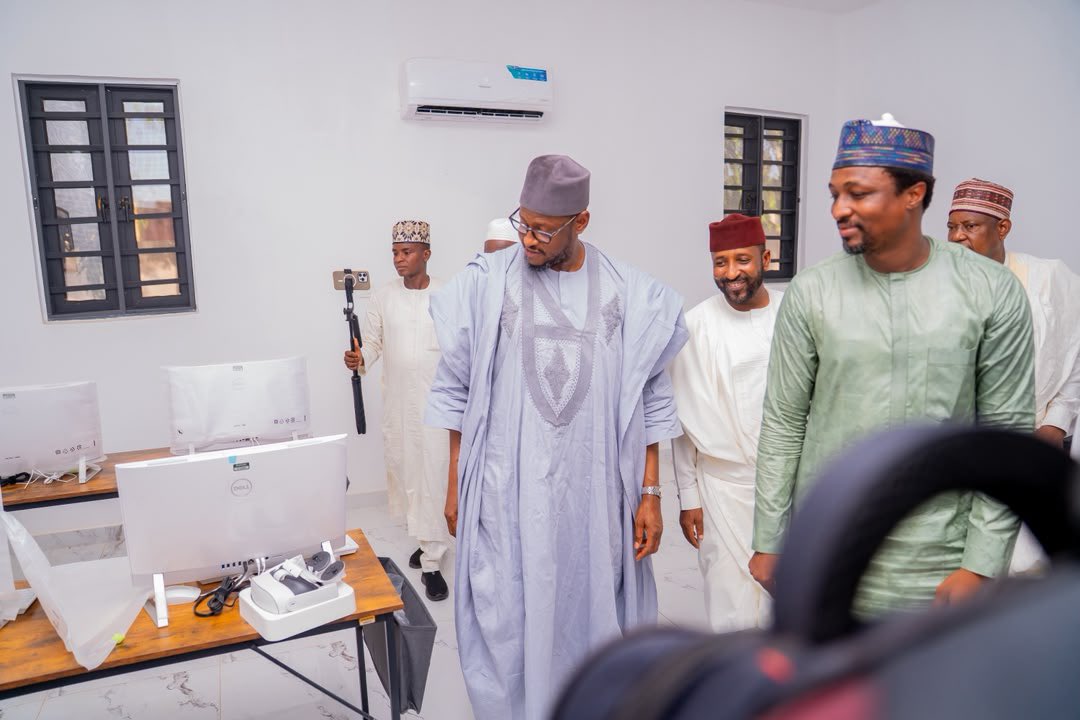
    Under the arrangement, the state government provided land for the facility and is expected to serve as its largest customer through the purchase of 25,000 all-in-one desktop computers and 300,000 tablets for deployment across the state’s 260 Smart Green Schools.

    Mbah described the investment as a major milestone in his administration’s efforts to reposition Enugu as a preferred destination for industry, technology and innovation-driven growth.

    Vice President of Haier Group, Sun Yongle, said the facility will initially produce about 200,000 units annually across ICT, medical equipment, and renewable energy product lines, with plans to expand the workforce to more than 200 employees.

  • Terra Industries unveils interceptor drones, mine-clearing vehicles

    Terra Industries unveils interceptor drones, mine-clearing vehicles

    ABUJA, Nigeria (NPA) — Nigerian technology startup Terra Industries has unveiled interceptor drones and mine‑clearing unmanned vehicles as part of new defence systems the military says could bolster anti‑insurgency operations. The announcement was made on April 27, 2026, at Terra’s Abuja facility during an event with Nigerian Military officials in attendance.

    Terra CEO Nathan Nwachukwu said: “We are unveiling new defence systems such as our interceptor UAVs, our minesweepers, ground vehicles that can detect IEDs, and our battlefield intelligence software.”

    Major General Babatunde Alaya, head of Nigeria’s Defence Industries Corporation (DICON), emphasized the importance of collaboration with Terra Industries, citing high troop casualties from improvised explosive devices.

    Terra had earlier announced the construction of a 34,000‑square‑foot drone manufacturing facility in Accra, Ghana, which will serve as its primary regional base for drone and counter‑drone systems. This follows Terra’s $34 million funding round to expand manufacturing, accelerate deployments, and grow engineering teams across Nigeria and allied African countries.

    The new facility, Pax‑2, will complement Terra’s 15,000 sq. ft. Pax‑1 flagship in Abuja. Once fully operational, Pax‑2 will be the largest drone factory in Africa, with an expected annual capacity of 50,000 units by 2028. The Ghana plant will create 120 engineering jobs and operate continuously to meet rising demand for systems such as the Archer VTOL (long‑range surveillance and strike), the Iroko UAV (rapid tactical deployment), and Kama, a high‑speed interceptor drone capable of 300 km/h for counter‑drone defence.

    Nwachukwu said the expansion advances Terra’s mission to build Africa’s sovereign defence‑industrial base amid growing threats from non‑state actors deploying modified commercial drones in conflicts across the Sahel and sub‑Saharan Africa. “The only way Africa can have lasting peace is by uniting to build sovereign defence, not by relying on foreign security architecture,” he said.

    Founded in 2024, Terra Industries develops integrated land, air, and maritime systems powered by ArtemisOS, its unified software platform for large‑scale security operations. The company serves critical sectors including energy, mineral resources, urban infrastructure, maritime assets, border security, and counterterrorism, working with governments and strategic partners across Africa and internationally.

  • YABATECH students unveil electric tricycle, AI delivery platform

    YABATECH students unveil electric tricycle, AI delivery platform

    LAGOS, Nigeria (Agency Report) — Students of Yaba College of Technology (YABATECH), Lagos, have showcased groundbreaking innovations — an electric tricycle and an AI‑powered food delivery platform — designed to address Nigeria’s transport, energy, and logistics challenges.

    The projects were unveiled during an institutional innovation showcase, where students presented solutions to rising fuel costs, mobility constraints, and inefficiencies in urban delivery systems.

    According to a statement issued on Sunday by Mr. Adekunle Adams, Deputy Registrar, Centre for Communication Information and Public Relations, the initiatives reflect YABATECH’s commitment to practical learning and real‑world impact.

    Adams explained that Higher National Diploma Mechanical Engineering students, led by Chukwuma Chisom, converted a petrol‑powered TVS tricycle into a fully electric vehicle. The innovation, which emerged as the overall best project, replaces the combustion engine with a 72‑volt, 4‑kilowatt brushless DC motor, smart controller, and lithium battery system.

    The prototype delivers about 45 kilometres per charge, while a proposed commercial model is projected to cover nearly 200 kilometres daily. Evaluators commended the project for its relevance to Nigeria’s transport and energy needs, noting its potential to reduce fuel dependence, cut costs, and promote eco‑friendly mobility.

    Another highlight was an AI‑powered food delivery ecosystem developed by student innovator Uba Mathew. The platform leverages artificial intelligence to personalise user experience, streamline vendor operations, and optimise delivery routes. It integrates customer reviews, predictive demand systems, and rider performance evaluation to enhance accountability and service quality.

    Adams said the innovation could benefit small food vendors by boosting visibility, improving order management, and addressing inefficiencies such as delays and poor coordination in existing delivery services.

    Meanwhile, YABATECH Rector, Dr. Ibraheem Abdul, urged students to embrace creativity and technology, stressing that innovation is vital to economic growth. He reiterated the institution’s support for innovation‑driven education, noting that such initiatives position graduates for entrepreneurship and employment opportunities.

  • AEDC announces planned outage in Wuse, Maitama, Jabi; technical fault disrupts power in Nyanya, Ado areas

    AEDC announces planned outage in Wuse, Maitama, Jabi; technical fault disrupts power in Nyanya, Ado areas

    ABUJA, Nigeria (NPA) —The Abuja Electricity Distribution Company (AEDC) has announced planned maintenance and confirmed a separate technical fault affecting electricity supply in parts of the Federal Capital Territory.

    In a public notice issued on Monday, AEDC said its technical team would carry out maintenance on the 33kV Wuse 2 and Jabi feeders from the Katampe Transmission Substation. The exercise, scheduled from 2:00 a.m. to 4:00 p.m., is part of ongoing network upgrade and reliability improvement efforts.

    The company warned that electricity supply to Wuse 2, parts of Maitama, and Jabi would be disrupted during the maintenance period.

    In a separate notice, AEDC also informed customers in One Man Village, New Nyanya, Ado, and the APPMA community that a current power outage in those areas is due to a technical fault.

    According to the distribution company, its engineers are working to restore supply, with power expected to be reinstated around 12:00 p.m. on the same day.

    AEDC expressed regret over the inconvenience caused by both the planned outage and the fault, urging customers to remain patient while efforts to stabilize supply continue.

    The company advised affected customers to seek further information through its customer service lines.

  • Sanwo-Olu signs new power agreements to boost reliability, manage costs

    Sanwo-Olu signs new power agreements to boost reliability, manage costs

    LAGOS, Nigeria (NPA) — Governor Babajide Sanwo-Olu on Sunday at Lagos House, Marina, presided over the signing of three new power purchase agreements aimed at strengthening capacity and addressing gaps in the state’s electricity supply.

    In a statement, the governor explained that Fenchurch Power will support major water facilities in Adiyan and Iju, while Mainland Power will continue serving Ikeja, Oshodi, and Anthony, with room for expansion. The third firm, Viathan, will maintain stable supply to key facilities on the Island, with integration into the wider distribution network.

    Sanwo-Olu noted that the agreements have been updated to reflect current market realities, stressing that the state will no longer pay for power that is not delivered. Payments, he said, are now tied strictly to actual metered supply, a move designed to reduce waste and manage costs more effectively.

    “This means more reliable power for public infrastructure, better use of state resources, and a clear path to scale capacity over the next few years,” the governor stated.

  • WTO, ITC launch WEIDE Program in Jordan to empower women entrepreneurs

    WTO, ITC launch WEIDE Program in Jordan to empower women entrepreneurs

    INTERNATIONAL (NPA) — The World Trade Organization (WTO) has congratulated 46 women-led businesses in Jordan selected to benefit from the Women Exporters in the Digital Economy (WEIDE) Fund, a program designed to strengthen their participation in international trade through digital commerce. The announcement was made in Amman on April 23 at a launch event organized by the Jordan Enterprise Development Corporation (JEDCO), the program’s local partner.

    The beneficiaries were chosen from a pool of 469 applicants and will undergo a one-year program combining technical assistance, mentorship, access to international business networks, and financial support. The WEIDE Fund, launched in 2024 by the WTO Secretariat and the International Trade Center (ITC), is currently being implemented in four countries, including Jordan.

    WTO Director-General Ngozi Okonjo-Iweala, speaking virtually, said: “Digital trade is reshaping the global economy and creating new pathways for women entrepreneurs to participate in international trade. Ensuring women’s participation is essential for inclusive growth and the creation of even more jobs.”

    ITC Executive Director Pamela Coke-Hamilton emphasized that the program equips women-led businesses with both finance and digital skills to scale sustainably. Jordan’s Minister of Industry, Trade and Supply, Yarub Qudah, described the initiative as part of national efforts to enhance women’s economic participation, calling it “an economic necessity.”

    Dana AlZoubi, Acting CEO of JEDCO, noted that the program provides technical support, training, and grants totaling $1.4 million. Beneficiaries are divided into two tracks: the Discovery Track, offering $5,000 grants to early-stage businesses, and the Booster Track, providing up to $30,000 for advanced firms ready to expand globally.

    Ahead of the launch, participants attended training sessions covering business development, digital trade, financial management, and soft skills such as leadership and negotiation. A pitch competition selected Hanan Aqeel, Manager of Khayrat Alsahra, to represent Jordan at an international trade fair.

    The WEIDE Fund is supported by the United Arab Emirates, the FIFA World Cup Qatar 2022 Legacy Fund, and the Kingdom of Bahrain. Besides Jordan, it is also active in the Dominican Republic, Mongolia, and Nigeria.

  • TCN commissions Ihovbor transmission lines to boost power evacuation

    TCN commissions Ihovbor transmission lines to boost power evacuation

    LAGOS, Nigeria (NPA) — The Transmission Company of Nigeria (TCN) has announced the successful commissioning of the turn-in-turn-out connections for the Ihovbor/Benin and Ihovbor/Ajaokuta 330kV transmission lines, a development expected to enhance power evacuation capacity and improve grid stability.

    According to a statement issued by Ndidi Mbah, General Manager, Public Affairs, the commissioning was completed at 19:05 hours on Wednesday, April 23, 2026. The new connections deliver the Ihovbor corridor and provide additional evacuation capacity for the Niger Delta Power Holding Company (NDPHC) and Azura Power.

    Currently, the Ihovbor/Benin transmission line is transmitting 200MW, while the Ihovbor/Ajaokuta line is transmitting 90MW.

    TCN noted that the project will strengthen power evacuation from the Ihovbor generating plant, improve reliability in the affected regions, and contribute to overall grid stability.

    The commissioning forms part of Nigeria’s broader national grid expansion plan, which aims to increase transmission capacity, reduce system collapses, and support the integration of new generation sources into the grid. With rising electricity demand across the country, projects like Ihovbor are critical to ensuring that generated power is efficiently evacuated and delivered to consumers, thereby reducing reliance on unstable distribution networks and improving overall energy security.

    The Company reaffirmed its commitment to expanding transmission infrastructure nationwide to support Nigeria’s growing electricity needs and ensure efficient delivery of power to consumers.

    Nigeria’s transmission grid currently struggles to wheel more than 5,000–6,000MW reliably, despite installed generation capacity of over 13,000MW. By 2026, transmission capacity is projected to rise to about 10,000MW, while national demand is estimated at 20,000MW — highlighting the urgent need for projects like Ihovbor to close the gap.

  • Lagos Government restates approval rules for solar panel installation in state-owned estates

    Lagos Government restates approval rules for solar panel installation in state-owned estates

    LAGOS, Nigeria (NPA) — The Lagos State Government has reiterated that residents of government-owned housing estates must obtain official approval before installing solar panels or making external alterations to their allocated flats.

    Permanent Secretary of the Ministry of Housing, Engr. Abdulhafis Toriola, clarified the policy following concerns raised on social media by a resident of the Millennium Housing Estate, Ibeshe, during a routine inspection by the Ministry’s Monitoring and Compliance Team.

    “An allottee must obtain approval from the Ministry for any intended alteration to the flat allocated and the building, and this includes installation of solar panels,” Toriola stated. He explained that the requirement, outlined in the Letter of Allocation and Allottees Guide, is designed to safeguard shared assets such as rooftops, walls, and water facilities, while preventing fire incidents linked to poorly executed solar installations.

    According to him, the Ministry introduced specific guidelines after observing that unregulated solar panel installations were causing structural damage and fire outbreaks in some estates. “In recent times, the Ministry had to intervene in fixing leaking rooftops and incessant fire outbreaks caused by solar panel installation by some residents,” he noted.

    Toriola emphasized that government estates are social housing schemes with shared facilities, often accommodating between two and thirty-two families per block. To minimize risks, the Ministry has stipulated standards for installation, including approved materials, panel configurations, and certified technical expertise.

    The guidelines, he added, are designed to protect other flat owners, insulate the entire building with insurance against damages, and apportion appropriate roof space to all flat owners to prevent disputes when multiple occupants in a block seek to install solar panels on the same roof.

    The Ministry also stressed its openness to feedback from residents. Beyond monthly public enlightenment campaigns in government estates, allottees are encouraged to reach out to the Ministry when in doubt and comply with established processes to ensure safety, structural integrity, and harmonious coexistence in all state-owned housing schemes.

  • ECOWAS BEST project audit assesses power access in Mauritania

    ECOWAS BEST project audit assesses power access in Mauritania

    NOUAKCHOTT, Mauritania (NPA) — The Regional Coordination Unit (RCU) of the Regional Electricity Access and Battery Energy Storage Technologies (BEST) project, led by the ECOWAS Directorate of Energy and Mines, has concluded an audit in Mauritania to evaluate progress on electricity access and storage systems.

    The audit, conducted from 14 to 19 April 2026, focused on adherence to the project schedule and the installation quality of battery energy storage equipment. Inspectors assessed whether the systems meet required standards and can reliably supply electricity to households across the country.

    According to ECOWAS, the objective is to enhance the stability of power systems, expand access to grid electricity, and strengthen renewable energy integration within the West Africa Power Pool. The findings will guide implementation and ensure that Mauritania benefits from improved energy infrastructure under the regional initiative.

    ECOWAS is executing the BEST project across West Africa to address chronic electricity shortages, reduce reliance on fossil fuels, and promote regional energy integration. By expanding access to reliable and sustainable power, the initiative aims to drive economic growth, improve social welfare, and support the long-term vision of a resilient and interconnected energy market in the region.

  • FG, EU launch £2.7m space-tech agriculture project to boost food security

    FG, EU launch £2.7m space-tech agriculture project to boost food security

    ABUJA, Nigeria (Agency Report) — The Federal Government, in partnership with the European Union (EU), has inaugurated a £2.7 million Earth Observation (EO)-based Agricultural Innovation Project aimed at transforming Nigeria’s agriculture sector through space technology and data-driven solutions.

    The initiative, jointly implemented by the National Space Research and Development Agency (NASRDA) and the European Space Agency, is designed to promote climate-smart agriculture, boost productivity, and strengthen food security nationwide.

    Minister of Science, Technology and Innovation, Dr. Kingsley Udeh, described the project as a defining moment for Nigeria’s agricultural transformation. Represented by the ministry’s Permanent Secretary, Dr. Mukhtar Yawale, he noted that while agriculture remains central to Nigeria’s economy, it faces mounting challenges, including climate change, land degradation, environmental stress, and population growth.

    He said addressing these issues requires a shift toward innovation-driven solutions anchored on data and technology, in line with President Bola Tinubu’s Renewed Hope Agenda, which prioritises food security, reduced import dependence, and modern agricultural practices.

    According to the minister, EO technologies provide accurate, timely, and scalable data to improve crop monitoring, environmental risk assessment, land-use planning, and evidence-based decision-making.

    Director-General of NASRDA, Dr. Matthew Adepoju, said the agency has invested significantly in satellite infrastructure, data systems, and human capacity, adding that the focus is now on translating data into practical solutions with measurable impact. He noted that the project aligns with global development goals and reflects strong collaboration between African and European institutions.

    EU Ambassador to Nigeria, Mr. Gautier Mignot, said the three-year project, funded under the EU Global Gateway strategy, will support farmers and herders with space-based information to improve farming systems, livestock management, and climate resilience. He added that Nigeria’s growing technological capacity makes it a strategic partner and positions the country as a potential hub for agricultural innovation in Africa.

    Minister of Agriculture and Food Security, Sen. Abubakar Kyari, represented by Mr. Olanipekun Oshadiya, highlighted the role of satellite imagery in soil mapping, crop yield forecasting, and efficient land-use optimisation.

    Earlier, NASRDA’s Director of Strategic Space Applications, Dr. Godstime James, said seven states—Kano, Bauchi, Plateau, Oyo, Enugu, Cross River, and the Federal Capital Territory—have been selected for pilot demonstration farms across Nigeria’s agro-ecological zones. He added that farmers will be equipped with Internet of Things (IoT) devices and supported with Artificial Intelligence (AI)-based tools.

    Project expert, Dr. Christopher Sannier, explained that the initiative will develop a sustainable, open-source agricultural information system integrating satellite data with ground sensors, alongside features such as AI-driven advisory services, SMS alerts, mobile applications, and web-based dashboards.