Category: Family

  • Lassa fever: Lagos sounds alarm as deadly outbreak sweeps Nigeria

    Lassa fever: Lagos sounds alarm as deadly outbreak sweeps Nigeria

    LAGOS, Nigeria — 13 April 2026 (NPA) — The Lagos State Government has issued a stark public health warning over Lassa fever, launching a statewide awareness and prevention campaign as Nigeria battles one of its most severe outbreaks in recent years.

    With over 660 confirmed cases and 167 deaths between January and mid-March, the situation has escalated into a national emergency spanning 22 states and 93 local government areas.

    Professor Akin Abayomi, Lagos State Commissioner for Health, described the outbreak as “a serious national health concern” requiring urgent, coordinated action. Particularly troubling is the infection of 38 healthcare workers, including three doctors who have died since January.

    Lassa fever, a highly contagious zoonotic viral disease transmitted from rodents and bushmeat to humans, spreads person-to-person and often presents as a haemorrhagic illness with fever and internal bleeding. While Lagos is not traditionally endemic, its dense population and commercial activity heighten the risk of rapid transmission.

    Evidence now suggests year-round transmission, driven by environmental changes and increased human interaction with rodent reservoirs. Abayomi warned that 70 per cent of infected individuals show mild or no symptoms yet remain infectious, fuelling silent spread in urban centres.

    He stressed that one in five symptomatic patients faces life-threatening complications if diagnosis and treatment are delayed. Lassa fever, he noted, belongs to the same high-risk category as Ebola and Marburg virus disease — pathogens capable of overwhelming health systems.

    The Commissioner linked the rising incidence of such outbreaks to climate change, deforestation and ecological disruption, which are pushing rodents closer to human settlements.

    To counter the threat, Lagos has activated a 24-hour Emergency Operations Centre, strengthened surveillance, deployed digital health tools, and intensified biosecurity training for healthcare workers.

    Abayomi urged residents to remain calm but vigilant, assuring that Lagos is working closely with the Nigeria Centre for Disease Control, the Federal Ministry of Health, and partners such as Irrua Specialist Teaching Hospital to bolster response systems and public awareness.

  • Sharing meal, sharing love: Eritrea’s enduring culture of unity

    Sharing meal, sharing love: Eritrea’s enduring culture of unity

    ASMARA, Eritrea, 11 April 2026 (NPA) — Eating together in a group is an ancient human cultural tradition, found across different times and places. Archaeologists trace this practice back nearly 800,000 years and highlight food sharing as a fundamental chapter in human evolution. From a bio‑archaeological perspective, sharing a common meal is a ritual that connects the human being as a biological organism to a social person.

    In Eritrea, sharing a communal plate has been a well‑celebrated cultural practice for generations. It creates memorable moments when those gathered can share love and respect for one another, exchange valuable information, address urgent family or community matters informally, and strengthen their relationships. Across all Eritrean ethnic groups, the meaning of eating together goes far beyond a significant cultural tradition — it is a determining practice for survival and thriving.

    Among the Tigrinya ethnic group, this practice is called Meadi. Family members sit around a plate facing each other, ready to taste the food and engage in conversation. After a mother or another female member prepares everything, everyone waits for a blessing from the father or an elder. Following the blessing, the father gives each member a sizable piece of injera, passing it from his right side. This marks the beginning of the eating process in a well‑disciplined manner. Until everyone confirms they are satisfied, no one is allowed to leave the Meadi except in urgent situations or with the elder’s permission. It is a cultural taboo to leave the Meadi without consent, as that would show disrespect to all family members and to the blessing. Consequently, family members learn to sit together until everyone declares they are satisfied.

    All Eritrean ethnic groups share this sacred culture, with only slight differences in name. In the Saho ethnic group, eating together is known as Maddi; in Bilen — Meddira or Gbar; in Kunama — Gonta or Nada Gonta; in Nara — Gaan; in Bidawyet — Tooda; in Tigre — Metaagal; in Tigrinya — Meadi; in Afar — Galadda; and in Arabic — Maida.

    Usually, people sit in a circle to share the available meal. The number of people sharing a plate depends on the situation, sometimes reaching as many as eight during special occasions such as wedding ceremonies.

    All Eritrean ethnic groups together share this rich culture, connecting through common values and norms that form the national identity. Such a valuable culture carries centuries‑old stories from generation to generation, helping to ensure community progress. In contemporary times, despite many preferring to eat on individual plates, this culture endures across all national groups.

    In Eritrea, this culture is also practised during serious community matters such as divorce or restitution. After discussions, guests sit to eat together, narrowing their differences to seal the agreement and normalise the situation.

    When a new person arrives during the meal, everyone invites them to share. N’Qedembel or Tefedel are popular terms often used to welcome anyone to join the prepared meal. This gesture reflects Eritrean hospitality and marks unity in diversity.

    Even during the Eritrean armed struggle, freedom fighters shared their food. Regardless of the ratio, fighters were served in their small, intimate units. Beyond mere provisions, the shared meal was a symbol of unity and resilience. As a sacred culture respected by all Eritrean diversities, eating together inspired freedom fighters to foster a unified national identity. Today, when Eritrean veterans gather for communal meals, they remember the struggles and sacrifices made for national liberation.

    Research shows that eating in a group provides ample social, psychological, and physical rewards. Among the social and emotional benefits, a shared meal increases a group’s social bond, trust, and sense of safety. Through this practice, people feel comfortable and connected, which is essential for their emotional well‑being. It helps members combat loneliness by giving them a deep sense of community and belonging. It also allows groups to spend consistent time in conversation, helping them build strong bonds with family, friends, or colleagues. People who share mealtimes have lower stress levels and better communication.

    Physical and nutritional benefits include mindful eating, lower health risks, and better weight management. Because group meals encourage slower eating, they improve digestion and prevent overeating by giving the brain time to register fullness. This, in turn, lowers the risk of cardiovascular disease by reducing stress and improving nutritional intake. It also reduces the risk of developing eating disorders in adolescents.

    Most notably, children and teens benefit greatly from this culture. By regularly hearing and sharing information and stories, they enrich their vocabulary, enhance their communication skills, internalise their culture, and achieve better academic performance. In addition, this practice helps deter children from high‑risk behaviours such as depression. Families who raise their children with this culture often develop healthy communication, deep connections, and strong relationships among family members. A mother’s love and a father’s blessing reward children with remarkable life memories. Through these experiences, children discover their social position and shape their future lives.

    In today’s world, where busy schedules and digital lifestyles encourage solo dining, the shared meal remains highly valuable because it provides mental well‑being, trust building, and emotional support.

    In conclusion, Eritrea is an icon of unity in diversity, where all national groups share common and complementary norms and values that together build the national identity. Eating in a group is an equally shared and deeply respected cultural heritage across all diversities, through which young generations embrace their future destiny — ensuring its preservation safeguards Eritrean national norms and values against the global cultural wave that erodes social fabrics. Therefore, let us all share a meal — to share a bright future.

    Written by Kidane Shimendi

  • Former Kaduna Governor El-Rufai loses mother

    Former Kaduna Governor El-Rufai loses mother

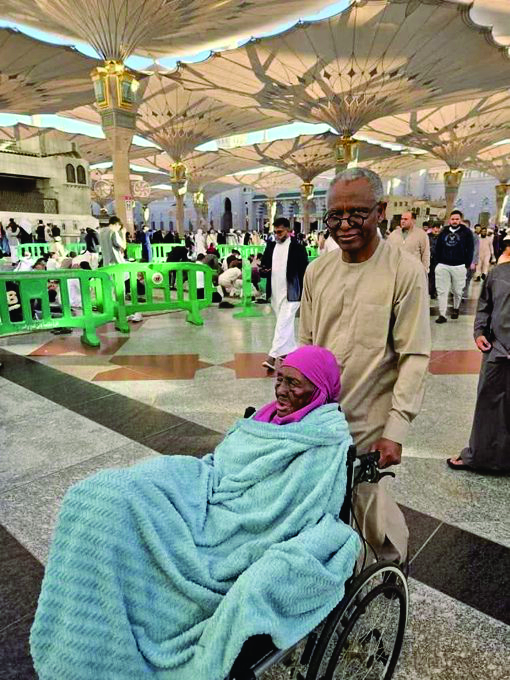
    ABUJA, NIGERIA (NPA) — 27 March 2026 — Hajiya Umma, mother of former Kaduna State Governor and ex-Minister of the Federal Capital Territory, Mallam Nasir Ahmad El-Rufai, passed away on Friday.

    Family sources confirmed that the matriarch died from age-related complications after a period of declining health. The El-Rufai family formally announced her death later the same day.

    According to those close to the family, Hajiya Umma had been battling health challenges, which worsened in recent times. Some associates claim her condition deteriorated further after learning of her son’s detention by the Independent Corrupt Practices Commission (ICPC).

    Opposition leaders have branded El-Rufai’s arrest and incarceration as politically motivated, describing it as a clash of ideologies between the ruling All Progressives Congress (APC) and the All Democratic Congress (ADC), of which El-Rufai is a prominent member.

  • Vice President Shettima hails Gates Foundation as strategic partner in Nigeria’s development drive

    Vice President Shettima hails Gates Foundation as strategic partner in Nigeria’s development drive

    ABUJA, NIGERIA (NPA) — March 26, 2026 — Nigeria’s Vice President, Senator Kashim Shettima, on Wednesday lauded the Gates Foundation for its sustained investments and humanitarian support in the country, describing the organisation as a strategic partner in the collective effort to reshape the Nigerian narrative.

    The Vice President pledged the government’s support for the Foundation’s request to deepen and broaden its collaboration with both the public and private sectors, particularly in areas such as digital transformation, nutrition, agriculture, healthcare, and other critical development initiatives.

    Shettima made these remarks while receiving a delegation from the Gates Foundation, led by Mr Hari Menon, President of the Foundation’s Global Growth and Opportunity (GGO) division, at the Presidential Villa in Abuja.

    He also commended members of the Gates Foundation’s Nigerian team for their dedication and passion toward advancing the Nigerian Project, emphasising that their contributions have positioned them as highly strategic partners in driving sustainable progress across the country.

    Over the years, the Gates Foundation has played a pivotal role in eradicating wild polio in Nigeria, strengthening primary healthcare systems, and supporting family planning and nutrition programs. It has also invested heavily in agricultural productivity, helping smallholder farmers increase yields and reduce food insecurity. Beyond Nigeria, the Foundation has partnered with institutions in 49 African countries, focusing on combating diseases such as measles and malaria, while expanding access to digital financial services for women, farmers, and marginalised communities. These interventions have made Nigeria the largest recipient of Gates Foundation funding in Africa, reflecting both its population size and developmental needs.

  • BREAKING: Atiku Abubakar mourns Safiya Ali Rufai, condemns El‑Rufai’s detention

    BREAKING: Atiku Abubakar mourns Safiya Ali Rufai, condemns El‑Rufai’s detention

    ABUJA, NIGERIA (NPA) — March 20, 2026 — Nigeria’s former Vice President, Atiku Abubakar, has expressed deep sorrow over the death of Hajiya Safiya Ali Rufai, a respected member of the El‑Rufai family and wife of the late Air Vice Marshal Ali Rufai, elder brother of former Kaduna State Governor Nasir El‑Rufai.

    In his condolence message, Atiku described the deceased, fondly known as Aunty Safiya, as a compassionate matriarch whose legacy of kindness and care will be remembered. He prayed that Almighty Allah grant her forgiveness, comfort her loved ones, and admit her into Jannah Firdaus.

    Atiku also lamented that her passing occurred while Nasir El‑Rufai remains in detention amid ongoing investigations by the Nigerian government. He criticized what he called the “political detention” of the former governor, noting that the timing of the loss adds to the family’s grief.

    “The death of Aunty Safiya is a painful reminder of the fragility of life. It is unfortunate that this loss coincides with the period during which the former Governor of Kaduna State and a key figure of the ADC is being politically detained by the Tinubu‑led APC administration,” Atiku said.

    The former Vice President extended his condolences to the El‑Rufai family, urging them to find strength in faith and unity during this difficult time.

  • WHO Nigeria lists contraceptive options for the sexually active amid low use

    WHO Nigeria lists contraceptive options for the sexually active amid low use

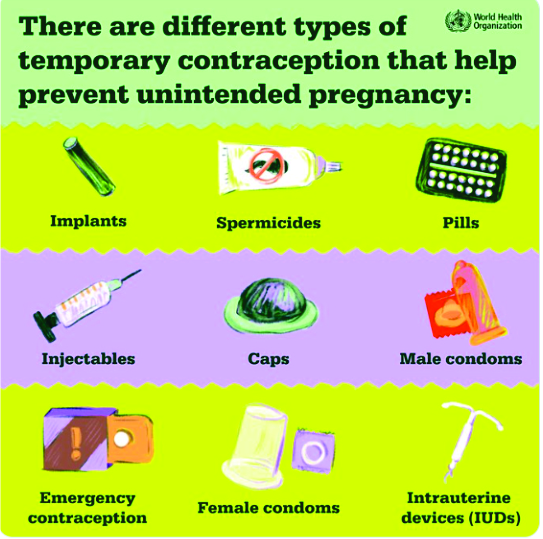
    ABUJA, NIGERIA — (NPA) March 16, 2026 — The World Health Organisation (WHO) Nigeria has outlined several contraceptive methods available to prevent pregnancy for both men and women.  

    In a statement posted on X, the global health body categorised contraceptives into hormonal methods, non-hormonal options such as condoms and copper IUDs, permanent surgical procedures like vasectomies or female sterilisation, and emergency contraception after intercourse. 

    WHO noted that effectiveness varies, and not all methods suit everyone, urging individuals to consult health workers for guidance.  

    Despite widespread awareness, contraceptive use in Nigeria remains low. Academic Journals report that only 12–18% of women of reproductive age use modern contraceptives, contributing to high rates of unintended pregnancies, unsafe abortions, and sexually transmitted infections. Fertility and maternal mortality rates remain among the highest globally. 

    However, challenges persist. Cultural and religious resistance, spousal opposition, myths about side effects, limited access in rural areas, and inadequate youth-friendly services all hinder uptake. These barriers continue to drive high fertility rates and poor reproductive health outcomes, underscoring the urgent need for stronger education, policy support, and community engagement.

  • Ministry of Health reaffirms commitment to maternal and newborn care

    Ministry of Health reaffirms commitment to maternal and newborn care

    ABUJA, NIGERIA (NPA) — March 13, 2026 — The Federal Ministry of Health and Social Welfare has reaffirmed its commitment to strengthening maternal and newborn health services nationwide following the successful delivery of quadruplets at the Federal Medical Centre (FMC), Abeokuta, Ogun State.

    In a statement signed by Ado Bako, Assistant Director of Information & Public Relations, the ministry said Mrs. Mufiat Olateju was referred to the hospital while in labor, where medical teams promptly managed the high-risk delivery and stabilized both mother and babies. Acting on the directive of Minister of State for Health, Dr. Iziaq Adekunle Salako, FMC Abeokuta ensured comprehensive care and monitoring for the family.

    The ministry commended the professionalism of the medical team, noting that multiple births require specialized care. It emphasized the importance of early and consistent antenatal visits to detect complications, improve outcomes, and ensure safer deliveries. Pregnant women were urged to register early at recognized health facilities and maintain regular contact with qualified professionals.

    The ministry also highlighted the role of postpartum counselling and voluntary family planning in promoting family wellbeing. It reiterated its commitment to reducing preventable maternal and infant deaths through stronger health systems, skilled personnel, and expanded access to quality care.

  • Early Puberty in girls: A growing concern

    Early Puberty in girls: A growing concern

    Abuja, Nigeria (Agency Report) — March 5, 2026 — Seven-year-old Oluchi Okechukwu had always believed that blood on her body could only mean she had fallen or scraped her knee.

    However, on a quiet day, she noticed a dark red stain spreading across her skirt.

    It frightened her because she felt no pain nor had any memory of being hurt, and she could not understand why the blood seemed to be coming from a part of her body she associated only with using the toilet.

    Her mother, Mrs Amaka Okechukwu, froze when she realised what the blood meant, her voice trembling as she asked, “How can my baby be seeing her period at this age?”

    At first, confusion gave way to tears and fear of the unknown, as she imagined the implications that might follow.

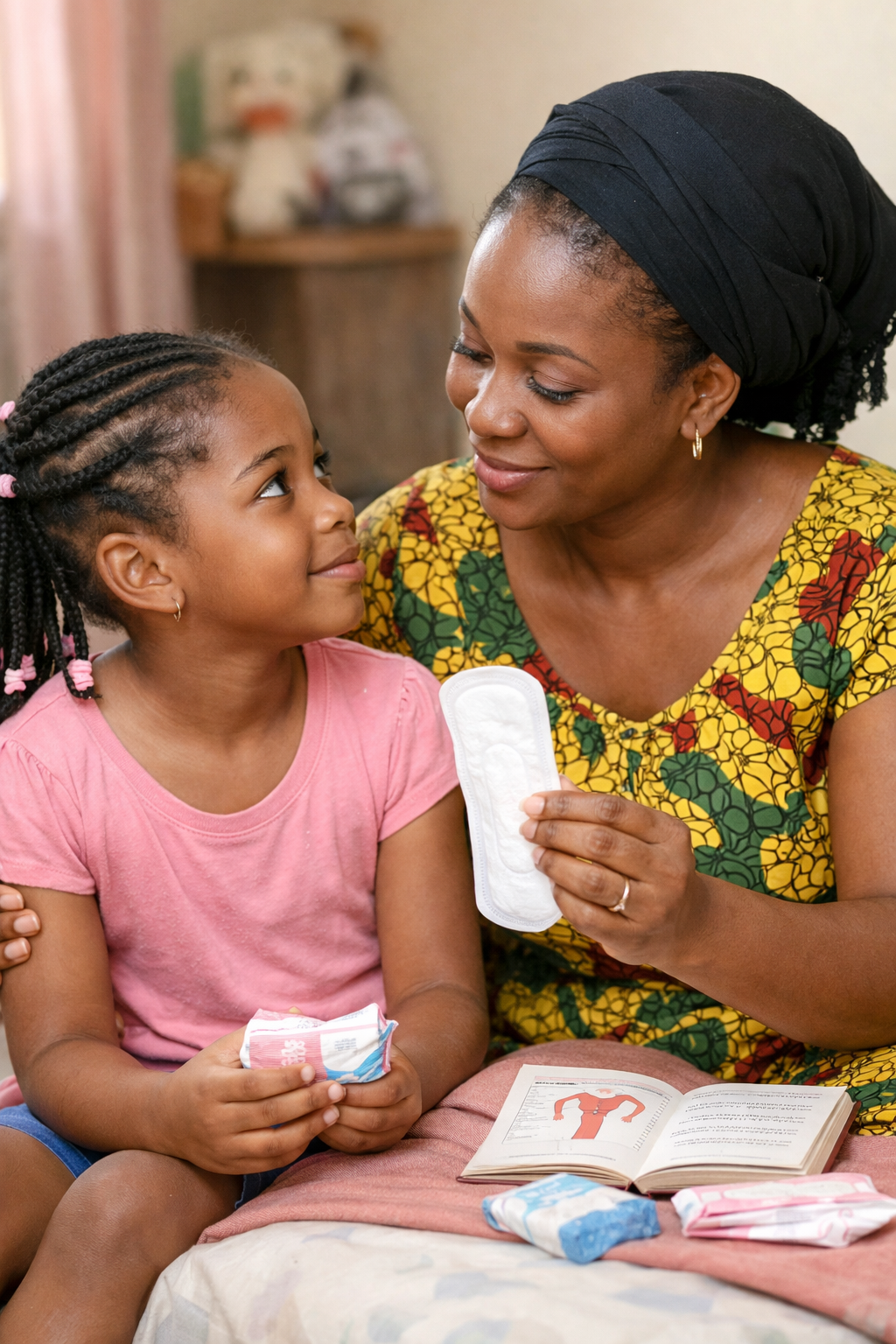
    Nevertheless, she eventually gathered herself, sat beside Oluchi, and explained what menstruation was.

    She demonstrated how to use a pad, reassured her that she was not hurt or sick, and promised to walk the journey with her.

    Medically, such an experience is known as precocious puberty, which refers to the unusually early onset of puberty; that is, the development of secondary sexual characteristics before the age of eight in girls and nine in boys.

    In simple terms, the body begins to mature far earlier than is biologically expected.

    Ordinarily, this is not how puberty begins in Nigeria, where data consistently place the average age of first menstruation between 13 and 14 years, with only a small number beginning before age 10.

    Therefore, a seven-year-old experiencing menstruation falls far outside the expected range and is considered a condition that specialists caution should never be dismissed as merely “early but normal.”

    A public health physician, Dr Busayo Awolola, explains that precocious puberty is triggered by early hormonal signals from the brain.

    “For true precocious puberty, we see a combination of changes such as breast development, growth acceleration, pubic hair, and eventually menstruation; all linked to hormonal activation from the brain,” Awolola explains.

    Furthermore, she notes that parents are often the first to notice unusual changes but may lack the language or knowledge to interpret them properly.

    According to her, menstruation at age seven is definitely considered precocious and requires careful evaluation.

    In particular, early medical assessment helps rule out underlying causes.

    She says this is necessary to ensure the bleeding is not caused by a tumour, ovarian cyst, or thyroid disorder.

    “Check Bone Age: A simple X-ray of the wrist will show if her bones are ageing too fast, and to consider treatment.

    “GnRH analogues (puberty blockers) can be used to pause puberty. This stops the periods and keeps the growth plates open, allowing the child to grow to a normal height and mature emotionally before puberty resumes at a regular age”.

    Globally, research titled “Precocious Puberty: An Overview of Global Trends and Patterns” estimates that the condition occurs in roughly one in every 5,000 to 10,000 children worldwide and is far more common in girls than boys.

    In addition, the study confirms that in the majority of cases, the cause is idiopathic, meaning the brain’s hormonal switch turns on too early for reasons that remain unknown.

    Similarly, local evidence reflects global findings.

    A seven-year retrospective review conducted at the University of Calabar Teaching Hospital examined children who presented with early-onset puberty between 2015 and 2021.

    The study confirmed that precocious puberty, though uncommon, does occur among Nigerian children.

    Moreover, it highlighted the need for clinicians and parents to distinguish true precocious puberty from benign conditions such as premature adrenarche.

    Premature adrenarche refers to early breast development without other signs of puberty and often resolves naturally.

    On the other hand, it may involve the early appearance of pubic hair, mild acne, or adult-like body odour while the ovaries remain inactive.

    Although both conditions may cause anxiety, specialists emphasise that they do not represent true puberty and generally do not require the same level of medical intervention.

    Meanwhile, sexual and reproductive health expert Ms Oyinkan Gbolagunte observes that many families are unprepared when confronted with early puberty.

    She stresses that some parents assume it is harmless or hereditary.

    However, they may not realise that early hormonal activation can affect a child’s final adult height, emotional development, and social experiences.

    According to her, early puberty can be influenced by multiple biological, environmental, and lifestyle factors, including genetics, body weight and nutrition, and environmental exposure to hormone-disrupting chemicals found in some plastics and pesticides.

    Additionally, chronic medical conditions or brain abnormalities may also be responsible.

    Beyond the physical implications, psychologists warn of the emotional toll.

    For psychologist Dr Kareemah Madawaki, a seven-year-old experiencing menstruation is likely to feel frightened and overwhelmed, especially without prior knowledge of bodily changes.

    “Children at that age often interpret bleeding as injury. They rely on adults to tell them they are safe,” she says.

    Madawaki urged parents to use simple explanations, such as ‘Your body is growing a little faster than others’, and to teach menstrual care gently.

    Equally important, she notes that children closely observe parental reactions.

    “When a parent panics, the child learns to panic too. Calm reassurance is crucial”.

    She emphasises that understanding, patience, and openness help children cope with changes that arrive earlier than expected.

    Furthermore, Madawaki encourages schools to establish support systems for young girls who may experience menstruation during school hours.

    These, she says, should include private and clean washrooms, access to water and sanitary products, and teachers trained to offer quiet, respectful assistance.

    “A school environment free of shame gives a child confidence and tells her she is normal and supported”.

    On stigma, she warns that silence can deepen vulnerability and isolation.

    “When adults treat menstruation as taboo, children absorb the message that normal biological processes are shameful,” adding that breaking the silence is protective because it normalises, educates, and empowers children as they grow.

    Ultimately, medical professionals agree that early menstruation should never be ignored, as evaluation by a paediatric endocrinologist can determine whether treatment is necessary.

    With timely care, including puberty-suppressing medication when appropriate, children can continue to develop emotionally and physically at a pace more aligned with their chronological age.

    Nevertheless, with awareness, prompt medical attention, and compassionate support, experts say no child has to face the confusion of early puberty alone.


  • NAPTIP Responds to Allegations of Child Sexual Abuse in Nigerian Daycare Centres

    NAPTIP Responds to Allegations of Child Sexual Abuse in Nigerian Daycare Centres

    LAGOS, NIGERIA (NPA): The National Agency for the Prohibition of Trafficking in Persons (NAPTIP) has issued a public statement reaffirming its statutory responsibility to investigate cases of sexual abuse and human trafficking.

    The announcement follows widespread online debate in Nigeria over allegations of child sexual abuse in daycare facilities, including accusations, counter-accusations, and subsequent recantations.

    In its statement released Tuesday, NAPTIP said: “We are closely monitoring recent public discussions and concerns regarding alleged incidents of child sexual abuse and misconduct in daycare settings across Nigeria. The Agency remains committed to thoroughly investigating credible reports.”

    The agency urged members of the public to provide verifiable information, stating: “We kindly request anyone with factual evidence, direct knowledge, or personal experience related to these matters to contact us confidentially via direct message or email at info@naptip.gov.ng.”

    Earlier, Newpost Africa reported that Nigerian police had arrested a TikTok user, Mirabel, after she raised allegations of rape, which she later recanted and publicly apologised for, admitting the claims were false. READ HERE

  • Newpost Africa Relaunches, Reaffirms Commitment to World-Class Journalism

    Newpost Africa Relaunches, Reaffirms Commitment to World-Class Journalism

    LAGOS, NIGERIA (NPA): Nigerian media organisation Newpost Africa Media Publishing® (Newpost Africa) has announced its return following a successful restructuring process. The relaunch underscores the company’s renewed commitment to delivering journalism of the highest standards—anchored in integrity, balance, and diversity.

    Positioning itself as “Nigeria’s independent, world-class media organisation”, Newpost Africa emphasized its founding principles of strict editorial neutrality, an uncompromising stance against propaganda, and reporting that informs without bias or distortion. The organisation stressed that credible journalism is indispensable to democratic societies and informed citizenship.

    In a statement issued on February 22, 2026, Newpost Africa encouraged stakeholders and readers to actively engage with its mission. “By sharing perspectives and experiences, you contribute to a platform that values truth, dialogue, and collective responsibility in shaping the public record,” the statement read.

    Driven by a team of seasoned professionals and supported by a global network of journalists and writers, Newpost Africa said it is well-positioned to deliver timely coverage of rapidly evolving stories with speed, clarity, and analytical depth—while maintaining accuracy and editorial discipline.

    Its editorial focus remains firmly on Nigeria and the African continent, ensuring accountability from policymakers, institutions, and power brokers. At the same time, the organisation pledged to continue reporting on international developments that shape Africa’s place in the global context.

    The relaunch, according to the statement, is not merely a return but a reaffirmation of purpose and a strategic commitment to excellence in journalism. “This relaunch is a reaffirmation of our mission to uphold the highest standards of journalism and to serve as a trusted voice in Nigeria, Africa, and beyond,” the organisation noted.