Category: Investigation

  • UK sex-grooming scandals expose decades of abuse, institutional failures

    UK sex-grooming scandals expose decades of abuse, institutional failures

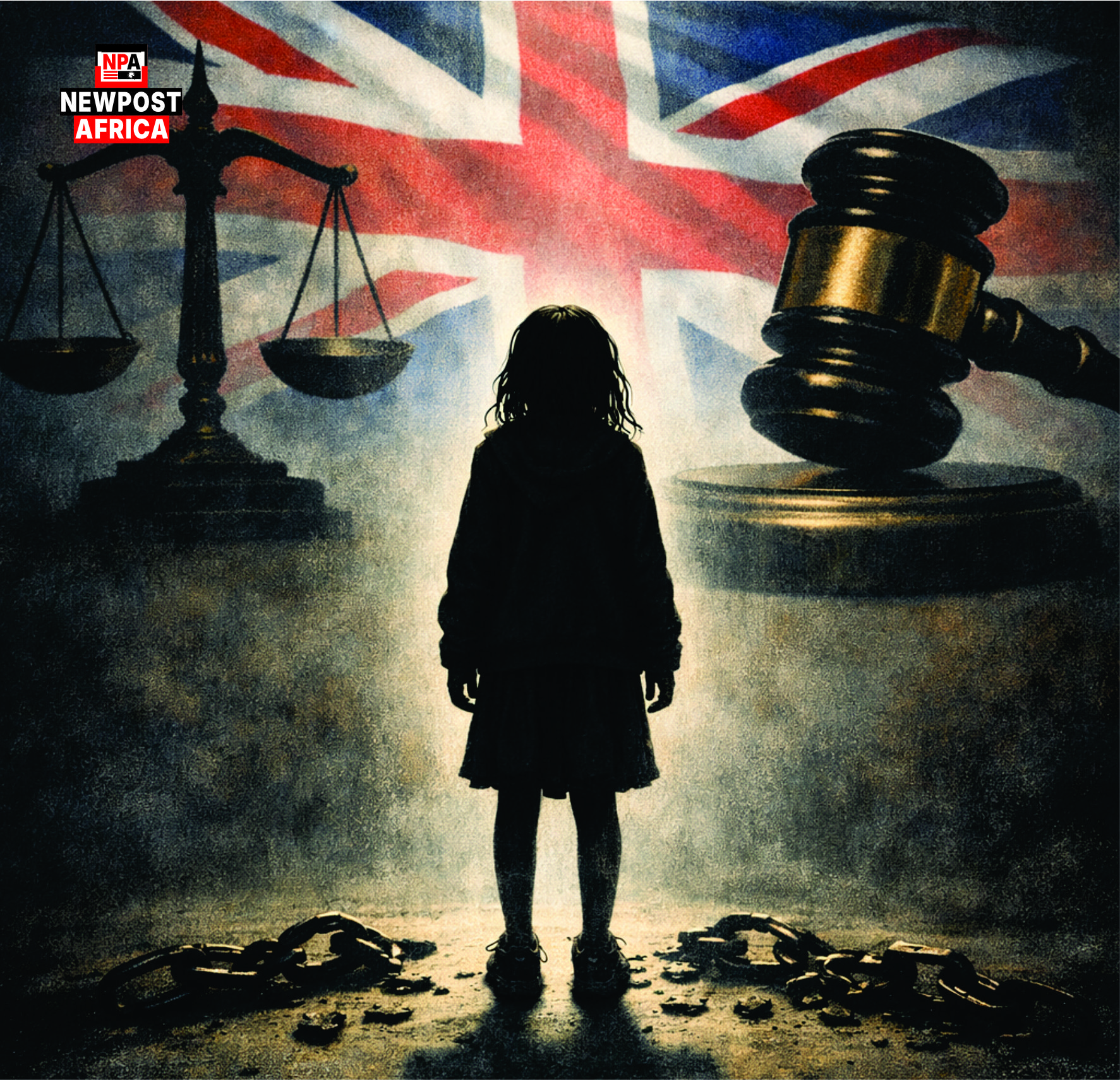
    LONDON, United Kingdom (NPA) — The United Kingdom continues to confront the legacy of one of the most disturbing child sexual exploitation scandals in its modern history, with official inquiries revealing widespread institutional failures that allowed the abuse of thousands of vulnerable girls over several decades.

    Investigations in towns including Rotherham, Rochdale, Oxford, Telford, and other parts of England uncovered organised grooming networks that targeted young girls, many from disadvantaged backgrounds, subjecting them to sexual exploitation, violence, intimidation, and trafficking.

    A series of official reports, criminal prosecutions, and public inquiries have documented how victims were groomed with gifts, alcohol, drugs, and false promises before being repeatedly abused by groups of offenders.

    One of the most significant investigations, the 2014 Jay Report, found that an estimated 1,400 children were sexually exploited in Rotherham between 1997 and 2013, despite repeated warnings to local authorities and law enforcement agencies.

    The report concluded that police officers, social workers, and local officials failed to act on numerous complaints and intelligence reports, allowing the abuse to continue unchecked for years.

    Victims were often dismissed, ignored, or blamed for their circumstances, with some officials reportedly describing them as making “lifestyle choices” rather than recognising them as children being exploited.

    The scandal first gained widespread national attention following investigative reports and a series of criminal convictions beginning in the early 2010s.

    In 2012, several men were convicted in the high-profile Rochdale grooming case after evidence emerged that authorities had been aware of allegations for years before decisive action was taken.

    Subsequent investigations in Oxford, Telford, Derbyshire, and other locations uncovered similar patterns of organised child sexual exploitation and institutional neglect.

    Campaigners, survivors, and child protection advocates have since described the scandal as a national disgrace and one of the gravest safeguarding failures in recent British history.

    The controversy also sparked debate over whether concerns about racial tensions, community relations, and reputational damage contributed to official reluctance to confront the crimes earlier.

    Successive governments have acknowledged serious failures in the protection of vulnerable children and introduced reforms aimed at strengthening safeguarding systems, improving inter-agency cooperation, and enhancing support for survivors.

    Despite dozens of successful prosecutions over the years, campaigners argue that many victims are still waiting for justice and that further accountability is needed.

    In 2025, the British government launched a statutory independent inquiry to examine the handling of organised child sexual exploitation cases, institutional responses, and the adequacy of support provided to survivors.

    The inquiry is expected to assess the actions of law enforcement agencies, local authorities, and other public institutions, while making recommendations to prevent similar failures in the future.

    According to the inquiry’s terms of reference published in 2026, investigators will focus on institutional accountability, victim support, safeguarding reforms, and lessons learned from previous cases.

    Survivors and advocacy groups have welcomed the inquiry but insist that meaningful justice requires not only prosecutions but also long-term support for victims and greater accountability for officials who failed to act.

    Analysts say the grooming scandals with a strong involvement of individuals from Pakistan remain a defining test of Britain’s child protection system, highlighting the consequences of institutional inaction and the importance of safeguarding vulnerable children regardless of political, social, or cultural sensitivities.

    More than two decades after the first warnings emerged, the cases continue to shape public debate on child protection, policing, accountability, and the responsibilities of public institutions to protect those most at risk.

  • Kanu’s lawyer blames Gowon’s rejection of Aburi Accord for Nigeria’s security challenges

    Kanu’s lawyer blames Gowon’s rejection of Aburi Accord for Nigeria’s security challenges

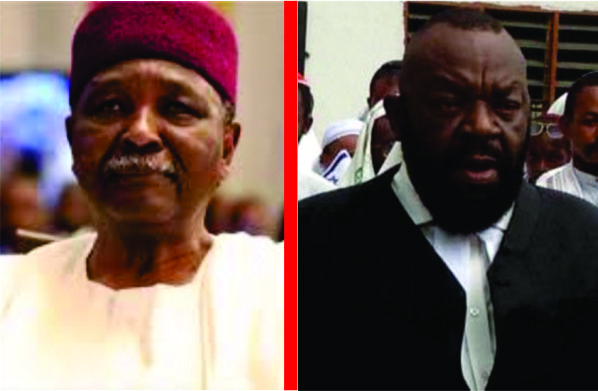
    ABUJA, Nigeria (NPA) — Special Counsel to the leader of the proscribed Indigenous People of Biafra (IPOB), Mazi Nnamdi Kanu, Mr Alloy Ejimakor, has blamed Nigeria’s lingering security challenges on the failure to implement the 1967 Aburi Accord.

    Ejimakor made the assertion in a statement titled, “How the Ghost of Aburi Came Back to Haunt Nigeria,” in which he criticised former Head of State, General Yakubu Gowon (retd.), for rejecting the agreement reached between Nigerian and Eastern Region leaders in Aburi, Ghana.

    According to him, the decision contributed to the outbreak of the Nigeria-Biafra War and the deaths of millions of people during the conflict.

    The lawyer argued that the insecurity currently affecting parts of the country, particularly North-Central communities, reflects concerns that were raised by the late Biafran leader, Chukwuemeka Odumegwu Ojukwu, during the Aburi negotiations.

    “Had the Aburi Accord been fully implemented, regions might have had the constitutional tools to secure their people. Instead, the resort to a utopian unity has produced a state where violence once directed against the East in 1967 has now spread to the very people that had fought against Aburi,” he said.

    Ejimakor pointed to recurring attacks, killings and displacement of communities in Plateau State and other parts of the Middle Belt as evidence of what he described as the consequences of excessive centralisation.

    He also referenced comments by former Defence Minister and retired General, Theophilus Danjuma, who had previously urged communities to defend themselves against attacks.

    Quoting Danjuma’s warning that, “If you depend on the Armed Forces to protect you, you will all die,” Ejimakor said the statement reflected frustrations over the country’s security architecture.

    He further argued that the concerns expressed by Danjuma mirror the fears that informed Ojukwu’s position during the Aburi talks.

    The lawyer also claimed that the centralised security structure has repeatedly failed to protect vulnerable communities and accused successive governments of not addressing underlying structural issues.

    According to him, ethnic and communal violence has spread beyond the South-East and North-Central regions to parts of the South-West, where some groups have advocated stronger regional security arrangements.

    Ejimakor maintained that the Aburi Accord represented a practical framework for managing Nigeria’s diversity through decentralisation rather than an attempt at secession.

    “History has rendered its verdict. Aburi was right and beyond reproach. Ojukwu was the Nostradamus that saw the tomorrow of Nigeria, and that tomorrow is here,” he said.

    The Aburi Accord was reached in January 1967 during talks between Nigerian military leaders in Ghana, but was never fully implemented, a development widely regarded as one of the factors that preceded the Nigerian civil war.

  • CNN’s Larry Madowo wins Human Rights Defenders of the Year Award

    CNN’s Larry Madowo wins Human Rights Defenders of the Year Award

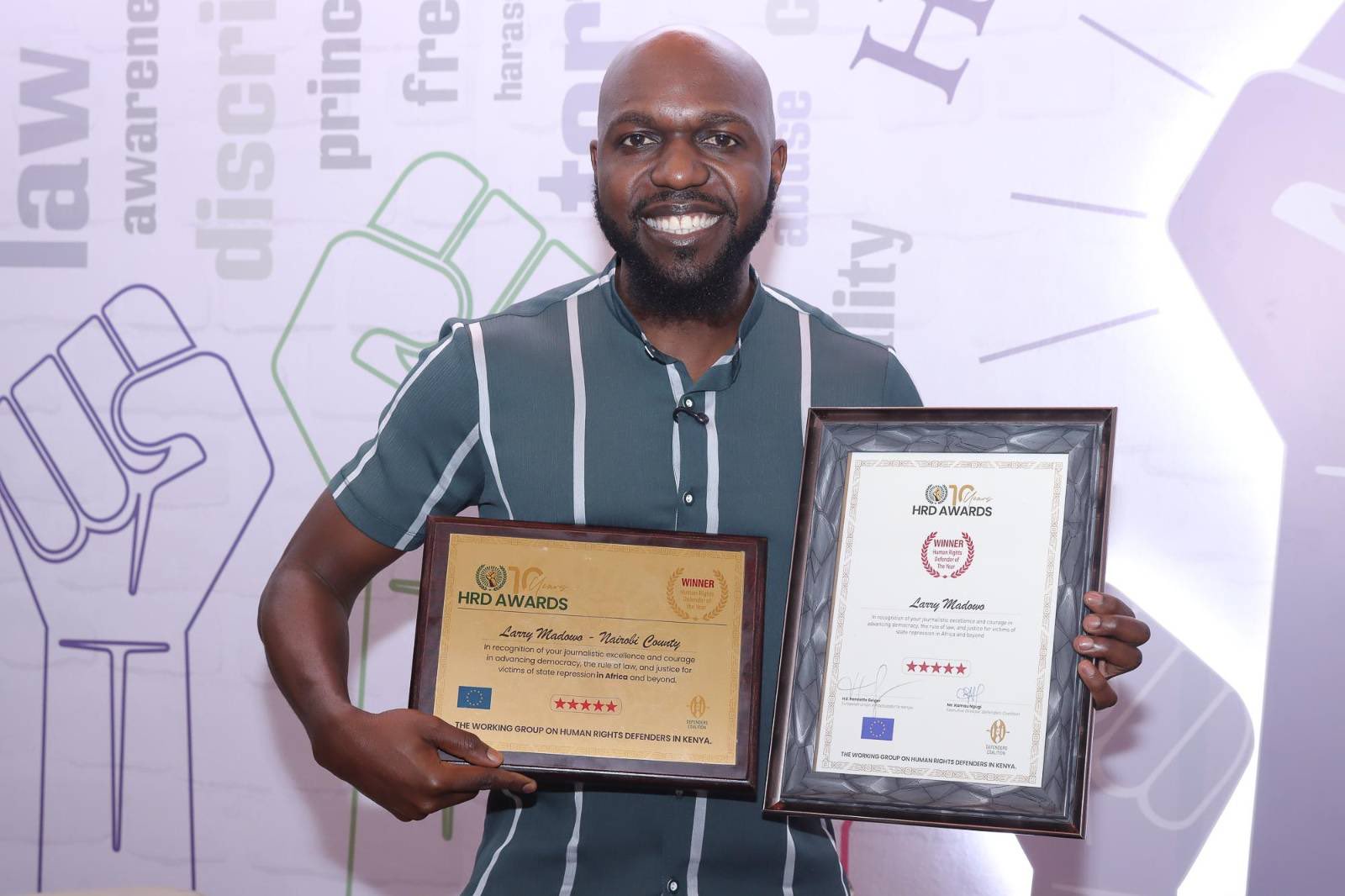
    LAGOS, Nigeria (NPA) — CNN International Correspondent Larry Madowo has been honoured with the Human Rights Defenders of the Year Award by the Defenders Coalition, Kenya’s national organisation dedicated to the safety and protection of human rights defenders.

    The award, presented today by the Working Group of Human Rights Defenders (HRD) and the HRD Awards Jury, recognises Madowo’s journalistic excellence and courage in advancing democracy, the rule of law, and justice for victims of state repression in Africa and beyond.

    The ceremony, marking the 10th edition of the HRD Awards, was hosted by the European Union in Kenya, which currently co‑chairs the HRD Working Group.

    Madowo, a Kenyan journalist with a career spanning the BBC and CNN, has built a reputation for fearless reporting on sensitive issues across Africa.

    His most notable works include investigations into police killings and mass graves in Tanzania, coverage of Uganda’s opposition leader Bobi Wine, and reports on crises such as illegal gold mining in Ghana (galamsey), the Lolldaiga forest fire in Kenya involving British troops, and the COVID‑19 pandemic from inside U.S. hospitals.

    The Defenders Coalition, founded in 2007, launched the annual HRD Awards in 2016 to protect and celebrate frontline defenders. Jury members included Andrew Maina, Rachael Mwikali, Dr Willy Mutunga, Njeri Kabeberi, Ikal Ang’elei, Kamanda Mucheke, Grace Lolim Hsc, and Geoffrey Mwampembwa.

  • SERAP asks Tinubu to probe alleged ₦26.9bn USPF fraud

    SERAP asks Tinubu to probe alleged ₦26.9bn USPF fraud

    ABUJA, Nigeria (NPA) — The Socio-Economic Rights and Accountability Project (SERAP) has urged President Bola Ahmed Tinubu to direct relevant authorities to investigate the alleged disappearance and diversion of ₦26.9 billion from the Universal Service Provision Fund (USPF).

    The organisation specifically called on the President to mandate the Minister of Communications, Innovation and Digital Economy, Bosun Tijani, and the Secretary of the USPF, Yomi Arowosafe, to account for the funds.

    SERAP also urged the Attorney-General of the Federation and Minister of Justice, Lateef Fagbemi, as well as anti-corruption agencies, to launch a prompt and effective investigation into the allegations.

    The group said any individual found culpable should face prosecution where sufficient evidence exists, while all missing or diverted funds should be recovered and returned to the treasury.

    The allegations are contained in the 2022 audited report published by the Auditor-General of the Federation on September 9, 2025.

    In a letter dated May 9, 2026 and signed by SERAP Deputy Director, Kolawole Oluwadare, the organisation described the USPF as critical to expanding telecommunications access in underserved and rural communities.

    “The USPF is vital to expanding telecommunications access in underserved and rural communities, and any diversion of its funds directly undermines its mandate to bridge the digital divide, support infrastructure development and promote inclusive connectivity,” the letter stated.

    SERAP said the allegations, which include unaccounted expenditures, irregular contract awards, failure to remit public funds and payments for services not rendered, raised serious concerns about financial accountability within the agency.

    According to the organisation, failure to investigate the allegations and recover the funds would undermine efforts to achieve digital inclusion and deprive Nigerians of essential services.

    The group warned that poor access to affordable internet connectivity continued to affect citizens’ ability to exercise fundamental rights, including freedom of expression, access to information, education and participation in public affairs.

    SERAP further argued that inadequate connectivity was widening socio-economic inequality by excluding millions of Nigerians from economic opportunities, financial services, healthcare information and civic participation.

    Among the allegations cited from the Auditor-General’s report was the failure of the USPF to remit more than ₦13.8 billion, described as annual operating surplus between 2016 and 2019.

    The report also alleged that the agency claimed to have spent over ₦11.7 million on international trainings during the COVID-19 lockdown period without supporting documents, while more than ₦2.8 billion in contracts were allegedly awarded without approval or procurement records.

    The Auditor-General further queried alleged payments of ₦8 million to a non-existent fund manager, over ₦6.4 billion spent on projects not captured in the approved 2020 budget, and another ₦2.8 billion allegedly spent without documentation between January and May 2021.

    Additional allegations include failure to remit more than ₦300 million in stamp duties, failure to deduct over ₦144 million in withholding tax, and payment of over ₦391 million to consultants without evidence of work done.

    SERAP gave the Federal Government seven days to act on its recommendations, warning that it could initiate legal proceedings in the public interest if no action was taken.

    The organisation also cited constitutional provisions and international anti-corruption conventions, including the United Nations Convention against Corruption and the African Union Convention on Preventing and Combating Corruption, as the legal basis for its demands.

  • Amnesty International accuses China of blocking RightsCon event

    Amnesty International accuses China of blocking RightsCon event

    LUSAKA, Zambia (NPA) — Amnesty International has accused China of being behind the sudden stoppage of RightsCon, the global technology and human rights conference scheduled to open in Lusaka, Zambia from Tuesday until Friday this week.

    Organizers said foreign interference forced the postponement, marking what Amnesty described as a growing pattern of Chinese authorities using influence to silence dissent and restrict open dialogue.

    More than 5,000 participants from 150 countries and 750 organizations had registered, and this would have been the first time the event was hosted in Sub‑Saharan Africa.

    Amnesty condemned the development as censorship and a direct attack on freedom of expression, association, and peaceful assembly. “State‑driven intimidation must face consequences,” the group said, urging the Zambian government to disclose the full reasons behind the cancellation.

    The rights group called on all states to support the event organizer, Access Now, in securing an alternative venue to ensure RightsCon takes place this year. The organization warned that efforts to suppress debate undermine democratic values and global cooperation on human rights.

  • U.S. forces disable Iranian vessel violating blockade

    U.S. forces disable Iranian vessel violating blockade

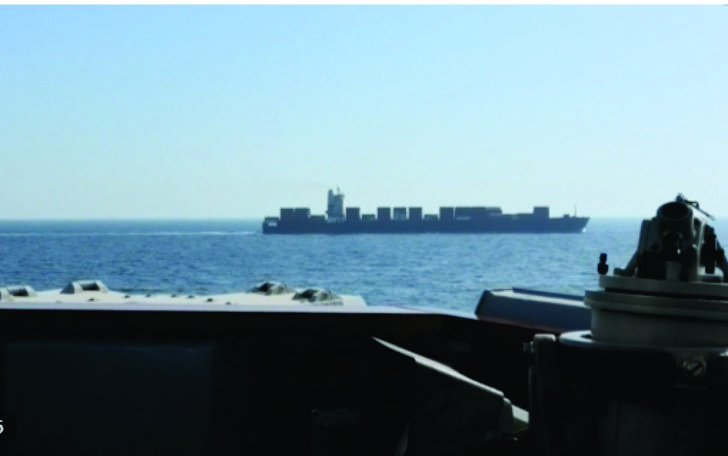
    INTERNATIONAL (NPA) — The United States Central Command (CENTCOM) has announced that U.S. forces disabled an Iranian-flagged cargo vessel attempting to enter an Iranian port in violation of the ongoing naval blockade.

    CENTCOM said the operation was carried out on April 19 by the guided-missile destroyer USS Spruance (DDG 111), which intercepted the vessel, identified as M/V Touska, in the northern Arabian Sea while en route to Bandar Abbas, Iran.

    According to the command, U.S. forces issued multiple warnings to the vessel, informing its crew that it was in breach of the blockade. However, the crew reportedly failed to comply with the directives.

    CENTCOM said that after repeated warnings over a six-hour period, the destroyer ordered the crew to evacuate the engine room before disabling the vessel’s propulsion system by firing rounds from its 5-inch MK 45 gun into the engine compartment.

    The command added that U.S. Marines from the 31st Marine Expeditionary Unit subsequently boarded the vessel, which is now in U.S. custody.

    It stated that the operation was conducted in a deliberate, professional and proportional manner to ensure compliance with the blockade measures.

    CENTCOM noted that since the commencement of the blockade, U.S. forces have directed at least 25 commercial vessels to turn back or return to Iranian ports.

    The development comes amid rising tensions in the region, following Iran’s reimposition of the closure of the Strait of Hormuz in response to U.S. restrictions, a move Washington has described as a violation of a ceasefire agreement reached after recent talks in Islamabad.

    U.S. President Donald Trump has warned of severe consequences if Iran continues to restrict access to the strategic waterway.

  • Nigeria Sanctions Committee designates 48 individuals and groups for terrorism financing

    Nigeria Sanctions Committee designates 48 individuals and groups for terrorism financing

    ABUJA, Nigeria, 11 April 2026 (NPA) — The Nigeria Sanctions Committee (NigSac) has announced the designation of 48 individuals and organisations for terrorism financing and related offences, in a sweeping move aimed at disrupting extremist networks across the country.

    According to official records, those sanctioned include individuals such as Abdulsamat Ohida, Mohammed Sani, Fatima Ishaq, Tukur Mamu, and Yusuf Ghazali, alongside groups including Jama’atu Wal‑Jihad, Ansarul Sudan (Ansaru), the Islamic State West Africa Province (ISWAP), and the Indigenous People of Biafra (IPOB).

    The Committee’s narrative summaries highlight the roles of several key figures. For instance, Chiwendu Joy Owoh, identified as a financial operative, allegedly managed accounts used to collect and remit funds for a terrorist structure known as BRGIE. Intelligence reports linked her Moniepoint account to systematic fundraising activities across Nigerian states.

    Similarly, Abdurrahman (FNU) was designated as a senior commander of ISWAP’s Okene faction, suspected of involvement in attacks around the Federal Capital Territory and the South‑West, including the June 2022 assault on St. Francis Catholic Church in Owo, Ondo State.

    Another designee, Fatima Ovayioza Ishaq, was described as a financial courier for ISWAP Okene, responsible for disbursing funds to widows and wives of fighters.

    The sanctions, which include asset freezes and restrictions on financial transactions, are part of Nigeria’s broader counter‑terrorism strategy under the Terrorism (Prevention and Prohibition) Act, 2022. Officials emphasised that the designations aim to cut off funding streams, weaken operational capacity, and deter support networks that enable extremist violence.

    Here’s the full list of the 48 individuals and groups sanctioned by the Nigeria Sanctions Committee (NigSac):  

    1. Abdulsamat Ohida  

    2. Mohammed Sani  

    3. Abdurrahman Abdurrahman  

    4. Fatima Ishaq  

    5. Tukur Mamu  

    6. Yusuf Ghazali  

    7. Muhammad Sani  

    8. Abubakar Muhammad  

    9. Sallamudeen Hassan  

    10. Adamu Ishak  

    11. Hassana Isah  

    12. AbdulKareem Musa  

    13. Umar Abdullahi  

    14. Abdurrahman Ado  

    15. Bashir Yusuf  

    16. Ibrahim Alhassan  

    17. Muhammad Isah  

    18. Salihu Adamu  

    19. Surajo Mohammad  

    20. Fannami Bukar  

    21. Muhammed Musa  

    22. Sahabi Ismail  

    23. Mohammed Buba  

    24. Jama’atu Wal‑Jihad  

    25. Ansarul Sudan (Ansaru)  

    26. Islamic State West Africa Province (ISWAP)  

    27. Indigenous People of Biafra (IPOB)  

    28. Yan Group  

    29. Yan Group NLBDG  

    30. Adamu Hassan  

    31. Hassan Mohammed  

    32. Usman Abubakar  

    33. Kubara Salawu  

    34. Rabiu Suleiman  

    35. Simon Njoku  

    36. Godstime Iyare  

    37. Francis Mmaduabuchi  

    38. John Onwumere  

    39. Chikwuka Eze  

    40. Edwin Chukwuedo  

    41. Chiwendu Owoh  

    42. Ginika Orji  

    43. Awo Uchechukwu  

    44. Mercy Ali  

    45. Ohagwu Juliana  

    46. Eze Okpoto  

    47. Nwaobi Chimezie  

    48. Ogumu Kewe  

    NigSac reiterated its commitment to safeguarding national security and urged financial institutions, businesses, and the public to comply fully with the sanctions regime.

  • Nigeria Immigration Service orders probe into alleged extortion at Lagos–Seme Border

    Nigeria Immigration Service orders probe into alleged extortion at Lagos–Seme Border

    ABUJA, Nigeria, 10 April 2026 (NPA) — The Nigeria Immigration Service (NIS) has condemned alleged incidents of extortion by its personnel along the Lagos–Seme border corridor and ordered an immediate investigation.

    Comptroller‑General of Immigration, Mrs Kemi Nandap, described the reported misconduct as unacceptable and a violation of the Service’s core values and operational standards. In a statement issued by the Service’s Public Relations Officer, Deputy Comptroller of Immigration Akinsola Akinlabi, the CGI announced that Comptrollers in charge of the affected Commands have been temporarily relieved of their duties pending the outcome of the probe.

    The investigation aims to identify all officers involved and ensure disciplinary measures are applied without delay. The Service reassured the public of its commitment to professionalism, transparency and efficiency at all entry and exit points, stressing that it will not tolerate actions that undermine public trust or tarnish its integrity.

    Members of the public have been encouraged to report misconduct through official social media channels — X (@nigimmigration), Instagram (@nigimmigration), Facebook (@nigimmigration) — or via its 24‑hour contact centre numbers: 09121700033, 07121350537, and 09121477092.

    The NIS reiterated its mission to serve with integrity, discipline and professionalism while facilitating lawful migration, and pledged to strengthen internal accountability mechanisms to uphold service excellence.

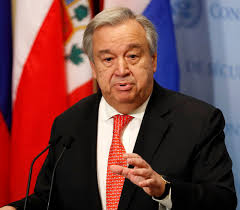
  • BREAKING: UN declares transatlantic slave trade the gravest crime against humanity

    BREAKING: UN declares transatlantic slave trade the gravest crime against humanity

    UNITED NATIONS (NPA) — March 25, 2026—The United Nations General Assembly today passed a historic resolution declaring the trafficking of enslaved Africans and the transatlantic slave trade as the gravest crime against humanity. The resolution, published by the UN Media Liaison Unit (MALU), was sponsored by more than 50 countries and underscores the enduring impact of slavery and colonialism on Africans and people of African descent worldwide.

    The resolution reaffirms the principles of the UN Charter, the Universal Declaration of Human Rights, and international covenants prohibiting slavery. It recalls historic milestones, including the Durban Declaration, the International Decade for People of African Descent, and the Ark of Return memorial at UN Headquarters, while stressing that slavery’s legacies persist in structural racism, inequality, and underdevelopment.

    Delegates emphasized that the transatlantic slave trade represented “a profound rupture in human history,” involving the forced capture, commodification, and transportation of millions of Africans over four centuries. The resolution highlights the exceptional brutality and systemic nature of racialized chattel enslavement, noting its codification in laws such as the Barbados Slave Code and the French Code Noir, which legally defined Africans as property.

    The Assembly condemned slavery as “the most inhumane and enduring injustice against humanity” and declared that crimes related to the trafficking of enslaved Africans are violations of jus cogens norms, not subject to statutory limitations. It affirmed that grave crimes generate continuing obligations until addressed through truth, justice, and reparations.

    The resolution calls on Member States to engage in inclusive dialogue on reparatory justice, including formal apologies, restitution, compensation, rehabilitation, and guarantees of non-repetition. It urges the restitution of cultural properties and artifacts taken during slavery and colonialism, and encourages international cooperation to promote cultural rights for present and future generations.

    The Assembly also requested the UN Secretary-General to strengthen coordination on remembrance, education, and research related to slavery and its legacies, and to report back at the 82nd session on progress made. Regional organizations such as the African Union and Caribbean Community were invited to collaborate on frameworks for reparatory justice and reconciliation.

    By passing this resolution today, the General Assembly reaffirmed its collective commitment to historical justice, healing, and sustainable peace. It stressed that addressing the legacies of slavery is essential to combating systemic racism and ensuring dignity and equality for Africans and people of African descent across the globe.

  • Independent panel exposes corruption, violence in Nigerian Correctional Service

    Independent panel exposes corruption, violence in Nigerian Correctional Service

    ABUJA, NIGERIA (NPA) — March 25, 2026: An Independent Investigative Panel on alleged corruption and other violations within the Nigeria Correctional Service (NCoS) has presented its findings to stakeholders in Abuja.

    The panel, established by the Minister of Interior, Dr. Olubunmi Tunji-Ojo, began its presentation on Tuesday at the opening of a two-day stakeholders’ engagement.

    Tunji-Ojo commended the panel for its professionalism and diligence in investigating allegations of corruption, abuse of power, torture, cruelty, and inhumane treatment in correctional facilities. He explained that the panel was set up following serious allegations of misconduct after the arrest of Idris Olarenwaju, popularly known as Bobrisky.

    The minister noted that the findings revealed systemic challenges requiring urgent reforms, including corruption, operational inefficiencies, poor welfare conditions, human rights concerns, and institutional gaps.

    “Officers found culpable will face appropriate disciplinary and legal consequences in line with existing laws and regulations,” he said.

    He stressed that the meeting was not a ceremonial exercise but an opportunity for reflection and constructive dialogue.

    “Effective collaboration among stakeholders is essential for sustainable reform. Your insights and recommendations will guide the implementation of the panel’s findings,” Tunji-Ojo added.

    He emphasized that reforming correctional centres must go beyond sanctions to strengthening institutions, improving standards, enhancing officer training, and aligning facilities with international best practices.

    Attorney-General of the Federation and Minister of Justice, Lateef Fagbemi, praised the initiative, describing NCoS as central to criminal justice administration.

    “Any shadow of corruption or abuse of power within its walls strikes at the very core of our social contract,” he said.

    Fagbemi highlighted the importance of legislative frameworks such as the Nigerian Correctional Service Act 2019 in addressing systemic challenges and ensuring transparency, accountability, and compliance with human rights standards.

    NCoS Controller-General, Sylvester Nwakuche, welcomed the panel’s work, stressing that accountability—not condemnation—was the goal.

    “The findings, even if difficult, must be confronted. The service is not defined by its failures but by its response to them,” he said.

    He added that most officers serve with professionalism and sacrifice, and urged that the misconduct of a few should not overshadow the dedication of the majority.