Category: Arts & Entertainment

  • Wole Soyinka says NAS secretariat will strengthen humanitarian services, advocacy initiatives

    Wole Soyinka says NAS secretariat will strengthen humanitarian services, advocacy initiatives

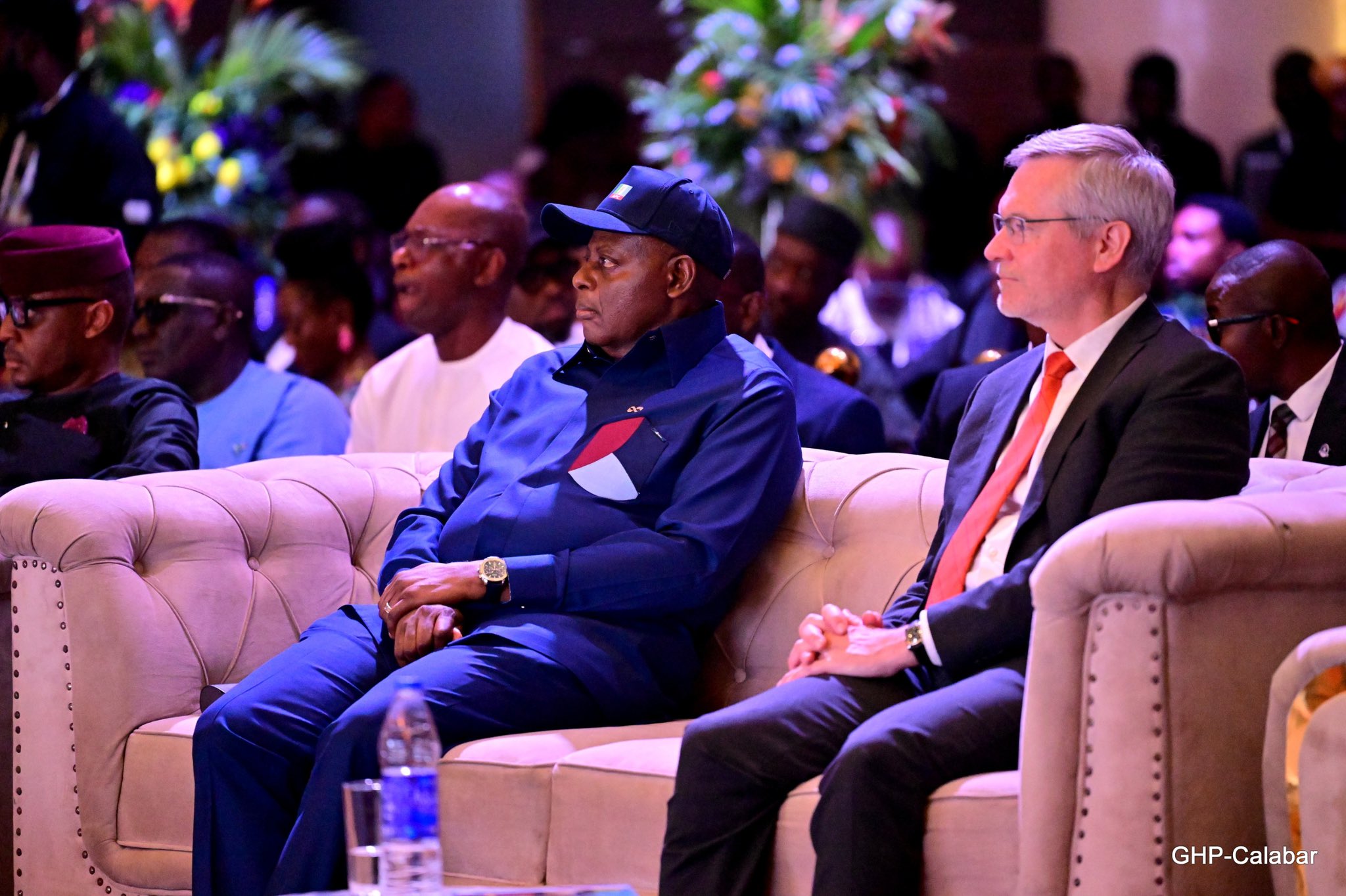
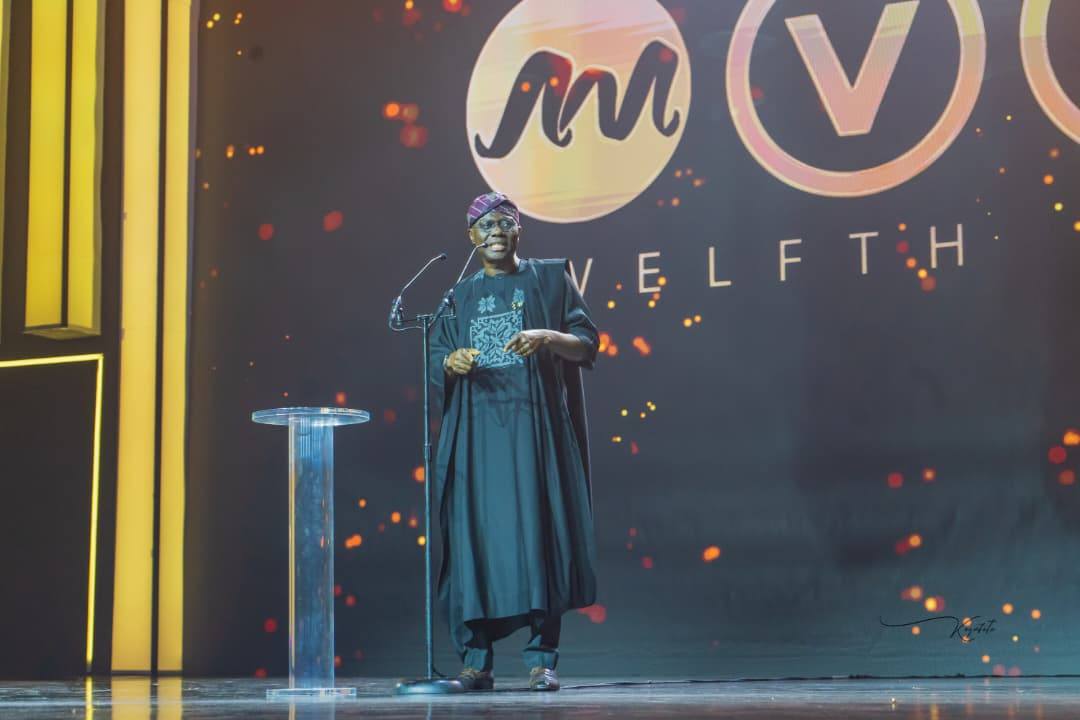
    ABUJA, Nigeria (NPA) — Nobel Laureate Wole Soyinka says the new secretariat of the National Association of Seadogs will strengthen humanitarian services, expand charitable interventions and deepen social advocacy across communities.

    Soyinka spoke on Friday during the foundation-laying ceremony of the association’s secretariat at the Abuja Chamber of Commerce and Industry, attended by members of the association, business leaders and invited guests.

    He said the facility would serve as a permanent base for coordinating outreach, education and advocacy programmes, while also helping to address public misconceptions about the organisation.

    According to Soyinka, members must continue to uphold the association’s core values of discipline, integrity and service in all its activities.

    “Your work already speaks for itself,” Soyinka said, commending the association’s sustained humanitarian interventions and public enlightenment campaigns across the country.

    The Nobel Laureate also praised the chamber, describing it as a leading institution in economic development and private sector representation with a strong record of supporting enterprise growth.

    President of the chamber, Chief Emeka Obegolu, welcomed Soyinka and members of the association, applauding their contributions through humanitarian services, advocacy and public enlightenment initiatives.

    Obegolu highlighted the association’s interventions, including medical outreach programmes, charity drives, environmental sanitation campaigns, and the promotion of human rights, social justice and good governance.

    He said the initiatives had improved community welfare, raised public awareness and encouraged responsible citizenship and national development, particularly in underserved communities.

    According to him, the association’s activities complement government programmes while promoting civic responsibility and inclusive participation in national development efforts.

    Obegolu also urged members to strengthen collaboration with the chamber, which he described as the voice of Nigeria’s private sector with more than 16 sectoral groups.

    He noted that stronger partnerships would enhance impact, create opportunities for joint programmes and broaden the reach of both organisations’ initiatives.

  • Yul Edochie attacks Peter Obi, questions his leadership, Igbo credentials

    Yul Edochie attacks Peter Obi, questions his leadership, Igbo credentials

    LAGOS, Nigeria (NPA) — Nollywood actor Yul Edochie has criticised former Anambra State governor and African Democratic Congress (ADC) presidential aspirant, Peter Obi, questioning his leadership credentials and influence within the Igbo community.

    In a series of posts published on his verified X account, Edochie alleged that Obi does not embody the values traditionally associated with the Igbo people, particularly the principle of “onye aghana nwanne ya,” which translates to “leave no one behind.”

    According to the actor, true leadership involves uplifting others and creating opportunities for people around one’s sphere of influence.

    “How can you spend many years in power, many years as a successful businessman, yet nobody can say he’s successful today because of you?” Edochie wrote.

    He further alleged that Obi had failed to empower even those closest to him, while contrasting the former governor’s record with his own influence in the Nigerian film industry.

    According to Edochie, several individuals in Nollywood could testify that they achieved success through his support, adding that he had not seen similar testimonies associated with Obi.

    “What are you doing with the power God has given you? If you can’t lift people around you out of poverty, you simply can’t lift Nigeria out of poverty,” he added.

    The actor also dismissed Obi’s performance as governor of Anambra State, claiming the former presidential candidate failed to make significant developmental impact in the state.

    “Peter Obi built nothing in Anambra. Absolutely nothing. If you can’t build Anambra, you can’t build Nigeria. Simple and short,” he wrote in another post.

    Edochie, a vocal supporter of President Bola Ahmed Tinubu, has previously campaigned publicly for the Nigerian leader under the slogan, “Relax, Tinubu will fix Nigeria.”

    The actor also predicted victory for Tinubu in the 2027 presidential election, stating in an earlier post that he sees “no match” for the president politically.

    “He will win the 2027 elections hands down,” Edochie said.

  • ECOWAS strengthens regional creative industries at MASA 2026

    ECOWAS strengthens regional creative industries at MASA 2026

    ABUJA, Nigeria (NPA) — The Economic Community of West African States (ECOWAS) has reaffirmed its commitment to promoting culture as a tool for regional integration and sustainable development through its participation in the 14th edition of the Abidjan Performing Arts Market (MASA), held from April 11 to 18, 2026.

    The eight-day event, themed “Performing Arts in Africa: A Tool for Economic and Social Integration,” showcased diverse cultural and creative performances and was inaugurated by Prime Minister Robert Beugré Mambé at the Palace of Culture.

    MASA, held biennially, serves as a strategic platform for showcasing African performing arts, fostering professional exchanges, artistic excellence, and market access for cultural actors. ECOWAS’s participation aligns with its vision to harness culture for regional cohesion, increase visibility of its programs, and support the development of creative industries in West Africa.

    Economists have long highlighted the creative economy’s importance to West Africa’s growth. In Nigeria, the sector contributes approximately $1.8 billion to GDP and is a leading job creator, employing millions across music, film, fashion, and digital arts. Nollywood alone produces over 2,500 films annually, while Afrobeats continues to dominate global music charts.

    Despite its successes, the sector faces challenges including inadequate infrastructure, poor training academies, and limited access to financing. Analysts argue that addressing these gaps is essential to unlocking the full potential of the creative economy.

    ECOWAS’s involvement in MASA 2026 underscores its determination to strengthen regional creative industries, positioning culture not only as an engine of economic growth but also as a driver of social integration and sustainable development across West Africa.

  • Psquare Peter Okoye hosts exclusive screening of ‘Michael’ biopic, praises cast

    Psquare Peter Okoye hosts exclusive screening of ‘Michael’ biopic, praises cast

    LAGOS, Nigeria (NPA) — Nigerian singer Peter Okoye, popularly known as Mr Psquare, has lauded the actors and producers of Michael, the new biographical drama about Michael Jackson directed by Antoine Fuqua and written by John Logan.

    Okoye revealed that earlier this week he hosted an exclusive screening of the film with family and friends, describing the King of Pop as a lifelong inspiration. “All I can say to my big brother and friend Jermaine Jackson is that your son @jaafarjackson absolutely nailed his role in this incredible movie! So so proud of him,” he said.

    He urged fans worldwide to see Michael in cinemas this Friday, noting that the film captures Jackson’s artistry, struggles, and enduring legacy.

    The movie stars Jaafar Jackson, Michael’s nephew, as the adult singer, with Juliano Krue Valdi portraying him in childhood. Colman Domingo plays Joseph Jackson, Nia Long appears as Katherine Jackson, and Laura Harrier as Suzanne de Passe. The story begins in Gary, Indiana, with the formation of the Jackson 5, and follows Michael through gruelling rehearsals, Motown success, and his solo triumphs with Off the Wall, Thriller, and Bad.

    The narrative highlights both Jackson’s brilliance and the darker aspects of his upbringing, including his father’s strict discipline. It underscores his relentless pursuit of perfection, creative ambition, and personal struggles.

    Michael premiered in Berlin on 10 April 2026 and was released in the United States on 24 April 2026. Critics praised Jaafar Jackson’s performance, though some noted the film’s storytelling was sanitised, focusing more on his rise to stardom than on controversies.

  • Taraba signs MoU with Federal Government to develop tourism village

    Taraba signs MoU with Federal Government to develop tourism village

    TARABA, Nigeria (NPA) — Governor of Taraba State, Agbu Kefas, has announced that the state has signed a Memorandum of Understanding (MoU) with the Federal Ministry of Art, Culture, Tourism and Creative Economy to develop a tourism village.

    The agreement was formalised on Saturday at Harmony Hotel in Takum, marking a step towards boosting tourism and economic growth in the state.

    The Minister of Art, Culture, Tourism and Creative Economy, Hannatu Musa Musawa, led the Federal Government delegation to the event.

    Musawa said the initiative aligns with President Bola Ahmed Tinubu’s broader economic agenda to diversify Nigeria’s economy beyond oil, with a focus on the creative sector as part of ongoing economic reforms.

    Kefas described tourism as a vital non-kinetic tool for addressing insecurity, which has affected Taraba State and other parts of the North-East region, noting that it can promote peace, unity and economic stability.

    He also expressed appreciation to President Tinubu for the initiative and partnership, adding that the state would continue to align with the administration’s Renewed Hope agenda.

  • Rufai Oseni wins Media Personality of the Year at Independent Awards

    Rufai Oseni wins Media Personality of the Year at Independent Awards

    LAGOS, Nigeria (NPA) — Arise Television anchor, Rufai Oseni, has won the Media Personality of the Year award at the 2025 Independent Awards organised by Independent Newspapers Limited.

    The awards ceremony, held on Saturday in Lagos, honoured outstanding Nigerians across governance, business, media and other sectors.

    The event, which marked the 25th anniversary of the awards, took place at Eko Hotel and Suites and featured about 25 categories recognising excellence, leadership and impact.

    The awards, widely regarded as one of Nigeria’s leading recognition platforms, celebrate individuals and organisations that have distinguished themselves in public service, enterprise and social development.

    Top contenders for the prestigious Man of the Year award included industrialist Abdul Samad Rabiu, Chairman of BUA Group, and Director-General of the World Trade Organisation, Ngozi Okonjo-Iweala.

    Several eminent Nigerians were honoured with Lifetime Achievement Awards, including Prince Samuel Adedoyin, Chief Don Obot Etiebet, Atedo Peterside, founder and former Chairman of Stanbic IBTC Bank, and Chief Kessington Adebutu, Chairman of Premier Lotto, for their contributions to national development.

    In the governance category, a number of state governors and federal ministers were recognised for their performance and policy impact. Notable nominees included Alex Otti of Abia State, Peter Mbah of Enugu State, Uba Sani of Kaduna State, Hope Uzodimma of Imo State and Babagana Zulum of Borno State.

    Key figures in the financial sector were also spotlighted, with nominations featuring business leaders such as Tony Elumelu, while Adaora Umeoji and Segun Agbaje were recognised in the banking category.

    In the technology, media and creative industry categories, nominees included Kemisola Bolarinwa, Chimezie Emewulu, Funke Akindele, Mo Abudu and Chude Jideonwo.

    Organisers said winners were selected through a combination of public voting, editorial board assessment and jury review to ensure credibility and transparency.

    They added that the awards remain committed to encouraging excellence and inspiring higher standards of performance across all sectors of national life.

  • 10,000 fashion producers to gather in Aba for ‘The Fashion Games 2026’

    10,000 fashion producers to gather in Aba for ‘The Fashion Games 2026’

    ABA, Nigeria — 14 April 2026 (Agency Report) — No fewer than 10,000 fashion producers are expected to converge on Aba, Abia State, for the second edition of The Fashion Games 2026 (TFG 2026), organisers announced on Monday.

    The event, organised by Ethnocentrique Limited, will also attract fashion enthusiasts, policymakers, and buyers. Chief Executive Officer Irunna Ejibe said the 2026 edition, themed “AHIA 360,” aims to showcase a holistic fashion market experience and promote the development of a structured fashion economy in Aba and across Nigeria.

    Scheduled for April 28–29, the two-day programme will feature an industry-focused session for buyers, policymakers, and MSMEs on the first day, followed by a large public showcase at Enyimba International Stadium on the second day.

    Ejibe recalled that the maiden edition in 2025 drew 4,500 participants and engaged 1,400 MSMEs, while 2,000 trainees graduated under the Fashion Future Programme (FFP), implemented in partnership with the Mastercard Foundation. She noted that Aba remains a major hub for garment, footwear, and accessory production, though many artisans lack access to finance, certification, and markets.

    Chief Operating Officer Jeremiah Ubunamah added that Aba’s fashion cluster has the potential to grow into a $3 billion industry within five to ten years if supported with adequate infrastructure. He said the event would help address gaps in finance, intellectual property protection, and market linkages.

    The first day will include deal-making sessions with buyers, retailers, government officials, and industry experts, culminating in business partnership signings. The second day will feature cluster parade competitions involving 25 production groups, runway presentations for emerging designers, and the graduation of new FFP participants.

    Organisers say the initiative underscores Aba’s role as a fashion powerhouse and highlights opportunities for Nigeria’s creative economy.

  • Sharing meal, sharing love: Eritrea’s enduring culture of unity

    Sharing meal, sharing love: Eritrea’s enduring culture of unity

    ASMARA, Eritrea, 11 April 2026 (NPA) — Eating together in a group is an ancient human cultural tradition, found across different times and places. Archaeologists trace this practice back nearly 800,000 years and highlight food sharing as a fundamental chapter in human evolution. From a bio‑archaeological perspective, sharing a common meal is a ritual that connects the human being as a biological organism to a social person.

    In Eritrea, sharing a communal plate has been a well‑celebrated cultural practice for generations. It creates memorable moments when those gathered can share love and respect for one another, exchange valuable information, address urgent family or community matters informally, and strengthen their relationships. Across all Eritrean ethnic groups, the meaning of eating together goes far beyond a significant cultural tradition — it is a determining practice for survival and thriving.

    Among the Tigrinya ethnic group, this practice is called Meadi. Family members sit around a plate facing each other, ready to taste the food and engage in conversation. After a mother or another female member prepares everything, everyone waits for a blessing from the father or an elder. Following the blessing, the father gives each member a sizable piece of injera, passing it from his right side. This marks the beginning of the eating process in a well‑disciplined manner. Until everyone confirms they are satisfied, no one is allowed to leave the Meadi except in urgent situations or with the elder’s permission. It is a cultural taboo to leave the Meadi without consent, as that would show disrespect to all family members and to the blessing. Consequently, family members learn to sit together until everyone declares they are satisfied.

    All Eritrean ethnic groups share this sacred culture, with only slight differences in name. In the Saho ethnic group, eating together is known as Maddi; in Bilen — Meddira or Gbar; in Kunama — Gonta or Nada Gonta; in Nara — Gaan; in Bidawyet — Tooda; in Tigre — Metaagal; in Tigrinya — Meadi; in Afar — Galadda; and in Arabic — Maida.

    Usually, people sit in a circle to share the available meal. The number of people sharing a plate depends on the situation, sometimes reaching as many as eight during special occasions such as wedding ceremonies.

    All Eritrean ethnic groups together share this rich culture, connecting through common values and norms that form the national identity. Such a valuable culture carries centuries‑old stories from generation to generation, helping to ensure community progress. In contemporary times, despite many preferring to eat on individual plates, this culture endures across all national groups.

    In Eritrea, this culture is also practised during serious community matters such as divorce or restitution. After discussions, guests sit to eat together, narrowing their differences to seal the agreement and normalise the situation.

    When a new person arrives during the meal, everyone invites them to share. N’Qedembel or Tefedel are popular terms often used to welcome anyone to join the prepared meal. This gesture reflects Eritrean hospitality and marks unity in diversity.

    Even during the Eritrean armed struggle, freedom fighters shared their food. Regardless of the ratio, fighters were served in their small, intimate units. Beyond mere provisions, the shared meal was a symbol of unity and resilience. As a sacred culture respected by all Eritrean diversities, eating together inspired freedom fighters to foster a unified national identity. Today, when Eritrean veterans gather for communal meals, they remember the struggles and sacrifices made for national liberation.

    Research shows that eating in a group provides ample social, psychological, and physical rewards. Among the social and emotional benefits, a shared meal increases a group’s social bond, trust, and sense of safety. Through this practice, people feel comfortable and connected, which is essential for their emotional well‑being. It helps members combat loneliness by giving them a deep sense of community and belonging. It also allows groups to spend consistent time in conversation, helping them build strong bonds with family, friends, or colleagues. People who share mealtimes have lower stress levels and better communication.

    Physical and nutritional benefits include mindful eating, lower health risks, and better weight management. Because group meals encourage slower eating, they improve digestion and prevent overeating by giving the brain time to register fullness. This, in turn, lowers the risk of cardiovascular disease by reducing stress and improving nutritional intake. It also reduces the risk of developing eating disorders in adolescents.

    Most notably, children and teens benefit greatly from this culture. By regularly hearing and sharing information and stories, they enrich their vocabulary, enhance their communication skills, internalise their culture, and achieve better academic performance. In addition, this practice helps deter children from high‑risk behaviours such as depression. Families who raise their children with this culture often develop healthy communication, deep connections, and strong relationships among family members. A mother’s love and a father’s blessing reward children with remarkable life memories. Through these experiences, children discover their social position and shape their future lives.

    In today’s world, where busy schedules and digital lifestyles encourage solo dining, the shared meal remains highly valuable because it provides mental well‑being, trust building, and emotional support.

    In conclusion, Eritrea is an icon of unity in diversity, where all national groups share common and complementary norms and values that together build the national identity. Eating in a group is an equally shared and deeply respected cultural heritage across all diversities, through which young generations embrace their future destiny — ensuring its preservation safeguards Eritrean national norms and values against the global cultural wave that erodes social fabrics. Therefore, let us all share a meal — to share a bright future.

    Written by Kidane Shimendi

  • Governor Oyebanji inspects ongoing construction of Fajuyi Park  

    Governor Oyebanji inspects ongoing construction of Fajuyi Park  

    ADO‑EKITI, Nigeria, 10 April 2026 (NPA) — Ekiti State Governor Biodun Abayomi Oyebanji (BAO) on Friday paid a working visit to the site of the ongoing construction of Fajuyi Park in Ado‑Ekiti.  

    The governor expressed satisfaction with the progress, noting that the project is advancing as intended. He stressed that the development of the recreational facility is more than just a park, describing it as “tourism, jobs, and community, breathing new life into Ekiti.”  

    Governor Oyebanji said his presence at the site was deliberate, adding: Great outcomes don’t happen by accident. They happen because someone is watching, caring, and pushing. Ekiti deserves nothing less.”

    The Fajuyi Memorial Park, when completed, will serve as both a historical landmark and leisure space, built in honour of Colonel Adekunle Fajuyi, the former military governor of the Western Region who was killed alongside General Aguiyi Ironsi during Nigeria’s first military coup in 1966.  

    Located in the heart of Ado‑Ekiti, the park is Fajuyi’s final resting place and is expected to attract visitors interested in Nigeria’s political history. Planned amenities include a fountain, children’s playground, mini‑museum, restaurant/bar, and spaces for social and political gatherings. Beyond its memorial significance, the park is designed as a relaxation and recreational centre, blending heritage with community life for residents and tourists alike. 

  • Ondo Governor unveils tourism vision at Araromi Seaside Carnival, banks on Lagos–Calabar Coastal Highway

    Ondo Governor unveils tourism vision at Araromi Seaside Carnival, banks on Lagos–Calabar Coastal Highway

    ONDO, NIGERIA, April 6, 2026 (NPA) — Governor Lucky Orimisan Aiyedatiwa of Ondo State has reaffirmed his administration’s commitment to unlocking the state’s tourism and investment potential, describing the Araromi Seaside Carnival in Ilaje as a bold step toward that vision.

    Speaking at the event, Aiyedatiwa outlined plans to transform the Araromi coastline into a world-class beach resort and hub for leisure, relaxation, and economic growth. He noted that Ondo boasts over 72 kilometres of pristine coastline, among the longest in Africa, which his government is determined to reposition for the benefit of citizens and investors.

    “We are targeting between five and ten credible investors to partner with us in developing this corridor. Encouragingly, private participation has already begun, signaling growing confidence in what Araromi represents,” the governor said.

    He emphasized that the initiative is not just aspirational but backed by concrete steps. Land measurements and designs have been completed, and construction of a state-owned beach resort will commence this year, with operations expected to begin by next year.

    Aiyedatiwa reflected on the historical and economic importance of coastal environments, stating: “The ocean is more than water; it is life, history, and opportunity. From trade routes of the past to modern tourism, coastal environments continue to shape economies and experiences. Araromi will not be an exception.”

    The governor assured prospective investors and visitors of safety, pledging that Ilaje and surrounding areas will remain secure. He highlighted ongoing infrastructure development, including improved road networks and the Lagos–Calabar Coastal Highway, which will ensure seamless access to the destination.

    “Ondo State is open for business. The future of coastal tourism in Nigeria is here, and it begins with Araromi,” Aiyedatiwa declared.