Category: Environment

  • Lagos tightens crackdown on illegal dredging, coastal degradation

    Lagos tightens crackdown on illegal dredging, coastal degradation

    LAGOS, Nigeria (NPA) — The Lagos State Government has intensified efforts to combat illegal dredging and coastal degradation through stricter monitoring, enhanced community engagement and science-driven interventions aimed at protecting the state’s 187-kilometre coastline.

    Commissioner for Waterfront Infrastructure Development, Ekundayo Bush-Alebiosu, disclosed this during a courtesy visit by the Head of Lagos Operations of the News Agency of Nigeria (NAN), Mrs Ifeyinwa Omowole, and members of her management team.

    Bush-Alebiosu said the ministry was working closely with relevant government agencies and stakeholders to safeguard coastal communities, preserve critical infrastructure and ensure sustainable development along Lagos’ extensive waterfront.

    According to him, illegal dredging remains one of the most significant threats to the state’s coastline, aquatic ecosystem and economic activities.

    “Illegal dredging can hardly take place without the knowledge of some members of the host communities,” he said.

    “We will continue to enlighten residents, carry out advocacy campaigns and engage stakeholders on the dangers of these activities.”

    The commissioner noted that while some residents aid perpetrators of illegal dredging, others have provided valuable intelligence that has helped the government identify and shut down unlawful operations.

    He stressed the importance of adopting evidence-based solutions to address the growing challenge of coastal erosion.

    “You must first understand the problem before prescribing a solution,” Bush-Alebiosu said.

    “We must understand the specific causes of erosion before implementing long-term interventions.”

    As part of efforts to develop sustainable shoreline protection measures, the commissioner disclosed that the state government had engaged Dutch consultancy firm CDR International to conduct detailed studies on coastal erosion and shoreline management.

    “We are currently concluding a pre-feasibility study that will point us in the right direction,” he said.

    Bush-Alebiosu observed that coastal erosion is a global challenge and not unique to Lagos, noting that several countries along the West African coastline are grappling with similar environmental threats.

    He also expressed concern over the impact of indiscriminate dredging on marine life and fishing activities.

    “The more the seabed is disturbed, the further the fish migrate,” he said.

    “The farther fishermen have to travel to catch fish, the more expensive fish becomes for consumers.”

    The commissioner revealed that surveillance operations against illegal dredging had been strengthened, while enforcement activities had been expanded to address other emerging challenges along the state’s coastal corridors.

    He said the government was also tackling concerns over the activities of scavengers and illegal settlers along the Lagos-Calabar Coastal Highway.

    According to him, the ministry is collaborating with physical planning authorities, security agencies and relevant task forces to intensify monitoring and enforcement along the corridor.

    “The solution is consistency and sustained enforcement,” he said.

    Bush-Alebiosu further highlighted the state’s commitment to innovative waterfront infrastructure development, including the deployment of floating concrete jetties and partnerships aimed at developing modern waterfront estates.

    He reaffirmed the government’s resolve to protect waterfront communities, preserve investments and unlock the economic potential of Lagos’ coastal assets through sustainable management and strategic partnerships.

    Earlier, Omowole said NAN remained committed to providing credible content for media organisations across the country while serving as a key platform for communicating government policies, programmes and initiatives to the public.

    She noted that the agency’s extensive network of state, district and foreign offices gives it a broad national and international reach.

  • LAWMA arrests seven in Ipaja‑Ayobo for illegal waste dumping on road medians

    LAWMA arrests seven in Ipaja‑Ayobo for illegal waste dumping on road medians

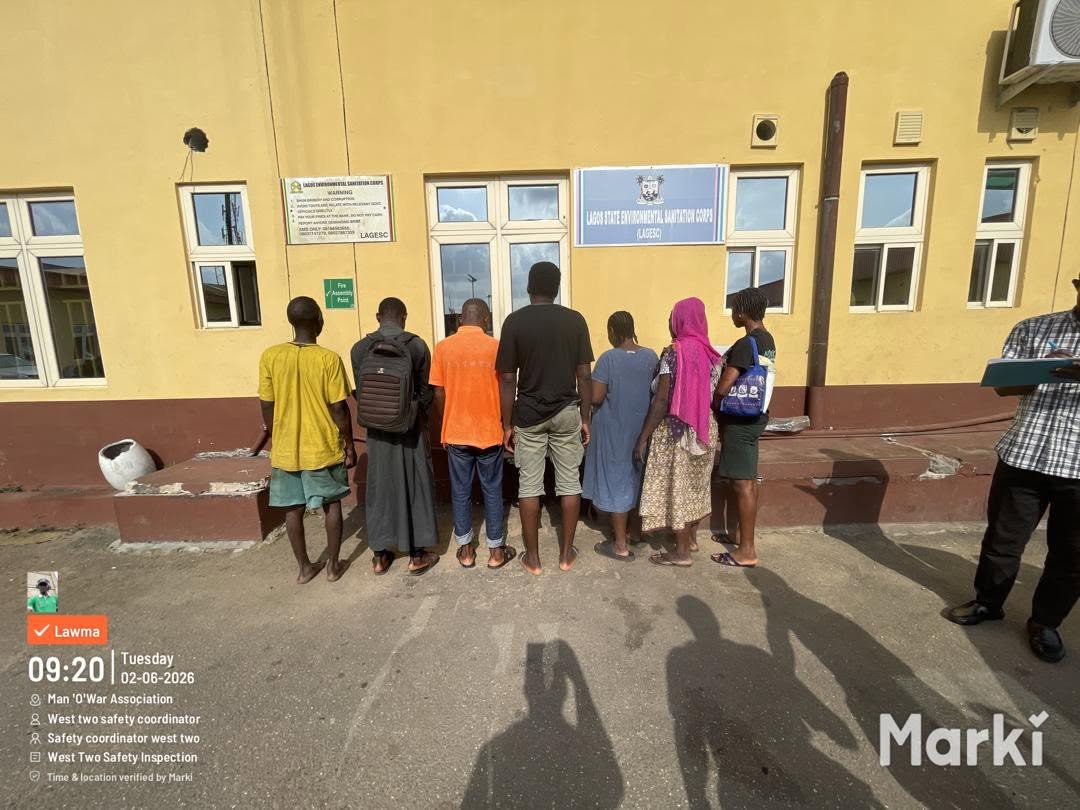
    LAGOS, Nigeria (NPA) — The Lagos Waste Management Authority (LAWMA) has arrested seven individuals in the Ipaja‑Ayobo axis for illegally dumping refuse on road medians, as part of its intensified enforcement drive against indiscriminate waste disposal.

    Speaking on the arrests, Dr Muyiwa Gbadegesin, Managing Director/CEO of LAWMA, said the exercise was aimed at curbing environmental violations, safeguarding public infrastructure, and maintaining sanitation across Lagos communities. The enforcement covered major locations, including Meiran, Command, Ayobo‑Ipaja, Moshalashi Bus Stop, Egbeda, Isheri Roundabout, Igando, Abaranje, and Ikotun, where offenders were intercepted.

    Dr Gbadegesin stressed that road medians are public assets designed for traffic management and beautification, not waste disposal points. “The illegal dumping of waste on road medians is unacceptable and undermines the government’s efforts to maintain a clean, safe, and sustainable environment,” he said, adding that LAWMA will continue to intensify monitoring and enforcement operations across the State.

    The seven suspects — three females and four males — were apprehended while disposing of waste at different locations and transferred to the Lagos State Environmental Sanitation Task Force Office in Oshodi for prosecution under applicable laws.

    LAWMA urged residents and businesses to patronise only approved PSP operators and utilise authorised disposal channels, stressing that environmental sustainability requires collective responsibility. The Authority reaffirmed its zero‑tolerance stance on environmental infractions, pledging to deploy intelligence‑driven monitoring and enforcement strategies to promote cleaner, healthier, and more sustainable communities across Lagos.

  • WMO Regional Director visits NiMet, strengthens meteorological cooperation

    WMO Regional Director visits NiMet, strengthens meteorological cooperation

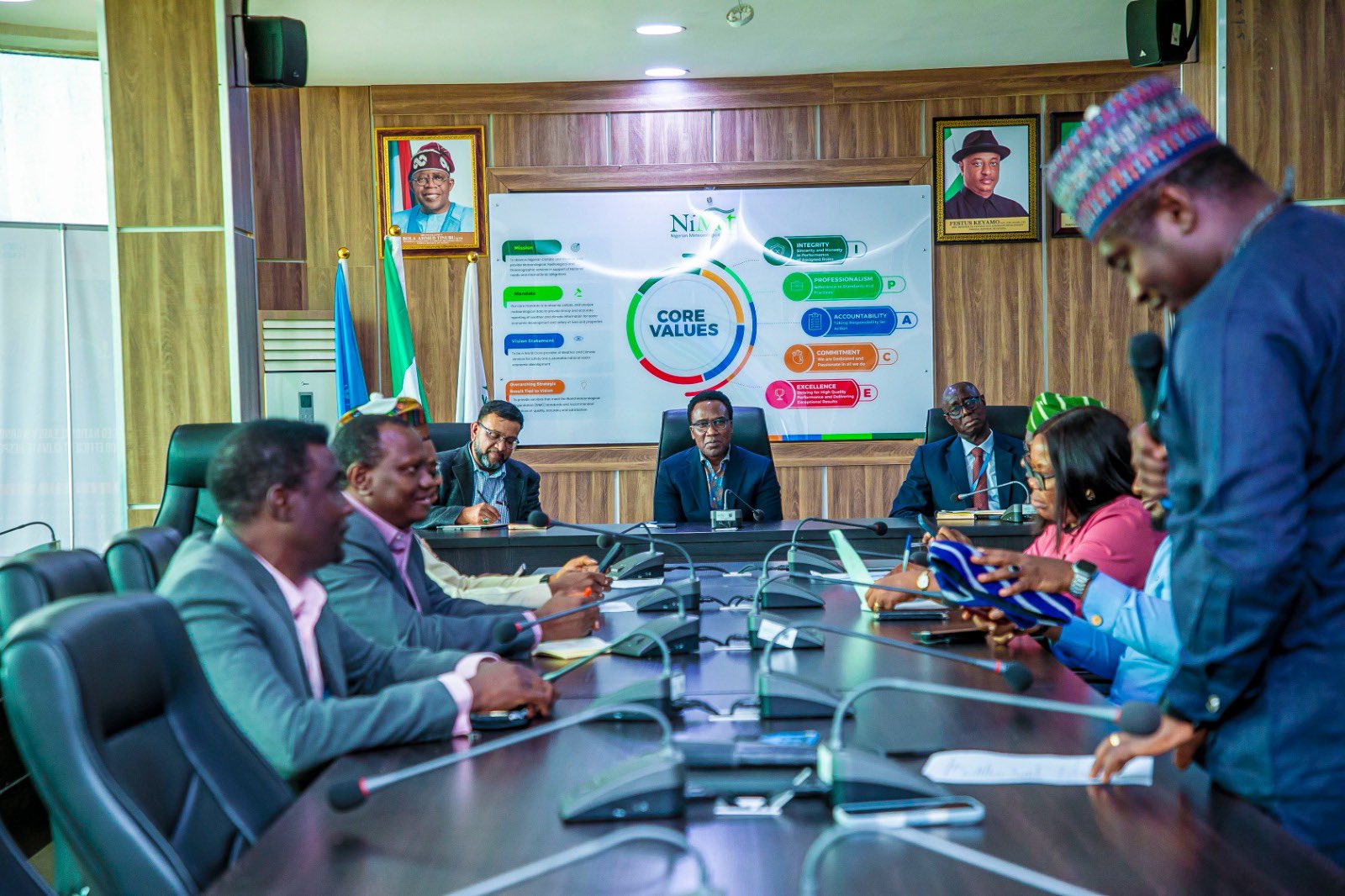
    ABUJA, Nigeria (NPA) — The Director of the Regional Coordination Office of the World Meteorological Organisation (WMO), Mr Ishaam Abader, has visited the headquarters of the Nigerian Meteorological Agency (NiMet) in Abuja as part of efforts to strengthen regional collaboration and institutional capacity development in Africa.

    The strategic visit focused on enhancing cooperation between the WMO and NiMet, while also reviewing ongoing initiatives aimed at improving weather, climate and hydrological services across the region.

    Welcoming the delegation, the Director-General and Chief Executive Officer of NiMet, Professor Charles Anosike, presented an overview of the agency’s strategic priorities, institutional reforms and regional engagements under the WMO framework.

    Anosike, who also serves as Nigeria’s Permanent Representative to the WMO, highlighted NiMet’s growing contributions to aviation safety, food security, disaster risk reduction, climate resilience, public health and national security through timely weather and climate information services.

    He disclosed that the agency recently launched its 2026–2030 Strategic Plan designed to reposition NiMet for improved service delivery, innovation, operational efficiency and stronger regional leadership in meteorological services.

    According to him, NiMet is actively participating in several regional programmes under the WMO, including the Voluntary Cooperation Programme (VCP), Technical Assistance initiatives, the Early Warnings for All Initiative and Peer Advisory Services under the Systematic Observations Financing Facility (SOFF).

    The NiMet boss explained that the SOFF-related projects are currently being implemented in Liberia, Somalia, Niger and Burkina Faso.

    Speaking on technological advancement within the meteorological sector, Anosike said NiMet was leading initiatives on the integration of Artificial Intelligence (AI) into operational forecasting systems to support more accurate and impact-based weather predictions.

    He also noted that the agency’s Regional Training Centre in Lagos had been upgraded to provide both physical and remote learning opportunities for meteorological training and capacity development.

    In his remarks, Abader commended the Federal Government of Nigeria for supporting the WMO Regional Office for North, Central, and West Africa, hosted in Abuja.

    He also praised NiMet for its contributions to meteorological development both in Nigeria and across the African continent.

    The WMO official stressed the importance of regional training and knowledge sharing, describing them as cost-effective and operationally efficient tools for strengthening meteorological services in Africa.

    Abader further reaffirmed the commitment of the WMO to supporting regional partnerships, institutional cooperation and capacity development initiatives.

    He assured NiMet of the organisation’s continued support in advancing meteorological innovation, technical collaboration and regional service delivery.

  • Extreme heat threatens global agrifood systems, FAO-WMO Warn

    Extreme heat threatens global agrifood systems, FAO-WMO Warn

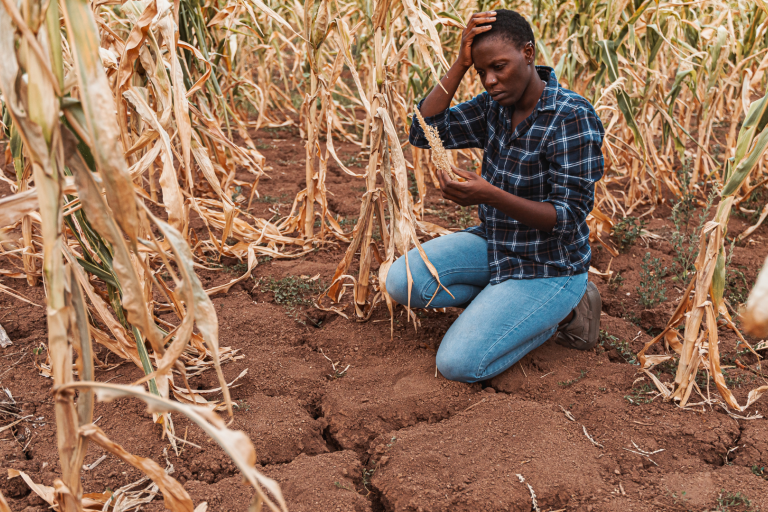
    INTERNATIONAL (NPA) — Extreme heat events are pushing agrifood systems to the brink, threatening the livelihoods, health, and productivity of more than a billion people, according to a new joint report released by the Food and Agriculture Organization of the United Nations (FAO) and the World Meteorological Organization (WMO).

    The report, Extreme Heat and Agriculture, launched on Earth Day, warns that rising temperatures are exerting mounting pressure on crops, livestock, fisheries, forests, and the communities that depend on them. FAO Director-General QU Dongyu described extreme heat as a “major risk multiplier,” stressing its compounding effects on agrifood systems. WMO Secretary-General Celeste Saulo added that extreme heat is no longer an isolated climatic hazard but a defining condition for agriculture, noting that early warnings and climate services are vital to adaptation.

    The report outlines how extreme heat affects plants, animals, fish, and humans. For livestock, stress begins at temperatures above 25°C, with chickens and pigs particularly vulnerable. Fish are also at risk, suffering cardiac failure in overheated waters with reduced oxygen levels.

    WMO’s State of the Global Climate 2025 found that more than 90 percent of the global ocean experienced at least one marine heatwave last year. For crops, yield declines typically begin above 30°C, with sensitive crops such as potatoes and barley affected at even lower thresholds. Heat waves also correlate strongly with wildfires, extending fire seasons and intensifying their impacts.

    Human labour is equally endangered. Agricultural workers face rising health risks and productivity losses, with the report warning that in regions such as South Asia, tropical Sub-Saharan Africa, and parts of Central and South America, the number of days too hot to work could rise to 250 annually.

    The danger of extreme heat lies not only in direct impacts but also in its role as a risk multiplier, exacerbating water stress, triggering flash droughts, fueling wildfires, and fostering the spread of pests and diseases.

    To counter these threats, the FAO-WMO report calls for innovation and adaptive measures. Recommendations include selective breeding of heat-resistant livestock, crop choices adjusted to new climate realities, shifting planting windows, and altering management practices to shield crops and agricultural activities.

    Early warning systems are emphasised as critical tools to help farmers prepare for extreme heat, while access to financial services such as cash transfers, insurance, and social protection schemes is highlighted as essential to recovery.

    The report urges governments and international institutions to strengthen resilience at both farm and systemic levels. It calls for collective political will to share risks and transition decisively away from high-emission futures. “Protecting the future of agriculture and ensuring global food security will require not only building on-farm resilience but also exercising international solidarity and collective political will for risk sharing, and a decisive transition away from a high-emissions future,” the report concludes.

    Released on Earth Day, the findings establishes the interconnectedness of climate change, food security, and ecosystem health. With extreme heat already reshaping the conditions under which agriculture operates, FAO and WMO stress that adaptation is not optional but essential to sustaining food production and protecting vulnerable populations.

  • LASEPA unveils essay competition with ₦2m top prize for Lagos undergraduates

    LASEPA unveils essay competition with ₦2m top prize for Lagos undergraduates

    LAGOS, Nigeria (NPA) — The Lagos State Environmental Protection Agency (LASEPA) has announced a statewide essay competition for tertiary institution students as part of activities marking the Inter-Tertiary Institutions Environmental Summit 2.0 scheduled for June 2026.

    According to the competition’s campaign poster cited by our correspondence, the competition, organised under the auspices of the Lagos State Government, is themed: “Combatting Transboundary Pollution in Lagos State: A City Level Intervention or National Effort?”

    LASEPA said the initiative is aimed at engaging young scholars in addressing environmental challenges facing Lagos, particularly issues arising from transboundary pollution and the need for coordinated responses.

    The agency said the competition is open to undergraduate students enrolled in both public and private tertiary institutions across the state.

    Participants are required to submit original essays written in English, with a minimum of 1,000 words and a maximum of 1,500 words, formatted in Times New Roman, size 12, and double-spaced.

    In addition to the essay, entrants are expected to include a one-page profile highlighting their experience or interest in the environmental sector.

    Submissions are to be made through an online registration portal, with the deadline set for May 8, 2026.

    LASEPA disclosed that the top 10 shortlisted entries will advance to an open debate competition to be held during the grand finale of the summit.

    Winners of the competition will receive cash prizes, with ₦2 million awarded for first place, ₦1 million for second place, and ₦500,000 for third place, alongside consolation prizes for other finalists.

    The grand finale is scheduled to take place on June 9, 2026, at the Adeyemi Bero Auditorium in Alausa, Ikeja.

    The agency noted that the competition underscores the government’s commitment to fostering environmental awareness, innovation, and youth participation in policy discourse aimed at achieving sustainable development in Lagos State.

  • Lagos recycled over 405 tonnes of e-waste in 2025—LAWMA

    Lagos recycled over 405 tonnes of e-waste in 2025—LAWMA

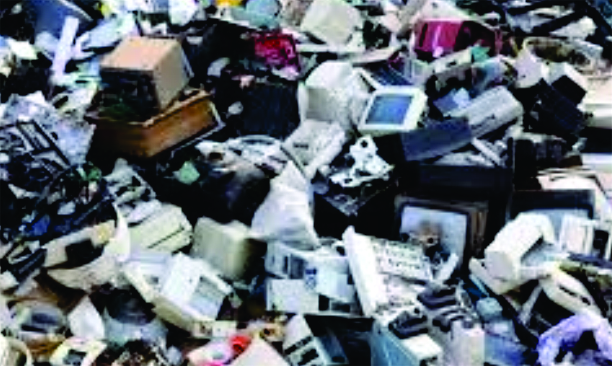
    LAGOS, Nigeria — 14 April 2026 (Agency Report) — The Lagos Waste Management Authority (LAWMA) recycled 405.17 tonnes of electronic waste in Lagos State in 2025, marking a steady rise in formal recycling efforts.

    LAWMA’s Managing Director, Dr Muyiwa Gbadegesin, disclosed the figures in an exclusive interview with the News Agency of Nigeria (NAN). He noted that the 2025 figure surpassed the 355.15 tonnes recycled in 2024 and the 305.63 tonnes collected in 2023.

    Electronic waste (e-waste) refers to discarded, broken, or obsolete electrical and electronic devices, ranging from laptops, mobile phones, and batteries to household appliances such as refrigerators and televisions. Often classified as hazardous due to toxic components like lead and mercury, e-waste requires specialised recycling and is considered one of the fastest-growing waste streams globally.

    Gbadegesin explained that the Lagos State Government has intensified advocacy and established structures to promote safe e-waste management. “The government recognised the importance of managing e-waste and set up an e-Waste Unit to coordinate its management in the state,” he said. According to him, e-waste management is currently handled through 17 certified recycling companies and approved collection centres. LAWMA directs collected e-waste to these facilities to ensure safe handling and disposal. He added that the e-waste unit regulates the sector by formalising informal operators, enforcing compliance, and raising awareness about the hazardous nature of e-waste.

    Environmentalists and other agencies emphasised the urgent need for stronger measures. Dr Leslie Adogame, Executive Director of Sustainable Research and Action for Environmental Development (SRADeV), described e-waste as highly hazardous, containing toxic substances such as arsenic that pose serious health risks, especially to children and women. He stressed that awareness remains low and largely confined to stakeholders within the sector. “E-waste begins at the household level, so awareness must start from homes, not just within the informal recycling sector,” Adogame said. He highlighted weak collection systems, inadequate infrastructure, poor segregation of waste, and underfunding as major challenges. He also called for strengthening the Extended Producer Responsibility framework nationwide.

    Mrs Adedayo Adebayo, Director of e-waste at the Lagos State Environmental Protection Agency (LASEPA), said awareness creation at the point of collection is critical. She noted that the state has about 30 registered collectors and a few recyclers integrated into a structured value chain. LASEPA, she explained, monitors corporate organisations, assesses their waste streams, and directs them to certified collectors. The agency also prohibits indiscriminate disposal, conducts environmental monitoring, and collaborates with ministries to organise informal operators into cooperatives. “Open burning of waste is banned due to the hazardous substances released into the environment,” Adebayo stressed.

    Mr Philip Jakpor, Executive Director of Renevlyn Development Initiative, said awareness of proper e-waste disposal remains insufficient. Many residents, he noted, still store obsolete electronics at home or burn them, exposing themselves to toxic pollution. He identified poverty as a key driver, with many people relying on second-hand electronics without understanding the health risks. Jakpor urged the government to intensify sensitisation campaigns and establish designated disposal sites.Mr Friday Oku, President of the Association of Scrap and Wastepickers of Lagos, said e-waste handling still relies heavily on informal activities with limited formal support. He warned that unsafe methods, such as burning and dismantling to extract valuable materials, cause environmental damage. Oku urged authorities to formalise, train, and equip waste pickers with protective gear and safe recycling tools. He also recommended establishing collection hubs in major markets and enforcing Extended Producer Responsibility more strictly.

  • LAWMA intensifies waste operations ahead of easter, urges proper disposal to prevent flooding

    LAWMA intensifies waste operations ahead of easter, urges proper disposal to prevent flooding

    LAGOS, NIGERIA, 3 April 2026 (NPA) — The Lagos Waste Management Authority (LAWMA) has stepped up operations across the state ahead of the Easter celebrations, urging residents to adopt responsible waste disposal practices to sustain environmental cleanliness and avert flooding.

    In a statement issued by Mukaila Sanusi, Director of Public Affairs, LAWMA, the agency’s Managing Director/CEO, Dr. Muyiwa Gbadegesin, said waste evacuation arrangements had been reinforced with additional monitoring and operational support to ensure prompt service delivery during the festive period.

    He noted that festive seasons typically generate higher volumes of waste, stressing the need for both service providers and residents to play their roles in maintaining a clean environment. Gbadegesin encouraged households to embrace simple waste reduction habits such as avoiding unnecessary purchases, reusing materials, and separating recyclables from general waste.

    LAWMA has deployed personnel and equipment to critical locations including markets, motor parks, and busy commercial areas to ensure effective waste collection. The Authority is also working closely with licensed Private Sector Participant (PSP) operators to sustain regular domestic waste evacuation and swiftly address service gaps.

    Gbadegesin warned against indiscriminate dumping of refuse in drainage channels, road medians, and open spaces, noting that such practices obstruct stormwater flow and heighten flood risks as the rainy season approaches.

    He emphasized that environmental cleanliness is a shared responsibility requiring cooperation between government, service providers, and residents. He reassured Lagosians of LAWMA’s continued commitment to improving service delivery through operational efficiency, infrastructure upgrades, and sustained public enlightenment.

    Residents are encouraged to report waste management issues via LAWMA’s customer care line 07080601020 or through its social media platforms for prompt attention.

  • Nigerian Navy destroys illegal oil storage site in Rivers State

    Nigerian Navy destroys illegal oil storage site in Rivers State

    ABUJA, NIGERIA — (NPA) March 15 — The Nigerian Navy says its Operation Delta Sentinel has destroyed an illegal crude oil storage site in the Niger Delta, as part of intensified efforts to curb oil theft and bunkering.

    In a statement issued Saturday, the Navy confirmed that personnel from Forward Operating Base (FOB) Bonny uncovered concealed dugout pits hidden beneath dense vegetation in the Opotumbi area of Rivers State. Using maritime surveillance technology, the operation discovered four pits containing an estimated 17,500 litres of suspected stolen crude oil. The products were destroyed in line with operational guidelines.

    The Navy described the action as evidence of renewed momentum in tackling crude oil theft and maritime crimes, highlighting continuous patrols, enhanced surveillance, and inter-agency collaboration to safeguard national assets and Nigeria’s economic interests.

    Illegal oil bunkering remains pervasive in the Niger Delta, costing Nigeria billions of dollars annually in lost revenue. Beyond the economic damage, the practice has severe environmental consequences, including oil spills, soot pollution, and the destruction of farmlands and waterways. Communities face chronic air and water contamination, declining fish stocks, and rising health risks, while cleanup costs run into hundreds of millions of dollars. Despite repeated crackdowns, the trade persists, driven by its profitability and limited economic alternatives in the region.

  • Sanwo-Olu flags off return of monthly sanitation exercise in Q2 2026

    Sanwo-Olu flags off return of monthly sanitation exercise in Q2 2026

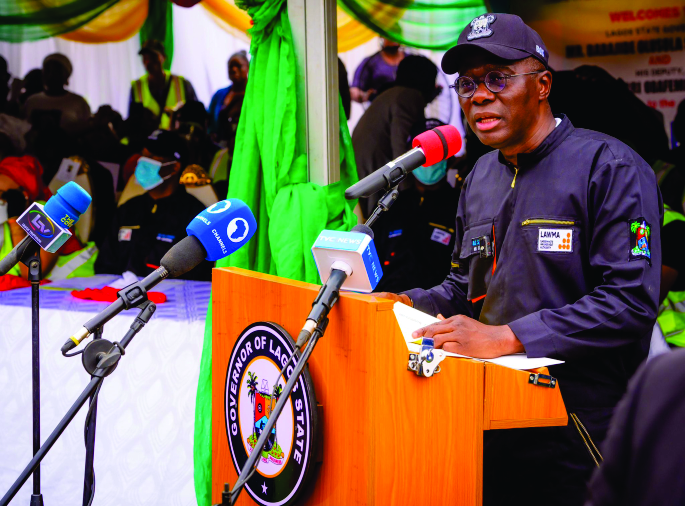
    LAGOS, NIGERIA — (NPA) MARCH 14 — Lagos State Governor Babajide Sanwo-Olu on Saturday joined officials of the Ministry of Environment at the Mushin–Agege Motor Road axis to flag off the return of the monthly environmental sanitation exercise.

    The governor announced that the exercise will officially resume on Saturday, April 25, 2026, and will thereafter be held on the last Saturday of every month between 6:30 a.m. and 8:30 a.m. “This morning, I was at Mushin–Agege Motor Road with the Lagos State Ministry of Environment to flag off the return of our monthly environmental sanitation exercise,” Sanwo-Olu said. “I’m glad to share that the exercise will resume on Saturday, 25 April 2026, and will now hold on the last Saturday of every month from 6:30 a.m. to 8:30 a.m.”

    He encouraged Lagosians to take the two hours seriously by cleaning their surroundings, clearing drains, and disposing of waste properly. “The Lagos we all want will not appear overnight. It will come from the small actions we take together, street by street, from LGA to LGA,” he added.

    The governor reiterated his administration’s commitment to a cleaner, healthier Lagos, stressing that the measures will be enforced to improve the environment for all residents.

    The decision follows growing calls from residents for the reintroduction of the monthly sanitation exercise amid worsening waste management challenges. Critics on social media have repeatedly urged the government to act, citing deteriorating cleanliness across the city.

    Lagos continues to grapple with domestic waste littering major roads and streets, worsened by unregulated disposal practices and illegal dump sites. Authorities say the renewed sanitation exercise is part of broader efforts to restore discipline in waste management and safeguard public health.

  • NEMA warns Nigerians on fire risks amid heatwave, encourages residents to monitor weather forecasts

    NEMA warns Nigerians on fire risks amid heatwave, encourages residents to monitor weather forecasts

    ABUJA, NIGERIA — (NPA) MARCH 14 — The National Emergency Management Agency (NEMA) has cautioned Nigerians about heightened risks of fire disasters and heat-related health challenges following the recent surge in daily temperatures across parts of the country.

    In a statement signed by Manzo Ezekiel on March 14, quoting Director-General Mrs Zubaida Umar, the agency warned of persistent heat conditions during this period and urged citizens to exercise caution in handling materials and appliances that could easily ignite under extreme heat.

    Umar advised households, businesses, and public institutions to ensure the safe use of electrical appliances, gas cylinders, and other combustible items, stressing that excessive heat increases their vulnerability to ignition. She further emphasised proper storage of flammable substances, avoidance of bush burning, and maintenance of electrical connections to reduce fire risks.

    Beyond fire safety, NEMA urged citizens to guard against heat-related health issues by staying hydrated, limiting direct sun exposure, and paying special attention to vulnerable groups such as children, the elderly, and those with underlying health conditions. The agency also encouraged residents to monitor weather forecasts and safety advisories from NiMet and other emergency bodies, and to promptly report any fire outbreak or emergency.

    Mrs Umar reaffirmed NEMA’s commitment to continuous public awareness and proactive disaster risk reduction, in line with the Federal Government’s efforts to safeguard lives, property, and the environment.