

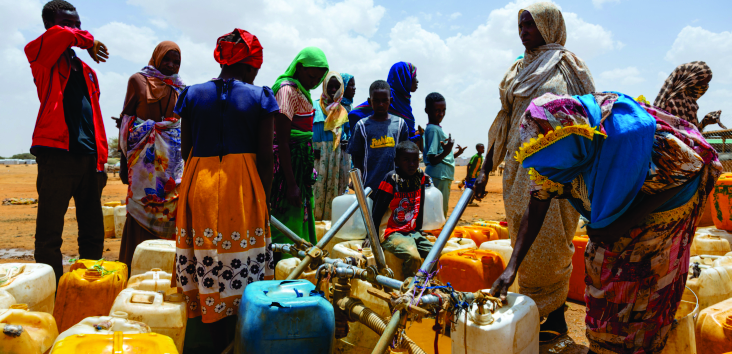
INTERNATIONAL, 13 April 2026 (NPA) — Amnesty International has called on high‑income countries to use the upcoming International Ministerial Conference on Sudan in Berlin on 15 April to commit increased funding and ensure unhindered humanitarian access, as Sudan’s conflict enters its third year.
The organization warned that declining aid has worsened the crisis, leaving more than 33 million people in need of assistance. The war between the Rapid Support Forces (RSF) and the Sudanese Armed Forces (SAF) has devastated health services, disrupted livelihoods, and forced over 4.5 million people to flee to neighboring countries. Amnesty said cuts to foreign aid are undermining efforts to tackle malnutrition, cholera, trauma, and sexual violence.
Tigere Chagutah, Amnesty’s Regional Director for East and Southern Africa, stressed that “behind these numbers are real lives, real people who have lost their homes, loved ones and livelihoods, who are fighting to survive the war and the disease and hunger it brings.” He urged donors to move beyond rhetoric and provide concrete support to frontline NGOs delivering lifesaving services.
Amnesty’s findings show that NGOs in Sudan face severe shortages of medicines, therapeutic food, and basic supplies. One international NGO reported being able to meet only half of the needs of malnourished children due to limited stocks of ready‑to‑use therapeutic food. CARE International estimates that up to 80% of community kitchens have closed, worsening hunger.
Women and children are disproportionately affected. Grassroots groups providing post‑rape care and reproductive health services have been left without funding, leaving survivors of sexual violence abandoned. Amnesty also documented the struggles of displaced persons with disabilities, including children unable to access schools or medical care in camps in Chad.
The organization emphasized that donor commitments must translate into sustained funding and diplomatic pressure to protect civilians, health workers, and aid providers. It urged high‑income countries to honor their pledge to allocate at least 0.7% of Gross National Income to overseas aid and consider debt relief measures to enable Sudan to invest in essential public services.
“Sudan, like other highly aid‑dependent countries in protracted conflicts, needs the international community to act,” Amnesty concluded.

