

Sharing meal, sharing love: Eritrea’s enduring culture of unity
ASMARA, Eritrea, 11 April 2026 (NPA) — Eating together in a group is an ancient human cultural tradition, found across different times and places. Archaeologists trace this practice back nearly 800,000 years and highlight food sharing as a fundamental chapter in human evolution. From a bio‑archaeological perspective, sharing a common meal is a ritual that connects the human being as a biological organism to a social person.
In Eritrea, sharing a communal plate has been a well‑celebrated cultural practice for generations. It creates memorable moments when those gathered can share love and respect for one another, exchange valuable information, address urgent family or community matters informally, and strengthen their relationships. Across all Eritrean ethnic groups, the meaning of eating together goes far beyond a significant cultural tradition — it is a determining practice for survival and thriving.
Among the Tigrinya ethnic group, this practice is called Meadi. Family members sit around a plate facing each other, ready to taste the food and engage in conversation. After a mother or another female member prepares everything, everyone waits for a blessing from the father or an elder. Following the blessing, the father gives each member a sizable piece of injera, passing it from his right side. This marks the beginning of the eating process in a well‑disciplined manner. Until everyone confirms they are satisfied, no one is allowed to leave the Meadi except in urgent situations or with the elder’s permission. It is a cultural taboo to leave the Meadi without consent, as that would show disrespect to all family members and to the blessing. Consequently, family members learn to sit together until everyone declares they are satisfied.

All Eritrean ethnic groups share this sacred culture, with only slight differences in name. In the Saho ethnic group, eating together is known as Maddi; in Bilen — Meddira or Gbar; in Kunama — Gonta or Nada Gonta; in Nara — Gaan; in Bidawyet — Tooda; in Tigre — Metaagal; in Tigrinya — Meadi; in Afar — Galadda; and in Arabic — Maida.
Usually, people sit in a circle to share the available meal. The number of people sharing a plate depends on the situation, sometimes reaching as many as eight during special occasions such as wedding ceremonies.
All Eritrean ethnic groups together share this rich culture, connecting through common values and norms that form the national identity. Such a valuable culture carries centuries‑old stories from generation to generation, helping to ensure community progress. In contemporary times, despite many preferring to eat on individual plates, this culture endures across all national groups.
In Eritrea, this culture is also practised during serious community matters such as divorce or restitution. After discussions, guests sit to eat together, narrowing their differences to seal the agreement and normalise the situation.
When a new person arrives during the meal, everyone invites them to share. N’Qedembel or Tefedel are popular terms often used to welcome anyone to join the prepared meal. This gesture reflects Eritrean hospitality and marks unity in diversity.
Even during the Eritrean armed struggle, freedom fighters shared their food. Regardless of the ratio, fighters were served in their small, intimate units. Beyond mere provisions, the shared meal was a symbol of unity and resilience. As a sacred culture respected by all Eritrean diversities, eating together inspired freedom fighters to foster a unified national identity. Today, when Eritrean veterans gather for communal meals, they remember the struggles and sacrifices made for national liberation.
Research shows that eating in a group provides ample social, psychological, and physical rewards. Among the social and emotional benefits, a shared meal increases a group’s social bond, trust, and sense of safety. Through this practice, people feel comfortable and connected, which is essential for their emotional well‑being. It helps members combat loneliness by giving them a deep sense of community and belonging. It also allows groups to spend consistent time in conversation, helping them build strong bonds with family, friends, or colleagues. People who share mealtimes have lower stress levels and better communication.
Physical and nutritional benefits include mindful eating, lower health risks, and better weight management. Because group meals encourage slower eating, they improve digestion and prevent overeating by giving the brain time to register fullness. This, in turn, lowers the risk of cardiovascular disease by reducing stress and improving nutritional intake. It also reduces the risk of developing eating disorders in adolescents.
Most notably, children and teens benefit greatly from this culture. By regularly hearing and sharing information and stories, they enrich their vocabulary, enhance their communication skills, internalise their culture, and achieve better academic performance. In addition, this practice helps deter children from high‑risk behaviours such as depression. Families who raise their children with this culture often develop healthy communication, deep connections, and strong relationships among family members. A mother’s love and a father’s blessing reward children with remarkable life memories. Through these experiences, children discover their social position and shape their future lives.
In today’s world, where busy schedules and digital lifestyles encourage solo dining, the shared meal remains highly valuable because it provides mental well‑being, trust building, and emotional support.
In conclusion, Eritrea is an icon of unity in diversity, where all national groups share common and complementary norms and values that together build the national identity. Eating in a group is an equally shared and deeply respected cultural heritage across all diversities, through which young generations embrace their future destiny — ensuring its preservation safeguards Eritrean national norms and values against the global cultural wave that erodes social fabrics. Therefore, let us all share a meal — to share a bright future.
Written by Kidane Shimendi

Ghana, UK review bilateral ties ahead of Mahama’s official visit
Nigeria, Ethiopia deepen cooperation on trade and investment

World Bank upgrades Africa growth outlook, says AI could boost jobs and productivity
Uganda vaccinates more than 8.2 million children in Measles-Rubella Campaign

NCDC heightens vigilance after imported Ebola case confirmed in Kenya
Eswatini says three third-country nationals voluntarily return home
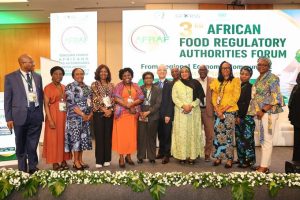
NAFDAC DG advocates stronger continental cooperation on food safety
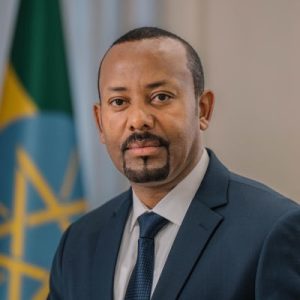
AU Commission Chairperson congratulates Abiy Ahmed on re-election
- Tinubu commissions NRS Headquarters, says new tax reforms will drive prosperity
- Tinubu assures investors of regulatory stability as Ogun, DP World sign $7bn port, SEZ MoUs
- Climate change anxiety is rising — and so is the willingness to act on it
- Ohaukwu LG Chairman Ituma breaks ground for modern diagnostic centre, blood bank
- Baseball boosts TBS, NFL gives ESPN a kick and streamers love ‘Squid’
Community Discussion