

WHO marks World Health Day 2026 with call to ‘Stand with Science’
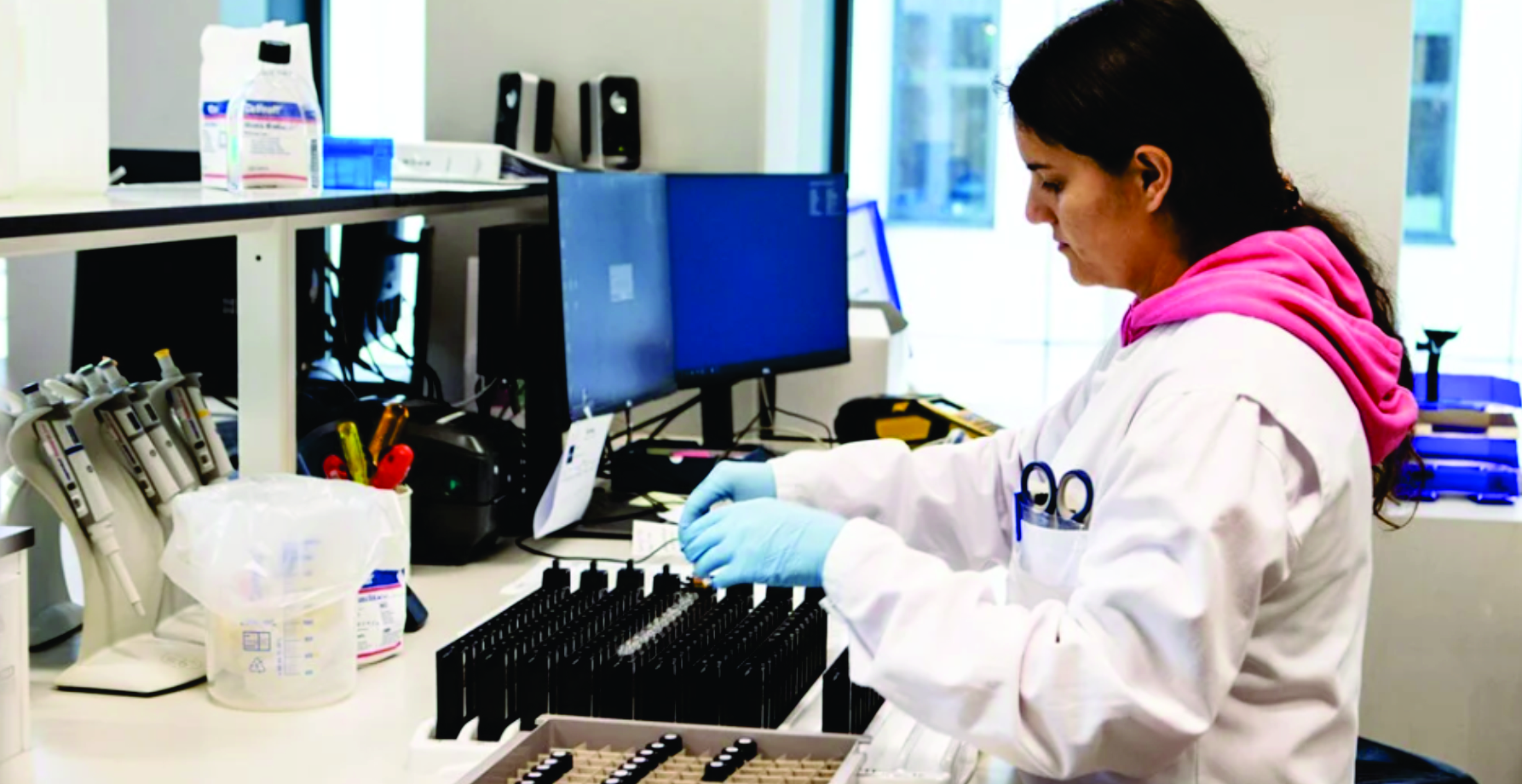
INTERNATIONAL, April 6, 2026 (NPA) — The World Health Organization (WHO) has urged governments, institutions, and individuals worldwide to recommit to science and collaboration as the foundation for stronger health systems, launching its year‑long campaign under the theme: “Together for health. Stand with science.”
The campaign coincides with World Health Day 2026 and the anniversary of WHO’s founding on April 7, 1948. WHO highlighted how scientific progress and international cooperation have transformed human health over the past century, citing a 40 percent reduction in maternal mortality since 2000 and a more than 50 percent drop in deaths among children under five.
“Science is one of humanity’s most powerful tools for protecting and improving health,” said WHO Director‑General Tedros Adhanom Ghebreyesus. “Vaccines, penicillin, germ theory, MRI machines and the mapping of the human genome are just some of the achievements that science has delivered that have saved lives and transformed health for billions of people.”

WHO emphasized that scientific breakthroughs are most effective when widely adopted. Advances such as modern anesthesia, global immunization campaigns, and early screening technologies have democratized access to lifesaving care, even in resource‑limited settings. For example, immunization efforts over the past 50 years have saved more than 154 million children, with the measles vaccine alone preventing over 90 million deaths.
The organization also pointed to its role in coordinating global responses to health crises, including the rapid identification of the SARS virus in 2003 and the promotion of alcohol‑based hand rubs in 2009, which became critical during the COVID‑19 pandemic. WHO continues to set global standards on air quality and drinking water safety to protect communities from respiratory diseases and cholera.
In line with this year’s theme, WHO and the G7 Presidency of France will convene a One Health Summit in Lyon from April 5–7, bringing together heads of state, scientists, and community leaders. WHO will also host the Global Forum of its Collaborating Centres from April 7–9, with representatives from over 800 institutions in more than 80 countries.
“Science transforms uncertainty into understanding and reveals the pathways to protect and heal our communities,” said WHO Chief Scientist Dr. Sylvie Briand. “Today, we must stand together with science so that our collaboration is sustained, supported and enhanced for the better health of generations to come.”

Ohaukwu LG Chairman Ituma breaks ground for modern diagnostic centre, blood bank
Lagos Government urges residents to prioritise mental health, check on others
Ohaukwu LG Chairman applauds Nwifuru over free health screening, surgery
Uganda vaccinates more than 8.2 million children in Measles-Rubella Campaign
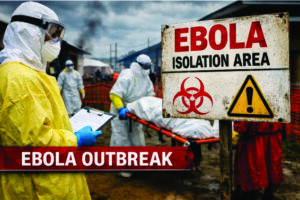
NCDC heightens vigilance after imported Ebola case confirmed in Kenya

NAFDAC DG advocates stronger continental cooperation on food safety
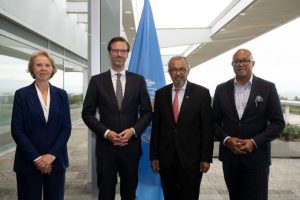
WHO, Netherlands strengthen partnership on Ebola, global health security and emergency response
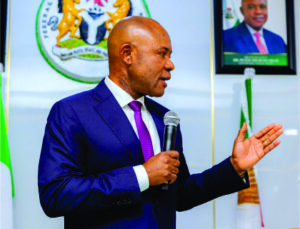
ESUTH gets N500m surgical upgrade as Mbah pushes for top-tier medical excellence
- Tinubu commissions NRS Headquarters, says new tax reforms will drive prosperity
- Tinubu assures investors of regulatory stability as Ogun, DP World sign $7bn port, SEZ MoUs
- Climate change anxiety is rising — and so is the willingness to act on it
- Ohaukwu LG Chairman Ituma breaks ground for modern diagnostic centre, blood bank
- Baseball boosts TBS, NFL gives ESPN a kick and streamers love ‘Squid’
Community Discussion