

BREAKING: UN declares transatlantic slave trade the gravest crime against humanity

UNITED NATIONS (NPA) — March 25, 2026—The United Nations General Assembly today passed a historic resolution declaring the trafficking of enslaved Africans and the transatlantic slave trade as the gravest crime against humanity. The resolution, published by the UN Media Liaison Unit (MALU), was sponsored by more than 50 countries and underscores the enduring impact of slavery and colonialism on Africans and people of African descent worldwide.
The resolution reaffirms the principles of the UN Charter, the Universal Declaration of Human Rights, and international covenants prohibiting slavery. It recalls historic milestones, including the Durban Declaration, the International Decade for People of African Descent, and the Ark of Return memorial at UN Headquarters, while stressing that slavery’s legacies persist in structural racism, inequality, and underdevelopment.
Delegates emphasized that the transatlantic slave trade represented “a profound rupture in human history,” involving the forced capture, commodification, and transportation of millions of Africans over four centuries. The resolution highlights the exceptional brutality and systemic nature of racialized chattel enslavement, noting its codification in laws such as the Barbados Slave Code and the French Code Noir, which legally defined Africans as property.

The Assembly condemned slavery as “the most inhumane and enduring injustice against humanity” and declared that crimes related to the trafficking of enslaved Africans are violations of jus cogens norms, not subject to statutory limitations. It affirmed that grave crimes generate continuing obligations until addressed through truth, justice, and reparations.
The resolution calls on Member States to engage in inclusive dialogue on reparatory justice, including formal apologies, restitution, compensation, rehabilitation, and guarantees of non-repetition. It urges the restitution of cultural properties and artifacts taken during slavery and colonialism, and encourages international cooperation to promote cultural rights for present and future generations.
The Assembly also requested the UN Secretary-General to strengthen coordination on remembrance, education, and research related to slavery and its legacies, and to report back at the 82nd session on progress made. Regional organizations such as the African Union and Caribbean Community were invited to collaborate on frameworks for reparatory justice and reconciliation.
By passing this resolution today, the General Assembly reaffirmed its collective commitment to historical justice, healing, and sustainable peace. It stressed that addressing the legacies of slavery is essential to combating systemic racism and ensuring dignity and equality for Africans and people of African descent across the globe.

LASTMA urges Lagos drivers to prioritise children’s safety as schools reopen

Mbah honoured with honorary Doctor of Laws by UEL as Otti celebrates Enugu governor
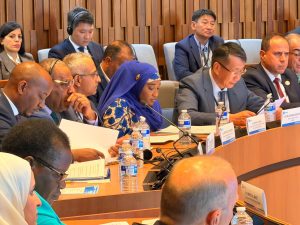
Nigeria’s Education Minister of State joins UNESCO roundtable on AI in education

BREAKING: FG automates academic certificate verification, eliminates physical visits to Education Ministry

JUST IN: NYSC announces physical verification for foreign-trained graduates for 2026 Batch ‘C’ Stream I

JAMB, WAEC introduce ₦4,000 O’Level verification, partner Dangote Foundation
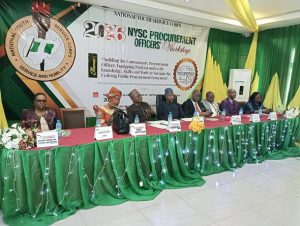
NYSC DG tasks procurement officers on continuous capacity building
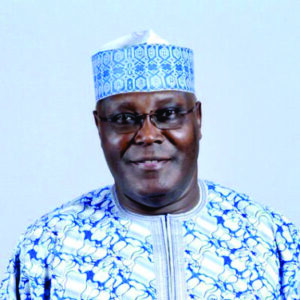
Atiku welcomes suspension of WAEC, NECO fee hike, criticises Tinubu’s policy approach
- Tinubu commissions NRS Headquarters, says new tax reforms will drive prosperity
- Akwa Ibom governor approves appointment letters for 4,000 civil service recruits
- Climate change anxiety is rising — and so is the willingness to act on it
- Golden Globes want to make a comeback this year. Hollywood isn’t buying
- Baseball boosts TBS, NFL gives ESPN a kick and streamers love ‘Squid’
Community Discussion