

Independent panel exposes corruption, violence in Nigerian Correctional Service
ABUJA, NIGERIA (NPA) — March 25, 2026: An Independent Investigative Panel on alleged corruption and other violations within the Nigeria Correctional Service (NCoS) has presented its findings to stakeholders in Abuja.
The panel, established by the Minister of Interior, Dr. Olubunmi Tunji-Ojo, began its presentation on Tuesday at the opening of a two-day stakeholders’ engagement.
Tunji-Ojo commended the panel for its professionalism and diligence in investigating allegations of corruption, abuse of power, torture, cruelty, and inhumane treatment in correctional facilities. He explained that the panel was set up following serious allegations of misconduct after the arrest of Idris Olarenwaju, popularly known as Bobrisky.

The minister noted that the findings revealed systemic challenges requiring urgent reforms, including corruption, operational inefficiencies, poor welfare conditions, human rights concerns, and institutional gaps.
“Officers found culpable will face appropriate disciplinary and legal consequences in line with existing laws and regulations,” he said.
He stressed that the meeting was not a ceremonial exercise but an opportunity for reflection and constructive dialogue.
“Effective collaboration among stakeholders is essential for sustainable reform. Your insights and recommendations will guide the implementation of the panel’s findings,” Tunji-Ojo added.
He emphasized that reforming correctional centres must go beyond sanctions to strengthening institutions, improving standards, enhancing officer training, and aligning facilities with international best practices.
Attorney-General of the Federation and Minister of Justice, Lateef Fagbemi, praised the initiative, describing NCoS as central to criminal justice administration.
“Any shadow of corruption or abuse of power within its walls strikes at the very core of our social contract,” he said.
Fagbemi highlighted the importance of legislative frameworks such as the Nigerian Correctional Service Act 2019 in addressing systemic challenges and ensuring transparency, accountability, and compliance with human rights standards.
NCoS Controller-General, Sylvester Nwakuche, welcomed the panel’s work, stressing that accountability—not condemnation—was the goal.
“The findings, even if difficult, must be confronted. The service is not defined by its failures but by its response to them,” he said.
He added that most officers serve with professionalism and sacrifice, and urged that the misconduct of a few should not overshadow the dedication of the majority.

JUST IN: Commercial bus carrying bottled water crashes on Alaka Bridge in Lagos
ALAKIJA: Lagos warns residents after building collapse kills 9, urges compliance with evacuation notices
BREAKING: One killed in Surulere road crash as LASTMA battles traffic gridlock
Lagos residents cry out as rising noise pollution worsens health
Oyo Police dismiss rumours of curfew, movement restrictions in Ibadan
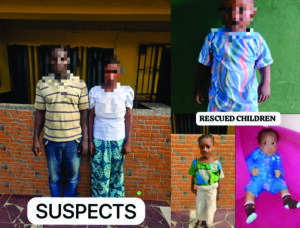
Ogun Police crack child‑stealing syndicate, arrest couple, rescue three children in Mowe
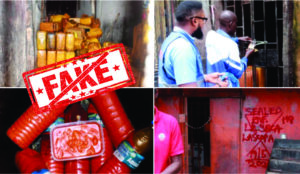
LASCOPA raises alarm over adulterated, harmful palm oil in Lagos markets
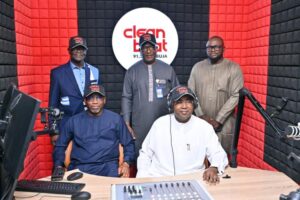
Marwa launches NDLEA Radio Station, warns against drug abuse culture among Nigerian youths
- Tinubu commissions NRS Headquarters, says new tax reforms will drive prosperity
- Nwifuru urges Izhi people to uphold traditional values, respect power-sharing arrangement
- Climate change anxiety is rising — and so is the willingness to act on it
- Golden Globes want to make a comeback this year. Hollywood isn’t buying
- Baseball boosts TBS, NFL gives ESPN a kick and streamers love ‘Squid’
Community Discussion