

Rising debt forces 3.4 billion to spend more on loans than health or education
INTERNATIONAL (NPA) — March 23, 2026 — Calls for a fundamental shift in global economic governance dominated discussions at the Impact Exchange in Geneva, Switzerland, where representatives from nearly 90 Member States, UN agencies, civil society, and experts gathered to advance a “Human Rights Economy.”
The event, organised by UN Human Rights and the Universal Rights Group with support from the Friedrich Naumann Foundation, came amid warnings of rising inequality, surging debt, and austerity measures that could affect 85 per cent of the world’s population. “Austerity could slash investments in social protection, health, education, and the environment,” cautioned Nada Al‑Nashif, UN Deputy High Commissioner for Human Rights.
Speakers stressed that economic growth without access to healthcare, education, clean water, decent work, and a healthy environment risks deepening divides. The Human Rights Economy framework, they argued, prioritises people and the planet in fiscal choices, moving beyond GDP as the sole measure of progress.

Claudia Fuentes Julio, Chile’s Permanent Representative and Vice President of the Human Rights Council, underscored how inequality erodes social cohesion and urged innovative strategies to strengthen democracies. Chile’s reforms include a universal guaranteed pension, free public health services, and gender‑responsive budgeting.
From The Gambia, Cherno Marenah highlighted people‑centred budgeting and the removal of VAT on sanitary products, while Jawad Ali of Pakistan emphasised constitutional commitments to uplift marginalised communities. Spain’s representative, Miryam Naveiras, pointed to progressive taxation and the Sevilla Declaration as a roadmap for debt relief and climate‑sensitive economic planning.
South Africa’s Mxolisi Nkosi called for a fairer global financial architecture, stressing that development is a right, not a privilege. Portugal and Malaysia echoed the need for reforms in taxation, trade, and education, while civil society voices urged the adoption of metrics that reflect well‑being, equality, and sustainability.
Throughout the Exchange, participants agreed that even in tight fiscal times, progress is possible when human rights guide economic choices. OHCHR announced the expansion of its ESCR Knowledge Hub, showcasing promising practices from 2020–2024 to help countries operationalise the Human Rights Economy.
The message was clear: systemic reform rooted in human rights is essential to confront inequality and achieve the 2030 Agenda.

Ghana, UK review bilateral ties ahead of Mahama’s official visit

Nigeria, Ethiopia deepen cooperation on trade and investment

World Bank upgrades Africa growth outlook, says AI could boost jobs and productivity
Uganda vaccinates more than 8.2 million children in Measles-Rubella Campaign

NCDC heightens vigilance after imported Ebola case confirmed in Kenya

Eswatini says three third-country nationals voluntarily return home
NAFDAC DG advocates stronger continental cooperation on food safety
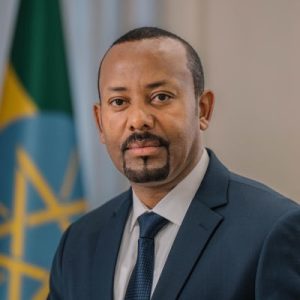
AU Commission Chairperson congratulates Abiy Ahmed on re-election
- Tinubu commissions NRS Headquarters, says new tax reforms will drive prosperity
- Tinubu assures investors of regulatory stability as Ogun, DP World sign $7bn port, SEZ MoUs
- Climate change anxiety is rising — and so is the willingness to act on it
- Ohaukwu LG Chairman Ituma breaks ground for modern diagnostic centre, blood bank
- Baseball boosts TBS, NFL gives ESPN a kick and streamers love ‘Squid’
Community Discussion