

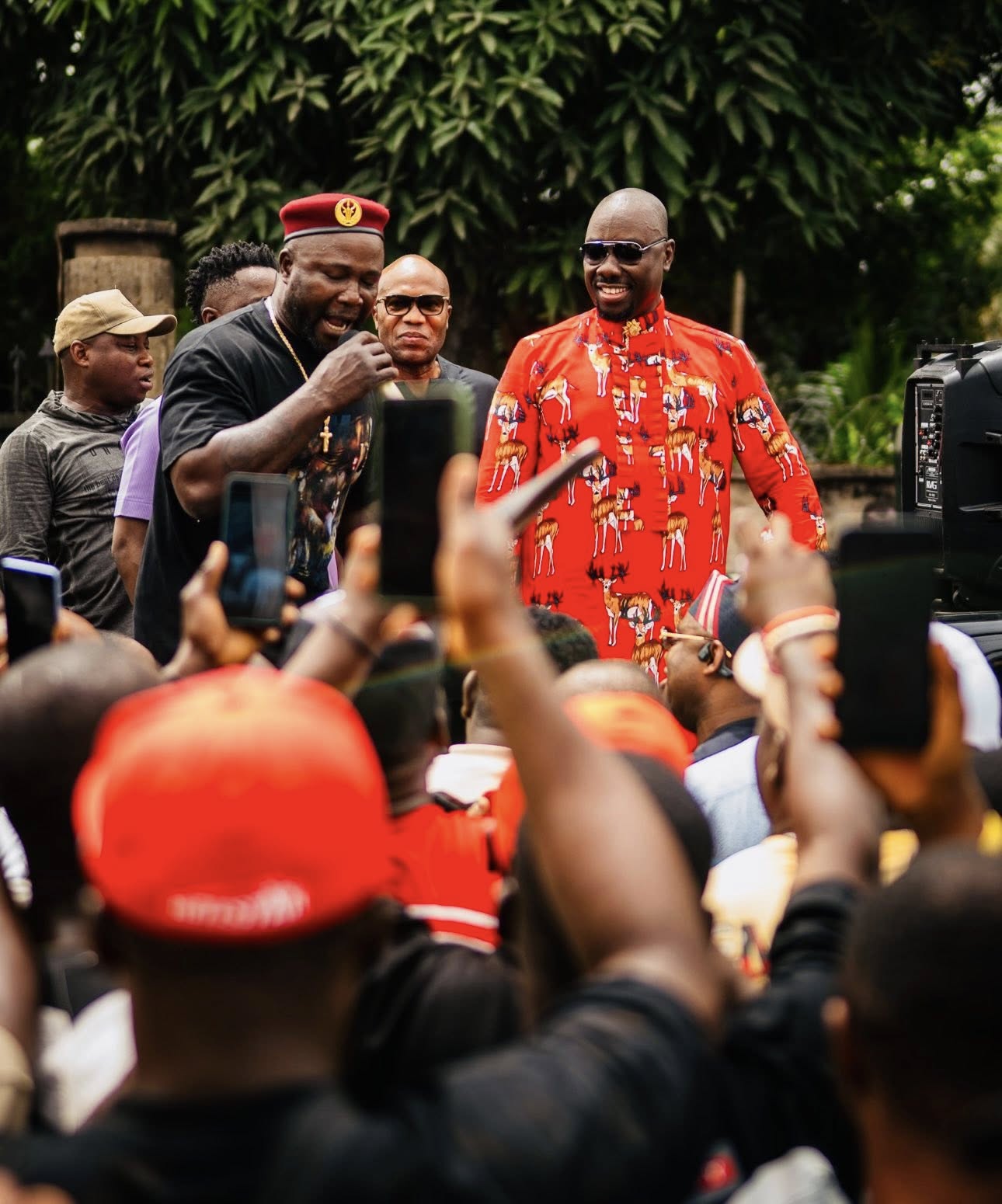
ANAMBRA STATE, NIGERIA (NPA): The Southeast Nigeria chapter of the City Boy Movement (CBM)—a sociopolitical group supporting the re-election bid of President Bola Ahmed Tinubu in 2027—held its inaugural strategy session in Oba, Anambra State, on Saturday, February 20, 2026. The meeting was chaired by the Southeast Coordinator of the group, Chief Dr. Obinna Iyiegbu, popularly known as Obi Cubana.
In a statement issued by Uche Nworah, Ph.D., Director of Media and Publicity for the Southeast chapter, the session brought together zonal officers, state coordinators, and other key stakeholders aligned with the group’s mission. Addressing members, Chief Iyiegbu urged them to embrace selflessness, stressing that supporting President Tinubu also advances the cause of the Igbo people. “We must understand that what we are doing is for the development of Alaigbo. Let’s avoid divisiveness and reject the concept of ‘Igbo enwe eze’ in totality. Let us continue to respect our leaders,” he said.
Chief Iyiegbu clarified that the City Boy Movement is not limited to the ruling All Progressives Congress (APC), but includes members from across political parties. He emphasized that the group’s purpose in the Southeast is to champion progress and development, noting that stronger ties with the federal government would enhance representation for the region. “We will always carry our people along. I urge all members and sympathizers to use their platforms, especially within their communities, to educate and sensitize our people about the movement and why we are supporting President Bola Ahmed Tinubu. All politics is local, and our new model of all-inclusive politics provides a refreshing alternative for our people,” he added.
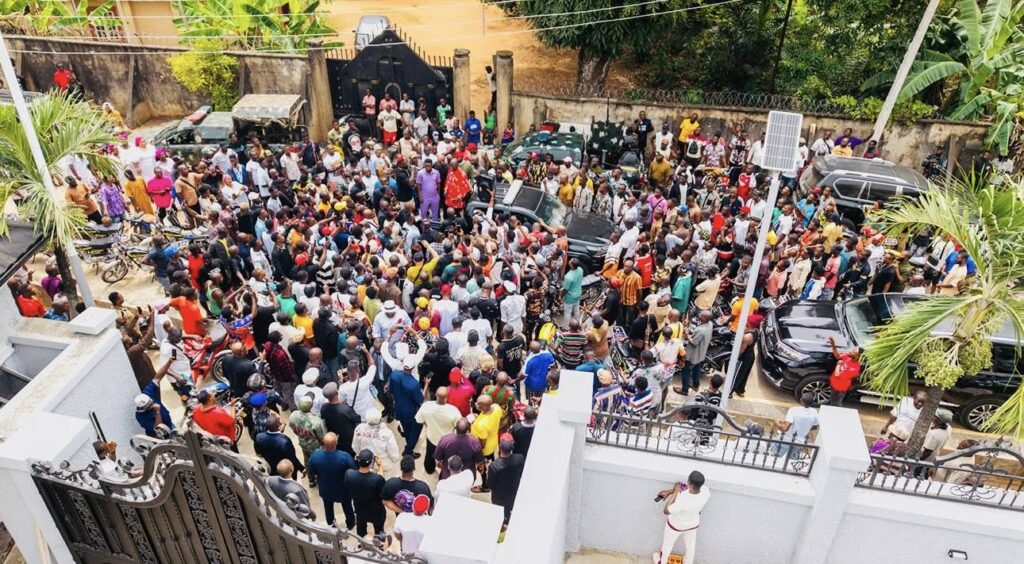
Paschal Okechukwu, popularly known as Chief Priest and the Imo State Director of the City Boy Movement, called on members to begin immediate registration and mobilization ahead of a mega empowerment rally scheduled for March 13–14, 2026. He announced that over 5,000 people across the Southeast would benefit from empowerment items, including cash grants, buses, tricycles (keke), mobile phones, and grinding machines.
The City Boy Movement positions itself as a civic and youth advocacy platform focused on empowering Nigerians through civic engagement, responsible governance, and grassroots participation. However, critics—including members of the African Democratic Congress (ADC)—have dismissed the group as “opportunistic” and “out of touch,” accusing it of promoting a money-driven campaign rather than addressing pressing challenges such as youth unemployment and insecurity.
Opponents have contrasted the City Boys with grassroots-focused initiatives like the Village Boys Movement, which prioritize empowerment, education, and voter protection. This tension underscores a broader debate in Nigerian politics: whether urban-centered, campaign-heavy movements can effectively tackle systemic issues, or whether bottom-up, community-based approaches are better suited to address the country’s socio-economic realities.

