

African Union Welcomes DRC–AFC/M23 Peace Agreement, Urges Implementation
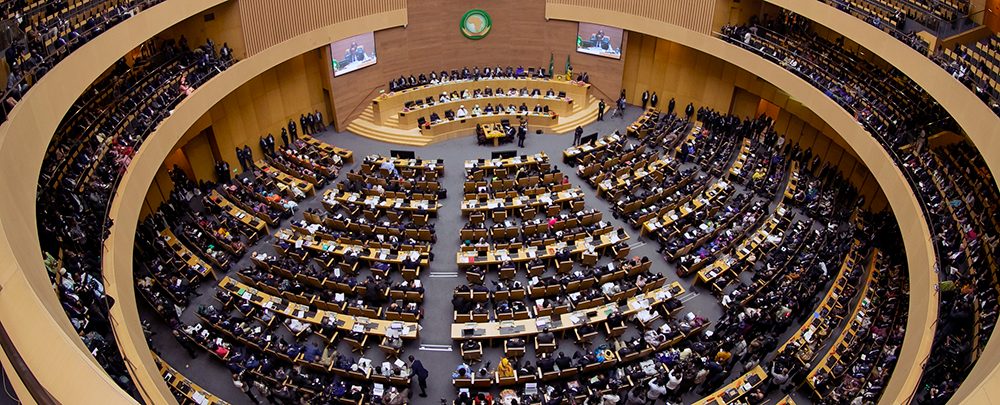
ADDIS ABABA, ETHIOPIA — The African Union Commission has welcomed the peace agreement signed on 3 February 2025 in Doha between the Government of the Democratic Republic of the Congo (DRC) and the Alliance Fleuve Congo/M23 (AFC/M23). AU Commission Chairperson H.E. Mahmoud Ali Youssouf described the accord as “an important step” toward de-escalating hostilities and restoring peace and security in eastern DRC.
In a statement issued on 12 February 2026, the Chairperson commended the parties’ commitment to peace, urging them to respect the “mutually agreed ceasefire mechanism” as a means of building trust and protecting civilian populations. He emphasised that the establishment of a clear monitoring framework is essential to ensure compliance and foster confidence between the parties.
The African Union expressed gratitude to the State of Qatar and the United States for their efforts in facilitating the agreement, noting that the initiative aligns with the AU-led mediation process under the leadership of H.E. Faure Essozimna Gnassingbé, President of the Council of Ministers of the Republic of Togo and AU-designated Lead Mediator on eastern DRC, supported by the AU Panel of Facilitators.

The AU also acknowledged the role of regional organisations, including the International Conference on the Great Lakes Region, in operationalising the Expanded Joint Verification Mechanism (EJVM+) to support the permanent ceasefire.
The conflict between the DRC and M23 rebels has persisted since 2009, rooted in ethnic tensions, unfulfilled peace agreements, and regional rivalries. M23, formed by former Congolese army members, accuses the government of failing to honour commitments related to political representation, protection of Tutsi communities, and reintegration benefits. The group demands greater autonomy, security guarantees, and political inclusion. The DRC government, however, views M23 as an illegitimate armed movement backed by external actors, particularly Rwanda, and seeks to reassert state authority, safeguard civilians, and preserve territorial integrity.
The AU Chairperson underscored that the Doha agreement represents a significant confidence-building measure. He encouraged both parties to fully implement the agreed Terms of Reference and remain engaged in ongoing political and security processes. The African Union Commission reaffirmed its readiness to support the parties, in collaboration with regional mechanisms, to advance a permanent ceasefire, lasting peace, reconciliation, and stability in the region.
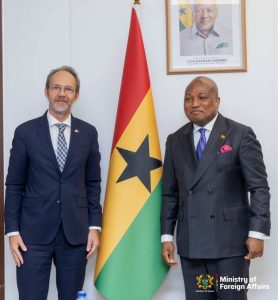
Ghana, UK review bilateral ties ahead of Mahama’s official visit
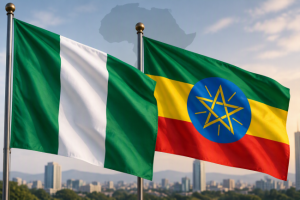
Nigeria, Ethiopia deepen cooperation on trade and investment

World Bank upgrades Africa growth outlook, says AI could boost jobs and productivity

Uganda vaccinates more than 8.2 million children in Measles-Rubella Campaign

NCDC heightens vigilance after imported Ebola case confirmed in Kenya

Eswatini says three third-country nationals voluntarily return home

NAFDAC DG advocates stronger continental cooperation on food safety
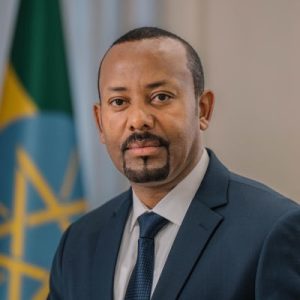
AU Commission Chairperson congratulates Abiy Ahmed on re-election
- Tinubu commissions NRS Headquarters, says new tax reforms will drive prosperity
- Tinubu assures investors of regulatory stability as Ogun, DP World sign $7bn port, SEZ MoUs
- Climate change anxiety is rising — and so is the willingness to act on it
- Ohaukwu LG Chairman Ituma breaks ground for modern diagnostic centre, blood bank
- Baseball boosts TBS, NFL gives ESPN a kick and streamers love ‘Squid’
Community Discussion