Category: International

  • JUST IN: Trump accuses Iran of violating ceasefire after drone strike in Strait of Hormuz

    JUST IN: Trump accuses Iran of violating ceasefire after drone strike in Strait of Hormuz

    WASHINGTON, D.C. (NPA) — United States President Donald Trump has accused Iran of violating the ceasefire agreement between the two countries following a reported drone attack on commercial vessels transiting the Strait of Hormuz.

    The accusation comes after Iran rejected a new shipping corridor proposed by Oman to facilitate maritime traffic through the strategic waterway. Tehran had warned that vessels using the alternative route, instead of the channel it recognises, could be targeted.

    In a post on his Truth Social platform on Friday, Trump alleged that Iranian forces launched four one-way attack drones at commercial ships in the Strait.

    According to the U.S. president, one of the drones struck the upper deck of a cargo vessel, causing damage, while U.S. forces intercepted the remaining three drones.

    “The Islamic Republic of Iran shot at least four One Way Attack Drones at ships transversing the Strait of Hormuz. One of the drones solidly hit the upper deck of a large and very expensive cargo-carrying ship. Damage was done, but the ship was able to proceed on its way. We knocked down three other drones. Obviously, this is a foolish violation of our Ceasefire Agreement,” Trump wrote.

    The reported attack is the first major incident since the United States and Iran reached an interim ceasefire aimed at reducing hostilities and restoring freedom of navigation through one of the world’s busiest oil shipping routes.

    As of the time of filing this report, the U.S. administration had not announced any retaliatory measures, while Iranian authorities had yet to publicly respond to Trump’s allegations.

    It also remains unclear whether the incident will affect the fragile ceasefire agreement or ongoing negotiations between Washington and Tehran.

  • Iran criticises Gulf Cooperation Council over regional security stance

    Iran criticises Gulf Cooperation Council over regional security stance

    TEHRAN, Iran — Iran has criticised the Gulf Cooperation Council (GCC) over its approach to regional security, accusing the bloc of relying on what it described as “the greatest violator of security” to safeguard the region.

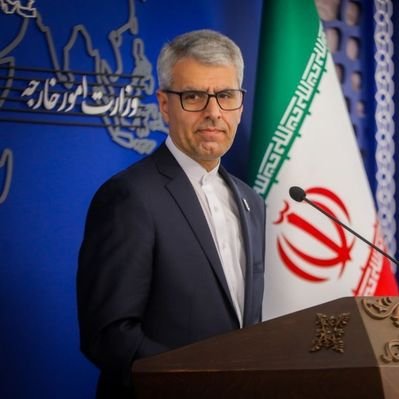
    The Head of the Centre for Public Diplomacy and Spokesperson for Iran’s Ministry of Foreign Affairs, Esmaeil Baqaei, made the remarks in a statement issued on Friday.

    Baqaei said Iran remained more committed than any other country to ensuring collective security in the region, arguing that seeking external security guarantees from powers Tehran considers responsible for regional instability was counterproductive.

    “Undoubtedly, Iran, more than any other party, is concerned with ensuring the collective security of the region. For the Gulf Cooperation Council to imagine that the solution to addressing this concern lies in seeking refuge with the greatest violator of security is, in itself, a violation of the very purpose—a bitter irony and a disheartening sign of failing to learn from recent bitter experiences,” he said.

    The Iranian Foreign Ministry spokesman also questioned the role of some Gulf states during recent regional tensions.

    He alleged that some of Iran’s southern neighbours had violated the principles of good neighbourliness and international law by participating in attacks against Iran or allowing their territories to be used for military operations targeting the country.

    “The southern neighbours must be asked why they themselves, in violation of the principle of good neighbourliness and the fundamental rules of international law, took part in an aggressive attack against a Muslim neighbour and allowed their territory to be used against Iran or for launching missiles from there,” Baqaei said.

    He further questioned what he described as the region’s silence over the continued acquisition of advanced weapons by some countries and Israel’s military actions.

    “Why do they turn a blind eye to the destructive arms race and the purchase and stockpiling of hundreds of billions of dollars in advanced weaponry that has no defensive justification?” he asked.

    Baqaei also criticised what he described as the failure to condemn repeated Israeli military operations in the region and what he called Israel’s undeclared nuclear arsenal, while Iran’s conventional military capabilities continued to attract criticism.

    According to him, Iran’s military capabilities are intended solely to guarantee the country’s inherent right to legitimate self-defence while contributing to regional peace and stability.

    “The national security and dignity of the country cannot be bargained or made conditional. Just as the inherent right to legitimate self-defence can never be a subject for negotiation, its instruments cannot be a subject for compromise with any party,” he said.

  • EU unveils €90bn Ukraine recovery loan, reaffirms support

    EU unveils €90bn Ukraine recovery loan, reaffirms support

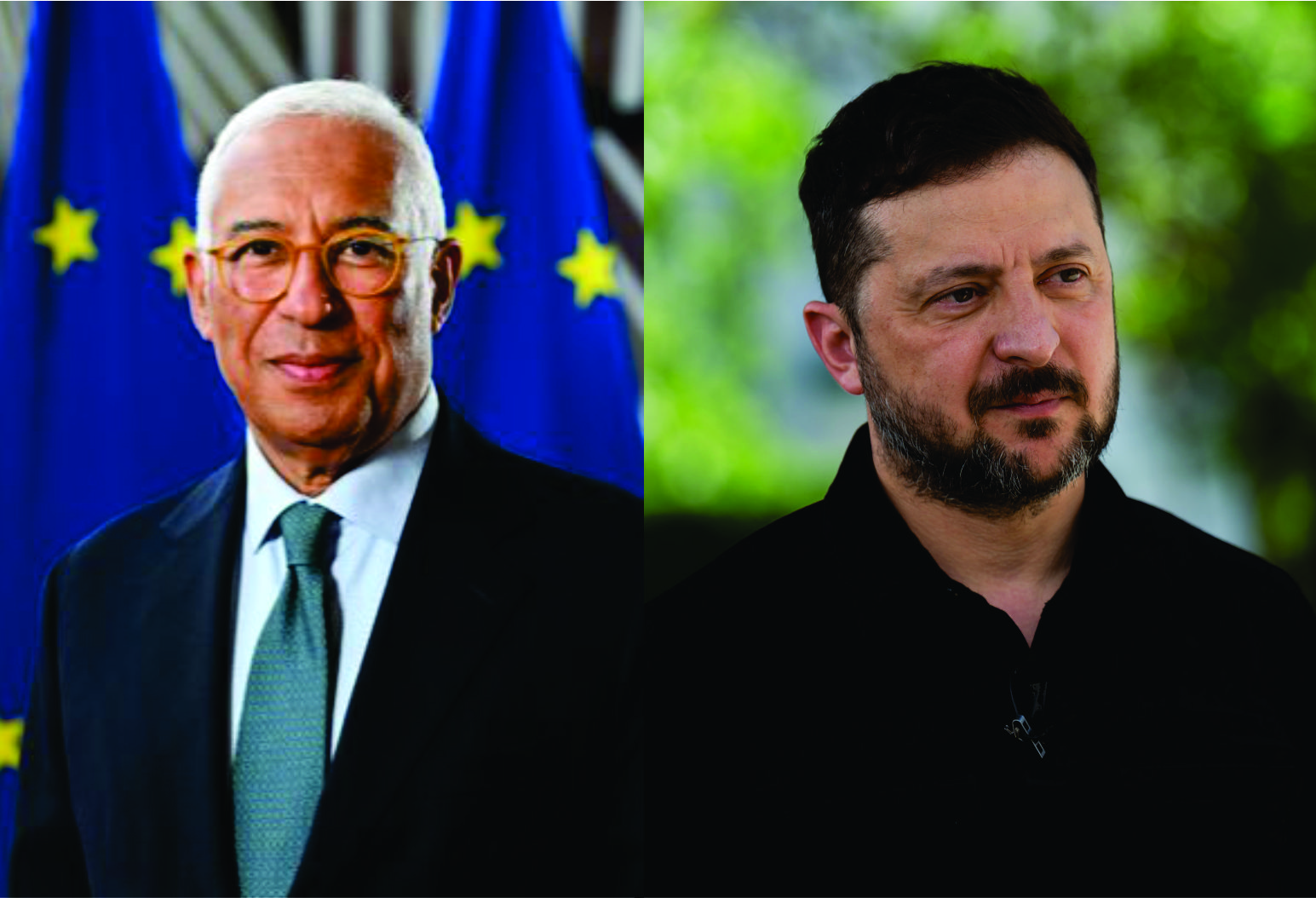
    GDAŃSK, Poland (NPA) — European Council President António Costa has reaffirmed the European Union’s unwavering support for Ukraine, announcing a new €90 billion Ukraine Support Loan to strengthen the country’s resilience and accelerate its reconstruction amid the ongoing war with Russia.

    Speaking on Thursday at the Ukraine Recovery Conference in Gdańsk, Poland, Costa said the European Union remained committed to supporting Ukraine militarily, economically and diplomatically until a just and lasting peace is achieved.

    “The European Union has stood, and will continue to stand, firmly with Ukraine,” Costa said.

    He noted that the EU has provided more than €200 billion in assistance to Ukraine since Russia’s full-scale invasion in 2022, making the bloc the country’s largest international donor.

    According to him, the newly established €90 billion Ukraine Support Loan will address urgent needs, including military requirements, adding that the first payment under the facility was made on Wednesday.

    Costa said Ukraine had demonstrated its willingness to pursue an immediate ceasefire and sustained diplomatic efforts towards ending the conflict, while stressing that only Ukraine could determine the terms of any future peace agreement.

    “No one can talk on behalf of Ukraine; only Ukraine can speak for the Ukrainian people,” he said.

    He added that any lasting peace must respect international law, uphold Ukraine’s sovereignty and territorial integrity, and provide long-term security guarantees.

    The European Council President also said the European Union was intensifying pressure on Russia through sanctions, revealing that the bloc had adopted 20 sanctions packages and was preparing another.

    He disclosed that EU leaders had also agreed politically to extend sanctions against Russia for one year instead of the previous six-month renewal period.

    Looking beyond the war, Costa said the EU was already laying the foundation for Ukraine’s long-term reconstruction through investments in modern infrastructure, green energy, digital transformation and institutional reforms.

    He described Ukraine’s recovery as closely linked to its bid for European Union membership.

    Costa recalled that accession negotiations formally opened last week and expressed confidence that negotiations on the remaining chapters would begin as soon as possible.

    He noted that despite the challenges of war, Ukraine had continued to implement significant reforms required for EU membership.

    The European Council President stressed that reconstruction must focus on improving the lives of citizens through quality jobs, education, healthcare and support for veterans, vulnerable groups and survivors of the conflict.

    He said rebuilding Ukraine would strengthen peace, democracy and prosperity across Europe.

    “Ukraine’s reconstruction is a major contribution to lasting peace in Europe. Together, we can help Ukraine rise stronger, freer, more prosperous and firmly within the European Union,” Costa said.

  • African Union mourns Venezuela earthquake victims as death toll hits 188

    African Union mourns Venezuela earthquake victims as death toll hits 188

    ADDIS ABABA, Ethiopia (NPA) — The African Union (AU) has expressed solidarity with the Government and people of Venezuela following the devastating earthquakes that struck the South American country, leaving at least 188 people dead and more than 1,500 others injured.

    In a statement on Thursday, Chairperson of the African Union Commission, Mahmoud Ali Youssouf, extended condolences to the families of the victims and wished those injured a speedy recovery.

    He also paid tribute to emergency responders and humanitarian workers involved in rescue and relief operations.

    “The Chairperson expresses his profound solidarity with the Government and the people of the Bolivarian Republic of Venezuela following the powerful earthquakes that struck the country,” the statement said.

    “In these difficult circumstances, the African Union reaffirms its solidarity with the Government and people of Venezuela and hopes that ongoing relief, recovery and reconstruction efforts will enable affected communities to overcome this tragedy as quickly as possible.”

    The latest official figures released by Acting President Delcy Rodríguez and National Assembly President Jorge Rodríguez put the death toll at 188, while more than 1,500 people have sustained injuries.

    Authorities warned that the number of casualties could increase as rescue teams continue searching collapsed buildings for survivors.

    The twin earthquakes, measuring magnitudes 7.2 and 7.5, struck within seconds of each other near the Caribbean coastal town of Morón, making them the strongest to hit Venezuela in more than a century.

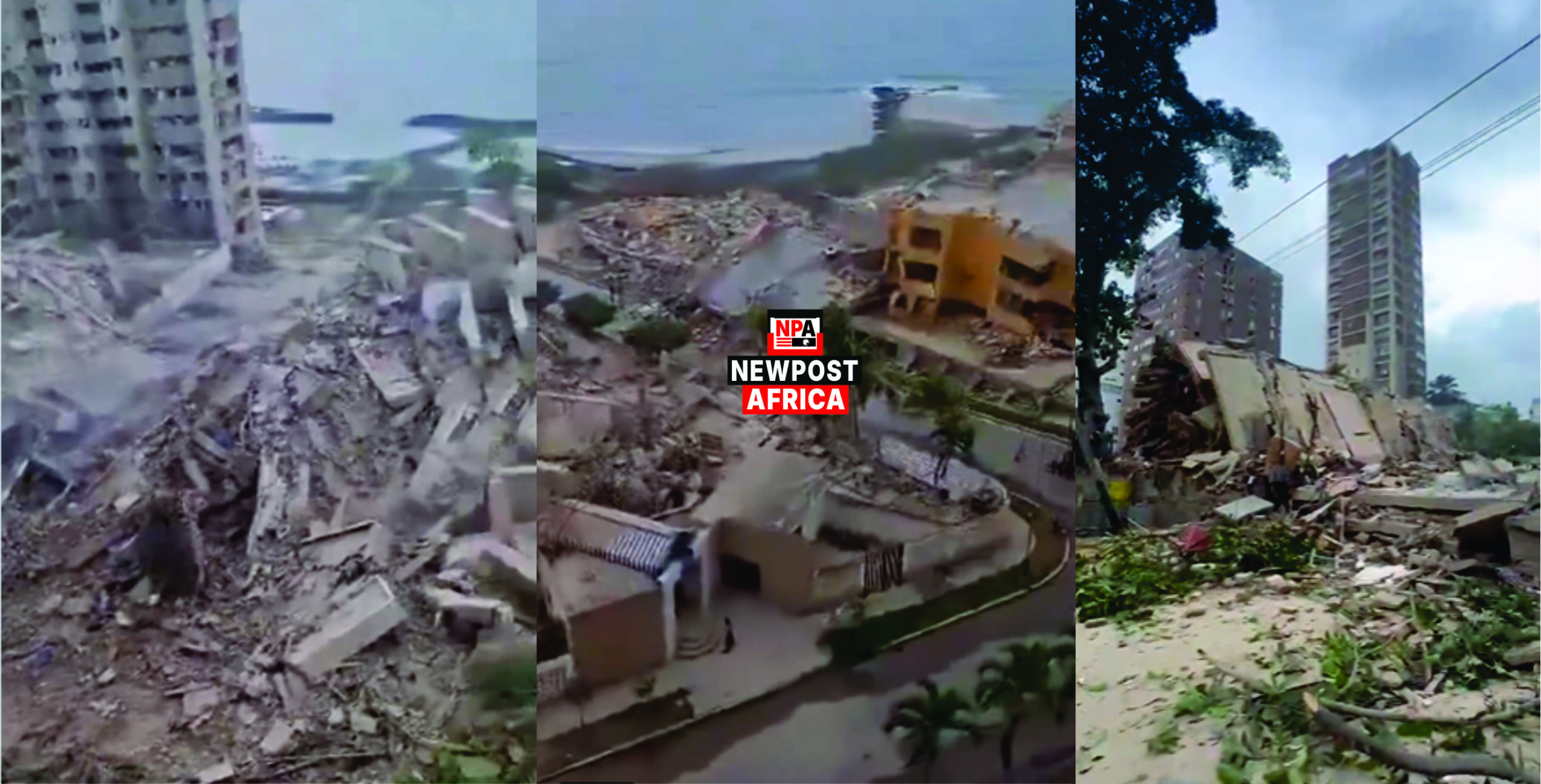
    The earthquakes triggered widespread destruction across Caracas and neighbouring La Guaira State, where residential buildings, roads and critical infrastructure suffered extensive damage.

    The Simón Bolívar International Airport was temporarily shut after sustaining structural damage, while schools and public facilities were converted into emergency shelters for displaced residents.

    The Venezuelan government has declared a nationwide state of emergency as rescue and humanitarian operations continue across the affected areas.

    International relief efforts are also gathering pace as countries and humanitarian organisations mobilise assistance for victims of the disaster.

  • BREAKING: Twin Venezuela earthquakes kill 164, injure nearly 1,000

    BREAKING: Twin Venezuela earthquakes kill 164, injure nearly 1,000

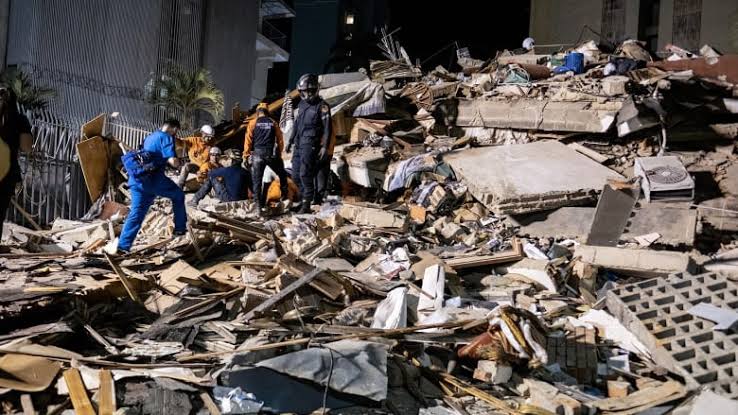
    CARACAS, Venezuela (NPA) — At least 164 people have been killed and 971 others injured after two powerful earthquakes struck Venezuela, triggering widespread destruction, forcing thousands from their homes and prompting a nationwide state of emergency.

    The twin earthquakes, measuring magnitudes 7.2 and 7.5, struck within seconds of each other near the Caribbean coastal town of Morón on Wednesday, making them the strongest to hit the South American country in more than a century.

    Acting President Delcy Rodríguez announced the latest casualty figures and warned that the death toll could rise as rescue workers continue searching collapsed buildings.

    “We have a central and essential objective: to save lives. Our work is to rescue those trapped under collapsed buildings and homes,” Rodríguez said while declaring a nationwide state of emergency.

    The worst destruction was reported in Caracas and the neighbouring coastal state of La Guaira, where dozens of buildings collapsed, roads were damaged and critical infrastructure was affected. Simón Bolívar International Airport was shut down after sustaining structural damage, while schools were converted into emergency shelters for displaced families.

    Local authorities described frantic rescue operations as emergency responders worked through the rubble in search of survivors.

    The United States Geological Survey (USGS) issued its highest-level “red alert,” warning that the earthquakes were likely to cause high casualties and extensive economic losses. The agency’s predictive modelling estimated a significant probability that the final death toll could rise substantially as rescue operations continue.

    International support has begun arriving following the disaster.

    U.S. Secretary of State Marco Rubio extended condolences to the Venezuelan people and said President Donald Trump had authorised immediate humanitarian assistance, including search-and-rescue teams, medical supplies and emergency relief.

    Rescue teams continue operations across Caracas, La Guaira and other affected communities as authorities assess the full scale of the destruction.

    The disaster has compounded Venezuela’s existing economic and humanitarian challenges, with officials urging residents to remain calm and avoid damaged buildings because of continuing aftershocks.

  • U.S. sanctions Nigerian businesses, individuals linked to ISIS terrorism financing

    U.S. sanctions Nigerian businesses, individuals linked to ISIS terrorism financing

    WASHINGTON, D.C. (NPA) — The United States has imposed sanctions on three individuals and six entities across Europe, the Middle East and West Africa for allegedly facilitating financial transactions linked to the Islamic State of Iraq and the Levant (ISIS).

    The U.S. Department of State announced the measures on Tuesday, in a statement issued by its Spokesperson, Thomas Pigott, saying the action forms part of ongoing efforts by the administration of President Donald Trump to disrupt ISIS financing networks and weaken the group’s global operations.

    According to the State Department, the sanctions target individuals and organisations accused of moving funds across borders to support ISIS activities, including attacks, recruitment and regional affiliate operations.

    Among those designated is France-based Miloud Abderrahmane, who allegedly provided information relating to the use of explosives to ISIS supporters.

    Also sanctioned is Boukich Abdelhakim, a Syria-based operative accused of using cryptocurrency to transfer funds on behalf of ISIS associates in several countries, including the United States.

    The third individual, Nigerian national Mukhtar Adamu Muhammad, was identified as an alleged ISIS-West Africa facilitator whose money exchange businesses were reportedly used to channel funds linked to the terrorist group.

    The U.S. Treasury Department also designated six entities accused of supporting ISIS financial activities.

    The entities are:

    • Alkaram Danismanlik Gayrimenkul Ic ve Dis Genel Ticaret Limited Sirketi (Turkey)

    • Spider Gayrimenkul ve Genel Ticaret Limited Sirketi (Turkey)

    • Bitcoin Exchange Agent Idlib’s No. 1 Coin Exchange (Syria)

    • Generation Currency Bureau De Change Limited (Nigeria)

    • Manhattan Bureau De Change Limited (Nigeria)

    • Nine to Nine Exchange Bureau De Change Limited (Nigeria)

    The U.S. government said the sanctions expose a network stretching from France and Syria to Türkiye and Nigeria.

    The State Department noted that ISIS has increasingly decentralised its operations and relies on financial intermediaries and money transfer networks to sustain its activities globally.

    The U.S. also reaffirmed its security partnership with Nigeria, highlighting the joint operation conducted on May 16, 2026, which resulted in the killing of Abu-Bilal al-Minuki, described as the second-highest-ranking ISIS official.

    “We will continue to use every diplomatic and legal tool available to hold ISIS and its supporters accountable wherever they operate and however they move money,” the department said.

    The sanctions were imposed under Executive Order 13224, which targets terrorists and those providing support to terrorist organisations.

    The U.S. designated ISIS, formerly known as Al-Qaeda in Iraq, as a Specially Designated Global Terrorist organisation in 2004 and continues to pursue measures aimed at disrupting its global financing and operational networks.

  • Russia backs Africa’s reparations push, says colonial powers must be held accountable

    Russia backs Africa’s reparations push, says colonial powers must be held accountable

    ACCRA, Ghana (NPA) — Russia has thrown its weight behind Africa’s growing demand for reparations over the transatlantic slave trade and colonialism, insisting that former colonial powers bear moral, political and material responsibility for the historic injustices inflicted on the continent.

    Speaking at the Conference on the Implementation of United Nations General Assembly Resolution 80/250 in Accra, Ghana, Russia’s Ambassador to Ghana, Andrei Ordash, described the transatlantic slave trade as one of the darkest chapters in human history and called for concrete actions to address its enduring consequences.

    Ordash commended Ghana for its leadership role in advancing global discussions on historical justice, particularly its contribution to the adoption of UN General Assembly Resolution 80/250, which declares the trafficking of enslaved Africans and race-based slavery as the gravest crimes against humanity.

    “The transatlantic slave trade is one of the darkest pages and greatest tragedies in the history of humankind,” he said.

    According to the ambassador, the forced removal of millions of Africans from their homeland over several centuries destroyed traditional societies, fuelled conflicts, enabled the colonisation of Africa and entrenched socio-economic inequalities that continue to affect the continent today.

    He argued that the economic prosperity enjoyed by many developed countries was built on the exploitation of Africa’s people and resources during the slave trade and colonial eras.

    “The welfare of the former colonial powers is literally built on the blood, sweat and resources of the African continent,” Ordash said.

    The Russian envoy also warned that colonialism had not entirely disappeared but had evolved into what he described as modern-day neocolonialism, characterised by financial pressure, technological restrictions and sanctions aimed at maintaining control over developing nations.

    He welcomed the African Union’s decision to extend its reparations agenda beyond 2025 and praised Ghanaian President John Mahama for his role as the African Union Champion for Reparations.

    Ordash said the adoption of Resolution 80/250 marked a major milestone in the global quest for historical justice by providing an international legal framework that could strengthen demands for reparations and compensation.

    The ambassador reiterated Russia’s support for Africa’s aspirations for greater sovereignty, economic independence and a stronger voice in global governance.

    He noted that Moscow had historically supported African liberation movements and decolonisation efforts, including backing the 1960 UN Declaration on the Granting of Independence to Colonial Countries and Peoples.

    Ordash further expressed support for increased African representation in key international institutions, including the United Nations Security Council, and welcomed the African Union’s proposal for Security Council reform.

    He described the implementation of Resolution 80/250 as the beginning of a broader process aimed at addressing the legacy of slavery and colonialism.

    According to him, achieving justice requires more than symbolic gestures and must include reparations, an end to modern forms of exploitation and the creation of conditions that support Africa’s development and prosperity.

    Russia also pledged support for the establishment of a high-level advisory council on reparatory justice, a global expert group on cultural restitution and a global legal group on reparations justice.

    Ordash said Russia was prepared to contribute expertise from its academic and research institutions and would continue to work with African countries on reparations issues through platforms such as the Russia-Africa Partnership Forum.

    “Justice has no statute of limitations. It requires not words, but deeds,” he said.

  • JUST IN: Bank of England MPC holds interest rate at 3.75% amid inflation concerns

    JUST IN: Bank of England MPC holds interest rate at 3.75% amid inflation concerns

    LONDON, United Kingdom (NPA) — The Bank of England has maintained its benchmark interest rate at 3.75 per cent, citing continued uncertainty over global energy prices, inflationary pressures and the broader economic outlook.

    The decision was announced on Thursday following a meeting of the Monetary Policy Committee (MPC) that ended on June 17.

    According to the bank, seven members of the committee voted to keep the Bank Rate unchanged at 3.75 per cent, while two members favoured a 0.25 percentage-point increase to 4.0 per cent.

    In its June 2026 Monetary Policy Summary, the MPC said global energy prices had declined since its previous meeting following developments in the Middle East, but remained above pre-conflict levels and continued to exhibit significant volatility.

    The committee noted that the full impact of the energy shock on the UK economy remains uncertain.

    “Monetary policy cannot influence energy prices but is being set to ensure that the economic adjustment to them occurs in a way that achieves the 2 per cent inflation target sustainably,” the MPC said.

    The committee stated that the appropriate policy response would depend on the scale and duration of the energy shock and how its effects spread through the wider economy.

    Official data showed that Consumer Price Index (CPI) inflation had eased to 2.8 per cent since the previous MPC meeting.

    However, the bank warned that inflation is expected to rise later in the year as the impact of higher energy costs continues to feed through to households and businesses.

    The MPC said the risk of sustained inflationary pressures through higher prices and wage demands would increase if elevated energy prices persist for an extended period.

    At the same time, it noted that the labour market continues to soften, while signs of weakening economic activity could help moderate inflationary pressures.

    The committee added that borrowing costs for households and businesses remain significantly higher than they were before the recent energy shock, a factor expected to contribute to lower inflation over time.

    “Taking all the risks to the economic outlook into account, the Committee judges that it is appropriate to maintain Bank Rate at this meeting,” the statement said.

    The MPC reiterated its commitment to achieving the bank’s medium-term inflation target of 2 per cent and said it would continue to monitor developments in the Middle East and their impact on the UK economy.

    The committee also signalled its readiness to adjust monetary policy if necessary to ensure inflation remains on track to meet the target sustainably.

    The next Bank of England interest rate decision is scheduled for July 30, 2026.

  • G7 leaders’ communiqué charts new path for global development finance at Évian summit

    G7 leaders’ communiqué charts new path for global development finance at Évian summit

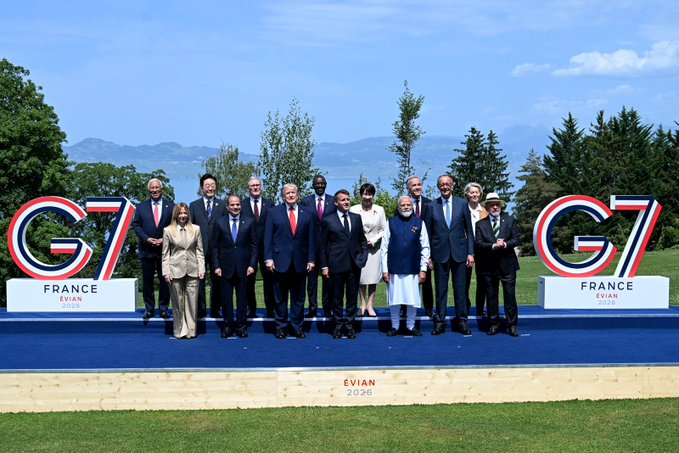
    ÉVIAN, France (NPA) — The leaders of the Group of Seven (G7) nations in their Évian summit have produced one of the most ambitious communiqués in recent memory, setting out a vision for a reformed global development finance system.

    The declaration is sweeping in scope, promising to tackle debt vulnerabilities, mobilise private capital, and empower partner countries to achieve sovereignty and resilience

    At the heart of the communiqué is a recognition that traditional development policies have failed to break cycles of dependency. For decades, concessional aid and official lending have supported vulnerable nations, but too often without fostering genuine ownership or pro‑growth incentives. The Évian declaration acknowledges this shortcoming and pledges reforms to rationalise the development architecture, making it more efficient and impactful.

    Debt vulnerabilities are a central concern. The G7 leaders highlight the growing burden on middle‑income countries excluded from the G20’s Common Framework, and they call for accelerated implementation of the IMF‑World Bank 3‑Pillar Approach. Transparency in debt data and lending practices is emphasised, alongside the launch of a Borrowers’ Platform to give debtor nations a stronger voice. These measures, if implemented, could reshape the balance of power in global finance, but they will require creditor nations to act in good faith — a challenge given competing strategic interests.

    The communiqué also underscores the need to mobilise private capital, recognising that public resources alone cannot meet global development needs. Development Finance Institutions and Multilateral Development Banks are tasked with expanding risk‑sharing instruments, guarantees, and blended finance. Initiatives such as the African Trade and Investment Development Insurance (ATIDI) and the G20 Compact with Africa are highlighted as vehicles to attract investment. This focus on derisking and regulatory reform is pragmatic, but success will depend on whether private investors see genuine opportunities rather than political risk.

    Supply chain resilience is another pillar of the declaration. The G7 pledges to strengthen transportation, energy, and digital infrastructure, while ensuring reliable critical minerals value chains.

    Fertiliser shortages and food security are also addressed, reflecting lessons from recent global disruptions. These commitments are timely, but they require coordination across multiple stakeholders, from governments to private companies, and the political will to prioritise long‑term resilience over short‑term gains.

    Human development remains a priority, with concessional resources directed to least developed countries facing external shocks or conflicts. Investments in health, education, and nutrition are emphasised, alongside support for National Health Compacts. The declaration also reaffirms that empowering women and girls is central to economic growth. These commitments are laudable, but they echo promises made at countless summits before. The challenge lies in ensuring that resources reach communities rather than being lost to inefficiency or corruption.

    Institutional reform is another ambitious goal. The G7 calls for greater efficiency in the global development system, pledging to reduce fragmentation and strengthen coordination among Multilateral Development Banks, public development banks, and vertical funds. Support for UN reforms under the UN80 agenda is also noted. These reforms could streamline global development efforts, but they will require entrenched institutions to embrace change — a notoriously difficult task.

    The Évian communiqué situates itself within a broader ecosystem of initiatives, including the Africa Forward Summit, the Mattei Plan for Africa, TICAD, and the EU’s Global Gateway. By aligning with these platforms, the G7 aims to mobilise a multi‑actor coalition involving emerging donors, the private sector, and civil society. This inclusive approach is promising, but coordination across such diverse actors is complex and often fraught with competing agendas.

    Ultimately, the Évian declaration is a bold vision for mutually beneficial international partnerships. It seeks to move beyond aid dependency toward sustainable, sovereign development, tackling debt, mobilising capital, and prioritising human development. But the success of this agenda will depend on sustained commitment, political will, and the ability to translate lofty rhetoric into tangible outcomes.

    The G7 has set the stage for transformative change. Whether it delivers will be the true test of its credibility.
  • Zelenskyy hails EU accession talks, urges more pressure on Russia

    Zelenskyy hails EU accession talks, urges more pressure on Russia

    CHIȘINĂU, Moldova — Ukrainian President Volodymyr Zelenskyy has welcomed the opening of the first cluster in accession negotiations for Ukraine and Moldova to join the European Union, describing it as “a clear message that Europe’s progress cannot be stopped.”

    Addressing the EU Intergovernmental Conference via videoconferencing, Zelenskyy said Ukraine and Moldova have taken important steps together and emphasized the symbolism of addressing Europe from Chișinău en route to the G7 Summit in France. “Our neighborhood with Moldova is strong. We support each other, and we are moving toward the EU together – and we will get there together,” he declared.

    Zelenskyy urged Europe to accelerate the accession process as a strong response to Russia’s aggression. “Ukraine has earned the right to move faster. We are ready for the opening of all clusters. Everyone in Europe knows this. Let us move forward without delay,” he said.

    Turning to the war, Zelenskyy revealed that Ukraine had offered Russian President Vladimir Putin opportunities to meet “anywhere real decisions to end the war could be made,” but said Putin refused.

    He noted discussions with the U.S. and France about a possible meeting around the G7, and even with President Trump about hosting talks in the U.S., but stressed that Russia’s rejection would require “additional pressure from the international community.”

    Zelenskyy concluded by calling Europe’s progress and Ukraine’s EU path a powerful answer to Russia’s aggression, insisting that Ukraine is prepared for the next stages of accession.