

Labour’s local election huge losses signal deeper political shifts in the UK

LONDON, United Kingdom (NPA) — Prime Minister Keir Starmer has openly acknowledged the scale of Labour’s losses in the 2026 local elections, describing the outcome as “tough results for Labour” and conceding that the party has lost “brilliant representatives who stood up for their communities.” His remarks underscore the gravity of the setback and the mounting challenges facing Labour’s leadership.
Labour lost at least 254 council seats across England, according to early confirmed results, with Reform UK making significant inroads into traditional Labour strongholds. The Greens and Liberal Democrats also registered gains, signaling a broader erosion of Britain’s two-party dominance. Particularly striking were Labour’s defeats in northern and working-class councils, including parts of Greater Manchester and Hartlepool, areas long considered central to the party’s base.
Analysts point to voter dissatisfaction with the economy, public services, and the perceived slow pace of reforms as key drivers of the electoral backlash. Starmer himself admitted that “people are still frustrated. Their lives aren’t changing fast enough. We haven’t offered enough hope or optimism for the future.” His candid assessment reflects both the scale of discontent and the urgency of recalibrating Labour’s message.

Despite the losses, Starmer, in a statement on Friday, insisted that his determination remains intact. “I was elected to change this country. These results do not weaken my determination — they strengthen it,” he declared, framing the setback as a catalyst for renewed resolve rather than retreat.
The outcome highlights two critical dynamics: the rise of smaller parties reshaping local governance, and the vulnerability of Labour in constituencies once considered secure. Reform UK’s gains, in particular, suggest a shifting political map that could complicate Labour’s national strategy ahead of future contests.
For Labour, the challenge now lies in restoring confidence among disillusioned voters, articulating a clearer vision of economic and social renewal, and countering the momentum of insurgent parties. The 2026 local elections may thus prove less a temporary setback than a warning sign of deeper structural changes in British politics.

Ghana, UK review bilateral ties ahead of Mahama’s official visit

Russia accuses Ukraine of attacks on Zaporizhzhia nuclear power plant

German Chancellor Friedrich Merz visits Kyiv as Zelenskyy reports Russian drone strikes across Ukraine

27% of EU young people lived in overcrowded homes in 2025 — Eurostat

Almost 1 in 3 EU deaths linked to circulatory system diseases
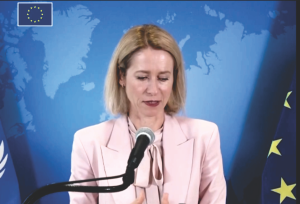
EU urges tougher pressure on Russia, stronger maritime security
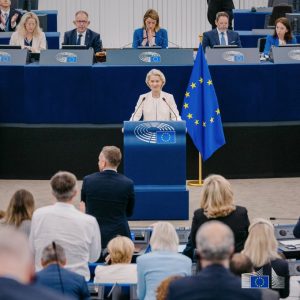
Von der Leyen outlines vision for a stronger, more independent Europe in 2026 State of the Union address
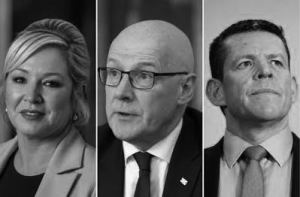
Scotland, Wales, and Northern Ireland leaders intensify push to break away from UK
- Tinubu commissions NRS Headquarters, says new tax reforms will drive prosperity
- Tinubu assures investors of regulatory stability as Ogun, DP World sign $7bn port, SEZ MoUs
- Climate change anxiety is rising — and so is the willingness to act on it
- Ohaukwu LG Chairman Ituma breaks ground for modern diagnostic centre, blood bank
- Baseball boosts TBS, NFL gives ESPN a kick and streamers love ‘Squid’
Community Discussion