Category: International

  • BREAKING: U.S. launches fresh strikes on Iranian military targets, denies casualty claims

    BREAKING: U.S. launches fresh strikes on Iranian military targets, denies casualty claims

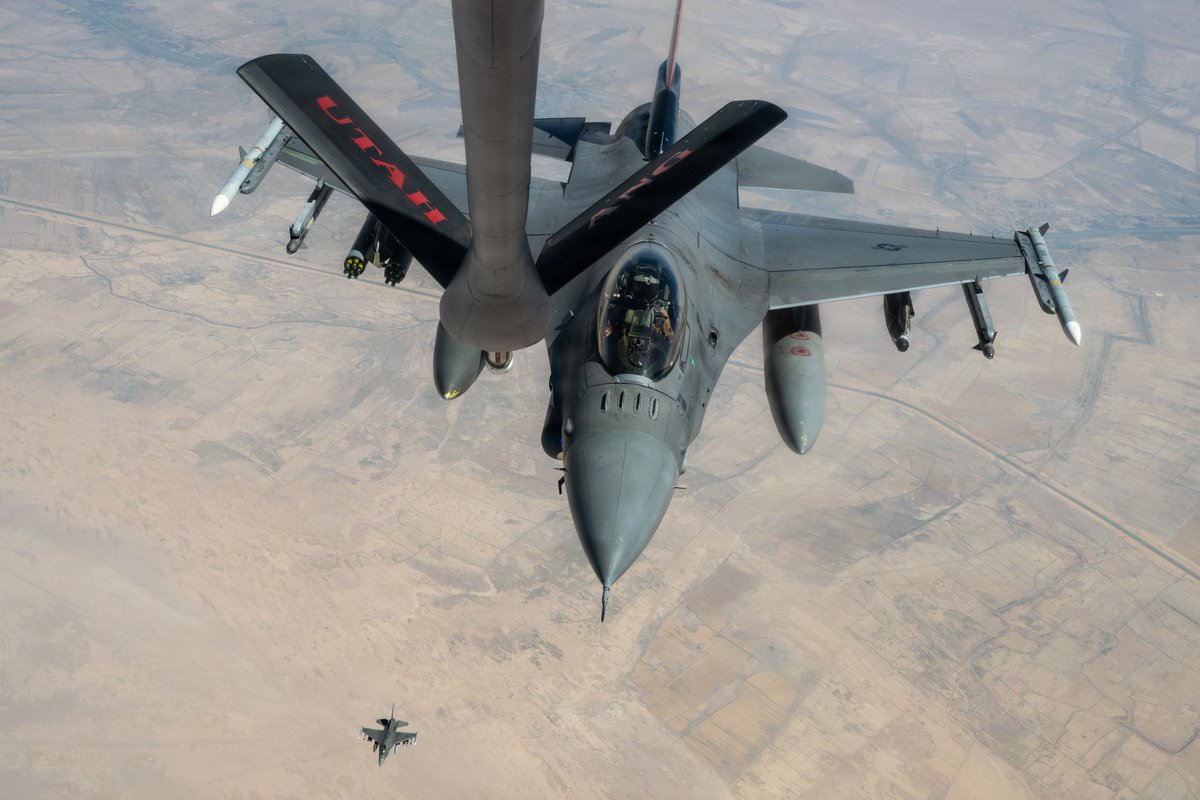
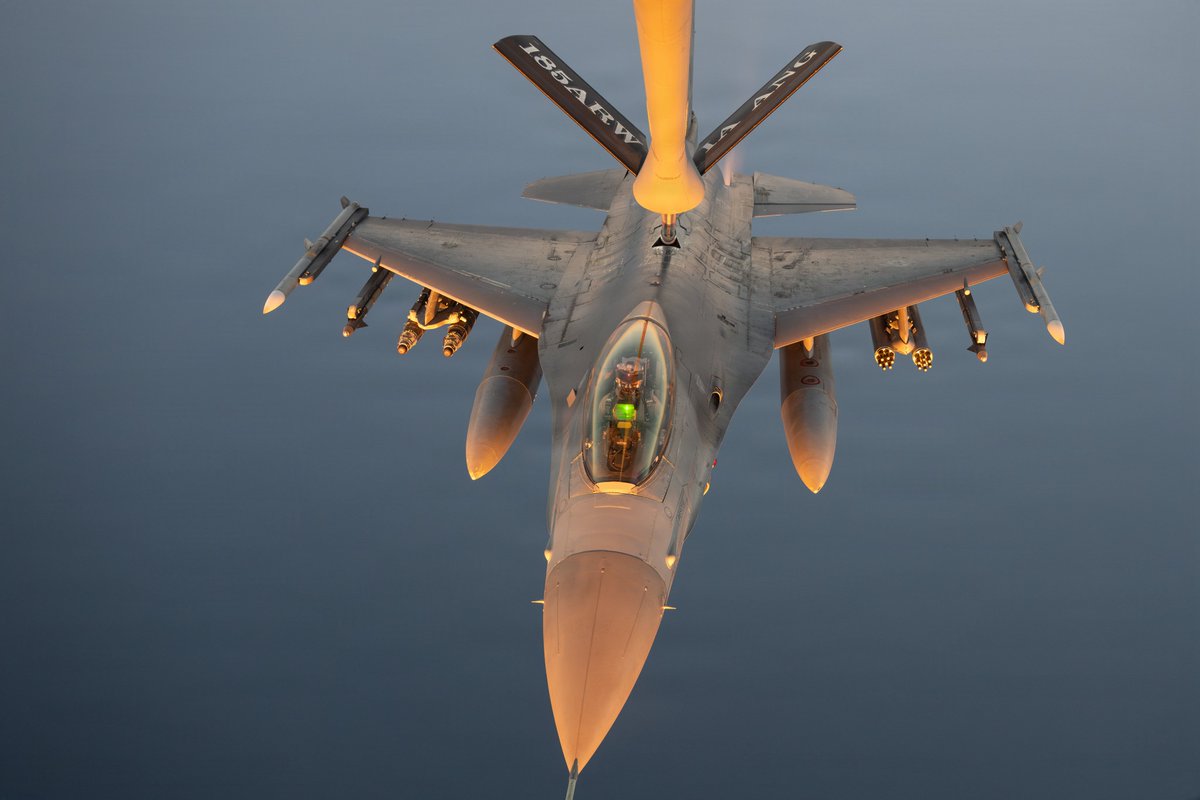
    WASHINGTON, D.C. (NPA) — The United States has launched another round of military strikes against targets inside Iran as tensions continue to escalate following the collapse of the fragile ceasefire between the two countries.

    The latest operation, carried out by the U.S. Central Command (CENTCOM), is aimed at further degrading Iran’s military capabilities and preventing attacks on civilian mariners and commercial vessels transiting the Strait of Hormuz.

    In a statement on Sunday, CENTCOM said the strikes commenced at 5 p.m. ET on the orders of the Commander-in-Chief.

    “At 5 p.m. ET today, U.S. Central Command forces began launching more strikes against Iran to continue degrading their ability to attack civilian mariners and commercial ships freely transiting the Strait of Hormuz. The Commander in Chief has directed the strikes to hold Iranian forces accountable,” the statement said.

    CENTCOM said the operation forms part of ongoing efforts to safeguard international shipping through the Strait of Hormuz, one of the world’s busiest and most strategically important maritime trade routes.

    Meanwhile, the U.S. military dismissed reports circulating on Iranian media and social media platforms alleging that three American service members were killed in Kuwait during Iranian strikes.

    Describing the reports as false, CENTCOM said all U.S. military personnel in the region had been accounted for.

    “Iranian propaganda claimed today that three American service members were killed in Kuwait by strikes from Iran. False.

    “Truth: There are zero reports of U.S. service member deaths or injuries in the region. All personnel are accounted for,” the command stated.

    The renewed exchange of hostilities has further heightened concerns over the security of international maritime traffic through the Strait of Hormuz, a critical global shipping corridor through which a significant share of the world’s oil and liquefied natural gas exports passes.

    Analysts warn that any prolonged disruption to navigation through the waterway could have far-reaching implications for global energy supplies, shipping operations and international trade.

    The latest military developments signal growing volatility in the Gulf region as diplomatic efforts to restore the ceasefire remain uncertain after US President Donald Trump said the ceasefire is over at the recently concluded NATO Summit in Ankara, Turkey.

  • BREAKING: Trump confirms death of U.S. Senator Lindsey Graham, Zelenskyy pays tribute

    BREAKING: Trump confirms death of U.S. Senator Lindsey Graham, Zelenskyy pays tribute

    WASHINGTON, D.C. (NPA) — United States President Donald Trump has confirmed the death of veteran Republican Senator Lindsey Graham, describing him as a patriot and one of the finest lawmakers he has known.

    Graham, who represented South Carolina in the U.S. Senate from January 2003 until his death on July 11, 2026, served in the chamber for more than two decades.

    Announcing the development in a post on Truth Social on Sunday, President Trump paid tribute to the late senator’s public service and unwavering commitment to the United States.

    “Senator Lindsey Graham, one of the greatest people and Senators I have ever known, is dead! He was always working, and was a true American Patriot. Lindsey will be greatly missed!!! DETAILS AND ARRANGEMENTS TO FOLLOW. So sad!” Trump wrote.

    Also reacting, Ukrainian President Volodymyr Zelenskyy described Graham as a steadfast supporter of Ukraine and a champion of freedom whose contributions would be remembered.

    In a statement on Sunday, Zelenskyy said he was deeply saddened by the senator’s death.

    “Deeply saddened by the news of the passing of United States Senator Lindsey Graham. Lindsey was a true defender of freedom and the values that make our world safer,” he said.

    According to the Ukrainian leader, Graham visited Ukraine 10 times since the start of Russia’s full-scale invasion and consistently stood with the Ukrainian people during some of their most difficult moments.

    “He visited Ukraine ten times during the years of Russia’s full-scale invasion and was here with our people when it was most needed. We remained in constant dialogue, and I will miss our conversations. We met twice in just the past week,” Zelenskyy said.

    He added that Graham had been a leading advocate for bipartisan and bicameral support for Ukraine in the United States Congress and had recently been working on initiatives aimed at strengthening sanctions against Russia and advancing efforts towards peace.

    “We will always be especially grateful for the recognition of our people and words of admiration for the courage of Ukraine’s defenders,” Zelenskyy added.

    Describing the senator’s passing as a significant loss, the Ukrainian President said America and the international community had lost a determined leader.

    “Our condolences go out to Lindsey’s family, loved ones, and everyone who had the privilege of working alongside him,” he said.

  • Two men charged over string of armed robberies targeting T-Mobile stores in U.S.

    Two men charged over string of armed robberies targeting T-Mobile stores in U.S.

    WASHINGTON, D.C. (NPA) — United States authorities have arrested and charged two men over a series of alleged armed robberies targeting T-Mobile stores in Washington, D.C., and neighbouring Maryland.

    The U.S. Attorney’s Office for the District of Columbia announced that Juwan Tyre Hall, 30, and Anthony Burno, 32, both residents of Washington, D.C., were arrested after a federal grand jury indicted them on four counts of Interference with Interstate Commerce by Robbery.

    According to court documents, the two men allegedly carried out a string of armed robberies between November 2025 and March 2026, targeting six T-Mobile stores and a pawn shop.

    Prosecutors alleged that the suspects, dressed in black clothing and wearing face masks, entered the businesses armed with a handgun, threatened customers and employees, and forced them to cooperate before stealing cash and mobile devices from store safes.

    Investigators further alleged that the pair fled the scenes using stolen vehicles, later changing clothes and switching vehicles in an effort to evade law enforcement.

    The arrests were announced by U.S. Attorney Jeanine Ferris Pirro alongside FBI Washington Field Office Assistant Director in Charge Darren B. Cox and Interim Chief Jeffrey W. Carroll of the Metropolitan Police Department.

    The case is being investigated jointly by the Federal Bureau of Investigation (FBI) Washington Field Office and the Metropolitan Police Department, while prosecutors from the U.S. Attorney’s Office for the District of Columbia are handling the case.

    The U.S. Attorney’s Office stressed that the charges contained in the indictment are allegations only.

    Under U.S. law, Hall and Burno are presumed innocent unless and until proven guilty beyond a reasonable doubt in a court of law.

  • U.S. launches fresh strikes on Iranian military targets, CENTCOM says

    U.S. launches fresh strikes on Iranian military targets, CENTCOM says

    INTERNATIONAL (NPA) — The United States Central Command (CENTCOM) says its forces have carried out another round of military strikes against Iranian targets, claiming the operations were aimed at degrading Iran’s ability to threaten commercial shipping and civilian vessels in the Strait of Hormuz.

    In a statement issued on Thursday, CENTCOM said U.S. forces struck about 90 military targets across Iran on July 8.

    According to the command, the targets included air defence systems, coastal surveillance assets, missile and drone storage facilities, naval capabilities and military logistics infrastructure along Iran’s coastline.

    The U.S. military said the latest operation followed an earlier wave of strikes conducted on July 7.

    CENTCOM stated that approximately 80 Iranian military targets were hit during the previous operation, including more than 60 small boats belonging to the Islamic Revolutionary Guard Corps (IRGC).

    The command alleged that the strikes were intended to impose “heavy costs” on Iran following what it described as Tehran’s violation of the ceasefire through attacks on three commercial vessels transiting the Strait of Hormuz.

    The statement added that U.S. forces remained on high alert and were prepared to carry out further operations as directed by the Commander-in-Chief.

    Iran had not immediately responded to the latest U.S. claims as of the time of filing this report.

  • Nigeria condoles China over deadly Gansu landslide

    Nigeria condoles China over deadly Gansu landslide

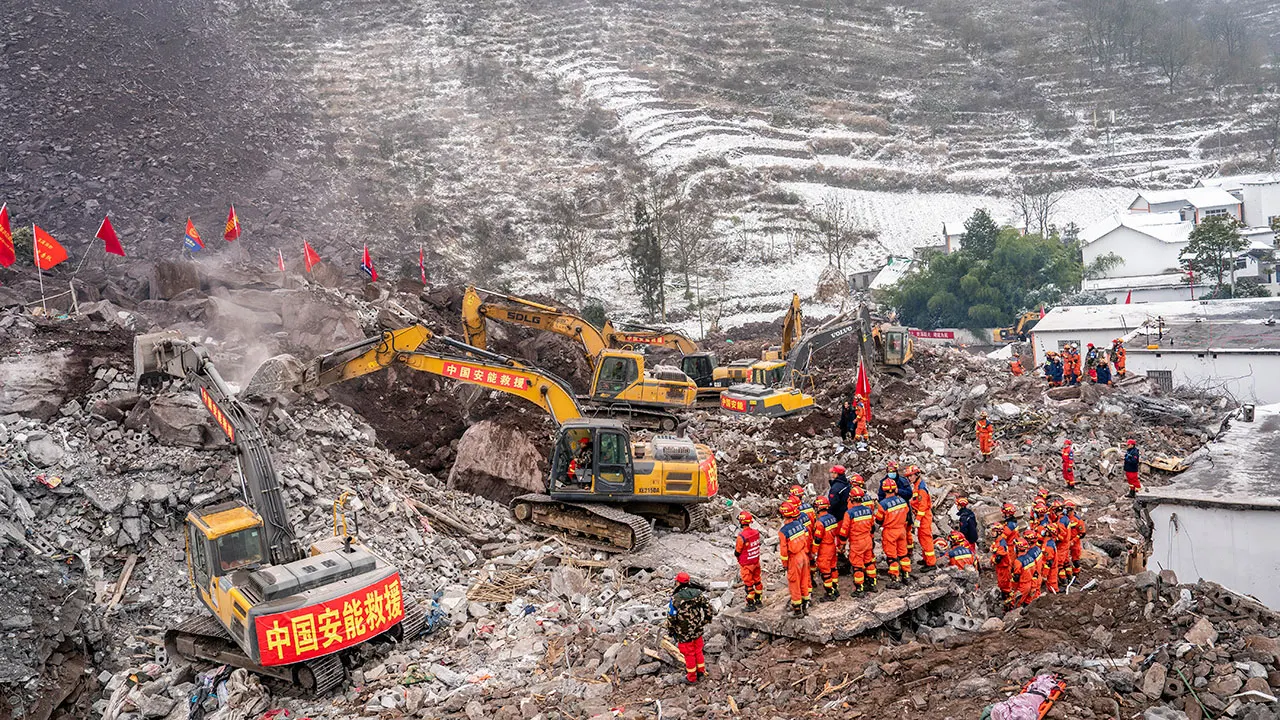
    ABUJA, Nigeria (NPA) — The Federal Government has expressed condolences to the Government and people of China following the deadly landslide that struck Tanchang County in Gansu Province, killing at least 21 people.

    In a statement issued on Wednesday, the Ministry of Foreign Affairs said Nigeria was deeply saddened by the disaster, which also left several others affected as rescue operations continued.

    The government extended its sympathies to the families of the victims, wished those injured a speedy recovery and expressed solidarity with everyone affected by the tragedy.

    “Nigeria commends the swift response of the Chinese authorities and rescue teams in their efforts to save lives and provide relief to those impacted,” the ministry said.

    The statement noted that Nigeria and China share a long-standing strategic partnership founded on mutual respect, friendship and cooperation.

    According to the ministry, Nigeria stands with China during the difficult period and expressed confidence in the resilience of the Chinese people and government as recovery and rehabilitation efforts continue.

    The Federal Government also prayed for the peaceful repose of those who lost their lives and comfort for the bereaved families.

    Meanwhile, at the time of filing this report, the death toll had climbed to over 40 as rescue efforts continue.

  • Russia’s intensifying strikes show battlefield failure, EU Council President says

    Russia’s intensifying strikes show battlefield failure, EU Council President says

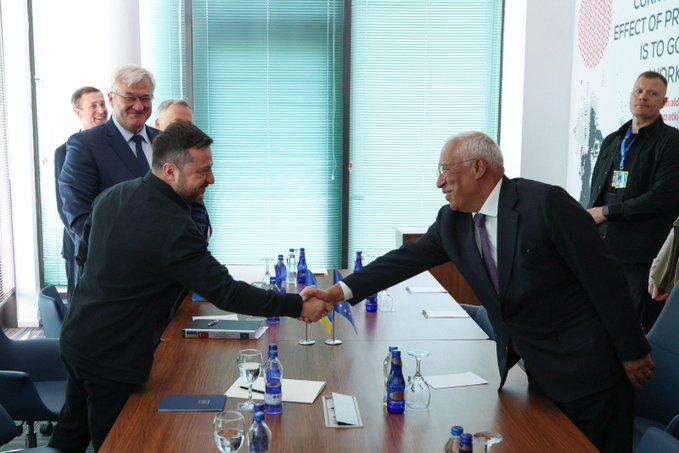
    ANKARA, Türkiye (NPA) — President of the European Council, António Costa, has said Russia’s intensified attacks on Ukrainian cities and critical infrastructure demonstrate its failure to achieve its military objectives on the battlefield.

    Costa made the remarks on the sidelines of the ongoing NATO Summit in Ankara following a meeting with Ukrainian President Volodymyr Zelenskyy.

    In a statement issued on Tuesday, Costa said the European Union remained committed to supporting Ukraine and advancing its bid for membership of the bloc.

    According to him, negotiations on Ukraine’s accession to the European Union are progressing, with the opening of a new negotiating cluster expected soon.

    “There is growing global momentum to deliver peace through strength by increasing financial, energy and military support for Ukraine while stepping up pressure on Russia to engage in meaningful peace talks,” he said.

    Costa added that Russia’s escalating attacks on Ukraine’s cities and infrastructure underscored its inability to achieve its objectives through military action.

    “We stand with Ukraine every step of the way,” he said.

    Newpost Africa reports that the European Union has expanded financial and military support for Ukraine as the war enters another year. In recent weeks, the European Commission began disbursing billions of euros under the Ukraine Support Loan and Facility, funding drones, air defence systems, ammunition and broader budgetary needs. EU leaders reaffirmed their commitment to long‑term political, financial, humanitarian and military aid.

    Meanwhile, the European Council reiterated its backing for Ukraine’s EU membership bid, following the first accession negotiations cluster in June. Leaders pledged to maintain pressure on Russia while supporting Ukraine’s economic recovery, defence and post‑war reconstruction as part of the bloc’s security strategy.

    The conflict has also seen Ukraine intensify long‑range strikes on military and energy infrastructure inside Russia. Forces have increasingly used drones and precision weapons to hit oil depots, refineries, air bases and logistics hubs, saying the operations aim to weaken Russia’s war effort. Moscow has condemned the attacks, while Kyiv insists they are legitimate military targets under its right to self‑defence.

  • Trump confirms fresh U.S. airstrikes on Iran, warns of further military action

    Trump confirms fresh U.S. airstrikes on Iran, warns of further military action

    WASHINGTON, D.C. (NPA) — U.S. President Donald Trump has confirmed that American forces carried out fresh airstrikes against Iranian military targets, accusing Tehran of repeatedly violating the ceasefire agreement between the two countries.

    In a statement posted on his Truth Social platform on Sunday, Trump said U.S. aircraft targeted Iranian missile and drone storage facilities, as well as coastal radar installations, following what he described as another breach of the ceasefire by Iran.

    “United States aircraft just struck Iranian missile and drone storage locations, and coastal radar sites, for violating the Cease Fire Agreement, AGAIN! It is very possible that they will never learn!” Trump wrote.

    He warned that Washington could escalate its military response if Tehran continued what he described as repeated acts of aggression.

    “There may come a point when we are no longer able to be reasonable, and will be forced to militarily complete the job that we very successfully started. If that happens, the Islamic Republic of Iran will no longer exist,” Trump added.

    The latest strikes followed an Iranian drone attack on a commercial oil tanker transiting the Strait of Hormuz, which U.S. officials cited as the immediate trigger for the military operation. According to the U.S. military, the strikes targeted surveillance infrastructure, missile and drone facilities, air defence systems and coastal radar sites near the strategic waterway.

    Iran has rejected the U.S. accusations and, according to reports, responded by launching missile and drone attacks against U.S. military installations in Bahrain and Kuwait, further escalating tensions in the Gulf.

    Authorities in both countries activated air defence systems, although no significant casualties were immediately reported.

    The renewed exchange of attacks has raised fresh concerns over the fragile ceasefire reached earlier this month and threatens ongoing diplomatic efforts aimed at reducing tensions between Washington and Tehran.

    The Strait of Hormuz, through which about a fifth of the world’s oil supply passes, has remained a focal point of the crisis, with commercial shipping facing repeated security threats in recent days.

    Regional governments have called for restraint, warning that further escalation could undermine security and disrupt global energy supplies.

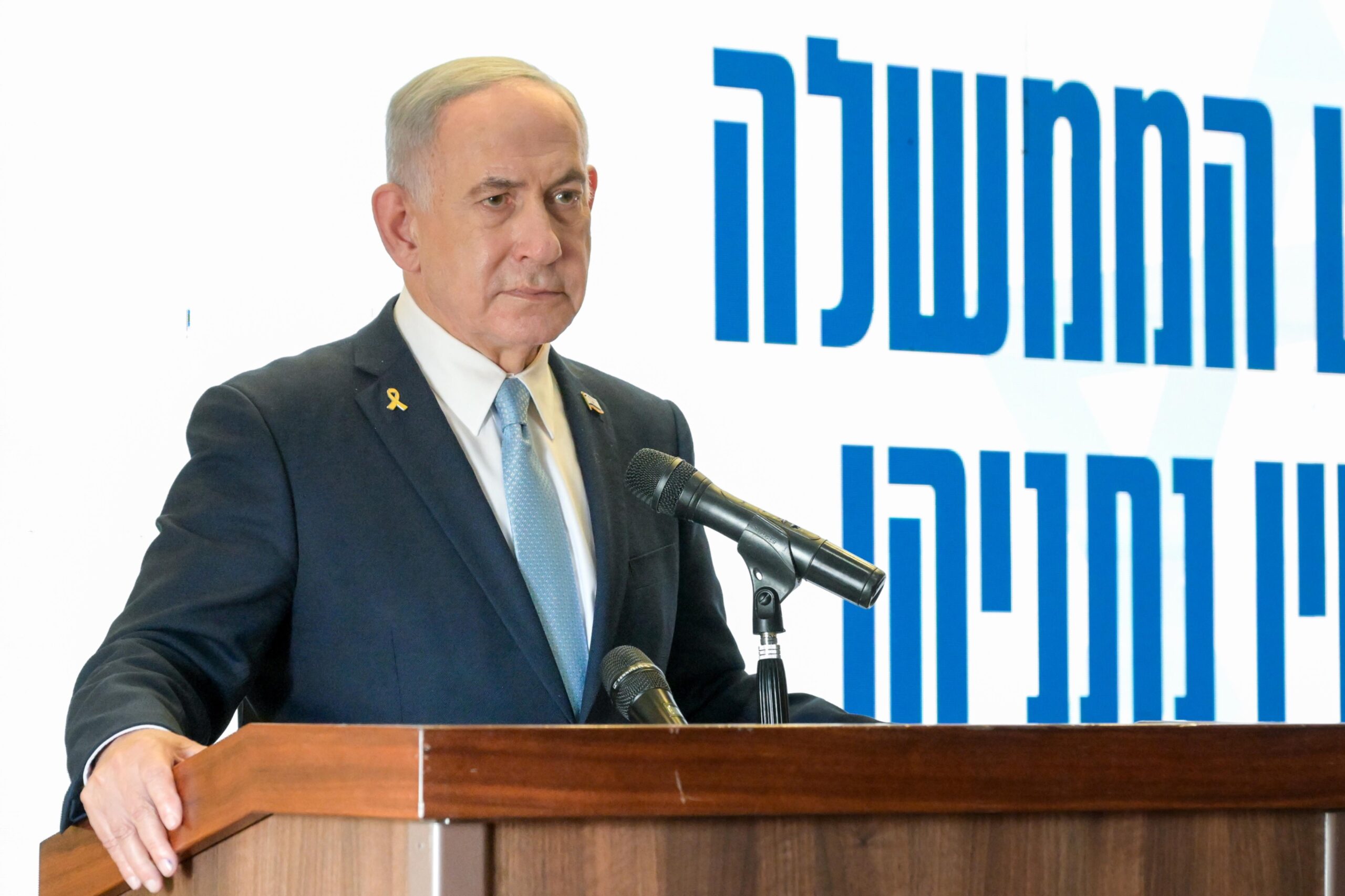
  • JUST IN: Netanyahu hails Israel-Lebanon framework, says deal weakens Iran, Hezbollah

    JUST IN: Netanyahu hails Israel-Lebanon framework, says deal weakens Iran, Hezbollah

    JERUSALEM, Israel (NPA) — Israeli Prime Minister Benjamin Netanyahu has hailed the new framework of understandings between Israel and Lebanon as a historic breakthrough, saying it paves the way for ending hostilities and eventually reaching a formal peace agreement between the two countries.

    Addressing a news conference on Saturday, Netanyahu said the agreement followed direct negotiations between Israel and Lebanon mediated by the United States.

    “Yesterday, before the start of the Sabbath, we achieved a historic accomplishment for the State of Israel,” Netanyahu said.

    “Following direct negotiations between Israel and Lebanon, mediated by the United States, we have reached a framework of understandings that allows us to move forward toward ending the conflict and, God willing, eventually reaching a peace agreement between the two countries.”

    According to the Israeli leader, the understandings recognise Israel’s right to maintain what he described as a security zone inside southern Lebanon for as long as necessary.

    He said Israeli forces would remain in the area until Hezbollah and other armed groups are disarmed and no longer pose a threat to Israel.

    Netanyahu described the agreement as a major strategic setback for Iran and Hezbollah, accusing Tehran of attempting to force Israel to withdraw from southern Lebanon.

    “I stood firm on our vital interests and forcefully opposed the notion of forcing a withdrawal upon us,” he said.

    He added that Israel, Lebanon and the United States had agreed on a pilot programme in two areas near the Blue Line to facilitate Hezbollah’s disarmament and transfer security responsibilities to the Lebanese Armed Forces.

    The Prime Minister thanked U.S. President Donald Trump, Secretary of State Marco Rubio and other American officials for facilitating the negotiations.

    He also expressed appreciation to the Lebanese government and people for what he described as their courage in supporting the process, while commending Israel’s negotiating team led by Ambassador Yechiel Leiter.

    Netanyahu argued that Israel’s military campaign against Hezbollah and Iranian interests created the conditions for the agreement.

    He claimed Israeli forces had destroyed about 90 per cent of Hezbollah’s missile and rocket stockpile, eliminated senior commanders, including former Hezbollah leader Hassan Nasrallah, and dismantled significant militant infrastructure in southern Lebanon.

    According to him, Israeli forces have also maintained control of several strategic locations while continuing operations to destroy tunnels, bunkers and other military positions.

    “We are breaking the Iranian axis of terror, but we are also breaking the Iranian diplomatic axis,” he said.

    Netanyahu acknowledged that military operations were continuing, particularly against what he described as the growing threat posed by explosive drones.

    Looking ahead, he said the agreement would strengthen both Israel and Lebanon while weakening Hezbollah and Iran’s regional influence.

    The Prime Minister pledged continued investment in Israel’s northern communities, announcing more than 20 billion shekels in reconstruction and economic support.

    “We will continue to do everything necessary to restore security to the residents of the North,” he said.

    “This is what I want to see: a quiet border between us and Lebanon, a border of peace. In the North, I want to see security, peace and prosperity.”

    The agreement comes amid continued international efforts to reduce tensions along the Israel-Lebanon border after months of cross-border fighting that raised fears of a wider regional conflict with Iran in the mix.

  • EU welcomes Israel-Lebanon peace framework, pledges support for regional stability

    EU welcomes Israel-Lebanon peace framework, pledges support for regional stability

    BRUSSELS, Belgium (NPA) — European Commission President Ursula von der Leyen has welcomed the peace framework signed between Israel and Lebanon, describing it as a significant step towards de-escalation and long-term stability in the Middle East.

    In a statement issued on Saturday, von der Leyen said the agreement marked a critical move away from conflict.

    “Because there can be no peace in the Middle East with Lebanon in flames,” she said.

    She thanked the United States for mediating the agreement and stressed that its successful implementation would depend on the disarmament of non-state armed groups and the preservation of Lebanon’s sovereignty and territorial integrity.

    “The EU stands ready to support this path to lasting regional stability, also with the continued delivery of much-needed humanitarian aid, with €100 million mobilised for the displaced,” she said.

    Under the Trilateral Framework signed on June 26 by the United States, Israel and Lebanon, the two countries committed to ending decades of conflict, strengthening their sovereignty and security, and working towards peaceful neighbourly relations through direct negotiations with U.S. mediation.

    The agreement outlines a phased security process under which the Lebanese Armed Forces (LAF) will gradually assume full security responsibility across Lebanese territory following the verified disarmament of non-state armed groups. As the process progresses, Israeli Defence Forces (IDF) are expected to redeploy from Lebanese territory under agreed security arrangements and U.S.-backed verification mechanisms.

    Lebanon reaffirmed its commitment to restoring the state’s exclusive authority over the use of force, disarming all non-state armed groups, and ensuring that no armed organisation operates outside government control.

    Israel, for its part, stated that its military operations in Lebanon had been directed at threats posed by non-state armed groups, particularly Hezbollah, and reiterated that it has no territorial ambitions in Lebanon.

    Both governments affirmed their right to self-defence under the United Nations Charter while agreeing that no third party should exercise that right on their behalf. They also committed to establishing a military coordination group with U.S. participation to oversee implementation of the framework.

    The agreement also provides for the creation of working groups to negotiate a comprehensive peace and security treaty, while the United States pledged to mobilise international support for Lebanon’s reconstruction, economic recovery and humanitarian assistance.

    In addition, Lebanon and the United States committed to preventing reconstruction funds or financial resources from reaching non-state armed groups, with future U.S. assistance tied to measurable reforms, transparency and verified progress.

    The two countries also pledged to refrain from hostile actions in international political and legal forums and to cooperate on the return of detainees and human remains as confidence-building measures, while expressing appreciation to the United States and President Donald Trump’s role for facilitating the end of decades of conflict and promoting lasting regional peace.

  • U.S. launches strikes on Iran after reported drone attack on commercial ship

    U.S. launches strikes on Iran after reported drone attack on commercial ship

    WASHINGTON, D.C. (NPA) — The United States has launched military strikes against targets in Iran in response to what it described as a drone attack on a commercial vessel transiting the Strait of Hormuz.

    In a statement on Friday, the U.S. Central Command (CENTCOM) said its forces carried out strikes on Iranian missile and drone storage facilities, as well as coastal radar sites, following the June 25 attack on the M/V Ever Lovely.

    According to CENTCOM, the Singapore-flagged cargo vessel was exiting the Strait of Hormuz along the Omani coast when it was struck by a one-way attack drone allegedly launched by Iran.

    The U.S. military described the attack as an “unwarranted aggression” against commercial shipping, saying it violated the ceasefire agreement between Washington and Tehran and undermined freedom of navigation through one of the world’s most important maritime trade routes.

    CENTCOM said its forces would continue to coordinate and support the safe passage of commercial vessels transiting the Strait of Hormuz.

    “The U.S. military remains present and vigilant to ensure all aspects of the agreement with Iran are adhered to, obeyed, and remain in full force and effect,” the statement said.

    The military action follows allegations by U.S. President Donald Trump that Iran breached the ceasefire agreement by launching four one-way attack drones at commercial ships in the strategic waterway.

    The accusation came after Iran rejected a new shipping corridor proposed by Oman to facilitate maritime traffic through the Strait of Hormuz. Tehran had warned that vessels using the alternative route, rather than the channel it recognises, could be targeted.

    In a post on his Truth Social platform, Trump claimed one of the drones struck the upper deck of a cargo vessel, while U.S. forces intercepted the remaining three.

    “The Islamic Republic of Iran shot at least four One Way Attack Drones at ships transversing the Strait of Hormuz. One of the drones solidly hit the upper deck of a large and very expensive cargo-carrying ship. Damage was done, but the ship was able to proceed on its way. We knocked down three other drones. Obviously, this is a foolish violation of our Ceasefire Agreement,” Trump wrote.

    As of the time of filing this report, Iranian authorities had not publicly responded to the U.S. strikes or CENTCOM’s allegations.