

Extreme heat threatens global agrifood systems, FAO-WMO Warn
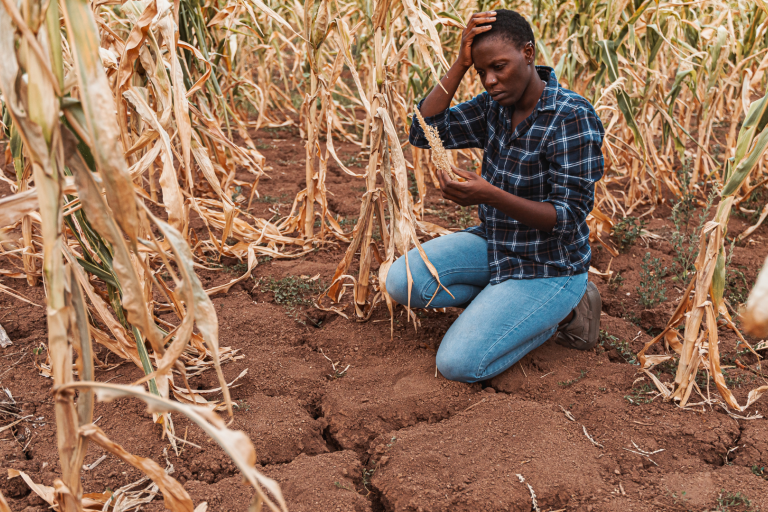
INTERNATIONAL (NPA) — Extreme heat events are pushing agrifood systems to the brink, threatening the livelihoods, health, and productivity of more than a billion people, according to a new joint report released by the Food and Agriculture Organization of the United Nations (FAO) and the World Meteorological Organization (WMO).
The report, Extreme Heat and Agriculture, launched on Earth Day, warns that rising temperatures are exerting mounting pressure on crops, livestock, fisheries, forests, and the communities that depend on them. FAO Director-General QU Dongyu described extreme heat as a “major risk multiplier,” stressing its compounding effects on agrifood systems. WMO Secretary-General Celeste Saulo added that extreme heat is no longer an isolated climatic hazard but a defining condition for agriculture, noting that early warnings and climate services are vital to adaptation.
The report outlines how extreme heat affects plants, animals, fish, and humans. For livestock, stress begins at temperatures above 25°C, with chickens and pigs particularly vulnerable. Fish are also at risk, suffering cardiac failure in overheated waters with reduced oxygen levels.

WMO’s State of the Global Climate 2025 found that more than 90 percent of the global ocean experienced at least one marine heatwave last year. For crops, yield declines typically begin above 30°C, with sensitive crops such as potatoes and barley affected at even lower thresholds. Heat waves also correlate strongly with wildfires, extending fire seasons and intensifying their impacts.
Human labour is equally endangered. Agricultural workers face rising health risks and productivity losses, with the report warning that in regions such as South Asia, tropical Sub-Saharan Africa, and parts of Central and South America, the number of days too hot to work could rise to 250 annually.
The danger of extreme heat lies not only in direct impacts but also in its role as a risk multiplier, exacerbating water stress, triggering flash droughts, fueling wildfires, and fostering the spread of pests and diseases.
To counter these threats, the FAO-WMO report calls for innovation and adaptive measures. Recommendations include selective breeding of heat-resistant livestock, crop choices adjusted to new climate realities, shifting planting windows, and altering management practices to shield crops and agricultural activities.
Early warning systems are emphasised as critical tools to help farmers prepare for extreme heat, while access to financial services such as cash transfers, insurance, and social protection schemes is highlighted as essential to recovery.
The report urges governments and international institutions to strengthen resilience at both farm and systemic levels. It calls for collective political will to share risks and transition decisively away from high-emission futures. “Protecting the future of agriculture and ensuring global food security will require not only building on-farm resilience but also exercising international solidarity and collective political will for risk sharing, and a decisive transition away from a high-emissions future,” the report concludes.
Released on Earth Day, the findings establishes the interconnectedness of climate change, food security, and ecosystem health. With extreme heat already reshaping the conditions under which agriculture operates, FAO and WMO stress that adaptation is not optional but essential to sustaining food production and protecting vulnerable populations.

Uganda warns women entrepreneurs against fraudulent GROW Project grant offers

23 killed, 16 hospitalised in Nairobi-Mombasa Highway head-on collision

Ghana, UK review bilateral ties ahead of Mahama’s official visit

Nigeria, Ethiopia deepen cooperation on trade and investment

World Bank upgrades Africa growth outlook, says AI could boost jobs and productivity
Uganda vaccinates more than 8.2 million children in Measles-Rubella Campaign

NCDC heightens vigilance after imported Ebola case confirmed in Kenya

Eswatini says three third-country nationals voluntarily return home
- Tinubu commissions NRS Headquarters, says new tax reforms will drive prosperity
- Tinubu assures investors of regulatory stability as Ogun, DP World sign $7bn port, SEZ MoUs
- Climate change anxiety is rising — and so is the willingness to act on it
- Peter Obi mourns Afenifere leader Fasoranti, Gregory University founder Ibe
- Baseball boosts TBS, NFL gives ESPN a kick and streamers love ‘Squid’
Community Discussion