

AU Deputy Chairperson Haddadi urges paradigm shift in global cooperation at WBG/IMF Spring Meetings
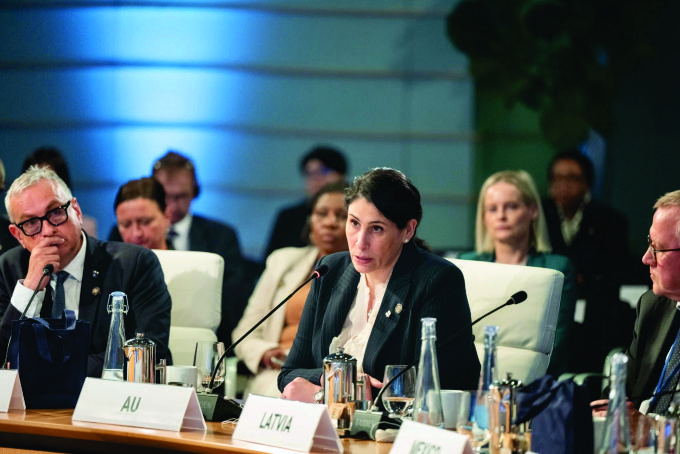
INTERNATIONAL (NPA) — The African Union Commission (AUC) has urged a fundamental shift in multilateral cooperation to support job creation and economic transformation across the continent.
Speaking at the Joint Ministerial Committee of the Boards of Governors of the World Bank Group and the International Monetary Fund during the 2026 Spring Meetings in Washington, AUC Deputy Chairperson Selma Malika Haddadi stressed that Africa’s demographic strength must be harnessed through deliberate action to create more and better‑paid jobs.
“For Africa, this is not an abstract policy question. It is an urgent development, economic, and stability imperative,” Haddadi said. She emphasised that Africa’s greatest asset is its people, particularly youth and women, but warned that prosperity will only be realised if enabling conditions are created.

The Deputy Chairperson welcomed the World Bank report’s central message that job creation requires deliberate investment in infrastructure, digital public systems, skills development, institutional strengthening, regulatory certainty, and private sector growth. “Job creation does not happen by chance, but requires deliberate action to build the right enabling environment,” she noted.
Haddadi, however, criticised the current multilateral system, saying it has not consistently provided the robust and predictable support needed for Africa’s transformation. “Too often, support remains fragmented, reactive, and insufficiently aligned with regional and continental development priorities and opportunities,” she said.
She pointed to frameworks such as Agenda 2063 and the African Continental Free Trade Area (AfCFTA) as evidence of Africa’s political resolve and institutional capacity to drive reforms. Member States, she added, are undertaking difficult reforms to strengthen competitiveness, enterprise, and employment.
The AU–World Bank partnership, Haddadi said, has elevated the conversation by linking jobs more clearly to infrastructure, energy, trade, skills, industrialisation, and financial inclusion. What is now required, she argued, is a paradigm shift: “From fragmented initiatives to coordinated delivery, from short‑term interventions to long‑term transformation, and from dialogue to implementation at scale.”
In closing, Haddadi underscored that job creation is central to Africa’s future. “Creating the enabling environment for more and better‑paid jobs is not peripheral to Africa’s future. It is central to resilience, dignity, and shared prosperity,” she said.
Ghana, UK review bilateral ties ahead of Mahama’s official visit
Nigeria, Ethiopia deepen cooperation on trade and investment

World Bank upgrades Africa growth outlook, says AI could boost jobs and productivity

Uganda vaccinates more than 8.2 million children in Measles-Rubella Campaign

NCDC heightens vigilance after imported Ebola case confirmed in Kenya

Eswatini says three third-country nationals voluntarily return home
NAFDAC DG advocates stronger continental cooperation on food safety
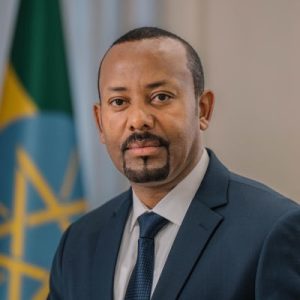
AU Commission Chairperson congratulates Abiy Ahmed on re-election
- Tinubu commissions NRS Headquarters, says new tax reforms will drive prosperity
- Tinubu assures investors of regulatory stability as Ogun, DP World sign $7bn port, SEZ MoUs
- Climate change anxiety is rising — and so is the willingness to act on it
- Ohaukwu LG Chairman Ituma breaks ground for modern diagnostic centre, blood bank
- Baseball boosts TBS, NFL gives ESPN a kick and streamers love ‘Squid’
Community Discussion