

WTO warns Middle East conflict could slow global trade in latest report
INTERNATIONAL (NPA) — March 20, 2026 — The World Trade Organization (WTO) says global trade growth will slow in 2026, after stronger‑than‑expected gains last year driven by booming demand for AI‑related products.
According to the WTO’s latest Global Trade Outlook published on March 19, merchandise trade is forecast to grow by 1.9% in 2026, down from 4.6% in 2025, before picking up slightly to 2.6% in 2027. Services trade is also expected to ease, rising 4.8% in 2026 compared with 5.3% in 2025. Together, goods and services trade will expand by 2.7% in 2026, compared with 4.7% last year.
The slowdown is linked to the ongoing Middle East conflict, which has disrupted transport routes and raised energy prices. If oil and gas prices stay high, WTO economists warn global GDP growth could fall by 0.3 percentage points, while trade growth could drop by 0.5 points — with energy‑importing regions like Asia and Europe hit hardest.

The conflict has already blocked traffic through the Strait of Hormuz, a vital global shipping lane. This has disrupted fertilizer exports critical for farming and raised food security concerns in countries such as India, Thailand, and Brazil. Gulf states, heavily dependent on food imports, also face rising costs. Transport disruptions have cancelled tens of thousands of flights and increased insurance premiums, adding further strain on businesses and consumers worldwide.
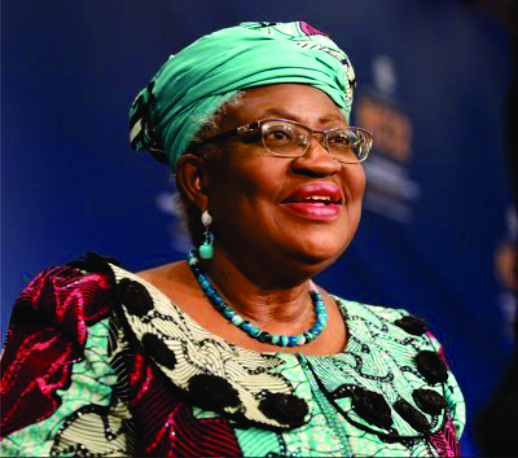
Despite these risks, WTO Director‑General Ngozi Okonjo‑Iweala stressed that trade remains resilient, supported by high‑tech goods and digital services. She urged governments to keep trade policies predictable and strengthen supply chains to cushion the impact.
There is some upside: if the conflict ends quickly and AI‑related spending continues, trade growth could rise to 2.4% in 2026 and 2.7% in 2027. But if energy prices remain high, the outlook will stay fragile.
In 2025, AI‑enabling goods such as semiconductors and data equipment grew by nearly 22%, accounting for almost half of global trade growth. WTO economists say this sector could continue to offset some of the negative effects of tariffs and geopolitical tensions, offering hope that technology will remain a bright spot in otherwise uncertain times.


Ghana, UK review bilateral ties ahead of Mahama’s official visit

Nigeria, Ethiopia deepen cooperation on trade and investment
World Bank upgrades Africa growth outlook, says AI could boost jobs and productivity

Uganda vaccinates more than 8.2 million children in Measles-Rubella Campaign

NCDC heightens vigilance after imported Ebola case confirmed in Kenya

Eswatini says three third-country nationals voluntarily return home

NAFDAC DG advocates stronger continental cooperation on food safety

AU Commission Chairperson congratulates Abiy Ahmed on re-election
- Tinubu commissions NRS Headquarters, says new tax reforms will drive prosperity
- Tinubu assures investors of regulatory stability as Ogun, DP World sign $7bn port, SEZ MoUs
- Climate change anxiety is rising — and so is the willingness to act on it
- Ohaukwu LG Chairman Ituma breaks ground for modern diagnostic centre, blood bank
- Baseball boosts TBS, NFL gives ESPN a kick and streamers love ‘Squid’
Community Discussion