

ICC explains victims’ rights and participation in court proceedings
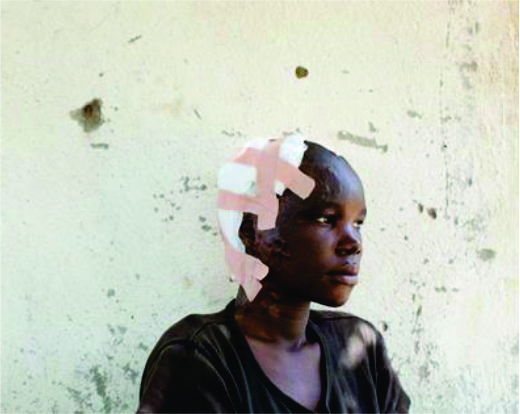
INTERNATIONAL (NPA) — The International Criminal Court (ICC) has reaffirmed the central role of victims in its judicial processes, underscoring their rights to participate, seek reparations, and receive assistance under the Rome Statute.
Victims, according to the Court, are individuals or institutions that have suffered harm as a result of crimes within its jurisdiction. This includes not only persons but also organizations dedicated to religion, education, art, science, or humanitarian purposes whose property has been directly affected. The Court emphasized that its staff are trained to address the specific needs of vulnerable groups such as children, the elderly, persons with disabilities, and survivors of sexual or gender‑based violence.
Participation in Proceedings

Under Article 68(3) of the Rome Statute, victims have the right to present their views and concerns directly to ICC judges. This right extends from the pre‑trial stage through appeals. Victims may apply to participate using standard forms developed by the Registry, with separate guidelines for individuals and institutions. The Victims Participation and Reparations Section (VPRS) provides assistance, training, and advice to ensure applications are properly completed and expectations are managed.
For the first time in international criminal justice, victims can be represented in the courtroom by legal counsel. Where victims lack resources, the Registry may provide financial assistance to secure representation. Their identities are protected through pseudonyms, ensuring confidentiality while allowing their voices to be heard. Victims’ lawyers may attend hearings, file submissions, and even question witnesses, enabling them to contribute independently of the Prosecution or Defence.
Reparations and Assistance
The ICC also highlighted victims’ right to reparations following a conviction. Trial Chambers may order convicted persons to pay compensation, either individually or collectively, through the Trust Fund for Victims. Reparations may include monetary awards, return of property, rehabilitation, medical support, or symbolic measures such as memorials and apologies.
Beyond reparations, victims may benefit from assistance programs authorized by the Court, including rehabilitation and support services, even before a conviction is secured.
Institutional Support
The Office of Public Counsel for Victims (OPCV) provides independent legal representation and support, ensuring victims’ rights are protected without external pressure. The International Criminal Court Bar Association (ICCBA) also plays a role, representing counsel and support staff, and serving as a forum for professional dialogue.
The ICC reiterated that victims’ participation strengthens truth‑seeking and accountability, making them indispensable to the pursuit of international justice.

Biafra activist Simon Ekpa awaits Finnish Appeal Court ruling on six-year jail term tomorrow

Kano police arrest four suspects, recover three stolen vehicles
Amnesty International condemns police blocking of ‘Tinubu Must Go’ protest in Kano
SERAP sues CBN over alleged unaccounted $6.23m election funds, ₦1.63tn in other public funds

Abia police arrest 40-year-old suspect, recover fake ₦200 notes in Aba

Media Freedom Coalition demands justice 20 years after Anna Politkovskaya’s assassination

Finance Ministry Unaware of N124.86bn CBN withdrawal, witness tells court in Emefiele trial

Former US federal employee pleads guilty to $194 million government fraud scheme
- Tinubu commissions NRS Headquarters, says new tax reforms will drive prosperity
- Tinubu assures investors of regulatory stability as Ogun, DP World sign $7bn port, SEZ MoUs
- Climate change anxiety is rising — and so is the willingness to act on it
- Ohaukwu LG Chairman Ituma breaks ground for modern diagnostic centre, blood bank
- Baseball boosts TBS, NFL gives ESPN a kick and streamers love ‘Squid’
Community Discussion