Category: Africa

  • General Muhoozi Kainerugaba offers 100,000 Ugandan troops to defend Israel, Holy Land

    General Muhoozi Kainerugaba offers 100,000 Ugandan troops to defend Israel, Holy Land

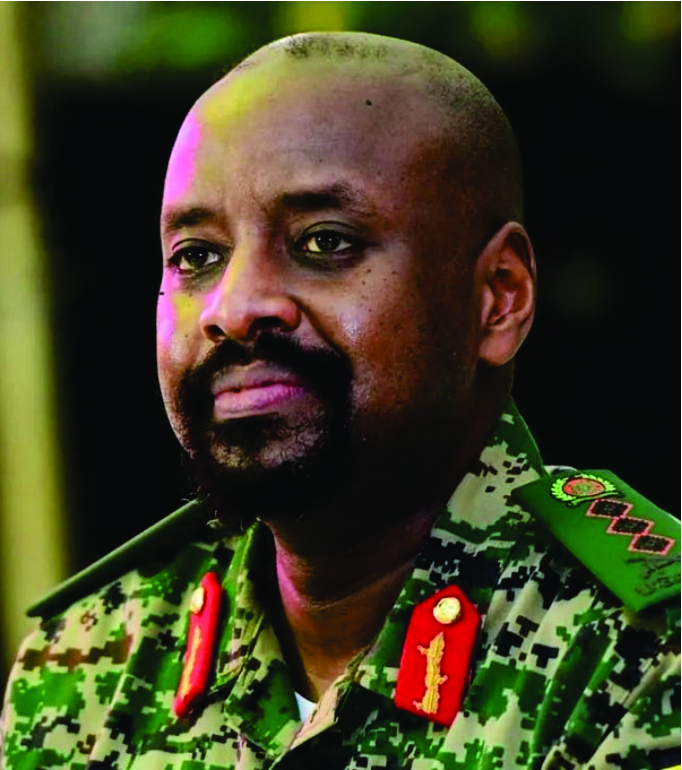
    KAMPALA, Uganda, 11 April 2026 (NPA) — Uganda’s Chief of Defence Forces, General Muhoozi Kainerugaba, has reiterated his strong support for Israel, openly declaring his readiness to deploy Ugandan forces to assist the Middle Eastern country in its fight against the Islamic Republic of Iran and its allies.

    In March 2026, the military chief had warned that any attempt to “destroy or defeat Israel” would draw Uganda into the conflict on Israel’s side. On 10 April, he went further, offering to personally command 100,000 Ugandan soldiers to deploy to Israel “to protect the Holy Land, the land of Jesus Christ our God.” His stance, he explained, is rooted in Christian faith, biblical references, and Uganda’s historical ties with Israel.

    The declaration comes shortly after the unveiling of a statue in Kampala honouring Yonatan Netanyahu, the late brother of Israeli Prime Minister Benjamin Netanyahu, who was killed during the famous 1976 Entebbe raid. The statue symbolises Uganda’s recognition of Israel’s role in rescuing hostages during the crisis and serves as a reminder of the enduring bond between the two nations.

    Uganda and Israel have maintained a complex but resilient diplomatic relationship since the 1960s, marked by periods of cooperation in security, agriculture, and technology. The Entebbe raid remains a defining moment in bilateral ties, and recent gestures such as the Kampala statue underscore efforts to strengthen relations further.

    General Kainerugaba’s remarks highlight Uganda’s willingness to stand firmly with Israel in times of crisis, reflecting both religious conviction and a strategic partnership that has grown over decades.

  • AU Commission congratulates President Guelleh on re‑election

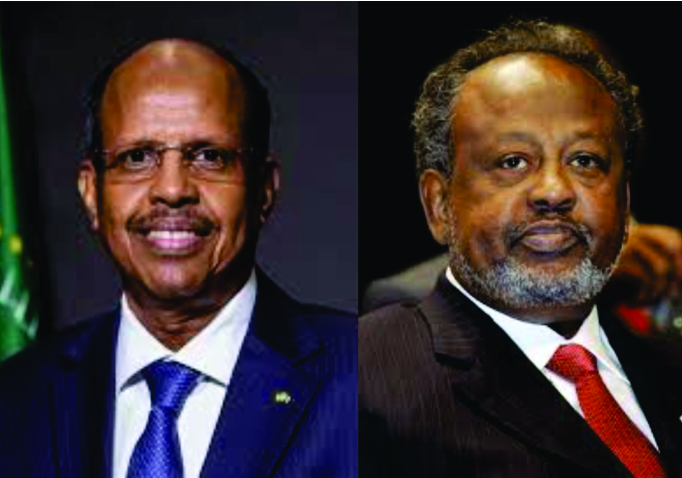
    AU Commission congratulates President Guelleh on re‑election

    ADDIS ABABA, Ethiopia, 11 April 2026 (NPA) — The Chairperson of the African Union Commission (AUC), H.E. Mahmoud Ali Youssouf, has warmly congratulated H.E. Ismail Omar Guelleh on his re‑election as President of the Republic of Djibouti.

    In a statement issued today, the AUC Chairperson noted the official results announced by Djibouti’s Independent National Electoral Commission (CENI), confirming the outcome of the presidential election. He commended the people of Djibouti for their peaceful participation, underscoring their commitment to democratic governance, national cohesion, and stability.

    Youssouf further acknowledged Djibouti’s important role in advancing regional peace, security, and cooperation in the Horn of Africa. He reaffirmed the African Union’s dedication to strengthening and advancing the shared aspirations of Agenda 2063 with member states.

    The Chairperson also praised the African Union Election Observation Mission (AUEOM) for its professionalism and expressed appreciation for the leadership of H.E. Bernard Makuza, former Prime Minister of Rwanda, who served as Head of Mission.

    Extending his best wishes to President Guelleh, Youssouf emphasised the AU’s continued support for Djibouti’s progress and stability, wishing the President a successful term in office.

  • Sharing meal, sharing love: Eritrea’s enduring culture of unity

    Sharing meal, sharing love: Eritrea’s enduring culture of unity

    ASMARA, Eritrea, 11 April 2026 (NPA) — Eating together in a group is an ancient human cultural tradition, found across different times and places. Archaeologists trace this practice back nearly 800,000 years and highlight food sharing as a fundamental chapter in human evolution. From a bio‑archaeological perspective, sharing a common meal is a ritual that connects the human being as a biological organism to a social person.

    In Eritrea, sharing a communal plate has been a well‑celebrated cultural practice for generations. It creates memorable moments when those gathered can share love and respect for one another, exchange valuable information, address urgent family or community matters informally, and strengthen their relationships. Across all Eritrean ethnic groups, the meaning of eating together goes far beyond a significant cultural tradition — it is a determining practice for survival and thriving.

    Among the Tigrinya ethnic group, this practice is called Meadi. Family members sit around a plate facing each other, ready to taste the food and engage in conversation. After a mother or another female member prepares everything, everyone waits for a blessing from the father or an elder. Following the blessing, the father gives each member a sizable piece of injera, passing it from his right side. This marks the beginning of the eating process in a well‑disciplined manner. Until everyone confirms they are satisfied, no one is allowed to leave the Meadi except in urgent situations or with the elder’s permission. It is a cultural taboo to leave the Meadi without consent, as that would show disrespect to all family members and to the blessing. Consequently, family members learn to sit together until everyone declares they are satisfied.

    All Eritrean ethnic groups share this sacred culture, with only slight differences in name. In the Saho ethnic group, eating together is known as Maddi; in Bilen — Meddira or Gbar; in Kunama — Gonta or Nada Gonta; in Nara — Gaan; in Bidawyet — Tooda; in Tigre — Metaagal; in Tigrinya — Meadi; in Afar — Galadda; and in Arabic — Maida.

    Usually, people sit in a circle to share the available meal. The number of people sharing a plate depends on the situation, sometimes reaching as many as eight during special occasions such as wedding ceremonies.

    All Eritrean ethnic groups together share this rich culture, connecting through common values and norms that form the national identity. Such a valuable culture carries centuries‑old stories from generation to generation, helping to ensure community progress. In contemporary times, despite many preferring to eat on individual plates, this culture endures across all national groups.

    In Eritrea, this culture is also practised during serious community matters such as divorce or restitution. After discussions, guests sit to eat together, narrowing their differences to seal the agreement and normalise the situation.

    When a new person arrives during the meal, everyone invites them to share. N’Qedembel or Tefedel are popular terms often used to welcome anyone to join the prepared meal. This gesture reflects Eritrean hospitality and marks unity in diversity.

    Even during the Eritrean armed struggle, freedom fighters shared their food. Regardless of the ratio, fighters were served in their small, intimate units. Beyond mere provisions, the shared meal was a symbol of unity and resilience. As a sacred culture respected by all Eritrean diversities, eating together inspired freedom fighters to foster a unified national identity. Today, when Eritrean veterans gather for communal meals, they remember the struggles and sacrifices made for national liberation.

    Research shows that eating in a group provides ample social, psychological, and physical rewards. Among the social and emotional benefits, a shared meal increases a group’s social bond, trust, and sense of safety. Through this practice, people feel comfortable and connected, which is essential for their emotional well‑being. It helps members combat loneliness by giving them a deep sense of community and belonging. It also allows groups to spend consistent time in conversation, helping them build strong bonds with family, friends, or colleagues. People who share mealtimes have lower stress levels and better communication.

    Physical and nutritional benefits include mindful eating, lower health risks, and better weight management. Because group meals encourage slower eating, they improve digestion and prevent overeating by giving the brain time to register fullness. This, in turn, lowers the risk of cardiovascular disease by reducing stress and improving nutritional intake. It also reduces the risk of developing eating disorders in adolescents.

    Most notably, children and teens benefit greatly from this culture. By regularly hearing and sharing information and stories, they enrich their vocabulary, enhance their communication skills, internalise their culture, and achieve better academic performance. In addition, this practice helps deter children from high‑risk behaviours such as depression. Families who raise their children with this culture often develop healthy communication, deep connections, and strong relationships among family members. A mother’s love and a father’s blessing reward children with remarkable life memories. Through these experiences, children discover their social position and shape their future lives.

    In today’s world, where busy schedules and digital lifestyles encourage solo dining, the shared meal remains highly valuable because it provides mental well‑being, trust building, and emotional support.

    In conclusion, Eritrea is an icon of unity in diversity, where all national groups share common and complementary norms and values that together build the national identity. Eating in a group is an equally shared and deeply respected cultural heritage across all diversities, through which young generations embrace their future destiny — ensuring its preservation safeguards Eritrean national norms and values against the global cultural wave that erodes social fabrics. Therefore, let us all share a meal — to share a bright future.

    Written by Kidane Shimendi
  • ECOWAS election mission head Akufo‑Addo meets Benin electoral body ahead of Presidential Poll

    ECOWAS election mission head Akufo‑Addo meets Benin electoral body ahead of Presidential Poll

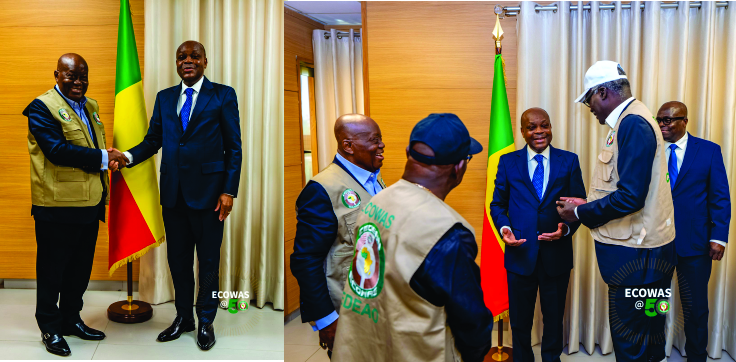
    PORTO‑NOVO, Benin Republic, 10 April 2026 (NPA) — The Head of the ECOWAS Election Observation Mission (EOM), H.E. Nana Akufo‑Addo, has held discussions with national institutions responsible for organising Benin’s presidential election scheduled for 12 April.

    Akufo‑Addo, accompanied by ECOWAS Commissioner for Political Affairs Abdel‑Fatau Musah, ECOWAS Resident Representative in Benin H.E. Amadou Diongue, and officials from the ECOWAS Commission, met stakeholders in Cotonou on 9 April.

    At the Autonomous National Electoral Commission (CENA), talks with President Saka Lafia focused on the deployment of electoral materials, management of polling stations, and security measures.

    The delegation also visited the Constitutional Court, where discussions with President Dorothé Sossa centred on the Court’s role in verifying the regularity and credibility of the process and announcing final results.

    Later, the mission met President Edouard Loko and advisers of the High Authority for Audiovisual and Communication (HAAC) to review efforts to monitor and regulate media coverage of the campaign and voting operations.

    On 27 March 2026, the Economic Community of West African States (ECOWAS) appointed H.E. Nana Akufo‑Addo as Head of its Election Observation Mission to Benin’s presidential election. The appointment was conveyed by ECOWAS Commission President H.E. Dr Omar Alieu Touray, underscoring the Community’s commitment to democracy, good governance and regional stability.

    According to ECOWAS, the mission will be deployed from 7 to 15 April 2026, in line with the ECOWAS Supplementary Protocol on Democracy and Good Governance (2001), which provides the legal and normative framework for election observation across the region.

  • Atiku condoles with Braimah family, Tinubu vows stronger resolve against terrorism

    Atiku condoles with Braimah family, Tinubu vows stronger resolve against terrorism

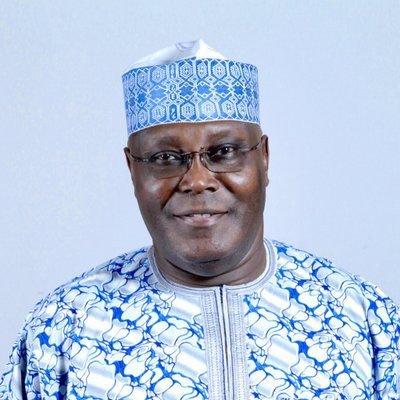
    ABUJA, Nigeria, 10 April 2026 (NPA) — Nigeria’s former Vice President, Atiku Abubakar, has condoled with the family of Brigadier‑General Oseni Omoh Braimah, who was killed alongside several soldiers in a Boko Haram/ISWAP ambush in Benisheikh, Borno State, northeastern Nigeria.

    Atiku, a presidential aspirant under the African Democratic Congress (ADC), said he received the news “with a heavy heart,” describing Braimah and his men as gallant heroes who made the ultimate sacrifice in defence of Nigeria.

    “I extend my deepest condolences to his dear wife, his brother Alasa, the entire Braimah family, and the families of all fallen heroes. We honour his supreme sacrifice, and the daily sacrifices of all brave men and women who stand on the frontlines to keep our nation safe. May their service not be in vain. May Allah grant them Aljannah Firdaus and comfort the families they leave behind,” Atiku said.

    Earlier, Newpost Africa reported that President Bola Ahmed Tinubu condemned the attack, describing the insurgents’ counteroffensive as “a sign of desperation” in response to sustained land and air operations by the armed forces. He extended condolences to the families of the fallen soldiers and pledged that their sacrifices “will never be forgotten.”

    Tinubu urged the Military High Command and troops not to lose heart, stressing that their courage strengthens Nigeria’s resolve to defeat terrorism. He promised continued government support, including more equipment and improved welfare for personnel.

    “The true heroes of our nation are these officers and men who serve with honour, courage and patriotism,” Tinubu said, assuring that the Federal Government will continue working with Borno State to achieve lasting peace.

    He also called on Nigerians and the media to support the armed forces in their relentless battle against insurgency and banditry, warning against condoning or celebrating attacks on troops.

  • Tinubu condemns Borno attack, vows stronger resolve against terrorism

    Tinubu condemns Borno attack, vows stronger resolve against terrorism

    ABUJA, Nigeria, 10 April 2026 (NPA) — President Bola Ahmed Tinubu has condemned the deadly ambush on Nigerian troops in Borno State, where Boko Haram/ISWAP fighters killed several soldiers, including Brigadier‑General Oseni Omoh Braimah.

    In a statement, Tinubu said reports indicated that the armed forces had been conducting sustained land and air offensives, neutralising many insurgents and commanders. He described the counterattack as “a sign of desperation.”

    The President extended condolences to the families of the fallen soldiers and the people of Borno State, pledging that their sacrifices “will not be in vain.” He reaffirmed government support for the military, promising more equipment and improved welfare for personnel.

    Tinubu urged the Military High Command and troops not to lose heart, stressing that their courage strengthens Nigeria’s resolve to defeat terrorism. He also called on Nigerians and the media to support the armed forces, warning against condoning attacks on troops.

    “The true heroes of our nation are these officers and men who serve with honour, courage and patriotism,” Tinubu said, assuring that the Federal Government will continue working with Borno State to achieve lasting peace.

  • Kenya and Morocco reaffirm strategic partnership at inaugural joint commission

    Kenya and Morocco reaffirm strategic partnership at inaugural joint commission

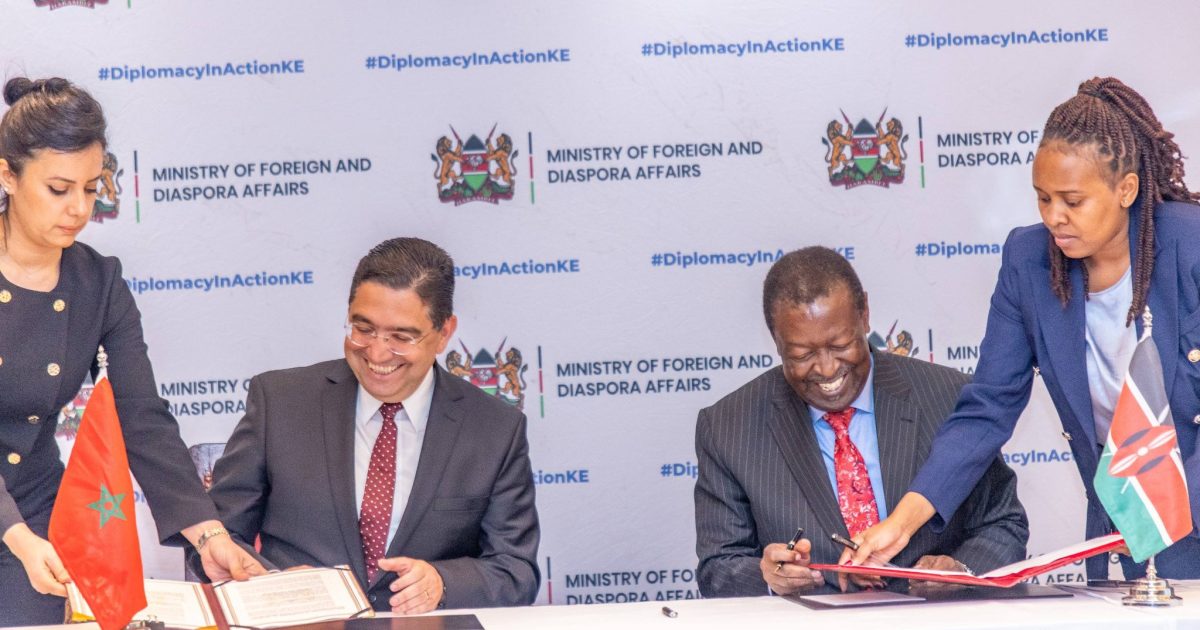
    NAIROBI, Kenya, 10 April 2026 (NPA) — Kenya and the Kingdom of Morocco have reaffirmed their commitment to deepening bilateral cooperation following high‑level talks in Nairobi aimed at strengthening political, economic and development ties.

    Speaking at the Ministerial Session of the inaugural Kenya–Morocco Joint Commission for Cooperation, Prime Cabinet Secretary and Foreign Affairs Minister Musalia Mudavadi said the meeting marked a significant step in advancing relations from traditional cooperation to a structured strategic partnership.

    Mudavadi noted that the Commission reflects a deliberate decision by both governments to institutionalise engagement and expand collaboration across key sectors. He disclosed that 11 bilateral instruments would be signed covering agriculture, justice, health, fisheries, gender equality, cultural cooperation, higher education, scholarships, sports, immigration and wildlife conservation.

    “These instruments will translate our shared commitments into practical and impactful cooperation,” he said, adding that global economic shifts make stronger African partnerships essential for resilient development.

    Mudavadi welcomed the Moroccan delegation led by Foreign Minister Nasser Bourita, highlighting nearly six decades of cordial relations founded on mutual respect and a shared commitment to Africa’s progress. He stressed the importance of improved connectivity to accelerate trade, tourism and innovation, and reaffirmed Kenya’s view of Morocco as a strategic partner in renewable energy, automotive manufacturing, agro‑processing, pharmaceuticals and infrastructure.

    Bourita described the Commission as a decisive turning point, noting that Mudavadi’s 2025 visit to Morocco had already strengthened ties through new agreements and the opening of Kenya’s embassy in Rabat. He emphasised that both countries possess complementary strengths — Morocco as a gateway to Europe with advanced manufacturing, and Kenya with its dynamic entrepreneurial ecosystem and digital innovation.

    While acknowledging that trade volumes remain below potential, Bourita called for stronger engagement between governments, the private sector and stakeholders. He stressed that the challenge lies in translating agreements into tangible projects that benefit citizens.

    Both leaders expressed confidence that the Joint Commission would unlock new opportunities for economic collaboration and strengthen the partnership as Kenya and Morocco work together to advance development and integration across Africa.

  • Afreximbank posts US$1.2 billion profit as assets hit US$48.5 billion

    Afreximbank posts US$1.2 billion profit as assets hit US$48.5 billion

    CAIRO, Egypt, 10 April 2026 (NPA) — The African Export‑Import Bank (Afreximbank) and its subsidiaries have reported a net profit of US$1.2 billion for the year ended 31 December 2025, underscoring sustained resilience, market confidence and strategic execution.

    Total assets and contingencies grew by 21% to US$48.5 billion, up from US$40.1 billion in 2024, while net loans and advances rose 16% to US$33.5 billion, driven by disbursements across Africa and the Caribbean in manufacturing, infrastructure, food security and climate adaptation.

    The Group’s non‑performing loan ratio remained stable at 2.43%, with liquidity strengthened by cash and equivalents of US$6.0 billion, representing 14% of total assets. Shareholders’ funds increased by 17% to US$8.4 billion, supported by net income and new equity inflows of US$299.4 million under the General Capital Increase II.

    Gross income rose by 6% to US$3.5 billion, while operating expenses climbed to US$459.2 million, reflecting staff expansion and inflationary pressures. Despite this, the cost‑to‑income ratio stood at 21%, well below the strategic ceiling of 30%.

    In 2025, Afreximbank successfully raised over US$800 million from Japan and China through Samurai and Panda bonds, demonstrating its fundraising capacity and reinforcing its role as a pan‑African multilateral financial institution.

    The Bank said the results were achieved through expanded delivery of tailored financial and advisory solutions that supported trade, fostered industrialisation and enhanced economic self‑reliance across the continent.

  • Chibok community calls for permanent joint security formations

    Chibok community calls for permanent joint security formations

    ABUJA, Nigeria, 10 April 2026 (NPA) — The Kibaku Area Development Association (KADA) has urged the Federal Government to establish permanent military and joint security formations in strategic border communities linking Chibok, Damboa and Askira‑Uba Local Government Areas of Borno State.

    National President of the association, Mr Nkeki Mutah, made the appeal at a press briefing in Abuja on Thursday, stressing that the measure is necessary to halt persistent and devastating attacks on Chibok by Boko Haram insurgents.

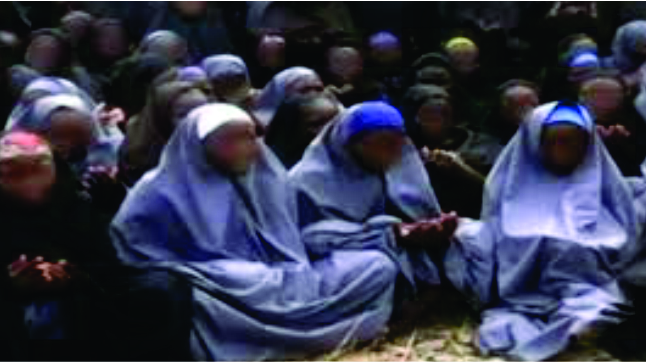
    Mutah also called on the military high command to urgently deploy more troops to Chibok, noting that residents have endured over a decade of suffering, fear, displacement and loss. He recalled the abduction of schoolgirls on 14 April 2014, describing it as “an open wound,” with nearly 100 still unaccounted for.

    He said the community had suffered multiple coordinated attacks in the past week alone, and urged support for trained youths who received security vigilance training last year, requesting tools and equipment to enable them to assist security agencies.

    Mutah appealed to federal and state governments, foreign partners, NGOs and individuals to provide emergency relief materials to displaced persons, and called for Chibok to be opened to humanitarian organisations to deliver essential support directly.

    He expressed appreciation to military personnel, vigilante groups, the Nigerian Police and other operatives who continue to risk their lives defending the community.

  • Nigerian Brigadier-General O.O. Braimah killed in coordinated terrorist attacks in Borno

    Nigerian Brigadier-General O.O. Braimah killed in coordinated terrorist attacks in Borno

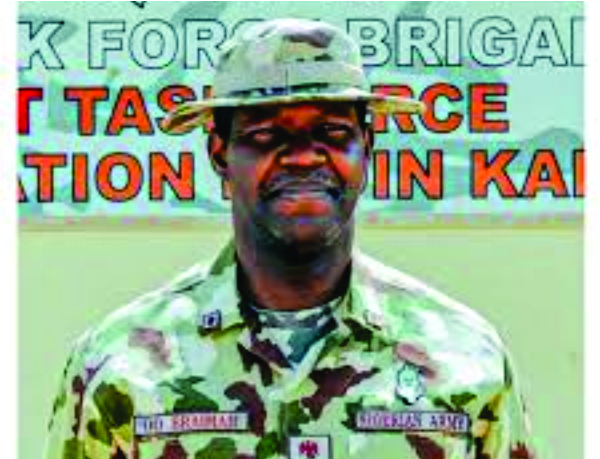
    ABUJA, Nigeria, 9 April 2026 (NPA) — Brigadier-General O.O. Braimah, Commander of the 29 Task Force Brigade in Benisheikh, has been confirmed killed in coordinated overnight attacks by suspected Boko Haram and Islamic State West Africa Province (ISWAP) militants in Borno State, northeast Nigeria.

    Military sources said the insurgents launched simultaneous assaults on Benisheikh in Kaga Local Government Area and Pulka in Gwoza Local Government Area around 1:00 a.m. on Thursday. The attackers reportedly overran a military base, setting vehicles and facilities ablaze before looting supplies.

    Alongside General Braimah, several security personnel—including the Brigade’s Imam—and civilians were killed. The military reported that dozens of insurgents were neutralised during the fierce gun battle.

    The Nigerian Army is yet to issue an official statement regarding the incident, which once again underscores how terrorist groups such as Boko Haram and ISWAP are able to carry out strategic attacks against military positions in northeastern Nigeria despite ongoing counter‑insurgency operations.

    In the last two weeks, following the Maiduguri attacks, the Army has claimed to have decimated scores of terrorists and destroyed their camps in the northeast. However, the military continues to face public scrutiny over waves of killings by insurgents across the country, including in Kwara, Plateau, Borno, Yobe, Sokoto and other states where active terrorist enclaves persist.

    The death of General Braimah marks a significant setback for Nigerian forces battling insurgency in the northeast. It follows the loss of other senior officers, including Brigadier-General Musa Uba in late 2025, highlighting the escalating toll of the conflict.