Category: Africa

  • Search and rescue ongoing after U.S. service members go missing during African Lion 2026 exercise

    Search and rescue ongoing after U.S. service members go missing during African Lion 2026 exercise

    INTERNATIONAL (NPA) —Two U.S. service members have been declared missing during the African Lion 2026 exercise near the Cap Draa Training Area close to Tan Tan, Morocco, on May 2, 2026. Search and rescue operations are currently underway following their disappearance in the course of the multinational military exercise.

    According to a statement from United States Africa Command (AFRICOM), the personnel were participating in the multinational military exercise when they were reported missing, prompting an immediate coordinated response involving U.S., Moroccan, and partner forces.

    Search efforts, which began shortly after the incident, involve ground, air, and maritime assets deployed across the training area and surrounding regions. Officials said the operation remains active and ongoing as authorities work to determine the circumstances surrounding the disappearance.

    “The incident remains under investigation and the search is ongoing,” AFRICOM said in a statement, adding that the focus remains on the missing personnel and their families.

    Military officials have not released additional details regarding the identities of the service members or the specific conditions under which they went missing, citing the ongoing nature of the operation.

    Authorities said further updates will be provided as more information becomes available.

  • Nigeria summons South African envoy over xenophobic attacks, killing of African migrants

    Nigeria summons South African envoy over xenophobic attacks, killing of African migrants

    ABUJA, Nigeria (NPA) — The Federal Government has summoned the Acting High Commissioner of South Africa to Nigeria over recent anti-foreigner protests and alleged attacks targeting Nigerians and their businesses in the country.

    In a press release issued on Saturday, signed by Kimiebi Imomotimi Ebienfa, Spokesperson for the Ministry of Foreign Affairs, the Ministry of Foreign Affairs said the envoy had been invited to a meeting scheduled for Monday, May 4, 2026, at the ministry’s headquarters in Abuja.

    According to the ministry, the meeting is aimed at formally conveying Nigeria’s “profound concern” over recent developments capable of affecting the longstanding cordial relations between both countries.

    The ministry said discussions would focus on ongoing demonstrations by various groups in South Africa, documented cases of mistreatment of Nigerian citizens and attacks on businesses owned by Nigerians.

    The development comes amid growing concerns over renewed xenophobic violence in South Africa, with reports and viral videos showing attacks against African migrants and foreign-owned businesses. One of the videos circulating online allegedly showed two Ethiopian shopkeepers shot dead at close range by a suspected xenophobic attacker, further fueling outrage across the continent over the deteriorating security situation for Africans living in South Africa.

    Political leaders and activists within South Africa have also condemned the violence. Julius Malema and other public figures have called for an immediate end to attacks targeting Africans and foreign nationals in the country.

    “The Ministry is aware of the growing discontent among Nigerians concerning the treatment of their nationals in South Africa,” the statement said.

    The Federal Government, however, urged Nigerians to remain calm, while reaffirming its commitment to protecting the rights, safety and well-being of Nigerian citizens residing in South Africa.

  • CAF announces qualifier-match dates and final for historic three-nation AFCON 2027 in East Africa

    CAF announces qualifier-match dates and final for historic three-nation AFCON 2027 in East Africa

    CAIRO, Egypt (NPA) — The Confederation of African Football (CAF) has announced June 19, 2027, as the kick-off date for the historic TotalEnergies CAF Africa Cup of Nations (AFCON) PAMOJA 2027, which will be jointly hosted by Kenya, Tanzania and Uganda.

    CAF disclosed in a statement on Saturday that the final of the tournament will be played on July 17, 2027, while the host countries for the opening match and final will be announced later.

    The continental football body said the 2027 edition would be the first AFCON tournament to be hosted by three countries, describing it as a landmark event expected to reach more than 400 million people across the East African region.

    CAF also confirmed that the draw for the qualifiers will take place on May 19, 2026, following the completion of the preliminary round.

    A total of 48 national teams, including co-hosts Kenya, Tanzania and Uganda, will participate in the qualification series.

    According to CAF, the teams will be drawn into 12 groups of four, with the top two teams from each group qualifying for the final tournament.

    The qualifiers will be played during three FIFA international windows.

    Matchdays one and two are scheduled for September 21 to October 6, 2026, while matchdays three and four will hold from November 9 to 17, 2026.

    The final qualification fixtures, comprising matchdays five and six, are billed for March 22 to 30, 2027.

    CAF noted that AFCON PAMOJA 2027 would mark the return of the tournament to the East African region for the first time since Ethiopia hosted the competition in 1976.

    The football governing body added that the tournament would build on the success recorded by recent editions, including AFCON Côte d’Ivoire 2023 and the upcoming AFCON Morocco 2025, which it said achieved record commercial revenue, sponsorship growth and global television audiences.

    CAF said the achievements underscored the rising global competitiveness and popularity of African football.

  • Uganda begins deportation of 169 foreign nationals over immigration, cybercrime allegations

    Uganda begins deportation of 169 foreign nationals over immigration, cybercrime allegations

    KAMPALA, Uganda (NPA) — The National Citizenship and Immigration Control (NCIC) has commenced the phased deportation of 169 foreign nationals arrested during an intelligence-led operation in the Bukoto-Ntinda area of Kampala over alleged immigration and cybercrime-related offences.

    The deportation exercise began on Friday, May 1, 2026, according to Ugandan authorities.

    The affected foreign nationals are from Pakistan, India, Bangladesh, Ghana, Myanmar, Ethiopia, Sri Lanka, Cambodia, Thailand, Nepal, Indonesia and Malaysia.

    Authorities said some of the deportees were involved in illegal residency and alleged cyber-scamming activities, while others were found working in violation of Uganda’s immigration laws.

    The suspects were arrested during a coordinated intelligence operation and processed at the headquarters of the Ministry of Internal Affairs before deportation procedures commenced.

    Officials disclosed that all the deportees had paid the required fines and provided air tickets for their return to their respective countries.

    Of the 169 deportees, 141 are males while 28 are females.

    The NCIC said investigations revealed that many of the foreign nationals lacked the legal qualifications and permits required to work in Uganda.

  • Burkina Faso warns against circulation of ‘fake’ Revolutionary Manifesto copies

    Burkina Faso warns against circulation of ‘fake’ Revolutionary Manifesto copies

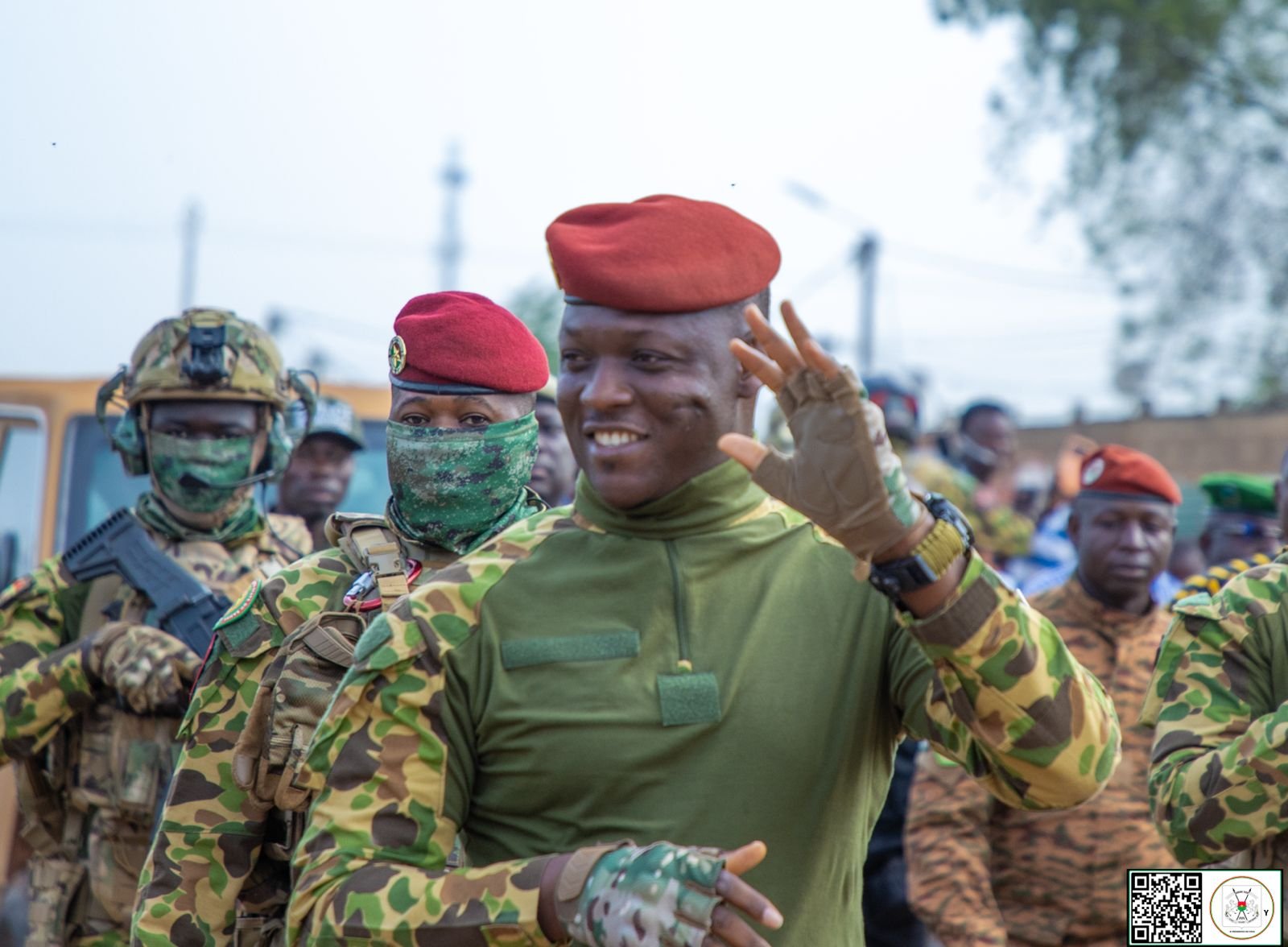
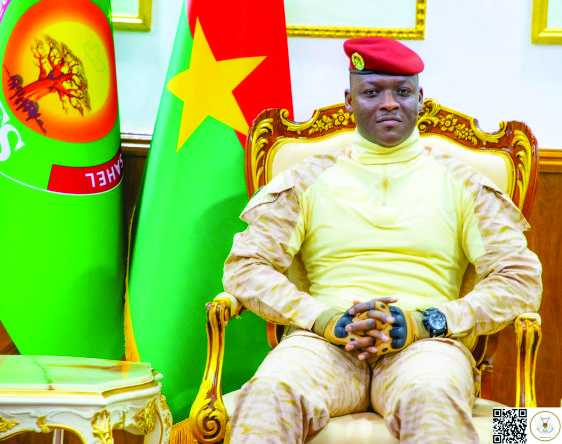
    OUAGADOUGOU, Burkina Faso (NPA) — The Presidency of Burkina Faso has warned against the circulation of what it described as fake and manipulated versions of the Manifesto of the Popular Progressive Revolution (RPP), threatening severe sanctions against individuals involved in its unauthorised distribution.

    In an official statement issued on May 1 by Florent Pélagie Ibrahim Guigma, Director of Communication and Public Relations at the Presidency of Burkina Faso, authorities said they observed that immediately after the official release of the manifesto, “ill-intentioned individuals” began illegally distributing physical and digital versions falsely presented as the authentic document.

    The presidency cautioned the public against relying on the dubious versions, saying their contents may have been altered, distorted or manipulated.

    According to the statement, only the official version released through the Presidency’s authorised distribution channels accurately reflects the “letter and spirit” of the RPP vision.

    Authorities disclosed that official copies of the manifesto are being distributed through designated centres across the country, including the National Archives in Ouagadougou, the headquarters of Éditions Sidwaya, regional offices in Bobo-Dioulasso and various governorates nationwide.

    The government further stressed that the document is protected by law and warned that anyone involved in fraud, counterfeiting or sabotage linked to the publication would face heavy sanctions.

  • Russian Africa Corps claims killing of 150 militants near Mali-Mauritania border as situation remains tense

    Russian Africa Corps claims killing of 150 militants near Mali-Mauritania border as situation remains tense

    BAMAKO, Mali (NPA) — The Africa Corps of the Armed Forces of the Russian Federation has claimed that more than 150 fighters linked to Jama’at Nasr al-Islam wal-Muslimin (JNIM) and the Front de Libération de l’Azawad (FLA) were killed during a recent airstrike operation near the Mali-Mauritania border.

    In a battlefield report released on Friday, the Russian military formation said its aerial reconnaissance units identified a large convoy of suspected militants allegedly crossing from Mali into Mauritania.

    According to the statement, the convoy consisted of about 200 fighters travelling on approximately 150 motorcycles, alongside three pickup trucks mounted with heavy machine guns and another vehicle equipped with a ZU-23 anti-aircraft weapon system.

    The Africa Corps alleged that the movement was aimed at reinforcing militant groups operating in Mali following recent losses suffered during military operations by Russian and Malian forces.

    The group said its fighter jets subsequently carried out an airstrike on the suspected militant camp after it was detected during reconnaissance operations. “As a result of the attack, up to 150 militants, up to 70 motorcycles, and all four pickups with large-calibre weapons were destroyed,” the statement said.

    The Russian force further claimed that armed groups operating across the Sahel frequently use poorly monitored border regions in neighbouring countries for regrouping, logistics and rest. According to the statement, countries allegedly used by the militants include Mauritania, Senegal, Côte d’Ivoire, Niger, Burkina Faso and Algeria.

    Earlier, the Africa Corps accused FLA militants of circulating misleading online videos allegedly under the guidance of Ukrainian military intelligence instructors. The Russian group claimed the footage, purportedly showing captured weapons and military equipment in Kidal, was actually recorded three years ago at a school in Ukraine.

    According to the statement, the videos were intended to conceal losses allegedly suffered by militant groups during recent operations conducted by Russian and Malian forces, while also attempting to demoralise local populations.

    Newpost Africa has not been able to independently verify the claims made by the Africa Corps.

  • Russian Africa Corps says Mali situation remains tense amid anti-terror operations

    Russian Africa Corps says Mali situation remains tense amid anti-terror operations

    BAMAKO, Mali (NPA) — The Africa Corps of the Armed Forces of the Russian Federation has said the security situation in Mali remains tense, accusing militant groups of intensifying attacks and propaganda operations against Malian and Russian forces.

    In a statement released on Thursday, the Russian military formation said militants belonging to Jama’at Nasr al-Islam wal-Muslimin (JNIM) and the Front de Libération de l’Azawad (FLA) were regrouping and carrying out reconnaissance around positions occupied by Russian and Malian troops.

    According to the statement, the armed groups were also engaged in what it described as “massive false statements” on social media aimed at weakening the morale of the Malian Armed Forces.

    The group alleged that the propaganda campaign falsely claimed that Malian soldiers had abandoned their positions in parts of the country. The Africa Corps said its forces, working alongside the Malian Armed Forces, identified and targeted militant positions during aerial reconnaissance operations conducted on April 30.

    It stated that two alleged militant camps were discovered in the Folona area of Sikasso Region and the Farani area of Koulikoro Region before being struck by Russian aviation assets.

    The Russian force further disclosed that its personnel, in collaboration with the Malian Armed Forces, carried out security patrols in the northern city of Ménaka on April 30.

    According to the statement, the patrol operation was conducted “in normal mode,” adding that no militants were detected in the city and that residents were continuing daily activities peacefully.

    The Africa Corps also accused FLA militants of circulating old videos online under the guidance of alleged Ukrainian military intelligence instructors. The group claimed the footage, purportedly showing captured weapons and military equipment in Kidal, was in fact recorded three years ago at a school in Ukraine.

    According to the statement, the videos were intended to conceal losses allegedly suffered by militant groups during recent operations conducted by Russian and Malian forces, while also attempting to demoralise civilians.

    Mali has witnessed a worsening security crisis in recent years, with armed groups linked to extremist organisations expanding operations across parts of the country despite intensified military campaigns by the transitional government and its foreign allies.

  • Reverend Dachomo decries killing of Christian family in Plateau as U.S. lawmakers move to restrict security aid to Nigeria

    Reverend Dachomo decries killing of Christian family in Plateau as U.S. lawmakers move to restrict security aid to Nigeria

    JOS, Nigeria (NPA) — Reverend Ezekiel Dachomo, Regional Leader of the Church of Christ in Nations (COCIN), has condemned the killing of an entire Christian family in Plateau State, describing it as yet another tragic example of persecution in Northern Nigeria.

    The victims — Rev. Ayuba Choji, his wife, and two children, Precious and Ishaya — were allegedly killed by radical Islamists on April 27, 2026, and laid to rest three days later in Kwi, Barkin Ladi Local Government Area. Their only surviving son managed to escape through a window during the attack.

    “My heart bleeds for Nigeria. How can you kill a man of God and his family just because of his choice of worship?” Dachomo lamented.

    In a statement on Friday, the cleric—who has been at the forefront of global awareness campaigns on the killing of Christians in Nigeria—urged citizens and the international community to resist indifference, stressing that families are breaking and faith is being tested. He called for justice, compassion, and an end to the cycle of violence.

    Meanwhile, in Washington, Representative Riley Moore, head of the U.S. Congressional Committee investigating alleged Christian genocide in Nigeria, criticized the Tinubu administration for allegedly spending millions lobbying Congress while failing to adequately address the crisis.

    Moore noted that the U.S. House of Representatives Appropriations Committee recently passed the annual State Department funding bill, which includes provisions restricting security assistance to Nigeria unless specific criteria are met. These includes effective response to violence and accountability for perpetrators, Prioritization of resources for internally displaced persons, and facilitation of safe return and resettlement of displaced communities.

    The bill requires the U.S. Secretary of State, Marco Rubio, to certify Nigeria’s compliance before half of the allocated funds can be released.

    The development adds to mounting international concern over violence against Christians in Nigeria, as local clerics and global lawmakers continue to call for urgent action to protect vulnerable communities and restore peace.

    The Nigerian government has consistently denied allegations of a Christian genocide, stressing that victims of terrorist attacks include Christians, Muslims, and animists alike. Officials argue that armed groups are indiscriminately targeting families and communities across the country, leaving widespread devastation in their wake.

  • Museveni defends Uganda Sovereignty Bill, reaffirms commitment to free economy

    Museveni defends Uganda Sovereignty Bill, reaffirms commitment to free economy

    KAMPALA, Uganda (NPA) — President Yoweri Kaguta Museveni has defended Uganda’s proposed Sovereignty Bill, insisting that the legislation is aimed solely at protecting the country’s independence in policy decision-making and not restricting economic freedoms, investments or legitimate financial transactions.

    In a statement released Thursday by the Government of Uganda, Museveni reiterated Uganda’s commitment to maintaining a free and open economy, stressing that there was no government policy preventing Ugandans or foreign investors from sending or receiving legally earned money anywhere in the world.

    “We run a free economy. Forex is bought and sold in privately run Forex bureaus,” Museveni said.

    “None of our policies says: do not send to Uganda or take out of Uganda money you have earned legally anywhere in the world,” he added.

    The Ugandan leader described private sector freedom as one of the pillars sustaining the country’s economic resilience and growth.

    “This is the strength of the Ugandan economy. The freedom of the private sector compensates for the obstructions of corrupt or non-patriotic public servants,” he stated.

    Clarifying the objective of the proposed Sovereignty Bill, Museveni said the legislation was designed to safeguard Uganda’s ability to independently determine its political, social, economic and diplomatic policies without foreign interference.

    “Sovereignty means: ‘Please, muteleke (leave us alone), so that we make our own decisions,’” the president said.

    “The Bill I initiated was about what we fought for — sovereignty in policy decision-making,” he added.

    Museveni also cautioned external actors against funding groups aimed at influencing Uganda’s national direction and domestic decisions. “Do not fund groups to influence our decisions as a country,” he warned.

    The president further emphasized that Uganda’s sovereignty would continue to be exercised constitutionally through democratic mechanisms including elections and referenda.

    Reflecting on Africa’s political history, Museveni noted that the continent’s struggle for independence was deliberate and hard-fought, stressing that political sovereignty also includes the freedom for nations to learn from their own decisions.

    “Independence means the right to make our own mistakes if necessary and learn from them,” he said.

    Museveni, however, assured stakeholders and investors that the proposed bill would be refined to avoid interference with private enterprise, remittances and lawful business operations.

    “The Bill will concentrate on the sovereignty of policy decision-making and not meander into areas of private enterprise or money transfers,” he stated.

    The president concluded by calling for international engagement based on positive example rather than coercion or manipulation. “Influence people by example and not by coercion or manipulation,” he said.

  • UN delegation trains Ghanaian peacekeepers in Abyei on information integrity, strategic communication

    UN delegation trains Ghanaian peacekeepers in Abyei on information integrity, strategic communication

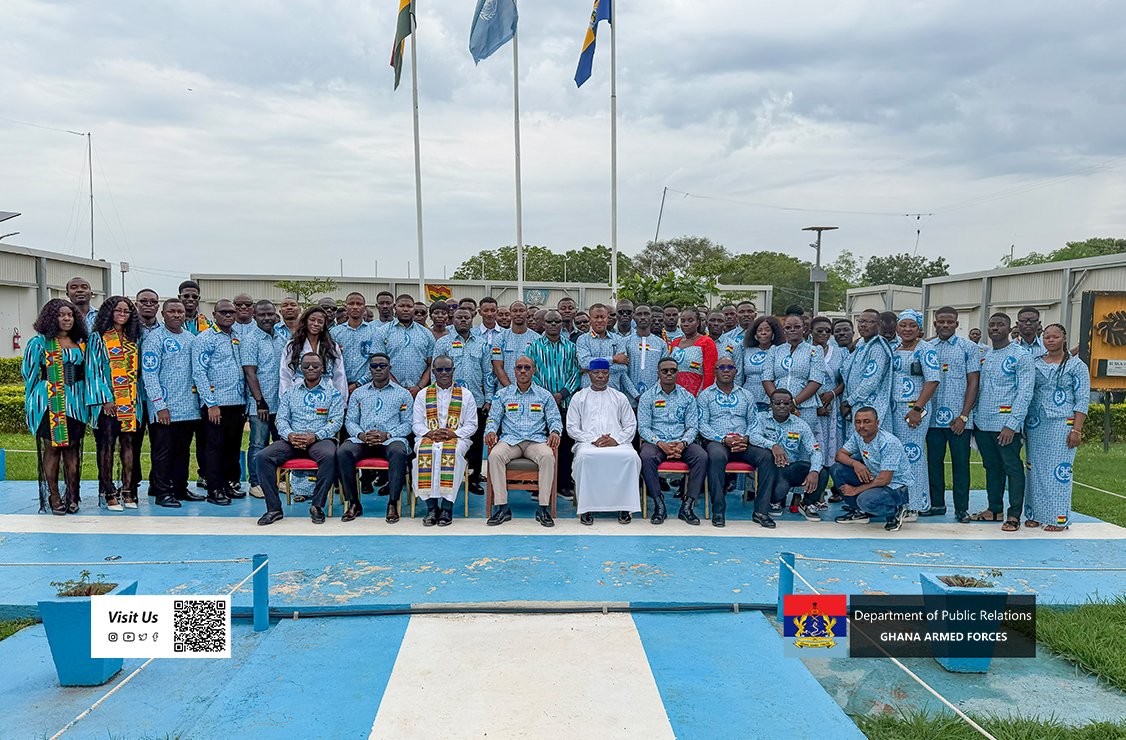
    ATHONY, Sudan-South Sudan (NPA) — A delegation from United Nations Headquarters in New York has conducted a training programme on information integrity for personnel of the United Nations Interim Security Force for Abyei Ghana Battalion Four (GHANBATT 4), aimed at strengthening peacekeeping operations in the disputed Abyei region.

    According to a statement issued on April 30, 2026, by the Department of Public Relations of the Ghana Armed Forces, the training was held on Wednesday at the Battalion Headquarters in Sector South, Athony, in the disputed Abyei region between Sudan and South Sudan, which serves as the headquarters of Sector South for the United Nations Interim Security Force for Abyei (UNISFA) peacekeeping mission.

    The three-member UN delegation was led by Naomi Miyashita and focused on the role of information integrity in mandate implementation, as well as its implications for the safety and security of peacekeepers operating in Abyei.

    During the session, personnel were briefed on emerging trends within the UN peacekeeping environment, particularly the growing threats posed by misinformation, disinformation and hate speech within local communities.

    The delegation also outlined key elements of the UN’s information integrity policy, emphasizing the importance of adopting a multidisciplinary, proactive and people-centered approach to communication in conflict and post-conflict environments.

    Facilitators further equipped GHANBATT personnel with practical tools and response mechanisms for managing information-related risks and countering harmful narratives capable of undermining peacekeeping operations.

    The training additionally covered core principles of strategic communication, including accuracy, impartiality, operational security and consistency, which officials said were critical to maintaining credibility and public trust during peacekeeping missions.

    The session concluded with renewed emphasis on community engagement, with the UN delegation stressing that building trust and fostering open communication with local populations remain essential to improving mission effectiveness and sustaining peace in Abyei.