

Museveni defends Uganda Sovereignty Bill, reaffirms commitment to free economy
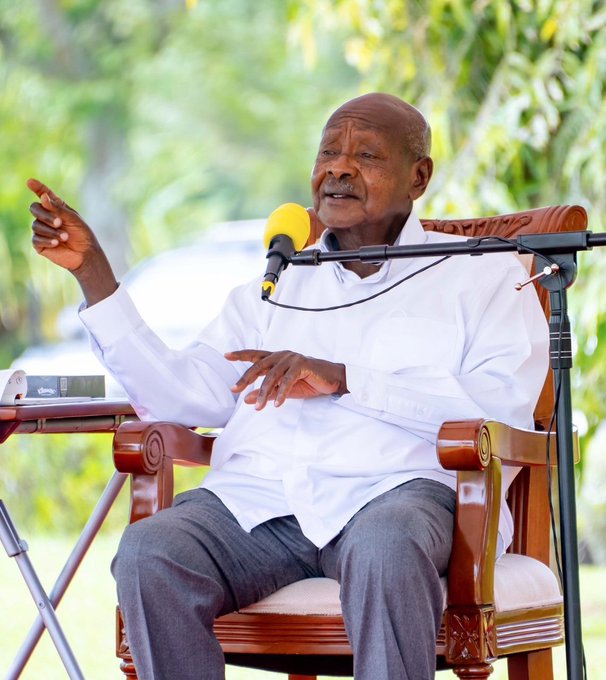
KAMPALA, Uganda (NPA) — President Yoweri Kaguta Museveni has defended Uganda’s proposed Sovereignty Bill, insisting that the legislation is aimed solely at protecting the country’s independence in policy decision-making and not restricting economic freedoms, investments or legitimate financial transactions.
In a statement released Thursday by the Government of Uganda, Museveni reiterated Uganda’s commitment to maintaining a free and open economy, stressing that there was no government policy preventing Ugandans or foreign investors from sending or receiving legally earned money anywhere in the world.
“We run a free economy. Forex is bought and sold in privately run Forex bureaus,” Museveni said.

“None of our policies says: do not send to Uganda or take out of Uganda money you have earned legally anywhere in the world,” he added.
The Ugandan leader described private sector freedom as one of the pillars sustaining the country’s economic resilience and growth.
“This is the strength of the Ugandan economy. The freedom of the private sector compensates for the obstructions of corrupt or non-patriotic public servants,” he stated.
Clarifying the objective of the proposed Sovereignty Bill, Museveni said the legislation was designed to safeguard Uganda’s ability to independently determine its political, social, economic and diplomatic policies without foreign interference.
“Sovereignty means: ‘Please, muteleke (leave us alone), so that we make our own decisions,’” the president said.
“The Bill I initiated was about what we fought for — sovereignty in policy decision-making,” he added.
Museveni also cautioned external actors against funding groups aimed at influencing Uganda’s national direction and domestic decisions. “Do not fund groups to influence our decisions as a country,” he warned.
The president further emphasized that Uganda’s sovereignty would continue to be exercised constitutionally through democratic mechanisms including elections and referenda.
Reflecting on Africa’s political history, Museveni noted that the continent’s struggle for independence was deliberate and hard-fought, stressing that political sovereignty also includes the freedom for nations to learn from their own decisions.
“Independence means the right to make our own mistakes if necessary and learn from them,” he said.
Museveni, however, assured stakeholders and investors that the proposed bill would be refined to avoid interference with private enterprise, remittances and lawful business operations.
“The Bill will concentrate on the sovereignty of policy decision-making and not meander into areas of private enterprise or money transfers,” he stated.
The president concluded by calling for international engagement based on positive example rather than coercion or manipulation. “Influence people by example and not by coercion or manipulation,” he said.
US announces visa restrictions targeting some South Africans
Ghana reaffirms Western Sahara position, welcomes UN Security Council Resolution 2797
Ebola cases in DR Congo rise to 7,022 as outbreak spreads to seventh province
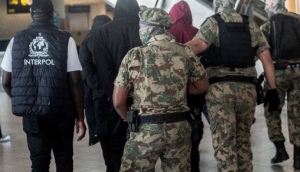
South Africa extradites six Nigerians linked to Black Axe cyberfraud syndicate to the U.S.

Nigeria parliament cancels official trips to South Africa over xenophobia attacks on citizens
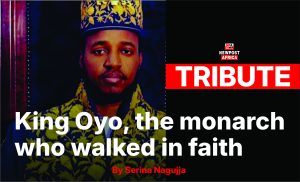
King Oyo, the monarch who walked in faith
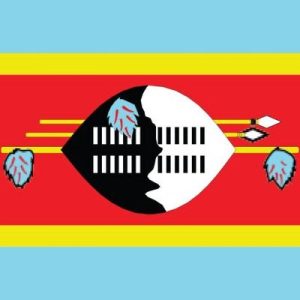
Eswatini begins government-wide induction for SADC security organ chairship
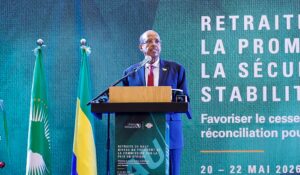
African Union chairperson calls for renewed unity, solidarity on AU Day
- Tinubu commissions NRS Headquarters, says new tax reforms will drive prosperity
- Akwa Ibom governor approves appointment letters for 4,000 civil service recruits
- Climate change anxiety is rising — and so is the willingness to act on it
- Golden Globes want to make a comeback this year. Hollywood isn’t buying
- Baseball boosts TBS, NFL gives ESPN a kick and streamers love ‘Squid’
Community Discussion