Category: Africa

  • Ramaphosa secures ANC backing amid renewed ‘Farmgate’ impeachment push

    Ramaphosa secures ANC backing amid renewed ‘Farmgate’ impeachment push

    JOHANNESBURG, South Africa (NPA) — South African President Cyril Ramaphosa has reportedly secured the backing of the African National Congress (ANC) National Executive Committee amid renewed impeachment proceedings linked to the controversial “Farmgate” scandal.

    According to South Africa’s public broadcaster, SABC, the ANC’s top decision-making body endorsed Ramaphosa during a meeting held on Wednesday, providing the president with political support as pressure mounts over the revived impeachment process.

    The ANC had yet to officially confirm the development as of Thursday, while a party spokesperson did not immediately respond to requests for comments on the report.

    The renewed controversy follows a recent Constitutional Court ruling which revived impeachment proceedings against Ramaphosa over allegations connected to the theft of large sums of foreign currency hidden at his private Phala Phala ranch.

    Ramaphosa, who has served as South Africa’s president since 2018, has consistently denied wrongdoing in the matter.

    The scandal, popularly referred to as “Farmgate,” emerged after reports that about 580,000 dollars in cash allegedly hidden inside furniture at the president’s farm was stolen in 2020.

    The incident triggered public debate over the source of the money, whether it was properly declared, and why such funds were allegedly kept at the property instead of being deposited in a financial institution.

    Reacting earlier this week to the Constitutional Court decision, Ramaphosa said he respected the ruling and would defend himself through lawful means.

    The ANC had initially blocked impeachment efforts against the president in 2022, but the Constitutional Court last week ruled that Parliament must establish an impeachment committee to conduct further investigations into the allegations.

    On Wednesday, the Speaker of the National Assembly announced that the impeachment committee would consist of 31 members drawn from the 16 political parties represented in the lower chamber of parliament.

    Under the arrangement, the ANC will control the largest representation on the committee with nine members, while its coalition partner, the Democratic Alliance (DA), will hold five seats.

    Political analysts, however, say Ramaphosa is likely to survive any impeachment vote should the process advance to the floor of parliament.

    An impeachment would require the support of a two-thirds majority in the National Assembly, a threshold considered difficult to achieve given the ANC’s strong parliamentary presence.

    The ANC currently controls roughly 40 per cent of seats in the lower house, positioning the ruling party as a decisive factor in determining the outcome of the proceedings.

    The party has postponed its planned media briefing on the outcome of the National Executive Committee meeting from Thursday to Friday.

    The Farmgate controversy remains one of the most politically sensitive issues confronting Ramaphosa’s administration as the president continues to face scrutiny from opposition parties and anti-corruption groups.
  • Body of second missing US soldier recovered in Morocco

    Body of second missing US soldier recovered in Morocco

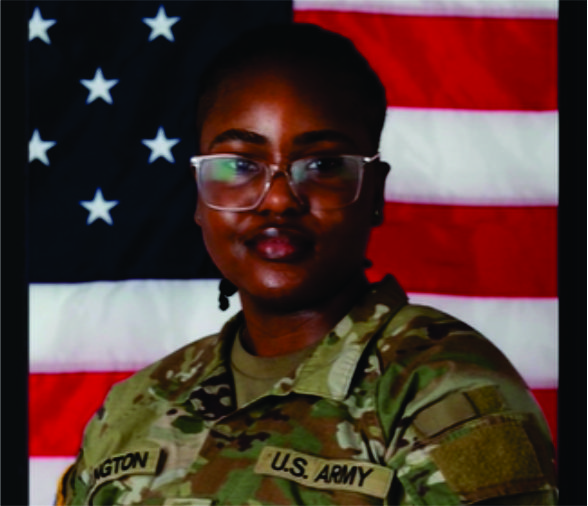
    RABBAT, Morocco (NPA) — The body of a second U.S. service member declared missing during the African Lion 2026 exercise has been recovered in Morocco, officials confirmed on Wednesday.

    According to a joint statement by the U.S. Army and Morocco’s Royal Armed Forces, search and rescue teams retrieved the remains of Specialist Mariyah Symone Collington, 19, an air and missile defense crew member, from a coastal cave roughly 500 meters from where she and another soldier went missing near Cap Draa, Tan Tan.

    Collington’s recovery follows the earlier discovery of 1st Lieutenant Kendrick Lamont Key Jr., whose body was found on May 9. Both soldiers disappeared on May 2 during a training exercise near a cliff at the Cap Draa Training Area.

    The multinational exercise, which brought together U.S., Moroccan, and partner forces, immediately launched coordinated search operations involving ground, air, and maritime assets. Officials said the mission remains active as investigations continue into the circumstances surrounding the incident.

    United States Africa Command (AFRICOM) emphasised that the soldiers were participating in a critical joint exercise designed to strengthen interoperability and regional security. The disappearance prompted an urgent response, highlighting the risks inherent in complex multinational training operations.

    The recovery of Collington’s remains marks a solemn moment for the U.S. military and its allies, underscoring the sacrifices made in pursuit of readiness and cooperation.

  • Tinubu, Kagame deepen Nigeria–Rwanda cooperation, push AfCFTA agenda

    Tinubu, Kagame deepen Nigeria–Rwanda cooperation, push AfCFTA agenda

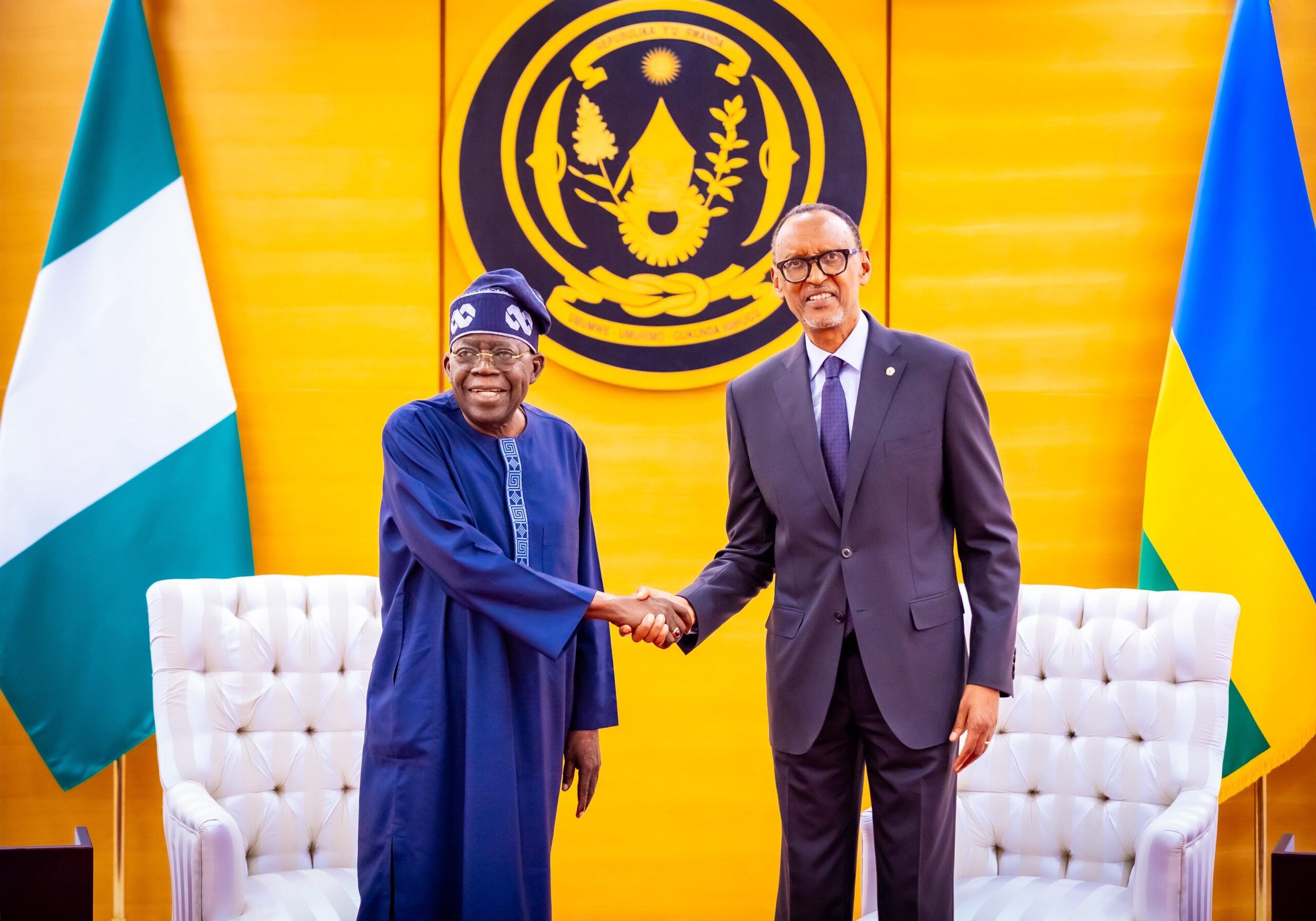
    KIGALI, Rwanda (NPA) — President Bola Ahmed Tinubu and President Paul Kagame of Rwanda have agreed to strengthen bilateral relations and deepen economic cooperation between their countries, with renewed focus on trade, regional integration and the implementation of the African Continental Free Trade Area (AfCFTA).

    The agreement was reached during a bilateral meeting at the Urugwiro Presidential Village in Kigali shortly after Tinubu arrived in Rwanda for the Africa CEO Forum.

    According to a statement issued by the State House, both leaders resolved to reactivate mechanisms aimed at advancing Nigeria–Rwanda cooperation, particularly through the Joint Permanent Ministerial Commission (JPMC) established in 2021.

    The two presidents agreed that Nigeria would host the next meeting of the commission as part of efforts to accelerate cooperation across strategic sectors.

    Tinubu, who arrived in Kigali from Nairobi after participating in the Africa Forward Summit co-hosted by Kenyan President William Ruto and French President Emmanuel Macron, said African nations must embrace stronger economic partnerships driven by trade, investment and innovation.

    “I arrived in Kigali this afternoon from Nairobi, where we joined other African leaders at the Africa Forward Summit co-hosted by President Ruto and President Macron to advance a new model of partnership built on trade, investment, innovation, infrastructure, and shared prosperity,” Tinubu stated.

    The Nigerian leader thanked President Kagame for the warm reception and described their engagement as productive and forward-looking.

    “I thank my brother, President Paul Kagame, for the warm reception upon my arrival in Kigali and for our productive bilateral engagement at the Urugwiro Presidential Village,” he said.

    The discussions between both leaders focused significantly on expanding bilateral trade and improving logistics connectivity to support African businesses.

    Tinubu disclosed that Nigeria was in the early stages of discussions with RwandAir on a practical flat-rate cargo arrangement aimed at helping Nigerian businesses transport goods more efficiently and predictably across African markets.

    “Our discussions focused on expanding bilateral trade between our two countries. We are also in the early stages of discussions with RwandAir on a practical flat-rate arrangement that can help Nigerian businesses ship their goods more predictably across the continent,” he said.

    The initiative follows Nigeria’s earlier establishment of an air cargo corridor with Uganda Airlines as part of efforts to facilitate intra-African trade and improve export opportunities for local businesses.

    On consular relations, Tinubu said Nigeria would consider reciprocating Rwanda’s 30-day visa-free policy for Nigerians in line with the ideals of Pan-Africanism and continental integration.

    The leaders also reviewed pending Memoranda of Understanding covering tourism, anti-corruption cooperation and the fight against illicit drug trafficking.

    Both presidents reaffirmed their commitment to the AfCFTA and pledged continued collaboration to remove trade barriers, strengthen market access and expand digital trade across the continent.

    “As champions of the AfCFTA, Nigeria and Rwanda will continue to work together to deepen digital trade, strengthen market access, and remove the barriers that limit African enterprise,” Tinubu stated.

    The President further announced that Nigeria would host the AfCFTA Council of Ministers and Digital Trade Forum in June, while also preparing to host the Intra-African Trade Fair (IATF) and Creative Africa Nexus (CANEX) events from Nov. 5 to Nov. 11, 2026, as well as another continental gathering in November 2027.

    According to Tinubu, Africa’s future depends on stronger economic cooperation among African countries rather than dependence on external markets.

    “From the Africa Forward Summit in Nairobi to the Africa CEO Forum in Kigali, my message remains the same. Africa’s future will not be built by speeches alone. It will be built by trade, investment, innovation, and the courage to trust one another’s markets,” he said.

    “This is the path to shared and sustainable prosperity for our people and the continent.”

  • Mahama commissions PET scan facility, unveils new healthcare and education initiatives

    Mahama commissions PET scan facility, unveils new healthcare and education initiatives

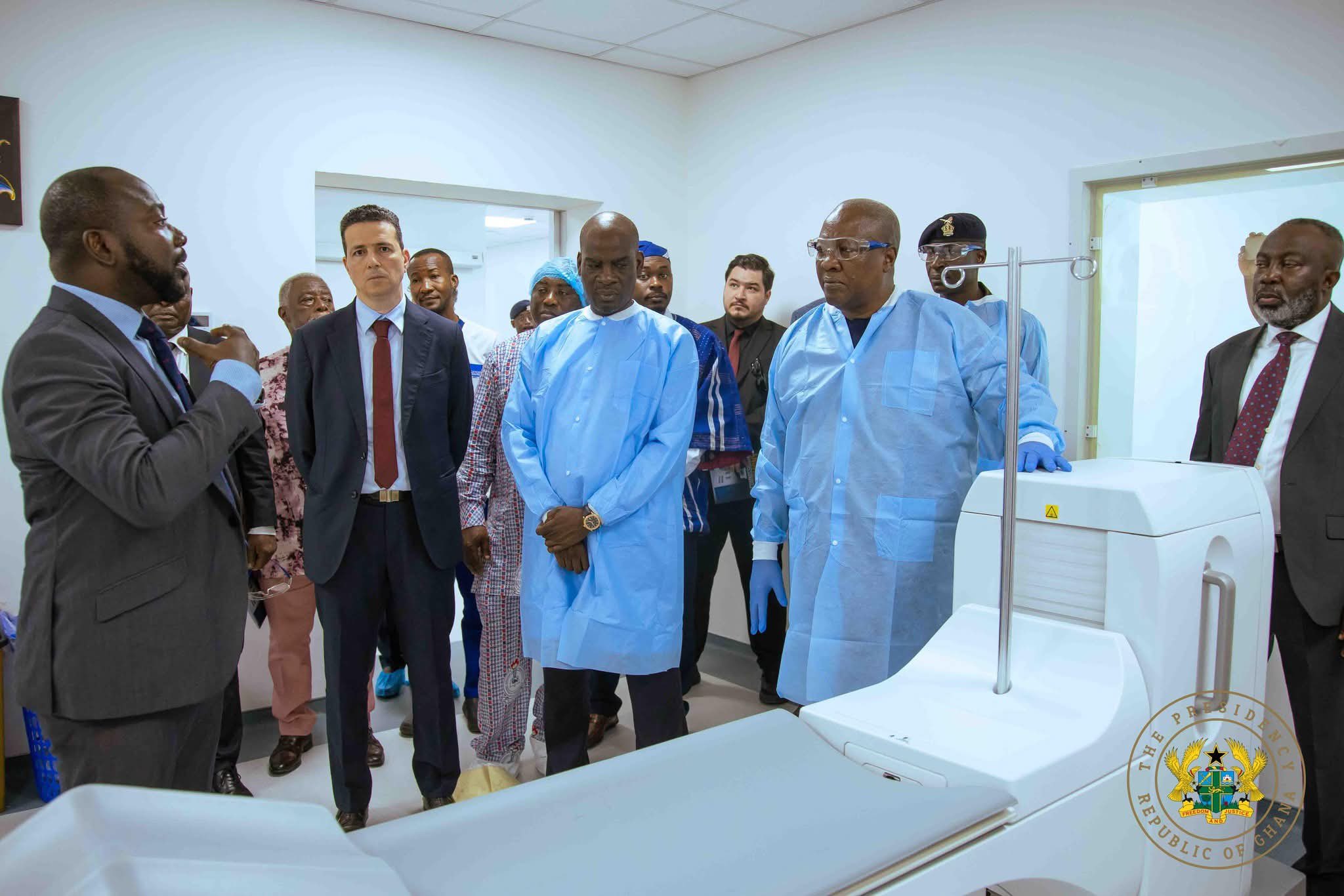
    ACCRA, Ghana (NPA) — President John Dramani Mahama today commissioned a state‑of‑the‑art PET Scan facility at the Swedish Ghana Medical Centre in Accra, describing it as a major milestone in Ghana’s journey toward world‑class healthcare delivery and medical sovereignty.

    President Mahama emphasised that the advanced diagnostic centre will significantly strengthen early cancer detection, improve treatment outcomes, and reduce the need for Ghanaians to travel abroad for specialist medical care. He noted that the facility positions Ghana as a future medical hub for the West African sub‑region, enhancing both national capacity and regional leadership in healthcare innovation.

    According to a statement issued by the Presidency, the President also announced major interventions in healthcare, education, and housing. These include new regional hospitals, additional CAT labs, teacher housing projects, and the $300 million STARR‑J initiative, which aims to end the double‑track system by 2027.

    He stressed that these investments reflect Ghana’s broader vision of inclusive development, where quality healthcare, teacher welfare, and education remain central pillars of the national agenda.

    President Mahama commended the Ghana National Association of Teachers (GNAT) and the management of the Swedish Ghana Medical Centre for their visionary investment, underscoring that partnerships between government and private institutions are vital to achieving sustainable progress.

    He reiterated that Ghana’s development strategy is anchored on strengthening human capital, expanding access to modern medical technologies, and ensuring equitable opportunities in education and housing.

  • Leaders endorse Africa–France cooperation, development agenda

    Leaders endorse Africa–France cooperation, development agenda

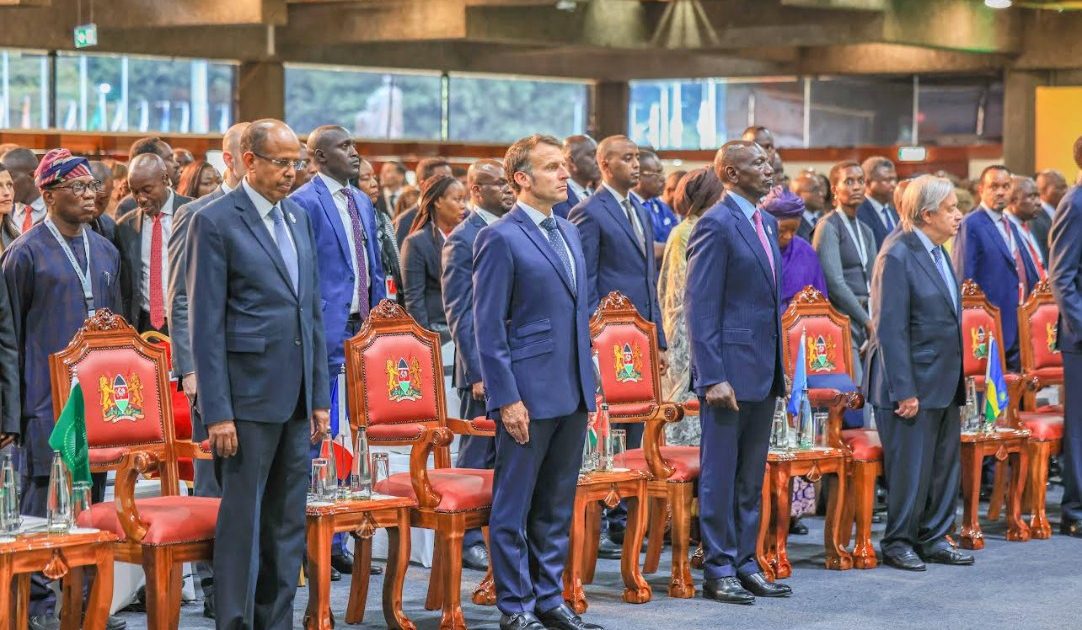
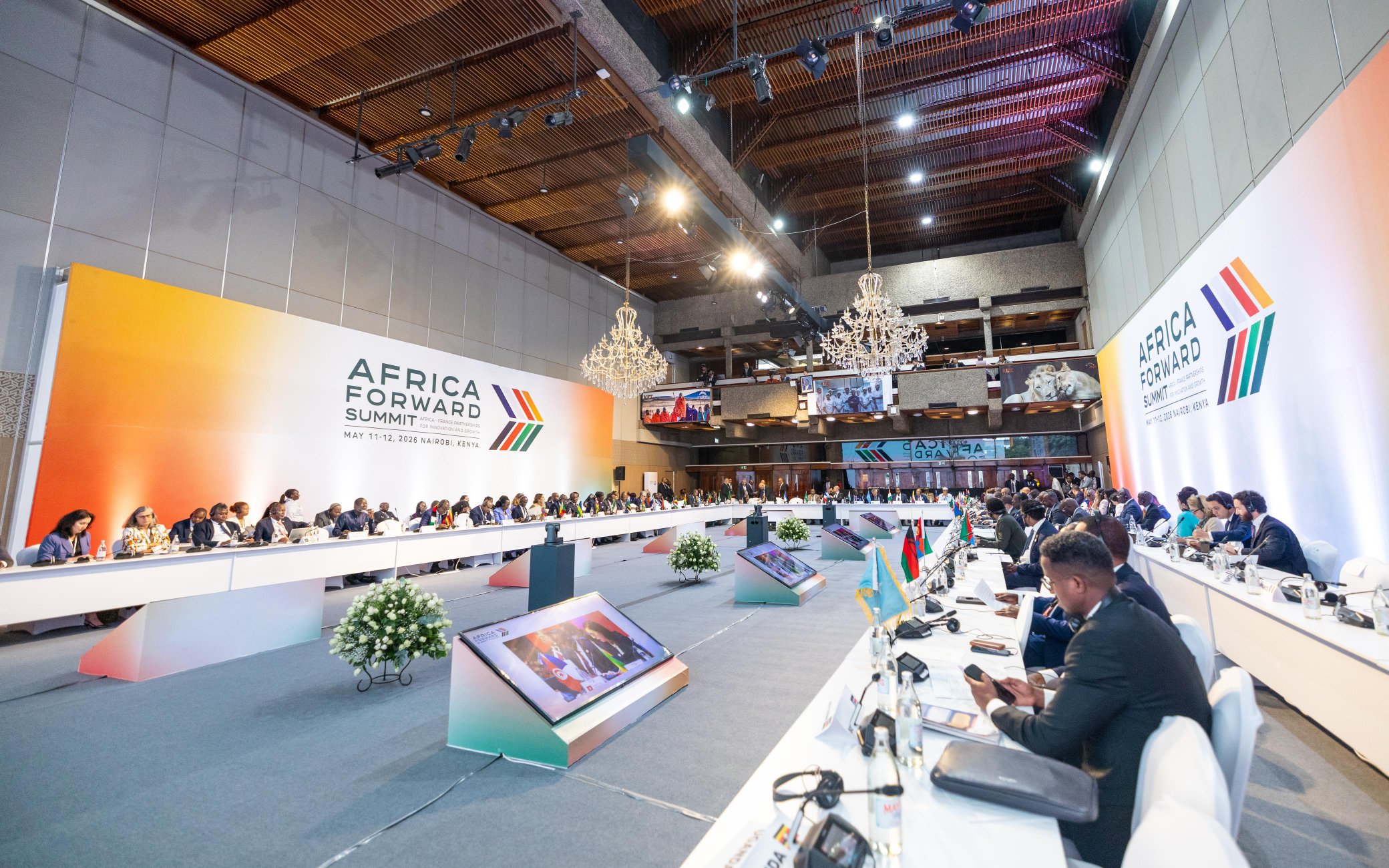
    NAIROBI, Kenya (NPA) — The landmark two‑day Africa–France Summit concluded in Nairobi with African leaders and the French government adopting the Nairobi Declaration, a framework to deepen cooperation across peace, security, industrialisation, digital transformation, climate action, healthcare, agriculture, and sustainable economic growth. The declaration reflects a shared commitment to inclusive development and long‑term prosperity.

    The Africa Forward Summit, co‑hosted by Presidents William Ruto of Kenya and Emmanuel Macron of France, provided a platform to advance Africa’s global partnerships through investment, innovation, and sustainable development. President Macron pledged that France and Europe would continue supporting Africa’s aspirations for peace and prosperity. “Today, we have an agenda aimed at addressing Africa’s contemporary challenges. Together with Kenya, we will champion this agenda throughout the year at the United Nations and during the Evian G7,” Macron said.

    Delegates agreed to strengthen cooperation against emerging and transnational threats, including terrorism, organised crime, cyber insecurity, arms trafficking, migrant smuggling, illicit financial flows, and drug trafficking. They underscored the importance of coordinated responses to safeguard regional stability and reinforce Africa’s collective security framework. The declaration also called for stronger institutional capacity to address conflicts in the Horn of Africa, the Great Lakes Region, and the Sahel through inclusive dialogue, counter‑terrorism cooperation, and regional stabilisation efforts.

    Leaders highlighted the link between security and inclusive economic growth, youth empowerment, education, climate resilience, and diaspora engagement. UN Secretary‑General António Guterres urged for a more inclusive global order that reflects Africa’s demographic and strategic significance, noting that the continent, home to over 1.5 billion people, still lacks a permanent seat on the UN Security Council.

    Agriculture featured prominently, with commitments to promote sustainable and resilient food systems, agro‑industrialization, and integrated value chains under the African Continental Free Trade Area (AfCFTA). Leaders pledged investments in nutrition, climate‑smart practices, and agricultural research, while supporting youth, women, and smallholder farmers through access to finance, land tenure reforms, and digital tools. The Africa Fertiliser and Soil Health Action Plan 2024–2034 was endorsed to boost productivity through innovation and public‑private investment.

    Healthcare was another priority, with leaders committing to advance Universal Health Coverage (UHC) and resilient, people‑centred health systems. The declaration emphasised equitable access, reduced financial hardship, and regional production of vaccines, medicines, and diagnostics. Harmonised regulatory frameworks will ensure quality and safety while supporting innovation within African institutions.

    On industrialisation and energy, leaders pledged to promote green industrialisation through renewable energy, low‑carbon systems, and flagship clean energy projects such as hydropower, geothermal, waste‑to‑energy, and nuclear. They affirmed that access to reliable, affordable, and sustainable energy is essential for Africa’s long‑term development. The summit also recognised the Blue Economy as a frontier for growth, employment, and sustainability, committing to maritime sovereignty and climate resilience.

    Digital transformation was highlighted as a driver of competitiveness, with commitments to harness Artificial Intelligence responsibly, expand broadband connectivity, and build resilient digital infrastructure. Leaders pledged to close digital divides while advancing skills development, research collaboration, and innovation ecosystems.

    On global finance, leaders called for reforms to the international financial system, including changes at the IMF to improve representation for African states and safeguard concessional financing for the poorest nations. They reaffirmed the importance of investing in people, skills, and innovation, recognising Africa’s youth as a strategic asset for long‑term transformation.

    African Union Commission Chairperson Mahamoud Ali Youssouf concluded by urging sustained unity and cooperation. “Africa is on a trajectory to become a future powerhouse of global growth. The contemporary situation demands strengthened multilateral cooperation and collective momentum,” he said.

  • AU, UN reaffirm commitment to peace, development at 10th annual conference

    AU, UN reaffirm commitment to peace, development at 10th annual conference

    ADDIS ABABA, Ethiopia (NPA) — The African Union (AU) and the United Nations (UN) have reaffirmed their commitment to strengthening cooperation on peace, security, human rights and sustainable development across Africa amid rising global and continental challenges.

    This formed part of the resolutions reached at the 10th African Union–United Nations Annual Conference held on Tuesday at the AU Headquarters in Addis Ababa, Ethiopia.

    The conference was convened by the Chairperson of the African Union Commission, Mahmoud Ali Youssouf, and the Secretary-General of the United Nations, António Guterres.

    In a joint communiqué issued after the meeting, both leaders described the AU–UN partnership as a strategic pillar for advancing peace, security, sustainable development, Agenda 2063 and the UN 2030 Agenda.

    They expressed concern over increasing armed conflicts, humanitarian crises, poverty, climate change and disregard for international law across different parts of the world and Africa.

    The AU and UN reviewed progress in implementing three major cooperation frameworks covering peace and security, sustainable development and human rights.

    They welcomed improvements in institutional cooperation and coordination through mechanisms such as the High-Level Strategic Dialogue and the College-to-College platform.

    The two organisations also welcomed the adoption of United Nations General Assembly Resolution 79/329, describing it as a step toward strengthening Africa’s role within the UN system.

    On peace and security, both sides underscored the importance of political solutions to conflicts and called for predictable and sustainable financing for AU-led peace support operations.

    They discussed security challenges in the Great Lakes region, the Horn of Africa and the Sahel, while reaffirming support for sovereignty, territorial integrity and peaceful dialogue among African states.

    Regarding the crisis in eastern Democratic Republic of Congo (DRC), the AU and UN called for an urgent and lasting ceasefire through mediation efforts led by the African Union and other international partners.

    The leaders agreed to strengthen support for ongoing mediation initiatives led by Togolese President Faure Gnassingbé as well as the Doha and Washington peace processes.

    On Sudan, the organisations welcomed recent appeals by Sudanese civilian groups for de-escalation and an end to the conflict.

    They urged parties involved in the crisis to prioritise the interests of the Sudanese people and commit to inclusive dialogue aimed at achieving a political solution.

    The AU and UN also pledged closer coordination under the Quintet framework to prevent the conflict from spreading across the region.

    In the Horn of Africa, both organisations called for full implementation of the Pretoria Agreement and expressed concern over rising interstate tensions within the region.

    On the Sahel, the AU and UN reiterated the need for a comprehensive strategy to combat violent extremism and terrorism.

    They condemned the deadly terrorist attacks carried out in Mali on April 25, 2026, and expressed condolences to victims and affected communities.

    The leaders further expressed concern over the impact of the ongoing Middle East conflict on African economies, including disruptions to energy supply, food security, trade and inflation.

    They agreed to raise the issue in global forums such as the G20 and G7.

    On sustainable development, the AU and UN welcomed progress achieved through joint programmes aimed at implementing Agenda 2063 and the Sustainable Development Goals (SDGs).

    They highlighted the establishment of a joint roadmap and digital dashboard designed to monitor implementation and track development progress across Africa.

    The communiqué also called for reforms of the global financial system to better reflect the needs of developing countries, especially African nations facing debt burdens and financing gaps.

    The two organisations stressed the importance of infrastructure development, energy transition, digital transformation, youth employment, women’s economic empowerment and the African Continental Free Trade Area (AfCFTA) in driving inclusive growth.

    On human rights, the AU and UN reaffirmed the role of human rights in conflict prevention and sustainable peacebuilding.

    They welcomed the adoption of the AU Convention on Ending Violence against Women and Girls and called for stronger accountability and compliance mechanisms in AU peace support operations.

    The organisations also pledged stronger collaboration on migration governance, healthcare, humanitarian response and the fight against illicit drug trafficking across the continent.

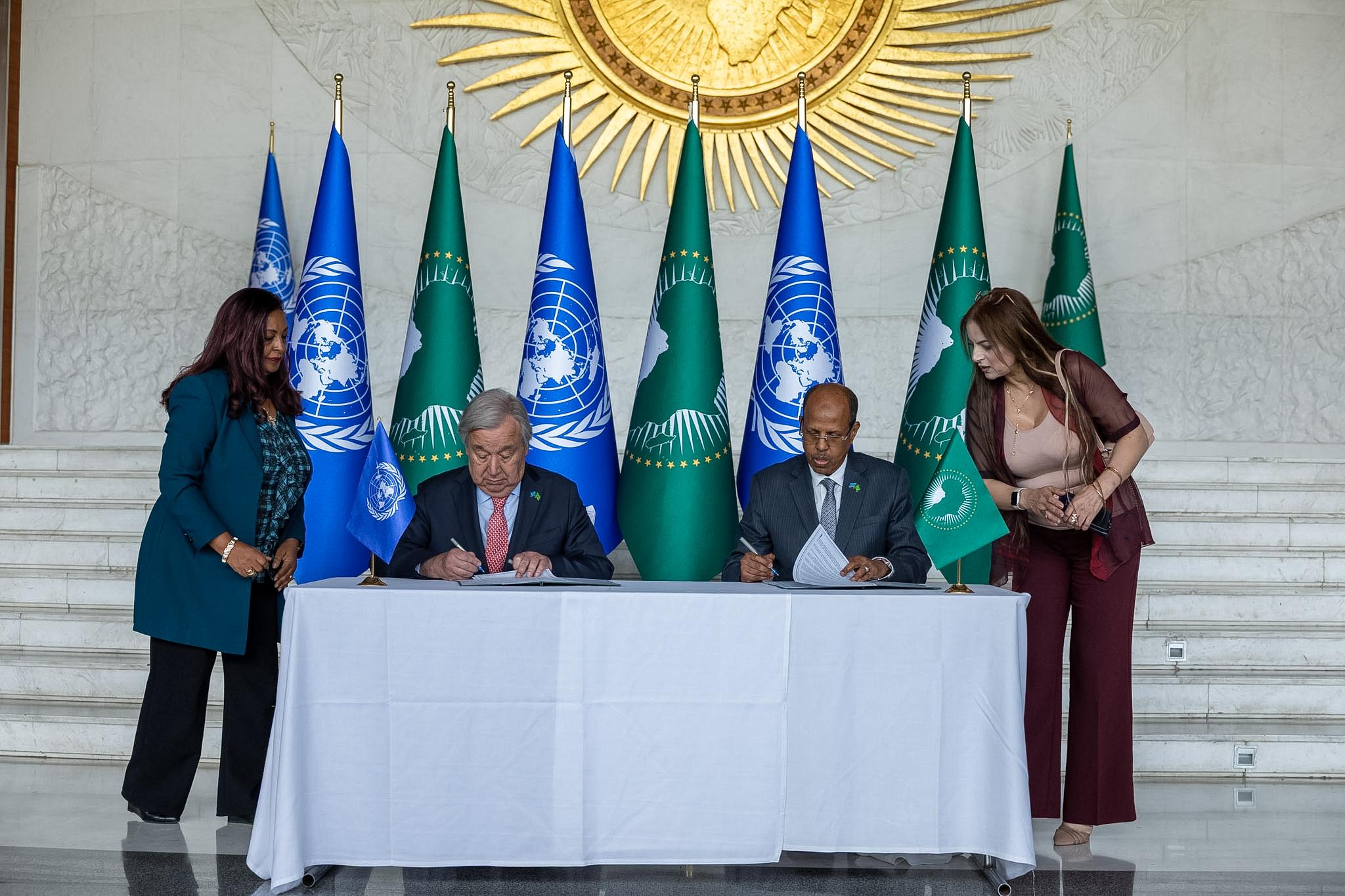
    The conference concluded with the signing of a declaration reaffirming the AU–UN strategic partnership frameworks and commitment to joint implementation across all areas of cooperation.

    The AU Commission Chairperson also paid tribute to Guterres ahead of the conclusion of his tenure as UN Secretary-General, praising his support for Africa, multilateralism and global governance reforms.

    Both leaders agreed that the 11th AU–UN Annual Conference would be held in New York in 2027.

  • Women raise alarm over rising gender-based violence cases in Mombasa

    Women raise alarm over rising gender-based violence cases in Mombasa

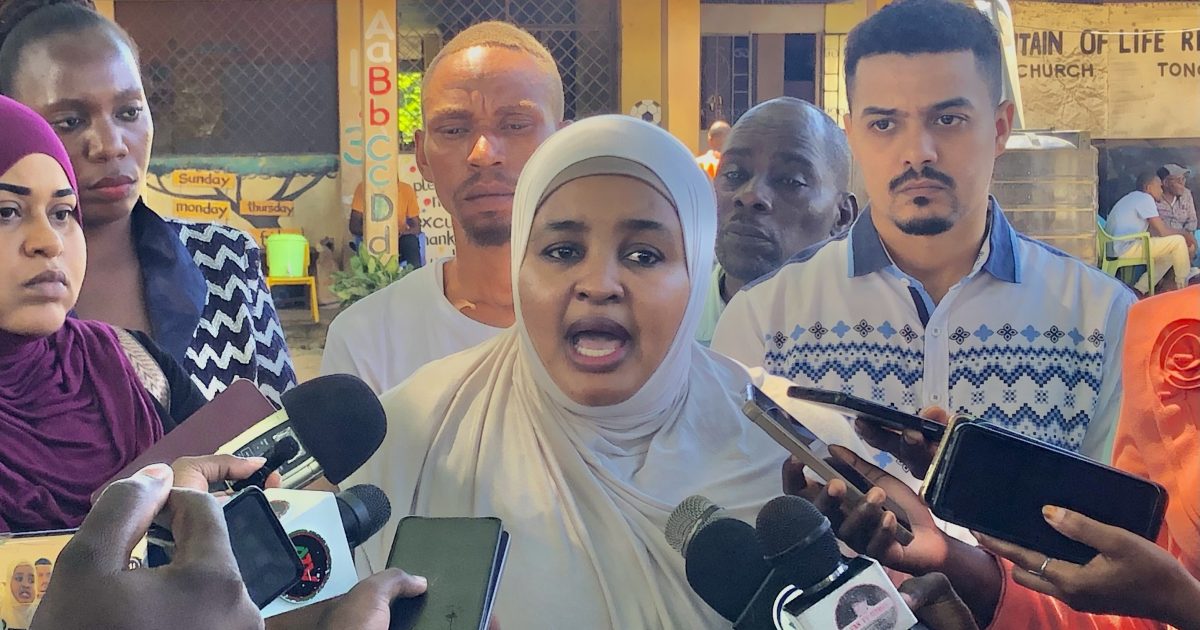
    MOMBASA, Kenya (NPA) — Women leaders in Mombasa have called for urgent government intervention over what they described as a disturbing rise in Gender-Based Violence (GBV) cases across the coastal city.

    The leaders warned that the growing crisis is silently destroying families and communities, while urging the government, security agencies, schools, religious institutions and community leaders to intensify efforts against all forms of abuse.

    They stressed that the response to GBV must match the scale of the challenge, particularly as cases involving women, children and vulnerable groups continue to rise.

    Advocate Fatma Bakari Barayan, who handles GBV-related cases in the region, disclosed that reported incidents had increased by 45 per cent since 2022.

    According to her, the violence cuts across gender, age and social class, affecting women, men and children alike.

    “GBV is not only about sexual harassment or sexual assault, but it extends to economic violence and emotional abuse,” Barayan said.

    “Children are being abused by the very parents meant to protect them. This is happening in our homes and in our neighbourhoods, and most of it goes unreported,” she added.

    Barayan cited Articles 27, 28 and 29 of the Kenyan Constitution, noting that citizens are guaranteed the rights to human dignity, freedom from discrimination and protection from cruel treatment.

    She, however, lamented that many vulnerable communities remain unaware of these constitutional protections.

    To address the gap, Barayan announced the launch of free legal clinics in Mombasa to provide residents with access to legal advice and justice without financial barriers.

    “Winning a case in court is not the end. What comes next for the victim? We must think about mental health counselling, economic empowerment, and long-term rehabilitation,” she said.

    Another activist, Sabrina Kanini, said Mombasa was facing social problems that were previously uncommon, including cases involving parental abuse and allegations of abuse linked to some religious institutions.

    Kanini also called for stricter controls on access to pornographic content online, arguing that unrestricted exposure among young people was contributing to sexual violence and behavioural concerns.

    She urged parents to monitor their children’s phone usage more closely, while encouraging teachers to discreetly alert parents when they notice concerning behavioural changes among pupils.

    Meanwhile, Zaina Baraka from Kisauni referenced the unresolved case involving Josephine, a woman who allegedly died following abuse by her intimate partner.

    She appealed to women in abusive relationships to prioritise their safety and leave violent homes before situations become fatal.

    “Do not wait until you end up in a mortuary; put your life first and move out of any abusive marriage,” she said.

  • Museveni sworn in for seventh term, extends rule beyond 40 years

    Museveni sworn in for seventh term, extends rule beyond 40 years

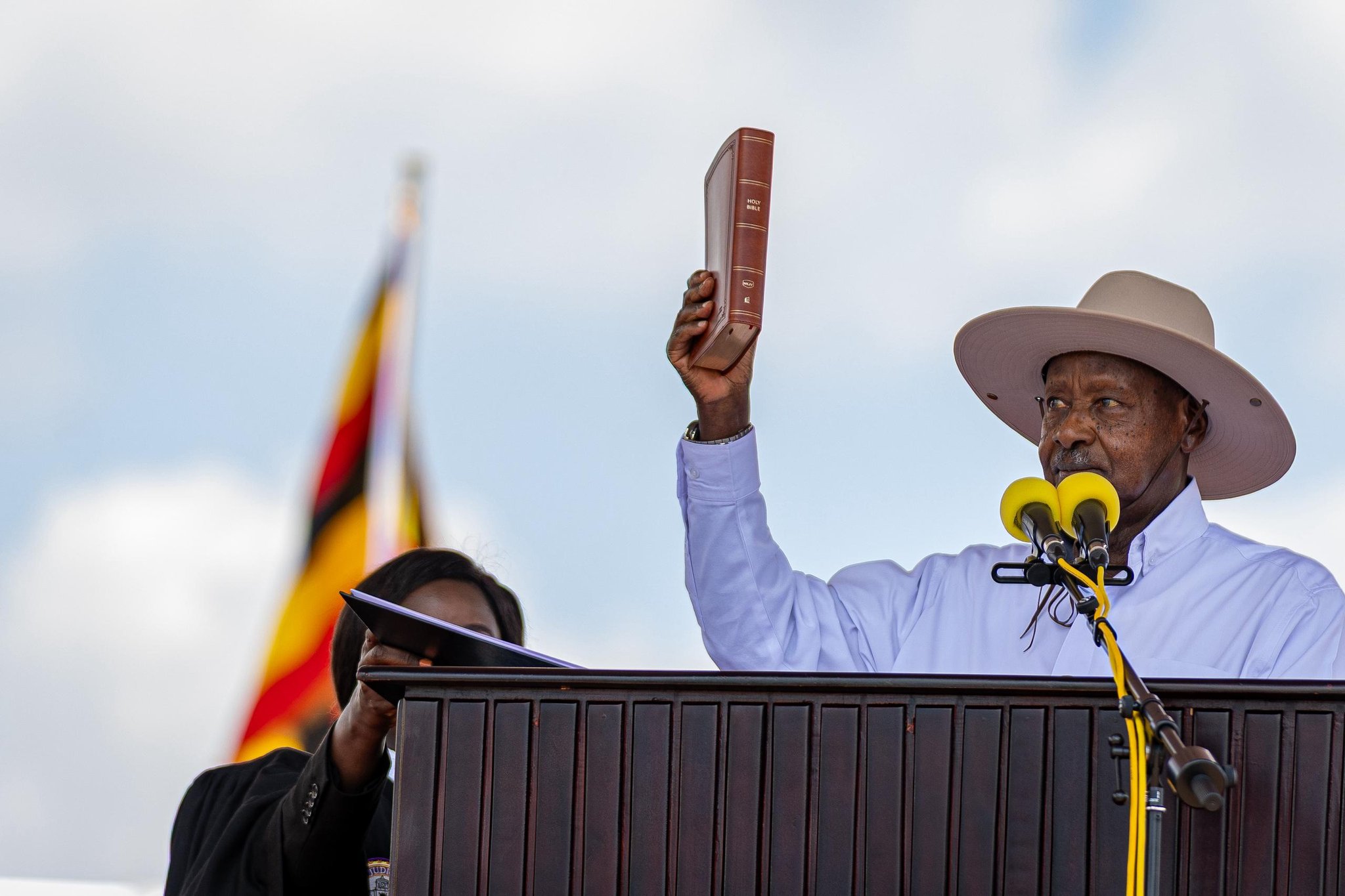
    KAMPALA, Uganda (NPA) — Uganda’s President and leader of the ruling National Resistance Movement (NRM), Yoweri Museveni, has been sworn in for a seventh term after being declared the winner of the country’s presidential election, extending his nearly four-decade rule at Kololo Ceremonial Grounds in Kampala.

    The 81-year-old leader was officially sworn in on Tuesday following his victory in the January election, where he was declared the winner with 72 per cent of the vote in a contest marked by allegations of fraud and reports of violent incidents.

    Museveni, a former guerrilla leader who came to power in 1986, now extends his leadership into a fifth decade, making him one of Africa’s longest-serving presidents.

    In his inaugural address, Museveni highlighted what he described as Uganda’s economic progress under his administration, noting that the country’s economy is projected to record double-digit growth in the coming fiscal year as crude oil production begins.

    “Uganda’s journey has been long, but steady,” he said.

    “The peace, security and progress we enjoy today are the foundation on which we must now build more jobs, better services, stronger markets and greater household incomes. This new mandate is not a privilege. It is a responsibility to continue serving the people of Uganda with discipline, focus and commitment. We must protect what has been achieved, correct what still needs improvement, and move forward together as one country. For God and my Country,” he added.

    However, speculation continues to mount over Museveni’s succession plans, with widespread political discussions suggesting he may favour his son, military chief Muhoozi Kainerugaba, as a potential successor, although the president has repeatedly denied grooming him for the role.

    Opposition figure and pop star Bobi Wine, who finished runner-up in previous elections, is currently in exile in the United States after fleeing what he described as a military raid on his home following the vote.

    Wine has accused the government of political persecution targeting him, his family and supporters, allegations the authorities have denied.

    He and Muhoozi Kainerugaba have also engaged in repeated social media exchanges, particularly on X (formerly Twitter), where they clash over Uganda’s political direction, governance, and human rights situation.

    Critics say Uganda’s political space remains constrained, while supporters of the government maintain that stability and development have been prioritised under Museveni’s leadership.

  • Ruto pushes for Africa’s permanent membership of UN Security Council at Africa Forward Summit

    Ruto pushes for Africa’s permanent membership of UN Security Council at Africa Forward Summit

    NAIROBI, Kenya (NPA) — Kenyan President William Samoei Ruto has renewed calls for comprehensive reform of the United Nations Security Council, saying Africa’s continued exclusion from permanent representation undermines fairness, inclusion and the credibility of the global multilateral system.

    Ruto stated that Africa, with a population approaching two billion people, deserves a permanent voice in decisions relating to global peace and security.

    “It is neither practical nor just for a continent of more than 1.5 billion people to remain excluded from permanent representation in decisions that directly affect peace, security, conflict, and global stability,” he said.

    The Kenyan president noted that the current structure of the Security Council reflects a longstanding imbalance that weakens confidence in international institutions and contradicts the principle of equal partnership among nations.

    “The time has therefore come for the international community to recognise, without ambiguity and without delay,” Ruto said.

    He made the remarks while chairing a roundtable session on peace and security on the sidelines of the Africa Forward Summit in Nairobi.

    According to him, Africa can no longer remain subject to decisions taken without its equal participation at the global decision-making table.

    “Africa cannot, and will not, remain subject to decisions taken without its equal voice at the table,” he added.

    Kenya is hosting the Africa Forward Summit, which has attracted African and global leaders, including President Bola Ahmed Tinubu of Nigeria and French President Emmanuel Macron.

    The summit aims to strengthen Africa-France partnerships through concrete and investment-driven commitments in areas including innovation, infrastructure, sustainable growth, digital transformation and reforms to the global financial system.

    Organisers say the summit aligns with the African Union’s Agenda 2063 framework focused on inclusive development, economic sovereignty and long-term continental transformation.

    The gathering has brought together African Heads of State, representatives of the African Union, international financial institutions, private sector leaders, civil society groups and youth organisations.

    Discussions at the summit are focused on producing measurable outcomes rather than symbolic declarations, particularly in sectors such as green industrialisation, energy transition, vaccine production, healthcare systems, agriculture and food security.

    The summit also seeks to redefine Africa’s role in global partnerships by promoting cooperation based on mutual respect, balanced engagement and Africa’s long-term strategic priorities.

  • ‘No place in South Africa for xenophobia, Ramaphosa says, urges calm, rule of law

    ‘No place in South Africa for xenophobia, Ramaphosa says, urges calm, rule of law

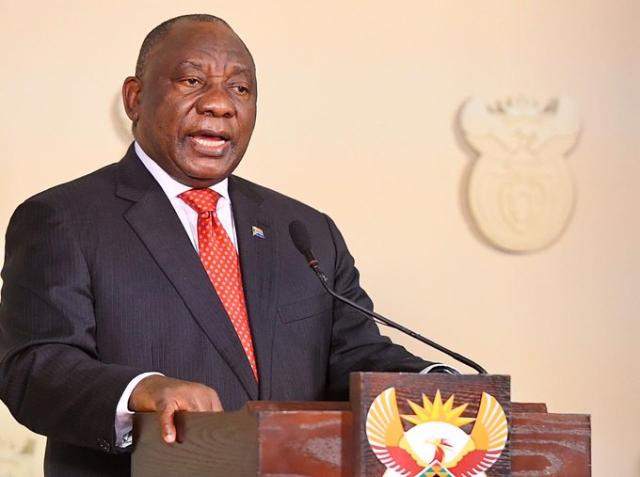
    PRETORIA, South Africa (NPA) — President Cyril Ramaphosa has called on South Africans to uphold the rule of law as the government intensifies efforts to address illegal migration and rising tensions over undocumented immigrants.

    In his weekly newsletter on Monday, May 11, 2026, the President condemned the recent wave of violent demonstrations targeting foreign nationals across major cities, describing them as the work of “opportunists exploiting legitimate grievances under the false guise of community activism.” He warned that acts of vigilantism, including stopping people to check identification or conducting property searches, would not be tolerated.

    Ramaphosa acknowledged that illegal migration poses serious challenges to social stability, governance, and national security, stressing that the issue must be tackled “decisively and within the law.” He noted that undocumented migration places pressure on healthcare, housing, and municipal services, particularly in poor communities, while distorting the labour market. “In a country with high unemployment, some employers exploit undocumented, cheaper foreign labour, undermining our labour protection regime and eroding workers’ rights,” he said.

    The President urged a whole-of-society approach, involving government, the private sector, and citizens, to address the problem. He criticised South Africans who collude with undocumented migrants in fake marriages, illegal housing sales, or bribery schemes, saying such actions deepen the crisis.

    Ramaphosa commended the Border Management Authority (BMA) and the Defence Force for strengthening border security, revealing that the BMA intercepted about 450,000 people attempting to cross into South Africa illegally in the past financial year. He reaffirmed plans to hire 10,000 labour inspectors to enforce immigration and employment laws and pledged continued deportation of undocumented migrants in accordance with the law.

    Responding to continental concerns over the protests, Ramaphosa urged South Africans to reject xenophobia and protect the country’s reputation for African solidarity and human rights. He highlighted South Africa’s refugee protection framework, which integrates displaced persons into communities and grants access to healthcare and education.

    “Our commitment to African integration and solidarity should not be undermined by isolated acts of criminality,” he said, adding that South Africa, like other nations, will exercise its sovereign right to regulate migration and secure its borders.

    Ramaphosa concluded with a firm message: “There is no place in South Africa for xenophobia, ethnic mobilisation, intolerance or violence. Everyone in South Africa is bound by the same laws, and we are committed to ensuring they are respected and upheld.”