Category: Africa

  • Police arrest female suspect, recover hijacked vehicle in Cape Town

    Police arrest female suspect, recover hijacked vehicle in Cape Town

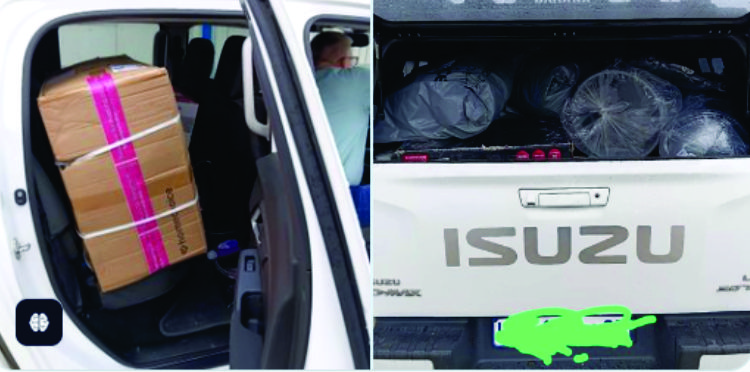
    CAPE TOWN, South Africa (NPA) — The South African Police Service’s Makhaza Anti‑Hijacking Team on Tuesday afternoon arrested a 22‑year‑old female suspect linked to a hijacking gang and recovered a delivery vehicle stolen in Khayelitsha, Western Cape.

    According to police, the team was alerted at approximately 12:45 to the hijacking of a delivery vehicle in the Makhaza area. Officers swiftly mobilised and traced the vehicle to Nxaruni Street, J‑Section, Khayelitsha, where the driver and passenger were found. The victims reported that suspects had transferred all parcels into another vehicle before fleeing.

    Following up on intelligence, officers raided a premises in Mcewule Street, J‑Section, Khayelitsha, where stolen property valued at an estimated R250,000 was recovered. The female suspect was arrested and charged with possession of stolen property in connection with a Lingelethu West case. She is expected to appear before the Khayelitsha Magistrate’s Court.

    Vehicle hijackings remain a major security challenge in South Africa, with between 50 and 60 vehicles reportedly hijacked daily across provinces such as Gauteng, Western Cape, and Eastern Cape. These crimes are often carried out by organised syndicates targeting popular vehicle models for resale, dismantling, or cross‑border smuggling. Tactics range from impersonating police officers to ambushes on highways and residential driveways, underscoring the sophistication of criminal networks.

    Authorities note that underlying drivers include high unemployment, inequality, and a thriving illicit market for stolen vehicles. In response, the government has intensified law enforcement efforts, deploying specialised anti‑hijacking units, increasing patrols, and conducting rapid‑response operations that have led to arrests and recoveries. Police are also working with private security firms and using technology such as vehicle tracking systems to disrupt syndicates.

    Targeted crackdowns on organised crime groups and improved intelligence‑sharing are being implemented to address root causes. While these measures have yielded successes, experts stress that sustained investment in policing, border control, and socio‑economic reforms is essential to significantly reduce vehicle hijackings in South Africa.
  • ECOWAS BEST project audit assesses power access in Mauritania

    ECOWAS BEST project audit assesses power access in Mauritania

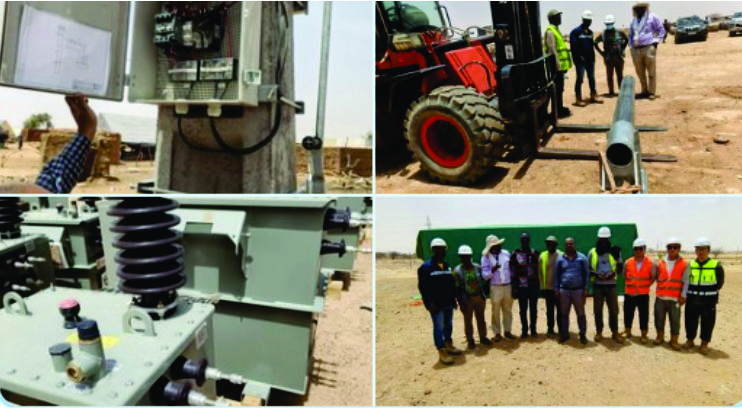
    NOUAKCHOTT, Mauritania (NPA) — The Regional Coordination Unit (RCU) of the Regional Electricity Access and Battery Energy Storage Technologies (BEST) project, led by the ECOWAS Directorate of Energy and Mines, has concluded an audit in Mauritania to evaluate progress on electricity access and storage systems.

    The audit, conducted from 14 to 19 April 2026, focused on adherence to the project schedule and the installation quality of battery energy storage equipment. Inspectors assessed whether the systems meet required standards and can reliably supply electricity to households across the country.

    According to ECOWAS, the objective is to enhance the stability of power systems, expand access to grid electricity, and strengthen renewable energy integration within the West Africa Power Pool. The findings will guide implementation and ensure that Mauritania benefits from improved energy infrastructure under the regional initiative.

    ECOWAS is executing the BEST project across West Africa to address chronic electricity shortages, reduce reliance on fossil fuels, and promote regional energy integration. By expanding access to reliable and sustainable power, the initiative aims to drive economic growth, improve social welfare, and support the long-term vision of a resilient and interconnected energy market in the region.

  • African Union commission signs MoU with KAICIID to advance dialogue and peace

    African Union commission signs MoU with KAICIID to advance dialogue and peace

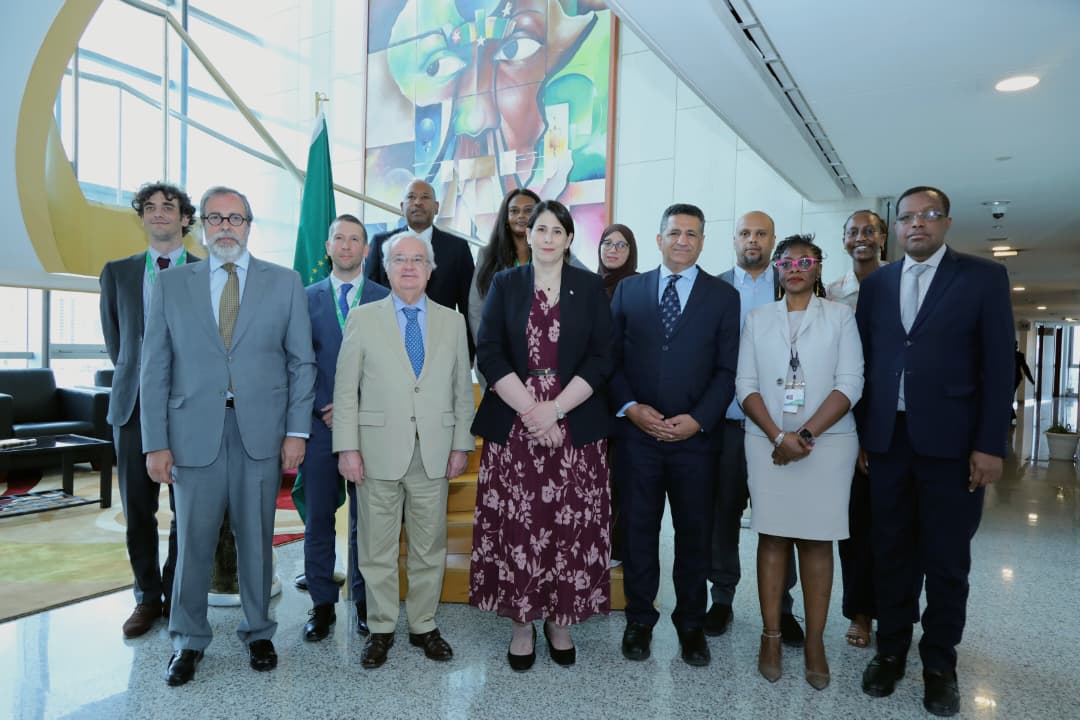
    ADDIS ABABA, Ethiopia (NPA) — The African Union Commission (AUC) has signed a Memorandum of Understanding (MoU) with the King Abdullah Bin Abdulaziz International Centre for Interreligious and Intercultural Dialogue (KAICIID), aimed at strengthening cooperation in promoting dialogue as a foundation for peace, stability, and sustainable development across Africa.

    Speaking at the signing ceremony on 20 April 2026, AUC Deputy Chairperson H.E. Selma Malika Haddadi described the agreement as a milestone in advancing shared commitments to conflict prevention, social cohesion, and inclusive governance.

    “This Agreement reflects more than institutional cooperation; it affirms a common strategic vision that interreligious and intercultural dialogue is indispensable to conflict prevention, social cohesion, and the building of resilient, inclusive societies,” Haddadi said.

    Guided by Agenda 2063: The Africa We Want, the MoU underscores key principles, including:

    • Promoting dialogue and tolerance as tools for conflict resolution.
    • Engaging governments, civil society, faith-based actors, and citizens in shaping peace.
    • Empowering youth and women as central actors in mediation and resilience.
    • Translating commitments into practical cooperation through joint programmes, capacity-building, and knowledge exchange.

    The partnership builds on earlier cooperation between the AU and KAICIID dating back to 2016, and a formal MoU signed in 2019. Haddadi noted that the renewed agreement reflects a determination to counter the misuse of religion and culture as drivers of conflict, instead harnessing them as forces for reconciliation and human solidarity.

    She emphasised that the collaboration will provide a structured platform for scaling initiatives through the Citizens and Diaspora Organisations Directorate (CIDO) and the Economic, Social and Cultural Council (ECOSOCC), ensuring dialogue is anchored both at policy level and within communities.

    “This Memorandum is not an endpoint, but a platform for actions anchored in shared values, mutual respect, and a firm commitment to advancing peace through dialogue,” Haddadi concluded.

  • South African cities, Lagos rank among top crime hotspots in global index

    South African cities, Lagos rank among top crime hotspots in global index

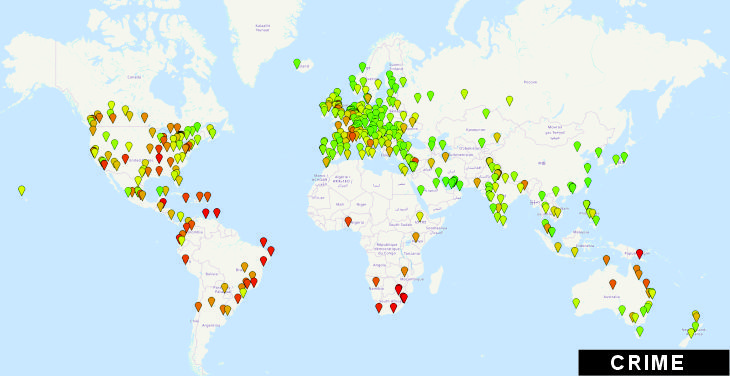
    LAGOS, Nigeria (NPA) — Several African cities have ranked among the world’s highest in crime levels, according to the latest Current Crime Index released by Numbeo (a crowd-sourced online database that provides information on cost of living, crime, healthcare, pollution, and quality of life across cities worldwide), highlighting growing safety concerns across parts of the continent.

    In the rankings, Pietermaritzburg and Pretoria emerged as the two most crime-affected cities globally, with crime index scores of 81.9 and 81.7 respectively, alongside extremely low safety ratings.

    Other South African cities also featured prominently, including Johannesburg (80.8), Durban (80.4), Port Elizabeth (78.3), and Cape Town (73.5), reinforcing concerns about persistent urban crime in Africa’s most industrialised economy.

    In West Africa, Lagos ranked 28th globally with a crime index of 69.0 and a safety index of 31.0, placing it among the highest in the region.

    Southern Africa also recorded high figures, with Windhoek posting a crime index of 67.4, while Harare recorded 61.8. In East Africa, Nairobi ranked 78th globally with a crime index of 59.1.

    North African cities appeared relatively lower on the index, with Casablanca at 55.4, Cairo at 49.8, and Algiers at 50.8, suggesting comparatively moderate crime perception levels.

    Globally, cities outside Africa also featured among the highest, including Caracas and Port Moresby, underscoring the widespread nature of urban crime challenges.

    The index, which is based on user-contributed data measuring perceptions of crime levels, safety concerns, and experiences with property and violent crimes, indicates that many African urban centres continue to grapple with insecurity, economic pressures, and rapid urbanisation.

    Analysts say the trend highlights the urgent need for strengthened policing, improved economic opportunities, and urban planning reforms to address crime and enhance public safety across the continent.

    The report adds to ongoing debates about security and governance in Africa’s fast-growing cities, where population expansion continues to outpace infrastructure and social services.

    At the lower end of the ranking, cities with the least perceived crime levels globally include Abu Dhabi (11.1), Ajman (12.6), and Ras Al Khaimah (14.6), reflecting significantly higher safety ratings compared to most urban centres worldwide.

  • Uganda exam board visits Nigeria to understudy NABTEB TVET model

    Uganda exam board visits Nigeria to understudy NABTEB TVET model

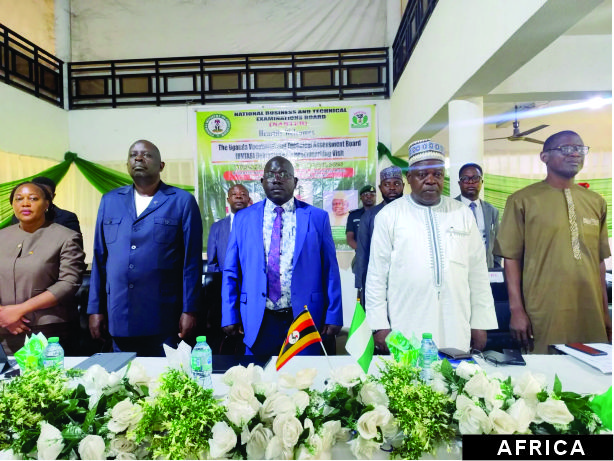
    BENIN CITY, Nigeria (Agency Report) —The Uganda Vocational and Technical Assessment Board has visited the National Business and Technical Examinations Board to understudy Nigeria’s Technical and Vocational Education and Training (TVET) model.

    Leader of the delegation, Albert Akovuku, said on Monday in Benin City that the visit was aimed at strengthening UVTAB’s capacity through knowledge exchange and institutional collaboration.

    Akovuku said NABTEB’s longstanding contributions to Nigeria’s economic resilience had positioned it as a model for Uganda’s ongoing reforms. “We recognise NABTEB’s decades-long contribution to Nigeria’s economic resilience, a journey that precedes and inspires Uganda’s current transformation,” he said.

    He noted that Uganda’s reform agenda, anchored on Vision 2040, focuses on transitioning from theory-driven systems to a digital, industry-led, and competency-based assessment model.

    “Our aspiration is to move beyond theory toward a system that empowers the workforce to solve real-world problems,” he added.

    Akovuku expressed optimism that the engagement would culminate in the signing of a Memorandum of Understanding (MoU) to formalise collaboration and strengthen bilateral cooperation in skills development.

    He said the proposed partnership would promote knowledge sharing and support the development of sustainable TVET systems in both countries.

    Earlier, NABTEB Registrar, Aminu Muhammed, described the visit as a major step toward strengthening regional cooperation in technical education.

    Muhammed said discussions would focus on assessment methodologies, industry certification linkages, and frameworks such as the Nigeria Skills Qualification Framework.

    He added that the engagement would also explore digital innovations to enhance examination integrity and delivery. According to him, the collaboration reflects a shared commitment to strengthening TVET systems as drivers of economic growth and youth empowerment across Africa.

    Muhammed expressed confidence that the visit would produce a clear roadmap for sustained partnership between both institutions.

    Also speaking, the Minister of Education, Tunji Alausa, represented by Kolawole Osundeyi, said the visit underscored the importance of regional collaboration in addressing skills gaps and unemployment.

    He said partnerships of this nature were critical in responding to rapid technological changes and evolving labour market demands.

    “Africa’s future prosperity depends on how effectively we equip our citizens with relevant and practical skills,” he said.

    The minister added that the visit would deepen institutional linkages and advance technical and vocational education in both Nigeria and Uganda. (NAN)

  • Botswana President Boko to embark on state visit to Zimbabwe

    Botswana President Boko to embark on state visit to Zimbabwe

    GABORONE, Botswana (NPA) — The Ministry of Foreign Affairs and International Trade has announced a State Visit by the President of the Republic of Botswana, H.E. Duma Gideon Boko, to Zimbabwe from 21–23 April 2026, aimed at deepening economic cooperation between the two countries.

    According to a statement issued by the ministry, a State Banquet will be hosted in honour of President Boko as part of activities marking the visit.

    During the State Visit, President Dr. Emmerson Dambudzo Mnangagwa and President Duma Boko will jointly preside over the 5th Session of the Zimbabwe–Botswana Bi-National Commission (BNC), focusing on strengthening collaboration in key transformative sectors.

    The BNC will be preceded by Senior Officials’ Meetings on 19–20 April 2026 and a Ministerial segment on 21 April 2026, setting the stage for high-level discussions.

    President Boko will also serve as Guest of Honour at the official opening of the 66th Edition of the Zimbabwe International Trade Fair, scheduled for 23 April 2026 at the Zimbabwe International Exhibition Centre in Bulawayo.

    “H.E. President Mnangagwa and the people of Zimbabwe welcome President Boko to the Republic of Zimbabwe,” the statement concluded.

  • SERAP urges Tinubu to withdraw NBC directive to broadcaster, warns of threat to press freedom

    SERAP urges Tinubu to withdraw NBC directive to broadcaster, warns of threat to press freedom

    ABUJA, Nigeria (NPA) — The Socio-Economic Rights and Accountability Project (SERAP) has urged President Bola Tinubu to order the immediate withdrawal of a recent directive issued by the National Broadcasting Commission (NBC), warning that it poses a threat to press freedom and democratic discourse.

    SERAP, a nonpartisan advocacy organisation, said the NBC’s “Formal Notice” to broadcasters, issued on April 17, 2026, imposes vague and unjustified restrictions on journalists and media houses, including sanctions over the expression of personal opinions, alleged intimidation of guests and failure to maintain neutrality.

    In a letter dated April 18 and signed by its Deputy Director, Kolawole Oluwadare, the organisation called on the president to direct the Minister of Information and National Orientation, Mohammed Idris Malagi, and the NBC to withdraw the notice and refrain from imposing what it described as prior censorship on the media.

    The group also urged the government to review and amend sections of the Nigeria Broadcasting Code cited in the directive to ensure compliance with the 1999 Constitution (as amended) and Nigeria’s international human rights obligations.

    SERAP argued that the NBC’s directive represents an attempt to suppress legitimate journalistic expression, particularly ahead of the 2027 general elections, warning that it could undermine Nigerians’ right to access diverse information and engage in open debate.

    According to the organisation, the provisions relied upon by the NBC are vague, overly broad and open to arbitrary interpretation, failing to meet the legal standards of necessity, proportionality and legitimacy required in a democratic society.

    It noted that the Nigerian Constitution, alongside international instruments such as the African Charter on Human and Peoples’ Rights and the International Covenant on Civil and Political Rights, guarantees the right to receive and impart information without interference, including the expression of opinions.

    SERAP maintained that journalistic opinion, commentary and analysis are essential elements of media practice and democratic engagement, stressing that a blanket restriction on presenters expressing personal views amounts to prior restraint.

    The organisation also raised concerns over provisions relating to “bullying” or “intimidation,” arguing that the lack of clear definitions could criminalise legitimate and critical questioning, a core feature of investigative journalism.

    It warned that the threat of sanctions for broadly defined infractions could create a chilling effect on journalists, encourage self-censorship and weaken the media’s role as a public watchdog.

    SERAP gave the Federal Government 48 hours to act on its recommendations or risk legal action, reiterating that any regulatory framework must balance accountability with the protection of fundamental rights and freedom of expression.

  • African Union condemns Israel’s appointment of envoy to Somaliland

    African Union condemns Israel’s appointment of envoy to Somaliland

    ADDIS ABABA, Ethiopia (NPA) — The African Union (AU) has condemned the decision by the Israeli government to appoint a diplomatic envoy to Somaliland, stressing that the union does not recognise Somaliland as an independent state.

    Israel’s action follows a visit by its officials to Somaliland on January 6, 2026, in what was described as a landmark diplomatic engagement. The delegation was led by Gideon Sa’ar, who met with Somaliland President Abdirahman Mohamed Abdullahi and other senior government officials in Hargeisa.

    The visit focused on strengthening bilateral ties, including discussions on establishing formal diplomatic relations and areas of cooperation. It marked the first official Israeli engagement with Somaliland at that level, signalling growing interest in deeper political and strategic relations between both sides.

    The African Union, in a statement signed by Nuur Mohamud Sheekh, spokesperson to the Chairperson of the African Union Commission, reaffirmed its unwavering respect for the sovereignty, unity and territorial integrity of Somalia, in line with the Constitutive Act of the African Union and international law.

    The AU also recalled the communiqué of the 1324th meeting of the African Union Peace and Security Council held on January 6, 2026, stressing that any unilateral recognition of Somaliland is null and void and warning that such actions risk undermining regional stability.

    “The African Union remains committed to supporting Somalia’s peace, governance, and national cohesion,” the statement added.

  • U.S. envoy meets Libyan PM at Antalya Forum, pushes for unity and elections

    U.S. envoy meets Libyan PM at Antalya Forum, pushes for unity and elections

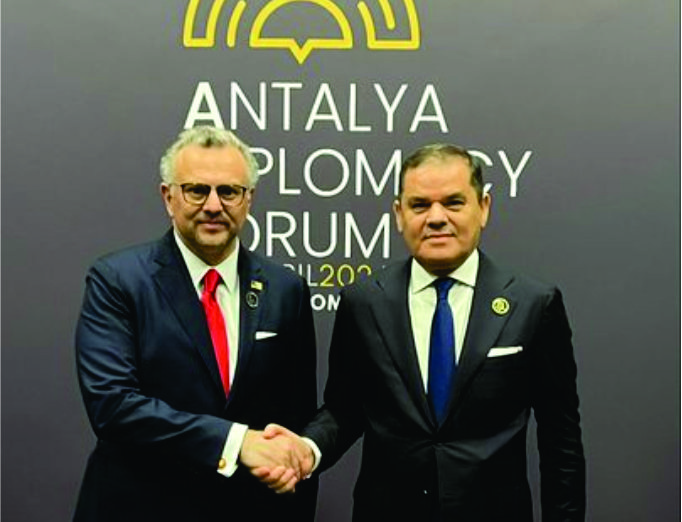
    ANTALYA, Turkey (NPA) — The United States Senior Adviser for Arab and African Affairs, Massad Boulos, has met with Libyan Prime Minister, Abdul Hamid Dbeibeh, on the sidelines of the Antalya Diplomacy Forum in Antalya.

    The meeting, held at the NEST Congress and Fair Center in Belek, focused on ongoing efforts to stabilise and unify Libya following years of political division. Boulos noted that both parties underscored the significance of the recent signing of a unified national budget on 11 April, as well as the launch of Exercise Flintlock on 14 April, which involved joint participation by eastern and western Libyan special forces.

    According to the U.S. envoy, the developments represent key steps toward national reconciliation and institutional unity after prolonged tensions among rival political factions and armed groups. He said both sides explored ways to build on the progress made through economic and military integration.

    Discussions also centred on how the United States can support Libya’s path toward the unification of state institutions, culminating in the conduct of credible national elections aimed at restoring stability and governance in the country.

    Boulos reiterated Washington’s position in favour of a peaceful, stable, and unified Libya, capable of driving economic growth and expanding opportunities for its citizens and international partners.

  • Eswatini marks 40 years of King Mswati III’s reign with grand celebrations

    Eswatini marks 40 years of King Mswati III’s reign with grand celebrations

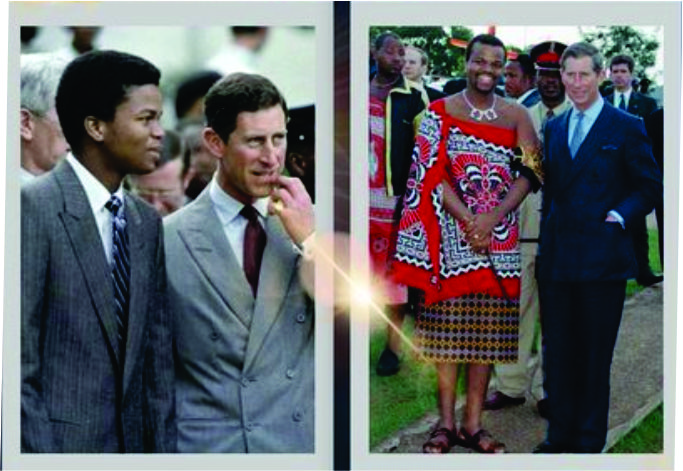
    Lagos, Nigeria (NPA) — The government and people of Eswatini on Saturday commemorated the 40th anniversary of the reign of Mswati III, in a colourful display of culture, unity, and national pride.

    The celebrations, held across the kingdom, were described by officials as a tribute to “40 Years of Leadership and Legacy Excellence Impact,” highlighting a journey shaped by leadership, service, and national transformation. In an official statement, the government said the milestone was an opportunity to honour the past with gratitude, celebrate the present with pride, and look to the future with hope and confidence.

    In Mankayane, large crowds of children, youth, and elders gathered in a vibrant show of solidarity to mark the occasion. The event featured lively performances, including drum majorettes from Mankayane High School, alongside cultural displays by students from Mankayane High School and Ngcoseni Central High School, adding colour and festive energy to the commemoration.

    King Mswati III, born Makhosetive Dlamini, was installed on 25 April 1986 at the age of 18, making him one of the youngest monarchs at the time. He ascended the throne following the death of his father, Sobhuza II, after a period of regency. His coronation marked the continuation of Eswatini’s absolute monarchy, with the king retaining significant executive and legislative authority.

    Over four decades, his reign has been defined by the preservation of traditional governance through the Tinkhundla system, which emphasises local representation. In 2018, he renamed the country from Swaziland to Eswatini—meaning “land of the Swazis”—in a move aimed at reinforcing national identity and cultural heritage.

    The monarch is also credited with promoting cultural traditions, including the Umhlanga (Reed Dance) and Incwala ceremonies, while overseeing infrastructure development and reforms in key sectors such as health and education. However, his reign has also faced sustained calls for political reform, improved human rights, and greater democratisation.

    As celebrations continue, the anniversary underscores both the enduring legacy of the monarchy and the evolving aspirations of the Swazi people.