

Women raise alarm over rising gender-based violence cases in Mombasa
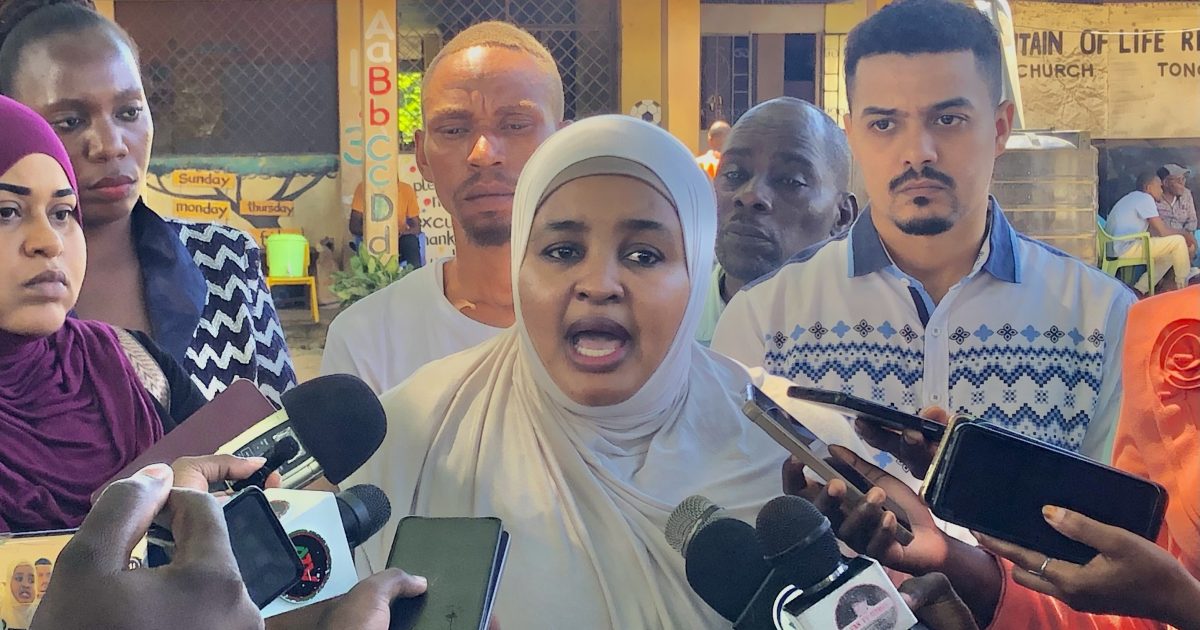
MOMBASA, Kenya (NPA) — Women leaders in Mombasa have called for urgent government intervention over what they described as a disturbing rise in Gender-Based Violence (GBV) cases across the coastal city.
The leaders warned that the growing crisis is silently destroying families and communities, while urging the government, security agencies, schools, religious institutions and community leaders to intensify efforts against all forms of abuse.
They stressed that the response to GBV must match the scale of the challenge, particularly as cases involving women, children and vulnerable groups continue to rise.

Advocate Fatma Bakari Barayan, who handles GBV-related cases in the region, disclosed that reported incidents had increased by 45 per cent since 2022.
According to her, the violence cuts across gender, age and social class, affecting women, men and children alike.
“GBV is not only about sexual harassment or sexual assault, but it extends to economic violence and emotional abuse,” Barayan said.
“Children are being abused by the very parents meant to protect them. This is happening in our homes and in our neighbourhoods, and most of it goes unreported,” she added.
Barayan cited Articles 27, 28 and 29 of the Kenyan Constitution, noting that citizens are guaranteed the rights to human dignity, freedom from discrimination and protection from cruel treatment.
She, however, lamented that many vulnerable communities remain unaware of these constitutional protections.
To address the gap, Barayan announced the launch of free legal clinics in Mombasa to provide residents with access to legal advice and justice without financial barriers.
“Winning a case in court is not the end. What comes next for the victim? We must think about mental health counselling, economic empowerment, and long-term rehabilitation,” she said.
Another activist, Sabrina Kanini, said Mombasa was facing social problems that were previously uncommon, including cases involving parental abuse and allegations of abuse linked to some religious institutions.
Kanini also called for stricter controls on access to pornographic content online, arguing that unrestricted exposure among young people was contributing to sexual violence and behavioural concerns.
She urged parents to monitor their children’s phone usage more closely, while encouraging teachers to discreetly alert parents when they notice concerning behavioural changes among pupils.
Meanwhile, Zaina Baraka from Kisauni referenced the unresolved case involving Josephine, a woman who allegedly died following abuse by her intimate partner.
She appealed to women in abusive relationships to prioritise their safety and leave violent homes before situations become fatal.
“Do not wait until you end up in a mortuary; put your life first and move out of any abusive marriage,” she said.

US announces visa restrictions targeting some South Africans

Ghana reaffirms Western Sahara position, welcomes UN Security Council Resolution 2797

Ebola cases in DR Congo rise to 7,022 as outbreak spreads to seventh province

South Africa extradites six Nigerians linked to Black Axe cyberfraud syndicate to the U.S.

Nigeria parliament cancels official trips to South Africa over xenophobia attacks on citizens

King Oyo, the monarch who walked in faith

Eswatini begins government-wide induction for SADC security organ chairship

African Union chairperson calls for renewed unity, solidarity on AU Day
- Tinubu commissions NRS Headquarters, says new tax reforms will drive prosperity
- BREAKING: Ebonyi Governor sacks Works Commissioner
- Climate change anxiety is rising — and so is the willingness to act on it
- Golden Globes want to make a comeback this year. Hollywood isn’t buying
- Baseball boosts TBS, NFL gives ESPN a kick and streamers love ‘Squid’
Community Discussion