

Leaders endorse Africa–France cooperation, development agenda
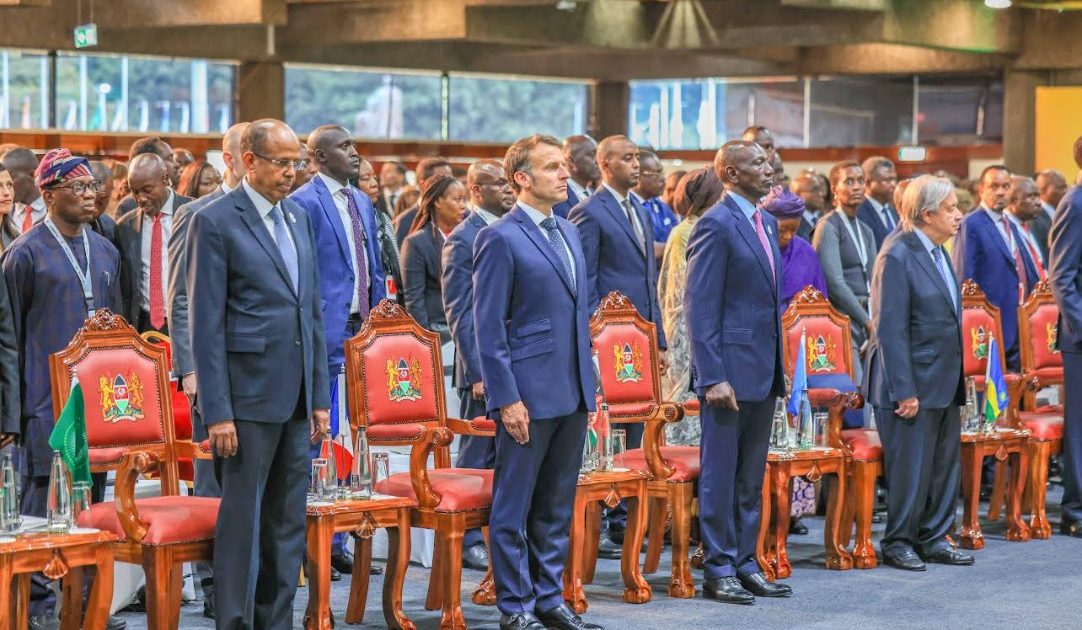
NAIROBI, Kenya (NPA) — The landmark two‑day Africa–France Summit concluded in Nairobi with African leaders and the French government adopting the Nairobi Declaration, a framework to deepen cooperation across peace, security, industrialisation, digital transformation, climate action, healthcare, agriculture, and sustainable economic growth. The declaration reflects a shared commitment to inclusive development and long‑term prosperity.
The Africa Forward Summit, co‑hosted by Presidents William Ruto of Kenya and Emmanuel Macron of France, provided a platform to advance Africa’s global partnerships through investment, innovation, and sustainable development. President Macron pledged that France and Europe would continue supporting Africa’s aspirations for peace and prosperity. “Today, we have an agenda aimed at addressing Africa’s contemporary challenges. Together with Kenya, we will champion this agenda throughout the year at the United Nations and during the Evian G7,” Macron said.
Delegates agreed to strengthen cooperation against emerging and transnational threats, including terrorism, organised crime, cyber insecurity, arms trafficking, migrant smuggling, illicit financial flows, and drug trafficking. They underscored the importance of coordinated responses to safeguard regional stability and reinforce Africa’s collective security framework. The declaration also called for stronger institutional capacity to address conflicts in the Horn of Africa, the Great Lakes Region, and the Sahel through inclusive dialogue, counter‑terrorism cooperation, and regional stabilisation efforts.

Leaders highlighted the link between security and inclusive economic growth, youth empowerment, education, climate resilience, and diaspora engagement. UN Secretary‑General António Guterres urged for a more inclusive global order that reflects Africa’s demographic and strategic significance, noting that the continent, home to over 1.5 billion people, still lacks a permanent seat on the UN Security Council.
Agriculture featured prominently, with commitments to promote sustainable and resilient food systems, agro‑industrialization, and integrated value chains under the African Continental Free Trade Area (AfCFTA). Leaders pledged investments in nutrition, climate‑smart practices, and agricultural research, while supporting youth, women, and smallholder farmers through access to finance, land tenure reforms, and digital tools. The Africa Fertiliser and Soil Health Action Plan 2024–2034 was endorsed to boost productivity through innovation and public‑private investment.
Healthcare was another priority, with leaders committing to advance Universal Health Coverage (UHC) and resilient, people‑centred health systems. The declaration emphasised equitable access, reduced financial hardship, and regional production of vaccines, medicines, and diagnostics. Harmonised regulatory frameworks will ensure quality and safety while supporting innovation within African institutions.
On industrialisation and energy, leaders pledged to promote green industrialisation through renewable energy, low‑carbon systems, and flagship clean energy projects such as hydropower, geothermal, waste‑to‑energy, and nuclear. They affirmed that access to reliable, affordable, and sustainable energy is essential for Africa’s long‑term development. The summit also recognised the Blue Economy as a frontier for growth, employment, and sustainability, committing to maritime sovereignty and climate resilience.
Digital transformation was highlighted as a driver of competitiveness, with commitments to harness Artificial Intelligence responsibly, expand broadband connectivity, and build resilient digital infrastructure. Leaders pledged to close digital divides while advancing skills development, research collaboration, and innovation ecosystems.
On global finance, leaders called for reforms to the international financial system, including changes at the IMF to improve representation for African states and safeguard concessional financing for the poorest nations. They reaffirmed the importance of investing in people, skills, and innovation, recognising Africa’s youth as a strategic asset for long‑term transformation.
African Union Commission Chairperson Mahamoud Ali Youssouf concluded by urging sustained unity and cooperation. “Africa is on a trajectory to become a future powerhouse of global growth. The contemporary situation demands strengthened multilateral cooperation and collective momentum,” he said.
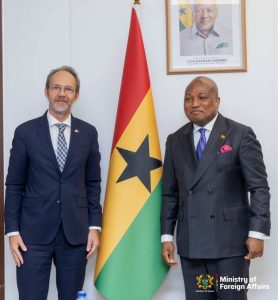
Ghana, UK review bilateral ties ahead of Mahama’s official visit
Nigeria, Ethiopia deepen cooperation on trade and investment

World Bank upgrades Africa growth outlook, says AI could boost jobs and productivity

Uganda vaccinates more than 8.2 million children in Measles-Rubella Campaign

NCDC heightens vigilance after imported Ebola case confirmed in Kenya

Eswatini says three third-country nationals voluntarily return home
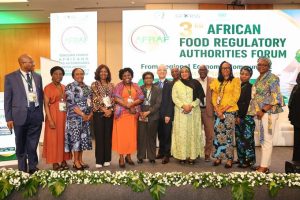
NAFDAC DG advocates stronger continental cooperation on food safety
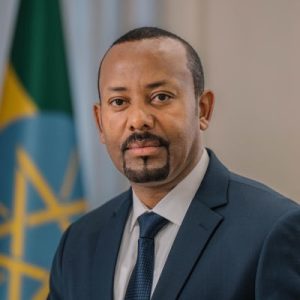
AU Commission Chairperson congratulates Abiy Ahmed on re-election
- Tinubu commissions NRS Headquarters, says new tax reforms will drive prosperity
- Tinubu assures investors of regulatory stability as Ogun, DP World sign $7bn port, SEZ MoUs
- Climate change anxiety is rising — and so is the willingness to act on it
- Ohaukwu LG Chairman Ituma breaks ground for modern diagnostic centre, blood bank
- Baseball boosts TBS, NFL gives ESPN a kick and streamers love ‘Squid’
Community Discussion