

JUST IN: Amnesty accuses RSF of crimes against humanity, rape, ethnic cleansing in Sudan's North Darfur
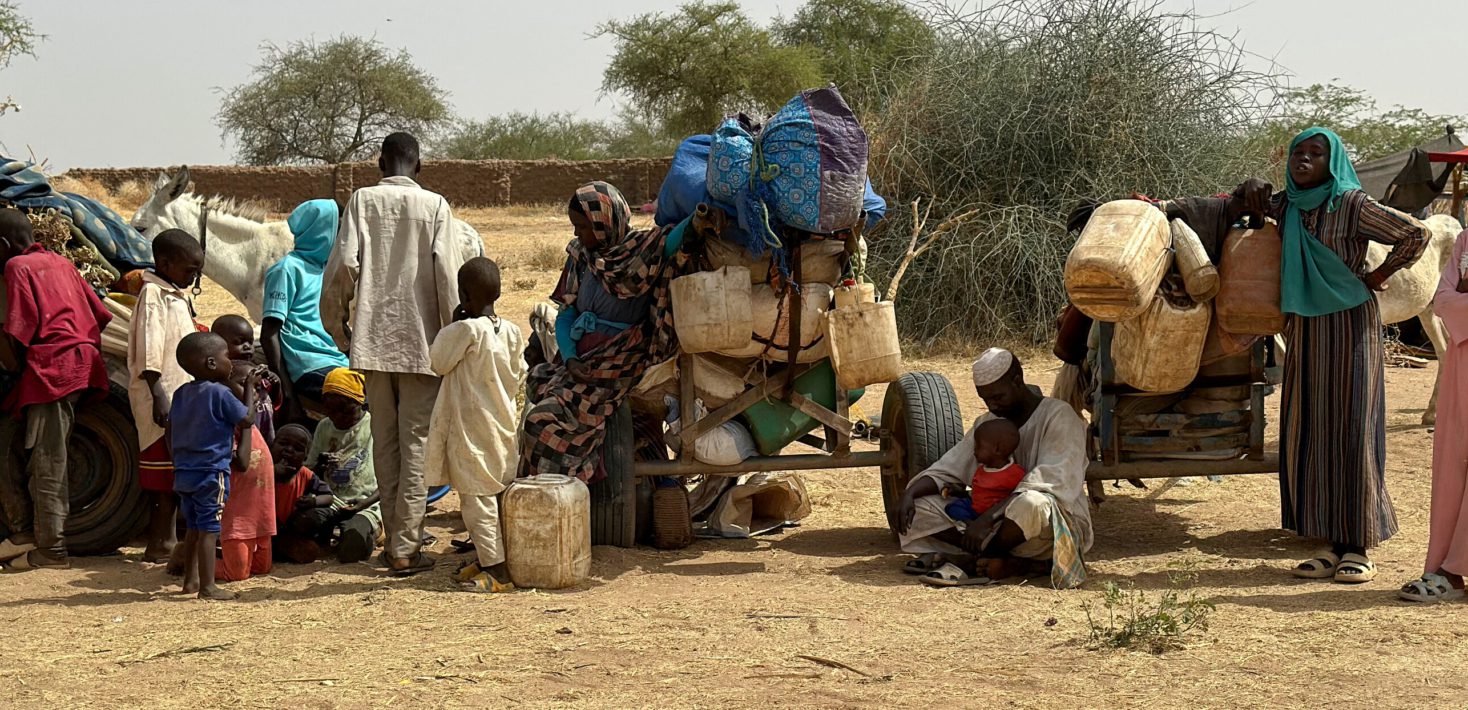
ABUJA, Nigeria (NPA) — Amnesty International has accused Sudan’s Rapid Support Forces (RSF) of committing crimes against humanity and carrying out a campaign of ethnic cleansing during its military offensive to seize El Fasher, the capital of North Darfur State, calling for an immediate nationwide ceasefire and the deployment of an international civilian protection force.
The findings are contained in the human rights organisation’s latest report, “City Under Siege, Children Under Fire: Rapid Support Forces’ Crimes Against Humanity in North Darfur,” released on July 1, 2026.
The report documents widespread atrocities committed between early 2024 and October 2025 as the RSF battled the Sudanese Armed Forces (SAF) and allied Joint Forces for control of El Fasher, one of the last major cities in Darfur to resist the paramilitary group’s advance.

According to Amnesty International, the RSF committed murder, torture, imprisonment, rape, sexual slavery, enslavement, extermination, persecution, forcible transfer and other grave violations of international humanitarian law against civilians, particularly members of non-Arab ethnic communities.
The organisation concluded that the evidence establishes “without qualification” that persecution based on ethnic identity occurred during the campaign, adding that the documented acts, alongside other incidents still under investigation, may also constitute genocide.
Amnesty International Secretary General Agnès Callamard described the conflict as “a war on civilians.”
“The world was warned of the horrors that civilians in El Fasher confronted as the RSF laid siege to the city. It is a stain on the conscience of humanity,” she said.
Callamard said children were deliberately targeted during the conflict, with many killed, injured, raped, abducted or forcibly recruited into the fighting.
She called for an immediate ceasefire across Sudan and urged the international community to deploy an independent and adequately resourced international protection force to safeguard civilians from further atrocities.
The report is based on interviews with 247 people, including 208 survivors—169 adults and 39 children—who either experienced or witnessed abuses. Amnesty also analysed 89 videos, satellite imagery and other open-source evidence from North Darfur.
Ethnic cleansing allegations
Amnesty said that after capturing four of Darfur’s five state capitals by late 2023, the RSF systematically attacked villages, towns and displacement camps surrounding El Fasher throughout 2024.
Many of the targeted communities were predominantly inhabited by members of the Zaghawa ethnic group.
Investigators said RSF fighters looted communities, burned homes and civilian infrastructure long after residents had fled and prevented displaced families from returning, actions Amnesty said were consistent with ethnic cleansing.
The report also documented the repeated use of the term “falangay”—a derogatory expression associated with slavery or servitude—by RSF fighters during attacks on civilians from non-Arab communities.
Siege, famine and humanitarian crisis
Amnesty accused the RSF of maintaining a brutal siege on El Fasher between May 2024 and October 2025 by restricting humanitarian access and blocking food supplies while shelling the city almost daily.
The siege, it said, triggered famine conditions that forced desperate residents to survive on ambaz, a peanut oil by-product normally used as livestock feed.
Children suffered severe malnutrition while pregnant women gave birth in underground shelters, damaged hospitals and other unsafe locations under extremely harsh conditions.
Many mothers were reportedly unable to breastfeed adequately because of hunger, leading to the deaths of infants from malnutrition.
Mass executions and sexual violence
According to Amnesty, the RSF launched its final assault on El Fasher on October 26, 2025.
The report alleges that civilians attempting to flee encountered a 57-kilometre network of defensive berms where hundreds were summarily executed, while many others were tortured or arbitrarily detained.
One survivor estimated seeing more than 1,000 bodies near the berms, while others recounted the execution of children and the killing of women who resisted rape.
The organisation interviewed 26 survivors of sexual violence, including 20 rape survivors, among them three girls under the age of 18.
Victims described repeated gang rapes, abductions and severe physical and psychological abuse.
The report also accused RSF fighters of abducting children and forcibly recruiting boys into combat, intelligence gathering and other military activities.
Torture and unlawful detention
Amnesty documented widespread arbitrary detention, alleging that civilians, including children, were held in overcrowded shipping containers, denied adequate food and water, beaten and subjected to torture.
Former detainees described witnessing dozens, and in some cases hundreds, of prisoners die from dehydration and disease while in captivity.
One survivor quoted in the report said detainees were told by guards: “We don’t care if you die.”
Commanders identified
Amnesty said it had identified several RSF commanders allegedly linked to serious violations of international law.
Among those named are RSF commander Al-Fateh Abdullah Idris, also known as Abu Lulu, who allegedly appeared in verified videos showing the execution of captives dressed in civilian clothing.
The report also identified Major General Gedo Hamdan Ahmed Mohamed (Abu Shouk) and Lieutenant Colonel Abbas Khater Bakhit as senior officials allegedly involved in torture and abuses at the Mina al-Bari detention facility.
Calls for international action
Amnesty International urged the international community to move beyond expressions of concern and take concrete measures to protect civilians.
The organisation called for expanded humanitarian assistance, stronger support for accountability mechanisms, including the International Criminal Court, and investigations into commanders allegedly responsible for atrocities.
It also urged all countries to halt arms transfers to parties involved in the Sudan conflict and called on the United Nations Security Council to expand the existing arms embargo on Darfur to cover the entire country.
Amnesty further appealed for restrictions on arms supplies to the United Arab Emirates, which it described as the RSF’s principal backer, until compliance with the UN arms embargo is ensured.

Ghana, UK review bilateral ties ahead of Mahama’s official visit

Nigeria, Ethiopia deepen cooperation on trade and investment

World Bank upgrades Africa growth outlook, says AI could boost jobs and productivity

Uganda vaccinates more than 8.2 million children in Measles-Rubella Campaign
NCDC heightens vigilance after imported Ebola case confirmed in Kenya
Eswatini says three third-country nationals voluntarily return home

NAFDAC DG advocates stronger continental cooperation on food safety
AU Commission Chairperson congratulates Abiy Ahmed on re-election
- Tinubu commissions NRS Headquarters, says new tax reforms will drive prosperity
- Tinubu assures investors of regulatory stability as Ogun, DP World sign $7bn port, SEZ MoUs
- Climate change anxiety is rising — and so is the willingness to act on it
- Ohaukwu LG Chairman Ituma breaks ground for modern diagnostic centre, blood bank
- Baseball boosts TBS, NFL gives ESPN a kick and streamers love ‘Squid’
Community Discussion