

Forget about democracy, not for Burkina Faso — Captain Ibrahim Traoré
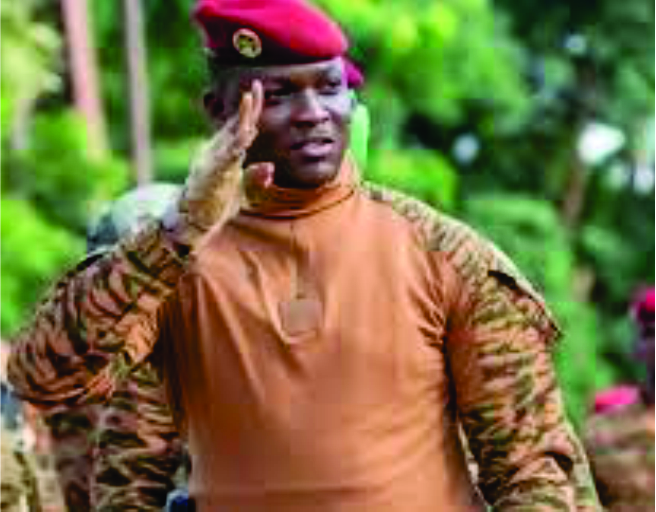
OGUDAGODOU, 3 April 2026 (NPA) — Captain Ibrahim Traoré, Burkina Faso’s military leader, has ignited global controversy after declaring that “people need to forget about democracy,” insisting Western‑style systems are unsuitable for his country. Speaking in a televised interview on April 2, 2026, Traoré argued that democracy “kills” and cited Libya as an example of failed attempts to impose foreign governance models.
His remarks follow actions by his junta, including dissolving the electoral commission in 2025 and suspending all political parties in February 2026, effectively scrapping elections promised for 2024.
Traoré defended these measures as necessary to safeguard Burkina Faso’s sovereignty and stability, rejecting pressure from the UN, ECOWAS, and Western governments to return to civilian rule. He maintained that the country must pursue governance structures aligned with its own realities rather than imported systems. Analysts say his comments mark a deepening of authoritarian rule, with dissenting voices silenced and political freedoms curtailed.
The statement has been trending across Africa and beyond, drawing sharp criticism from rights groups and international observers who warn that abandoning democracy risks worsening repression. Supporters, however, argue that Traoré is prioritising security and national survival in a region plagued by insurgency and foreign interference.
The controversy underscores the growing divide between military regimes in the Sahel and international institutions, raising questions about the future of governance in West Africa. As of 2026, nine African countries are under military rule: Mali, Burkina Faso, Niger, Guinea, Chad, Sudan, Madagascar, Guinea‑Bissau, and Gabon. These regimes emerged from coups between 2020 and 2025, with West Africa most affected.
The takeovers were often justified by claims of insecurity, corruption, or political crises, but they have led to suspended constitutions, delayed elections, and strained relations with ECOWAS and the African Union. This wave of coups has undermined democratic progress, fueled instability, and created economic and security challenges across the continent.
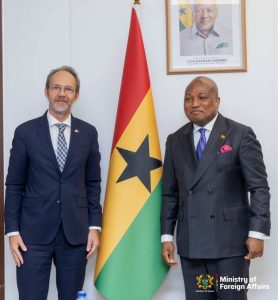
Ghana, UK review bilateral ties ahead of Mahama’s official visit
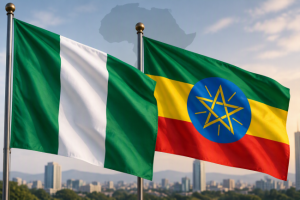
Nigeria, Ethiopia deepen cooperation on trade and investment
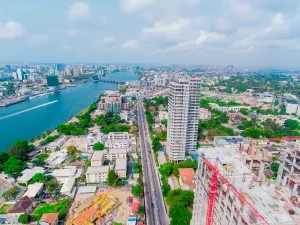
World Bank upgrades Africa growth outlook, says AI could boost jobs and productivity
Uganda vaccinates more than 8.2 million children in Measles-Rubella Campaign
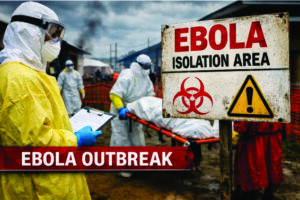
NCDC heightens vigilance after imported Ebola case confirmed in Kenya
Eswatini says three third-country nationals voluntarily return home
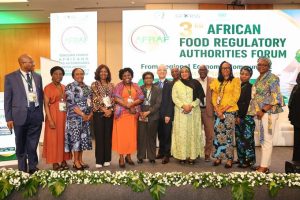
NAFDAC DG advocates stronger continental cooperation on food safety
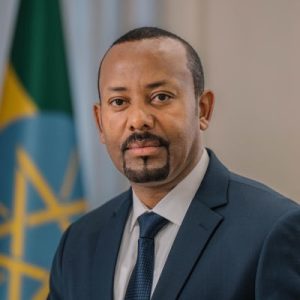
AU Commission Chairperson congratulates Abiy Ahmed on re-election
- Tinubu commissions NRS Headquarters, says new tax reforms will drive prosperity
- Tinubu assures investors of regulatory stability as Ogun, DP World sign $7bn port, SEZ MoUs
- Climate change anxiety is rising — and so is the willingness to act on it
- Ohaukwu LG Chairman Ituma breaks ground for modern diagnostic centre, blood bank
- Baseball boosts TBS, NFL gives ESPN a kick and streamers love ‘Squid’
Community Discussion