Category: International

  • EU urges tougher pressure on Russia, stronger maritime security

    EU urges tougher pressure on Russia, stronger maritime security

    NEW YORK, United States (NPA) — European Union foreign ministers have discussed increasing pressure on Russia, strengthening maritime security and deepening security cooperation with Indo-Pacific partners amid ongoing conflicts and growing global security challenges.

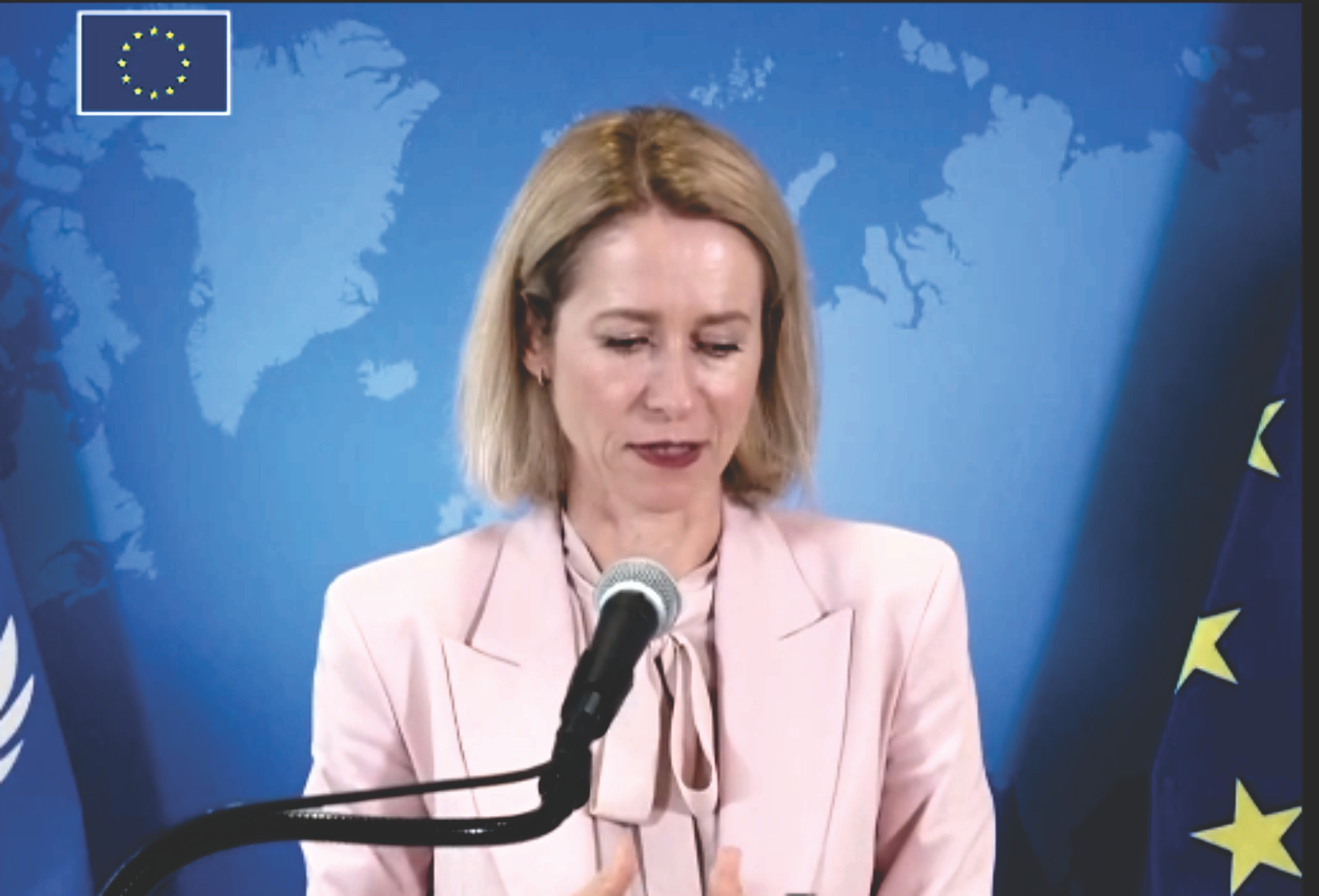
    EU High Representative for Foreign Affairs and Security Policy and Vice-President of the European Commission, Kaja Kallas, disclosed this on Monday, September 21, 2026, after chairing an informal Foreign Affairs Council meeting in New York.

    The meeting focused on Russia’s war against Ukraine, the Middle East, global food security, accountability, maritime security and the effectiveness of the multilateral system.

    Kallas said Europe was facing an increase in sabotage attacks and airspace violations, which she attributed to Moscow’s efforts to pressure European countries over their support for Ukraine.

    “As Russia is willing to take greater risks, we also need to impose greater costs,” she said.

    She identified stronger measures against Russia’s shadow fleet and tougher action targeting its military-industrial complex as among the options being considered.

    Kallas said EU ministers also discussed the renewal of the bloc’s sanctions against Russia, describing sanctions as a core element of the EU’s response to the war.

    She said the EU’s sanctions regime currently covers more than 3,000 listings, with discussions on their renewal ongoing.

    “We are doing two things at the same time. One is the renewal of all the sanctions that we have in place right now, and the other side is putting in place new sanctions,” Kallas said.

    Maritime security

    On the Middle East, Kallas said ministers discussed the worsening security situation in the Red Sea and its implications for European interests and global trade.

    She said attacks by Yemen’s Houthi movement were affecting the global economy and stressed the importance of maritime security around critical waterways.

    The EU’s Operation ASPIDES, she said, was contributing to regional and global shipping security but required additional naval and air assets because of the increased level of threats.

    Kallas identified the Black Sea, Strait of Hormuz and Strait of Bab el-Mandeb as critical maritime chokepoints whose disruption could have consequences beyond their immediate regions.

    “Freedom of navigation and maritime security are essential for trade, food security, and our economies,” she said.

    She said the ASPIDES mission initially indicated a need for at least 10 ships but that the current security situation could require more.

    EU, Indo-Pacific partners deepen cooperation

    Foreign ministers from Australia, India, Japan and South Korea also joined the second part of the meeting, with discussions focusing on security and defence cooperation.

    Kallas said the talks centred on three broad areas: strengthening the multilateral system, closer security cooperation between Europe and the Indo-Pacific, and reducing economic dependencies.

    On the multilateral system, she said the EU remained committed to the United Nations but argued that reforms were needed to make the organisation more effective in preventing and resolving conflicts.

    She also said the next selection of the UN Secretary-General would be important in providing leadership for UN reform and defending the UN Charter.

    Kallas said stronger international cooperation was also needed in areas where global rules were under pressure or still developing, including maritime security and artificial intelligence.

    On Europe’s security relationship with the Indo-Pacific, she said Russia and North Korea’s actions affected both regions.

    Kallas said North Korean troops had supported Russia’s war in Ukraine, while China remained, in her assessment, a key enabler of Russia’s war through the supply of dual-use goods.

    She said a free, open and rules-based Indo-Pacific was important to global stability and prosperity, adding that the EU and its partners supported international law, freedom of navigation and overflight, and the peaceful settlement of disputes.

    Economic security and accountability

    Kallas said EU and Asia-Pacific partners also faced common challenges relating to economic security and agreed that closer cooperation to diversify supply chains and reduce dependencies was in their mutual interest.

    On accountability, she defended EU support for international justice mechanisms, including the International Criminal Court (ICC).

    She distinguished between war crimes and the crime of aggression, explaining that the proposed Special Tribunal for the Crime of Aggression against Ukraine was intended to address the responsibility of leaders for launching a war against another country.

    Kallas said the EU would continue supporting the ICC and called accountability an essential component of the international system.

    “The European stance has been very clear. We have been supportive of the ICC. It is fundamental that its accountability for the international law functions properly, and therefore we stand behind ICC,” she said.

    On Ukraine’s request for additional air-defence systems, including Patriot missiles, Kallas said the issue was not discussed during the meeting because of limited time. She said some EU countries had previously indicated that they were providing air-defence systems to Ukraine and expressed hope that those commitments would be implemented.

    Kallas also said the EU was continuing diplomatic outreach on the Black Sea, particularly because of the implications for global food security and countries in Africa and Asia.

    She called for an end to attacks on civilians, civilian infrastructure and grain vessels in the Black Sea.

    On a proposed US agreement with Denmark and Greenland, Kallas said she did not know the details but welcomed any agreement that could increase security in the Arctic.

    The EU foreign policy chief also said the United Nations remained relevant despite concerns about its effectiveness, arguing that most countries continued to support a rules-based international system.

    She said the EU would continue working with partners to strengthen that system and promote accountability.
  • Amnesty calls for release of Imran Khan’s relatives, PTI activists

    Amnesty calls for release of Imran Khan’s relatives, PTI activists

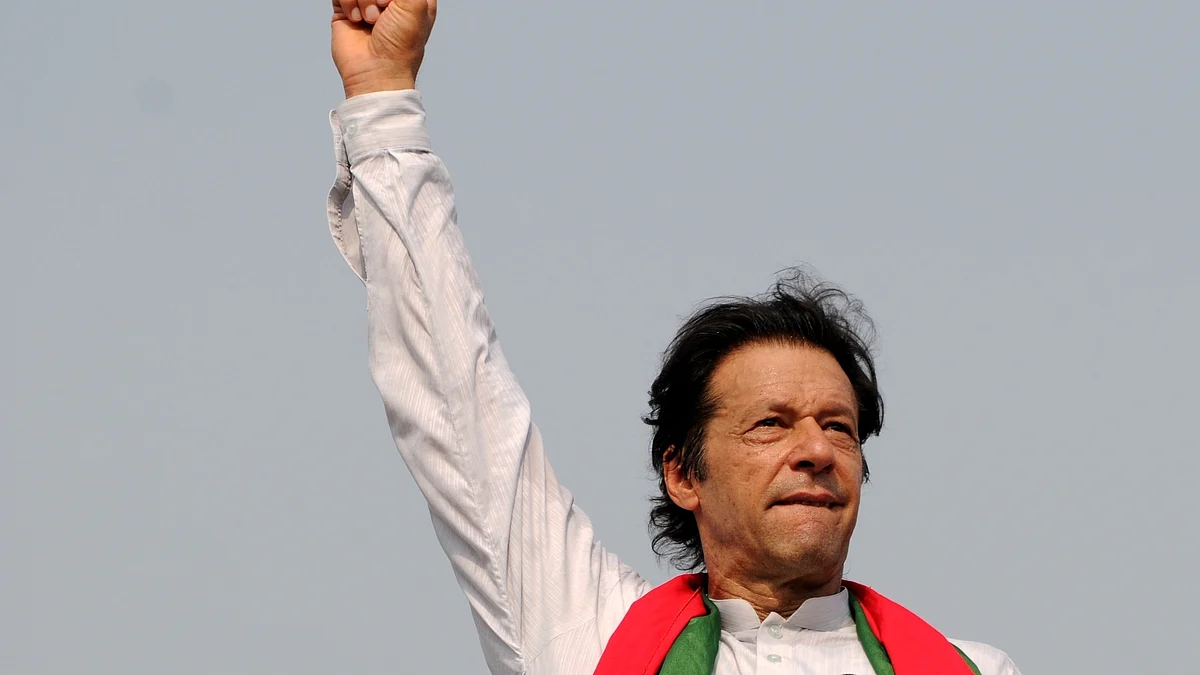
    ISLAMABAD, Pakistan (NPA) — Amnesty International has called on Pakistani authorities to immediately release relatives of former Prime Minister Imran Khan, including his three sisters, as well as activists of the Pakistan Tehreek-e-Insaf (PTI) party whom the rights organisation said have been arbitrarily detained.

    In a statement, Amnesty International said the detention of Khan’s family members and PTI activists violated their rights to liberty, freedom of expression, association and peaceful assembly.

    The organisation said the actions reflected what it described as the severity of restrictions currently facing political and civic activities in Pakistan.

    “Members of former prime minister Imran Khan’s family, including his three sisters, as well as activists from Pakistan Tehreek-e-Insaf (PTI) have been arbitrarily detained,” the statement said.

    “The targeting of his family and PTI party activists is a flagrant violation of their rights to liberty, freedom of expression, association and peaceful assembly. Such actions speak to the severity of the current restrictions in Pakistan.”

    Amnesty International called on the Pakistani authorities to release Khan’s relatives and PTI workers, saying they had been targeted because of their familial ties, political affiliation and plans to protest.

    The organisation urged the authorities to respect the rights to peaceful assembly, freedom of expression and association.

  • Nigeria to renew UN Security Council seat push, seek reforms at UNGA81

    Nigeria to renew UN Security Council seat push, seek reforms at UNGA81

    NEW YORK, United States (Agency Report) — Nigeria will renew its campaign for permanent African representation on the United Nations Security Council as Vice-President Kashim Shettima leads the country’s engagements at the 81st Session of the UN General Assembly (UNGA81).

    The country will also push for broader UN reforms, stronger development outcomes for developing countries and increased international investment in Nigeria.

    The Minister of Foreign Affairs, Bianca Odumegwu-Ojukwu, and Nigeria’s Permanent Representative to the UN, Amb. Jimoh Ibrahim, disclosed this while briefing Shettima on Nigeria’s priorities in New York.

    The briefing reviewed the country’s agenda, expectations and strategic engagements during the high-level session.

    Mr Stanley Nkwocha, Senior Special Assistant to the President on Media and Communications, Office of the Vice-President, disclosed this after the meeting.

    Nkwocha said Nigeria would build on positions advanced during previous UN engagements, particularly its advocacy for reforms aimed at making multilateralism more responsive to the needs of developing countries.

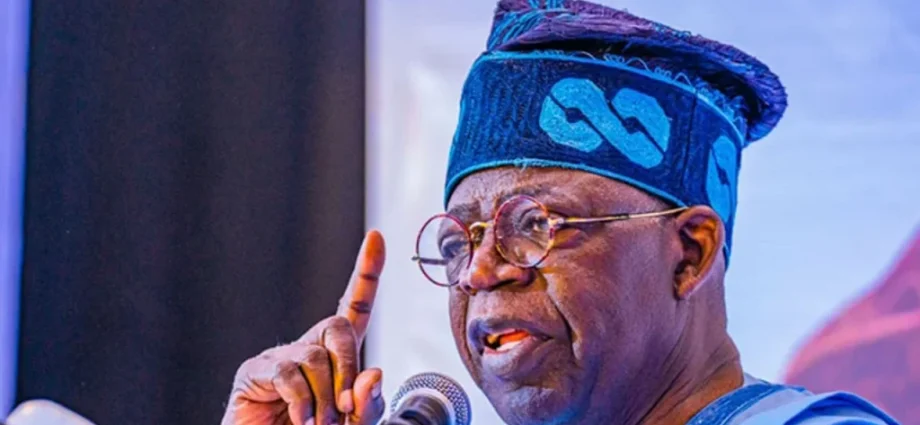
    He said Shettima would present President Bola Tinubu’s positions across several high-level forums during the gathering.

    “The Vice-President will, at all the forums, present President Tinubu’s message across different sectors, including Nigeria’s push for a permanent seat on the UN Security Council,” Nkwocha said.

    Nigeria has consistently advocated permanent African representation on the Security Council, arguing that the continent’s absence from permanent membership represents an imbalance in global governance.

    The 15-member Security Council currently has five permanent members — China, France, Russia, the United Kingdom and the United States — which possess veto powers.

    Africa, despite having 54 UN member states and being significantly represented in issues considered by the council, does not have a permanent seat.

    Nigeria has maintained that reform of the council should reflect contemporary geopolitical realities and provide Africa with greater participation in decisions affecting international peace and security.

    Nkwocha said Nigeria would also engage strategically with governments, international organisations, businesses and development partners throughout the UNGA high-level week.

    Ibrahim said Nigeria’s participation would focus on reforms capable of increasing the practical impact of the UN on member states.

    According to him, reforms should ensure that multilateral institutions translate policies and resources into measurable improvements for countries and their citizens.

    Nigeria’s delegation is also expected to use the engagements to promote investment opportunities in sectors including solid minerals, energy, infrastructure, agriculture and technology.

    Shettima is representing President Tinubu at the 81st General Assembly and is expected to deliver Nigeria’s national statement during the General Debate.

    Nigeria is scheduled to speak fourth during Thursday afternoon’s session.

    His address is expected to outline Nigeria’s positions on peace and security, sustainable development, global financial reform, climate action and multilateral cooperation.

    (NAN)

  • Russia condemns IAEA resolution on nuclear safety and security in Ukraine

    Russia condemns IAEA resolution on nuclear safety and security in Ukraine

    MOSCOW, Russia (NPA) — Russia has condemned a resolution on nuclear safety, security and safeguards in Ukraine adopted at the 70th session of the International Atomic Energy Agency (IAEA) General Conference.

    In a statement issued on Saturday, Russia said the draft resolution, titled “Nuclear Safety, Security and Safeguards in Ukraine,” was prepared by Canada and Ukraine and considered and voted on by the IAEA General Conference on September 17, 2026.

    The Russian Foreign Ministry described the resolution as a politicised document and accused its sponsors of using the IAEA to pursue political objectives.

    According to the statement, the annual submission of the resolution had become part of what Moscow described as efforts by Kyiv and Western countries to undermine the effective functioning of the agency.

    “Like before, the majority of delegations did not support the initiative,” the statement said.

    Russia said several countries voted against the draft while others abstained, adding that several dozen IAEA member states did not participate in the vote.

    Moscow described the vote as an attempt by a group of Western countries to use the IAEA to advance political objectives, which it said was contrary to the agency’s technical mandate.

    The Russian Foreign Ministry also accused Ukraine of carrying out attacks on the Zaporizhzhia Nuclear Power Plant (ZNPP), its personnel and their families, as well as the nearby city of Enerhodar.

    Russia said the resolution’s sponsors were shielding Ukraine from accountability over what it described as reckless actions and argued that the initiative was not genuinely focused on nuclear safety, nuclear security or IAEA safeguards.

    “The resolution is not only openly provocative but also goes far beyond the Agency’s Statute,” the statement said.

    Moscow said it regarded the resolution as “legally and politically null and void” and maintained that it would have no consequences under international law.

    Russia also said it would not implement any of the resolution’s provisions.

    The Russian government said it would continue to ensure the safety and security of the ZNPP in accordance with Russian national legislation and its international obligations.

  • BREAKING: Trump announces US-Denmark-Greenland security agreement, plans expanded military presence

    BREAKING: Trump announces US-Denmark-Greenland security agreement, plans expanded military presence

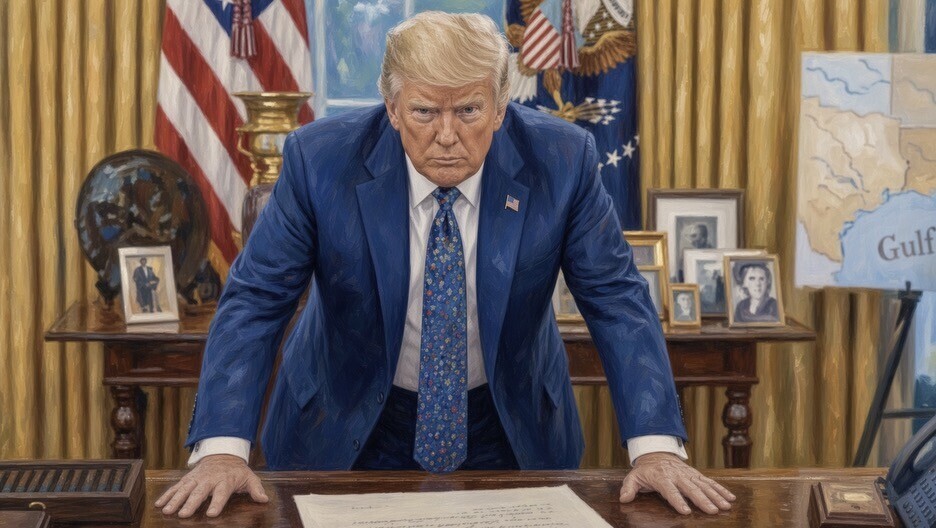
    WASHINGTON, United States (NPA) — U.S. President Donald J. Trump has announced that the United States has reached an agreement with Denmark and Greenland that he says gives Washington “permanent control” over Greenland’s security and other security-related needs.

    Trump made the announcement in a post on Truth Social on Friday, saying the agreement addressed what he described as longstanding U.S. concerns over the strategic Arctic territory.

    The President said the arrangement would allow the United States to “FOREVER” have the ability to take necessary measures to secure and defend Greenland and the United States.

    He also said no U.S. adversary would be allowed to establish a military base or maintain a military presence in Greenland, or make sensitive investments there, without Washington’s written approval.

    Trump said the United States would immediately begin the process of developing a large military presence at suitable locations in Greenland and would work with Greenlanders on the development and construction.

    He described the arrangement as an “Infinite Life” Agreement, saying it had no end, and said there would be “NO COST” to the United States.

    “I am pleased to announce that the United States of America has entered into an Agreement with The Kingdom of Denmark, and Greenland, that gives the United States permanent control over security, and all other needs, in Greenland, completely addressing ALL of our many U.S. concerns,” Trump said.

    He added that the United States had worked with representatives of Denmark and Greenland to guarantee its ability to act in Greenland to secure and defend the territory and the United States.

    Trump said the agreement represented a major development after what he described as more than a century of U.S. presidents recognising Greenland’s strategic importance.

    The announcement follows months of diplomatic tensions over Trump’s repeated calls for greater U.S. control of Greenland, including earlier statements in which he had threatened to use military force to acquire the territory.

    However, Danish and Greenlandic officials have characterised the agreement differently from Trump’s description of “permanent control”. Danish Prime Minister Mette Frederiksen and Greenlandic leader Jens-Frederik Nielsen said the agreement is expected to strengthen security in the Arctic and North Atlantic while preserving the Kingdom of Denmark’s sovereignty and territorial integrity and the Greenlandic people’s right to self-determination.

    The agreement is expected to be formally signed next week on the sidelines of the United Nations General Assembly in New York, according to Danish and Greenlandic officials.

    The full details of the agreement, including how its provisions differ from existing U.S.-Denmark defence arrangements in Greenland, have not yet been publicly released. Reuters reported that the announcement concerned expanded U.S. security and military involvement on the island but stopped short of U.S. acquisition of Greenland.

    Trump said the arrangement would provide what he described as a long-term solution for the United States, Denmark, Greenland and their allies.

    “This solution is a great one for the United States of America, Denmark, Greenland, and all of our Allies,” he said.

  • Israeli military says airstrikes kill senior Hamas commanders in Gaza

    Israeli military says airstrikes kill senior Hamas commanders in Gaza

    GAZA, Palestine (NPA) — The Israeli military says its air force has killed two senior Hamas commanders in separate strikes in the southern Gaza Strip, including the commander of the Rafah Brigade and another alleged member of the group’s Nukhba forces.

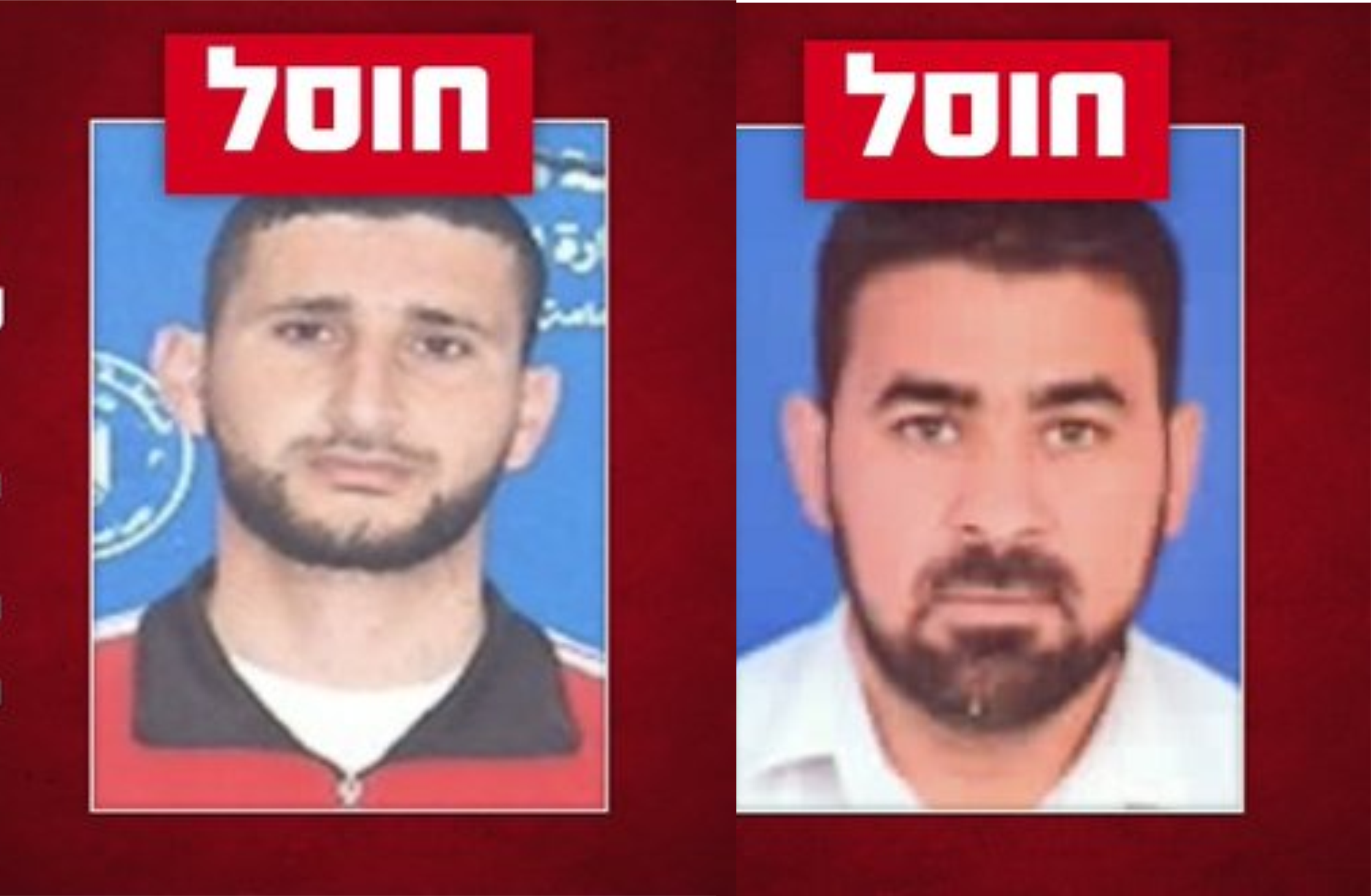
    The military said in a statement that an airstrike carried out on Tuesday evening in southern Gaza, guided by the Shin Bet security agency, killed Na’al Abu Obeid, whom it identified as commander of Hamas’ Rafah Brigade and head of its operations.

    According to the Israeli military, Abu Obeid was appointed to the position following the killing of Muhammad Shabana. It said he had previously served as deputy commander of the Rafah Brigade and commander of the Tel Sultan and Yebna battalions.

    The military described Abu Obeid as a senior Hamas figure and alleged that he was responsible for directing the brigade’s activities and advancing attacks against Israeli forces and civilians.

    It also said Abu Obeid had been involved in efforts to rebuild the brigade’s capabilities, which the military said had been significantly degraded during the war.

    In a separate operation, the Israeli Air Force said it struck the Khan Younis area of southern Gaza last Thursday and killed Jihad Smeikh Mahmoud Ismail, whom it identified as the head of a Nukhba cell in Hamas’ military wing.

    The military alleged that Ismail infiltrated southern Israel during the October 7, 2023 attack and participated in a clash involving Israeli armoured forces.

    It further alleged that he was involved in the abduction of Capt. (res.) Omar Naotrah, Sgt. Maj. (res.) Oz Daniel and Sgt. Nimrod Cohen. The Israeli military said Sgt. Shakad Dahari, the tank driver involved in the clash, was wounded.

    The claims about the individuals’ roles and activities were made by the Israeli military and were not independently verified by New Post Africa.

    The Israeli military said forces under the Southern Command remained deployed in the area in accordance with the existing agreement and would continue operations to remove what it described as immediate threats.

  • Von der Leyen outlines vision for a stronger, more independent Europe in 2026 State of the Union address

    Von der Leyen outlines vision for a stronger, more independent Europe in 2026 State of the Union address

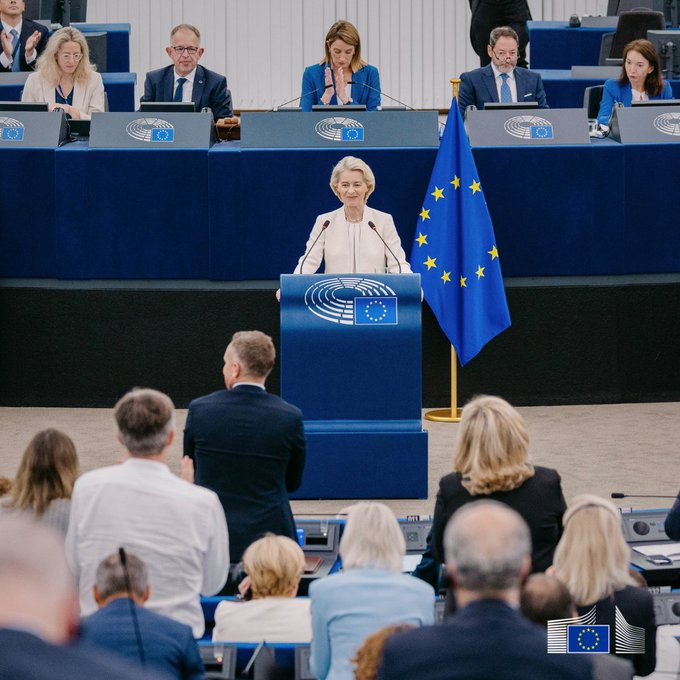
    STRASBOURG, France (NPA) — European Commission President Ursula von der Leyen has outlined an ambitious agenda for a stronger and more independent European Union, focusing on economic competitiveness, energy security, defence, artificial intelligence, climate resilience, migration, democracy and support for Ukraine.

    Addressing the European Parliament in Strasbourg on Wednesday in her 2026 State of the Union speech, von der Leyen said Europe was navigating a period of exceptional challenges and opportunities, with geopolitical tensions, wars, economic pressures and rapid technological change reshaping the global environment.

    The European Commission describes the annual State of the Union address as an opportunity for its president to take stock of the previous year and set out priorities and major initiatives for the year ahead.

    Von der Leyen said Europe had chosen to pursue greater strategic independence, arguing that the bloc needed greater capacity to determine its economic, energy, technological and security priorities.

    She said the EU had reduced its dependence on Russian fossil fuels, expanded its trading relationships and increased defence spending, while continuing to support Ukraine and respond to what she described as hybrid threats, including drones, cyberattacks and disinformation.

    “Europe has chosen to forge its own path,” she said, presenting greater European independence as a central theme of her administration’s agenda.

    Economy and single market

    On the economy, von der Leyen said Europe’s immediate priority was to accelerate economic growth while dealing with higher energy prices and borrowing costs.

    She pointed to the size of the European market, its industrial and services base, savings and currency as major economic strengths, but said fragmentation across capital markets, networks and purchasing power continued to limit the bloc’s potential.

    She announced plans to accelerate implementation of the “One Europe, One Market Roadmap”, with the aim of completing an overhaul of the EU Single Market by the end of next year.

    She also called for faster approval of strategic projects and a reduction in administrative burdens facing businesses and small and medium-sized enterprises.

    According to von der Leyen, the Commission’s 12 omnibus proposals are expected to reduce administrative costs by about €17 billion annually.

    She urged EU member states to contribute to simplification efforts and called for a pact against what she described as “gold-plating” — the addition of requirements beyond those necessary to implement EU rules.

    Energy and critical raw materials

    Energy independence featured prominently in the address.

    Von der Leyen said Europe needed to increase investment in homegrown clean energy, including renewables and nuclear power, while reducing its exposure to imported fossil fuels.

    She said imported fossil fuels had cost Europe an additional €90 billion since the start of the conflict surrounding the Strait of Hormuz, without adding energy supply.

    She proposed increasing the share of electricity in Europe’s energy mix and said the bloc’s target was to double that share by 2040.

    The Commission president also called for faster investment in electricity grids, storage capacity and grid connections, noting that a large amount of renewable energy capacity was still awaiting connection.

    On trade and strategic dependencies, she said Europe’s trade deficit with China had reached €1 billion a day and warned that the imbalance was affecting European industries and communities.

    She said the EU would continue discussions with Beijing while using available instruments to seek a rebalancing of the relationship.

    Von der Leyen also said Europe remained heavily dependent on China for critical raw materials, including rare earths, and announced plans for a European corporation focused on securing and stockpiling critical materials needed for electric vehicles, semiconductors, batteries, clean technologies and defence.

    Climate change and preparedness

    Climate change was another major component of the speech.

    Von der Leyen pointed to the severe wildfires, heatwaves, crop losses and other extreme weather events experienced across Europe during the summer.

    She said Europe was warming at twice the global rate and argued that climate mitigation and adaptation needed to be pursued together.

    The Commission will present a new framework for climate resilience, including an assessment of 100 of Europe’s most vulnerable territories, she said.

    She also announced plans for a Climate Insurance Alliance to address the gap between climate-related losses and insurance coverage.

    According to her, only about 25 per cent of catastrophe losses in Europe are currently covered by private insurance.

    A European Heatwave Plan is also expected, focusing on early warning systems, health preparedness, urban adaptation and protection of vulnerable populations.

    The Commission also plans a European Water initiative to address water scarcity, ageing infrastructure and losses from leaking water networks.

    On wildfires, von der Leyen proposed further work towards a possible European Firefighting Fleet, following cross-border cooperation during recent emergencies.

    Artificial intelligence

    Artificial intelligence was described as another major area requiring both investment and safeguards.

    Von der Leyen said AI was becoming increasingly important to Europe’s economy and security but warned of potential risks associated with increasingly capable frontier models.

    She said the EU’s AI Act provided an important regulatory framework and announced plans for closer cooperation with countries including Canada and the United Kingdom on model evaluation, verification, early warning systems and AI security.

    She also called for increased European computing capacity and investment in European AI companies and start-ups.

    The Commission plans to focus industrial AI initiatives on five sectors: health, transport, agri-food, advanced manufacturing, and defence and space.

    Von der Leyen said AI should be used to empower professionals rather than replace them, citing healthcare as an example.

    She also announced a Quality Jobs Act, saying technological change should be accompanied by efforts to improve workers’ skills and employment opportunities.

    Social rights and housing

    The speech also addressed social policy, housing and demographic change.

    Von der Leyen said the Commission would launch a European Care Deal and continue investing in regions to give people greater opportunities to remain in their communities.

    She also referred to the proposed Housing Act, which seeks to address issues including short-term rentals and housing speculation.

    She reaffirmed the Commission’s position on women’s rights and said it would continue defending equal treatment, equal opportunities and equal pay.

    Defence and Ukraine

    Security and defence occupied a substantial part of the address.

    Von der Leyen said Europe’s increased defence spending had generated higher investment in military capabilities and joint projects, but argued that more cooperation was needed.

    She proposed a European Instrument for Strategic Enablers to support capabilities such as air and missile defence, strategic transport, air-to-air refuelling, space and cyber systems.

    She also proposed what she described as an Emergency Security Protocol that would allow EU member states to coordinate responses to certain security incidents that fall below the threshold of armed aggression.

    On Ukraine, von der Leyen said the EU would maintain strong support as the country prepares for another difficult winter.

    She said Europe would provide humanitarian assistance, reinforce Ukraine’s power and heating supplies and strengthen its air defences.

    She also referred to the approval of the purchase of US Patriot interceptor missiles and proposed further European-Ukrainian cooperation on missile defence through the Freya project.

    She called for stricter enforcement of sanctions against Russia and efforts to close loopholes that allow sanctions to be circumvented.

    Gaza and the Middle East

    On the Middle East, von der Leyen said the humanitarian situation in Gaza and violence in the West Bank remained a major concern for Europeans.

    She criticised Israel’s advancement of the E1 settlement project and acknowledged divisions among EU member states over how the bloc should respond.

    She said Europe had provided significant humanitarian assistance to Palestinians and referred to nearly €1 billion pledged through the Palestine Donor Group and Team Gaza Initiative for rebuilding Gaza and supporting a modern Palestinian Authority.

    Von der Leyen reaffirmed support for Israel’s right to self-defence while also saying Palestinians had an equal right to live in safety and dignity.

    She said Europe should continue working towards a two-state solution.

    Migration and democracy

    Migration and border management also featured prominently.

    Von der Leyen said the EU’s external borders were a shared European responsibility and called for full implementation of the Pact on Migration and Asylum.

    She cited a 55 per cent reduction in irregular arrivals over the previous two years and a further 35 per cent decline in the current year, according to the figures presented in her address.

    She proposed a European Emergency Response Framework for situations involving mass movements of migrants and said the EU would strengthen Frontex, improve early-warning systems and address the root causes of irregular migration.

    She also announced a Mediterranean Youth Skills and Jobs initiative aimed at expanding employment, training and skills opportunities for young people in partner countries.

    On democracy, von der Leyen warned about foreign interference, disinformation, deepfake videos and other forms of what she called cognitive warfare.

    She said the EU would strengthen its Centre for Democratic Resilience and continue efforts to protect democratic institutions and independent information.

    The Commission president also announced the proposed EU KIDS ACT, which would introduce age-based restrictions and protections for children using social media.

    Under the proposal outlined in the speech, children under 13 would not have access to social media, while those aged 13 to 15 would use supervised accounts with limited features and time restrictions.

    Von der Leyen also announced plans for a wider Digital Fairness Act to address concerns about addictive digital design.

    Global partnerships

    The Commission president also outlined plans to deepen Europe’s international partnerships.

    She highlighted recent and planned trade agreements and announced a new connectivity project linking the South Caucasus and Central Asia with European markets through the Middle Corridor.

    The initiative, to be supported through the EU’s Global Gateway programme, aims to attract up to €12 billion in public and private investment.

    Von der Leyen also proposed moving the EU-Canada relationship beyond the existing CETA framework towards what she described as an “Alliance for the Future”, covering areas including technology, defence, energy, critical minerals, batteries, artificial intelligence, quantum technology and cybersecurity.

    She invited Canada to become the first associate member of the European Union.

    Concluding her address, von der Leyen called for renewed European cooperation and said the bloc’s future should be shaped by its member states and citizens.

    She announced plans for a new Congress of Europe ahead of the 70th anniversary of the Treaty of Rome in 2027, saying it would bring together thinkers from across the continent to develop a vision for the next generation.

    The European Commission has framed the 2026 State of the Union around strengthening Europe’s ability to act in a changing world, with competitiveness, strategic independence, defence, Ukraine, international partnerships, democracy and citizen protection among its stated priorities.

  • UN warns of rising global risks as Yemen fighting displaces more than 100,000

    UN warns of rising global risks as Yemen fighting displaces more than 100,000

    UNITED NATIONS (NPA) — The United Nations has warned that geopolitical tensions and large-scale wars are among the most pressing and interconnected risks facing the world, as escalating hostilities in Yemen continue to displace civilians and place growing pressure on humanitarian operations.

    UN Secretary-General spokesperson Stéphane Dujarric made the remarks during the UN daily press briefing on Tuesday, September 15, 2026, while presenting highlights from the newly launched 2026 Global Risk Report.

    According to Dujarric, the report was based on responses from more than 1,300 stakeholders drawn from governments, businesses, civil society and the UN system. It identified geopolitical tensions and large-scale war as major global risks, while also highlighting growing concerns about artificial intelligence and emerging technologies.

    The report also maintained that climate change and other environmental challenges remain among the world’s significant threats.

    Dujarric said international cooperation remained an important means of addressing the rapidly evolving risk landscape and preventing existing threats from developing into wider crises.

    The briefing also focused heavily on Yemen, where the UN said intensified fighting, particularly along the country’s western coast, had forced more than 100,000 people to flee their homes.

    The UN refugee agency also reported that thousands of people had crossed the Bab el-Mandeb Strait to Djibouti in search of safety, with the crossing presenting additional dangers to families fleeing the conflict.

    In response to the humanitarian situation, UN Emergency Relief Coordinator Tom Fletcher released $9 million from the Central Emergency Response Fund to provide urgent assistance to displaced families and communities hosting them.

    The UN said many families had been forced to flee at short notice with few belongings, while humanitarian organisations were providing protection, shelter, relief items and financial assistance despite difficult operating conditions.

    Movement restrictions caused by insecurity have also affected humanitarian access, with key routes restricted or suspended. The UN said humanitarian supplies and resources were running low and called on all parties to protect civilians, respect international humanitarian law and facilitate the safe and unhindered delivery of aid.

    The UN Security Council was also expected to hold an emergency meeting on developments around the Bab el-Mandeb Strait. Dujarric said the briefing would address intensified fighting along Yemen’s western coast, including reported advances by the Houthis towards the strategic waterway and a counteroffensive by the Yemeni government.

    The UN Secretary-General’s Special Envoy for Yemen, Hans Grundberg, meanwhile continues to engage with the parties in an effort to keep communication channels open and preserve space for dialogue.

    In the occupied Palestinian territory, UN humanitarian officials reported continuing difficulties for displaced families in accessing shelter and essential services.

    At a displacement site in Khan Yunis, families affected by an airstrike that destroyed most of their tents said they needed additional assistance ahead of the cold and rainy season, including mattresses, blankets and tarpaulins.

    In northern Rafah, families also reported difficulties accessing essential services, particularly safe water, with ongoing military activities affecting the regularity of water deliveries. The UN said it remained concerned about reports of airstrikes and attacks in populated areas and reiterated that Palestinians in the occupied Palestinian territory must be protected under international humanitarian law.

    On Sudan, the Secretary-General’s Personal Envoy, Pekka Haavisto, concluded a two-day visit to Egypt following his recent visit to Sudan.

    In Cairo, Haavisto met Egyptian officials, including Foreign Minister Badr Abdelatty, to discuss Egypt’s role as a neighbouring country in supporting efforts to end the Sudan conflict. He also met the Secretary-General of the League of Arab States, Nabil El-Araby, and members of the Sudanese diaspora.

    The UN said the discussions highlighted the importance of coordination among international and regional partners and ensuring that Sudan’s diverse diaspora has a meaningful voice in shaping the country’s future.

    The briefing also covered developments in Libya, the Central African Republic, the Democratic Republic of Congo and Nepal, including efforts to strengthen institutions, respond to Ebola and support children affected by devastating floods.

    Dujarric also announced the appointment of Martin Kimani of Kenya as the new Assistant Secretary-General for Africa. Kimani, a former Kenyan Permanent Representative to the UN, succeeds Ghana’s Marta Pobee.

    The briefing coincided with the International Day of Democracy, with the Secretary-General warning in his message that deepening divisions and multiplying conflicts were undermining the social contract between citizens and governments.

    The UN said the observance was intended to reinforce the importance of democracy and inclusive participation in decision-making.

  • Zelenskyy urges Ukraine lawmakers to approve budget measures, prosecutor general’s dismissal

    Zelenskyy urges Ukraine lawmakers to approve budget measures, prosecutor general’s dismissal

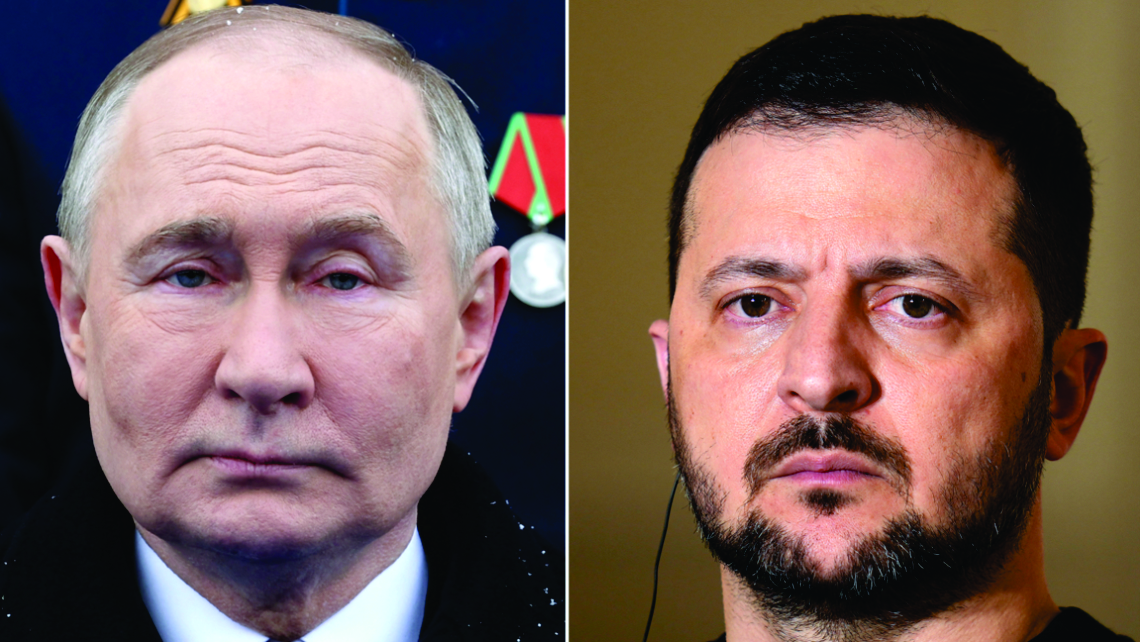
    KYIV, Ukraine (NPA) — Ukrainian President Volodymyr Zelenskyy has urged parliament and the government to work together to close the country’s budget gap, strengthen state revenue collection and approve measures he said were necessary to fund Ukraine’s ongoing operations and defence.

    The call followed a meeting with the Prime Minister and Finance Minister of Ukraine, according to the president’s evening address on Monday.

    He said parliamentarians and the government needed to coordinate their efforts to adopt a specific list of laws and government decisions aimed at addressing the budget deficit and ensuring continued payments.

    According to the Ukrainian president, the measures were not about political preferences but about securing the funds required for Ukraine to function and defend itself.

    “I ask parliamentarians, already this week, to deliver this financial result for Ukraine through their votes,” he said.

    He also called for closer scrutiny of the Tax Service and other government agencies to determine whether they were contributing fully to state revenue.

    The president further called for stronger action against fraudulent call centres operating in Ukraine, saying draft legislation establishing strict criminal liability for such activities was also on the agenda.

    President backs prosecutor general’s removal

    The Ukrainian leader also urged members of the Verkhovna Rada to support the dismissal of Prosecutor General Ruslan Kravchenko.

    He said he had submitted the motion for Kravchenko’s dismissal to parliament and called on lawmakers to support it.

    Kravchenko resigned last week after an anti-corruption investigation reached his office. He has not been charged with a crime, while one of his subordinates has been accused of involvement in a fraud scheme linked to fraudulent call centres.

    The dispute escalated on Monday after Kravchenko said he had signed a notice of suspicion against Semen Kryvonos, head of Ukraine’s National Anti-Corruption Bureau (NABU), accusing him of forging official documents. NABU and other anti-corruption bodies disputed the allegations and described the development as an attack on their independence.

    The president said the reasons for Kravchenko’s removal were already known and that he expected sufficient support in parliament.

    Ukraine seeks stronger sanctions against Russia

    On Russia, the Ukrainian president urged international partners not to ease sanctions against Moscow or Russian business figures.

    He specifically mentioned Russian businessmen Alisher Usmanov and Mikhail Fridman, arguing that sanctions should remain in place until Russia faces meaningful consequences for the war.

    He called for new and stronger measures targeting Russia’s financial resources and ballistic missile production.

    He also said a sanctions bill sponsored by U.S. Senator Lindsey Graham remained legislation rather than law and expressed hope that it would eventually be enacted.

    Ukraine proposes reciprocal halt to infrastructure strikes

    The president also said Ukraine had proposed that its international partners help secure an agreement with Russia to halt attacks on critical infrastructure.

    According to him, food supplies, energy facilities, ports, logistics infrastructure and warehouses storing essential goods should be protected from attacks.

    He said Ukraine would be prepared to reciprocate with a halt to its own strikes on Russian energy and other critical infrastructure if international partners could secure a credible and lasting Russian commitment to stop such attacks.

    He stressed that any arrangement should be reliable and long-term and should have a tangible effect on civilians.

    A de-escalation agreement covering critical infrastructure, he said, could serve as a first step towards broader peace, with Ukraine awaiting concrete proposals from its partners.

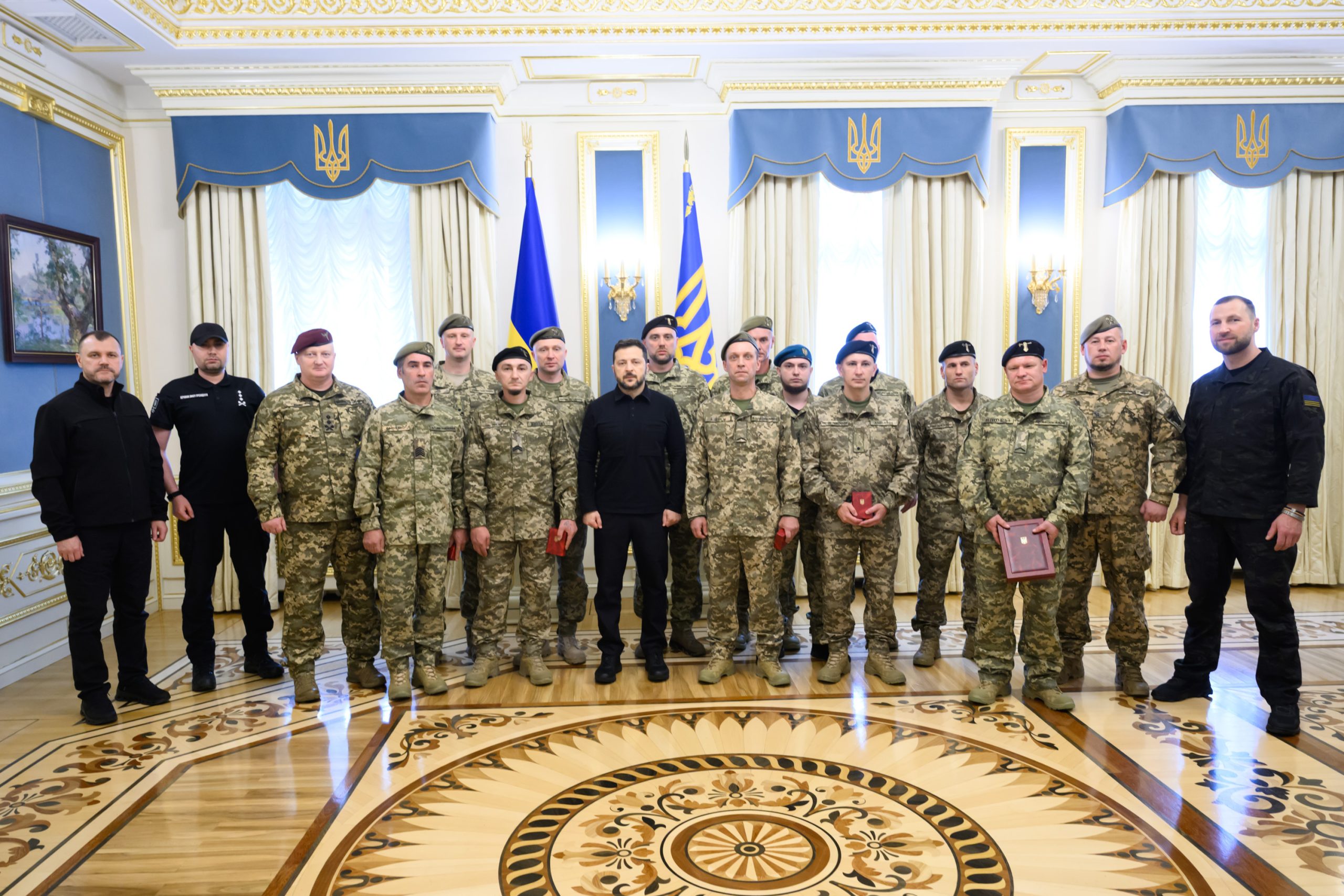
    Ukrainian tank crews honoured

    In another part of his address, the Ukrainian leader said he had presented awards to Ukrainian soldiers on Tank Troops Day.

    He said the recipients included tank personnel who had fought during operations around Kyiv and Kharkiv, as well as in Donetsk and Zaporizhzhia regions and during the Kursk operation.

    He thanked the soldiers for their service during the full-scale war and praised them as heroic and resilient defenders of Ukraine.

  • Scotland, Wales, and Northern Ireland leaders intensify push to break away from UK

    Scotland, Wales, and Northern Ireland leaders intensify push to break away from UK

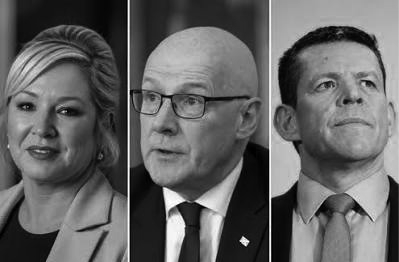
    CARDIFF, United Kingdom (NPA) — Leaders of the Scottish National Party, Plaid Cymru and Sinn Féin have signed a joint declaration asserting the right of Scotland, Wales and Northern Ireland to determine their own constitutional futures.

    The declaration was signed in Cardiff on Monday by Scottish First Minister and SNP leader John Swinney, Welsh First Minister and Plaid Cymru leader Rhun ap Iorwerth, and Northern Ireland First Minister and Sinn Féin vice-president Michelle O’Neill.

    Sinn Féin president Mary Lou McDonald, who is also leader of the opposition in the Republic of Ireland, attended the meeting. The four leaders participated in the summit in their capacity as party leaders, rather than as officials formally representing their respective governments.

    The declaration states that the three nations have a right to self-determination and calls on the British Government to “prepare for, plan and facilitate constitutional change” in Scotland, Wales and Northern Ireland.

    The leaders said each nation should be able to determine its future through democratic means and in accordance with the wishes of its people.

    Different constitutional positions

    The three parties share a commitment to greater constitutional independence from the United Kingdom, but their positions on the timing and process differ.

    Swinney has continued to call for another Scottish independence referendum. Scotland held its previous independence referendum in 2014, when voters chose to remain in the UK.

    In Wales, ap Iorwerth has not set a timetable for an independence referendum. He has said Wales and Scotland are on different constitutional paths while arguing that Welsh people should have a say in determining the country’s future.

    In Northern Ireland, Sinn Féin supports Irish reunification and has continued to advocate a referendum on the constitutional status of Northern Ireland.

    Call for constitutional change

    The Cardiff declaration says the political landscape across the nations is changing and calls for greater cooperation between the parties.

    The leaders also discussed cooperation on areas including the economy, energy and international relations.

    A separate Cardiff Agreement was also signed by Swinney and ap Iorwerth on behalf of the Scottish and Welsh governments. That agreement covers cooperation on issues including child poverty, the cost of living, economic growth, climate change, international engagement, language, culture, media and sport.

    The self-determination declaration itself does not create an independence referendum or alter the constitutional status of Scotland, Wales or Northern Ireland.

    It is a political declaration by the participating parties calling for the people of the three nations to have the opportunity to determine their constitutional futures.

    The Cardiff meeting therefore brought together nationalist leaders from the three devolved nations, alongside McDonald, to make a coordinated political case for self-determination while acknowledging that the constitutional circumstances and political positions of Scotland, Wales and Northern Ireland are different.