Category: International

  • Kemi Badenoch hails Conservative comeback as Labour suffers major losses in local elections

    Kemi Badenoch hails Conservative comeback as Labour suffers major losses in local elections

    LONDON, United Kingdom (NPA) — The Leader of the Conservative Party, Kemi Badenoch, has said the Conservatives are returning to mainstream political leadership in Britain following early results from the 2026 UK local elections, which show the Labour Party losing at least 254 council seats across England.

    Badenoch said voters across several key areas were signalling renewed confidence in the Conservatives.

    “From Westminster to Wandsworth, Harlow to Bexley, Fareham to Broxbourne, people can see the Conservative Party is renewed. There is much more to do, but we have the plan and team to get Britain working again,” she said.

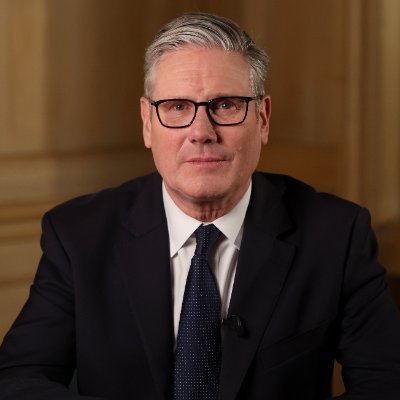
    Earlier, Prime Minister Keir Starmer acknowledged the scale of Labour’s losses, describing the outcome as “tough results for Labour” and conceding that the party had lost “brilliant representatives who stood up for their communities.”

    The opposition Labour Party, led by Starmer, suffered its worst performance in several key regions, with at least 254 council seats lost across England, according to early confirmed results.

    The defeats were particularly pronounced in northern and working-class strongholds, including parts of Greater Manchester and Hartlepool, long considered core Labour territory.

    The election also saw significant gains by Reform UK, while the Green Party and Liberal Democrats recorded modest advances, further weakening Britain’s traditional two-party dominance.

    Political analysts say voter dissatisfaction over the economy, public services, and the perceived slow pace of reforms contributed to Labour’s losses.

    Starmer admitted public frustration, saying, “People are still frustrated. Their lives aren’t changing fast enough. We haven’t offered enough hope or optimism for the future,” reflecting growing pressure on the party’s leadership following the results.
  • Labour’s local election huge losses signal deeper political shifts in the UK

    Labour’s local election huge losses signal deeper political shifts in the UK

    LONDON, United Kingdom (NPA) — Prime Minister Keir Starmer has openly acknowledged the scale of Labour’s losses in the 2026 local elections, describing the outcome as “tough results for Labour” and conceding that the party has lost “brilliant representatives who stood up for their communities.” His remarks underscore the gravity of the setback and the mounting challenges facing Labour’s leadership.

    Labour lost at least 254 council seats across England, according to early confirmed results, with Reform UK making significant inroads into traditional Labour strongholds. The Greens and Liberal Democrats also registered gains, signaling a broader erosion of Britain’s two-party dominance. Particularly striking were Labour’s defeats in northern and working-class councils, including parts of Greater Manchester and Hartlepool, areas long considered central to the party’s base.

    Analysts point to voter dissatisfaction with the economy, public services, and the perceived slow pace of reforms as key drivers of the electoral backlash. Starmer himself admitted that “people are still frustrated. Their lives aren’t changing fast enough. We haven’t offered enough hope or optimism for the future.” His candid assessment reflects both the scale of discontent and the urgency of recalibrating Labour’s message.

    Despite the losses, Starmer, in a statement on Friday, insisted that his determination remains intact. “I was elected to change this country. These results do not weaken my determination — they strengthen it,” he declared, framing the setback as a catalyst for renewed resolve rather than retreat.

    The outcome highlights two critical dynamics: the rise of smaller parties reshaping local governance, and the vulnerability of Labour in constituencies once considered secure. Reform UK’s gains, in particular, suggest a shifting political map that could complicate Labour’s national strategy ahead of future contests.

    For Labour, the challenge now lies in restoring confidence among disillusioned voters, articulating a clearer vision of economic and social renewal, and countering the momentum of insurgent parties. The 2026 local elections may thus prove less a temporary setback than a warning sign of deeper structural changes in British politics.

  • Iranian attack on U.S. Navy Destroyers repelled in Strait of Hormuz as America launches retaliatory strikes

    Iranian attack on U.S. Navy Destroyers repelled in Strait of Hormuz as America launches retaliatory strikes

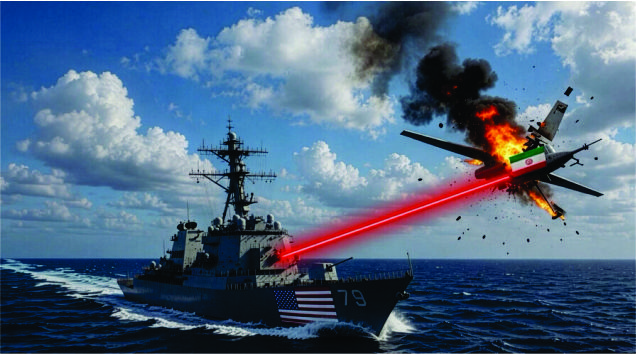
    WASHINGTON, U.S. (NPA) — The United States says its naval forces successfully repelled an attack by Iranian forces targeting three American destroyers transiting the Strait of Hormuz, with no damage recorded on the U.S. vessels.

    According to the U.S. government, the incident occurred on May 7 as the guided-missile destroyers — USS Truxtun (DDG-103), USS Rafael Peralta (DDG-115) and USS Mason (DDG-87) — were transiting toward the Gulf of Oman.

    The U.S. Central Command (CENTCOM) said Iranian forces launched missiles, drones and small boats at the American warships, but the attacks were intercepted and neutralised by U.S. forces.

    CENTCOM added that American forces subsequently carried out what it described as self-defence strikes against Iranian military facilities allegedly linked to the attack.

    No casualties or damage to U.S. vessels were reported.

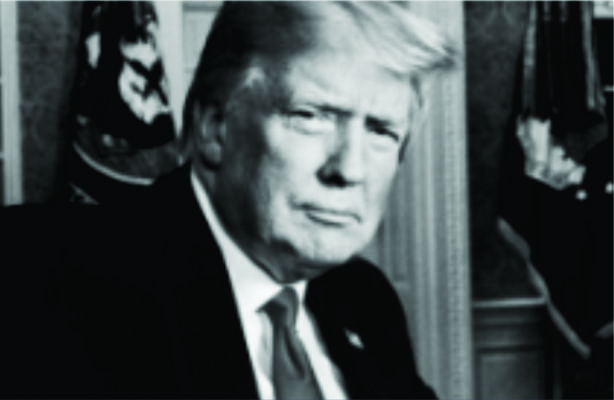
    Reacting to the development, U.S. President Donald Trump said the Iranian attackers suffered significant losses during the confrontation. In a statement, Trump noted that several small boats used in the attack were destroyed, while incoming missiles and drones were intercepted before reaching the destroyers.

    “The attackers were completely destroyed along with numerous small boats, which are being used to take the place of their fully decapitated Navy,” Trump said.

    He further stated that the U.S. destroyers would rejoin ongoing naval operations in the region, which he described as a “Wall of Steel.”

    Trump also renewed criticism of Iran’s leadership and warned of stronger military action if they refuse to make a deal with the United States as tensions escalate further.

    Iran had not officially responded to the latest U.S. claims as of the time of filing this report.

  • Israel’s UN envoy accuses Flotilla organisers of links to Hamas, criticises Spain

    Israel’s UN envoy accuses Flotilla organisers of links to Hamas, criticises Spain

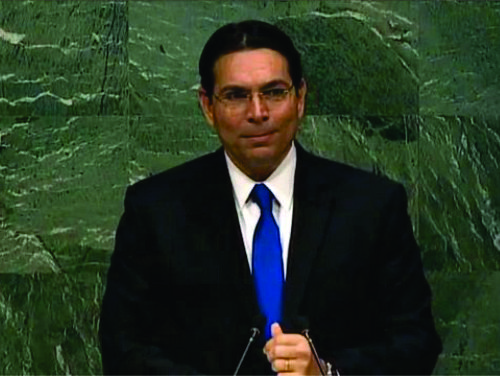
    INTERNATIONAL (NPA) — Israel’s Ambassador to the United Nations, Danny Danon, has criticised the Spanish Government over calls for the release of activists detained by Israeli authorities, urging Madrid to instead investigate the identities and background of those behind the flotilla mission.

    In a series of posts on X on Thursday, Danon alleged that organisers of the flotilla, identified as GSF, were linked to criminal activities and militant groups. “The truth about the organisers of the flotilla has been revealed: arrests in Tunisia for money laundering, insurance fraud, incitement to terrorism, and even sexual harassment,” he wrote.

    “Those who are led by terrorists should not preach to Israel about morality or international law.”

    Danon further claimed that the individuals involved were “Hamas operatives in disguise” rather than genuine human rights activists.

    “Instead of Spain demanding the release of the ‘activists,’ it should check who is really behind this flotilla,” he stated.

    “When the flotilla’s leaders are Hamas terrorists, the goal is not aid, but terror and provocation.”

    The Israeli envoy also criticised Spanish Prime Minister Pedro Sánchez over the decision to honour United Nations Special Rapporteur on the occupied Palestinian territories, Francesca Albanese.

    Danon described the recognition as “shameful,” accusing Albanese of anti-Israel bias and alleging that Spain was legitimising what he termed a campaign of incitement against Israel.

    “Israel’s detractors join together, but their hatred is laid bare for all to see,” he wrote.

    “While many countries reject this evident campaign of incitement, Spain decides to officially legitimise it.”

    Sánchez had earlier defended the recognition, stating that public responsibility carried a moral obligation “not to look the other way,” while describing Albanese as “a voice that upholds the conscience of the world.”

    The latest exchange highlights growing diplomatic tensions surrounding the ongoing conflict in Gaza and the wider international debate over humanitarian missions, human rights concerns, and accusations exchanged between Israel and its critics.

  • U.S. Treasury sanctions Iraqi oil official, Iran-backed militias over oil smuggling, terror financing

    U.S. Treasury sanctions Iraqi oil official, Iran-backed militias over oil smuggling, terror financing

    WASHINGTON, U.S. (NPA) — The United States Department of the Treasury has announced sweeping sanctions targeting Iraq’s oil sector and senior figures linked to Iran-backed militias, accusing them of diverting Iraqi oil revenues to finance terrorism and destabilising activities across the Middle East.

    In a statement issued on Thursday, the Treasury Department’s Office of Foreign Assets Control (OFAC) said the sanctions form part of Washington’s intensified “Economic Fury” campaign aimed at increasing economic pressure on Iran and disrupting its regional proxy networks.

    Among those sanctioned is Ali Maarij Al-Bahadly, Iraq’s Deputy Minister of Oil, who U.S. authorities accused of abusing his office to facilitate the diversion and smuggling of Iraqi oil for the benefit of Iran and allied militia groups operating in Iraq.

    The Treasury Department also sanctioned senior figures linked to the Iran-aligned militias Asa’ib Ahl Al-Haq and Kata’ib Sayyid al-Shuhada, both of which Washington has designated as terrorist organisations.

    U.S. Treasury Secretary Scott Bessent accused the Iranian Government of exploiting Iraq’s natural resources to fund militant operations.

    “Like a rogue gang, the Iranian regime is pillaging resources that rightfully belong to the Iraqi people,” Bessent said.

    “Treasury will not stand idly by as Iran’s military exploits Iraqi oil to fund terrorism against the United States and our partners.”

    According to OFAC, Maarij allegedly used several official positions within Iraq’s oil sector, including his former role as head of the Iraqi parliament’s oil and gas committee, to support a network controlled by oil smuggler Salim Ahmed Said.

    U.S. authorities claimed the network mixed Iranian crude with Iraqi oil and exported it using forged Iraqi government documentation to evade international sanctions.

    The Treasury Department alleged that millions of dollars worth of oil were transported daily from Iraq’s Qayarah oil field to export terminals linked to the smuggling operation.

    Washington also accused militia-linked economic officials of using front companies, government contracts, and the oil trade to finance armed groups and coordinate activities with Iran’s Islamic Revolutionary Guard Corps-Qods Force (IRGC-QF), which the United States classifies as a terrorist organisation.

    Among those designated is Mustafa Hashim Lazim Al-Behadili, also known as Sayyid Awn, described by the U.S. as a senior economic official within Asa’ib Ahl Al-Haq.

    The Treasury Department further announced sanctions against four Iraqi companies allegedly controlled by Al-Behadili and operating in the country’s oil and transport sectors.

    Additional sanctions were imposed on senior officials of Kata’ib Sayyid al-Shuhada, including Ahmed Khudair Maksus Maksus and Mohammed Issa Kadhim al-Shuwaili, whom U.S. authorities accused of facilitating weapons procurement and coordinating financial transactions with members of the Lebanese group Hezbollah.

    Under the sanctions, all assets and financial interests belonging to the designated individuals and entities within U.S. jurisdiction are to be frozen, while American citizens and businesses are prohibited from engaging in transactions with them.

    The Treasury Department warned that foreign financial institutions and companies doing business with sanctioned individuals or entities could also face secondary sanctions and restrictions under U.S. law.

    Washington said the measures are part of broader efforts by the administration of President Donald Trump to block Iran’s access to revenue streams used to fund militant operations and regional influence networks.

  • Nnamdi Kanu, Mike Arnold to Release “Sokoto Declaration” on May 30

    Nnamdi Kanu, Mike Arnold to Release “Sokoto Declaration” on May 30

    ABUJA, Nigeria (NPA) —Aloy Ejimakor, activist lawyer and counsel to Nnamdi Kanu, says the detained leader of the proscribed Indigenous People of Biafra (IPOB) has authorised the announcement of a new document titled “The Sokoto Declaration.”

    According to Ejimakor, the declaration was jointly authored by Kanu and Mike Arnold, founder of Africa Arise International and former mayor of Blanco City, Texas.

    Kanu is currently serving a life sentence following his conviction on terrorism-related charges by a Nigerian Federal High Court on November 20, 2025.

    In a statement accompanied with a campaign banner, Ejimakor said the declaration represents “a statement of common cause, a call to all who value human rights and self-determination, and a light for the path ahead.”

    “As Counsel to Mazi Nnamdi Okwu Kanu, I have been authorized by him to announce that he has been working with Mazi Mike Arnold, and together they have drafted The Sokoto Declaration,” the statement partly read.

    Ejimakor disclosed that the document would be formally released on May 30 through Biafra Radio.

    Arnold had earlier attracted attention on March 26, 2024, after publishing a lengthy article titled “Great Britain’s Dirtiest Secret,” in which he criticised the British Government’s handling of Kanu’s case.

    In the article, Arnold argued that Kanu, a British passport holder and founder of IPOB, had been targeted for advocating Igbo rights and self-determination.

    He also alleged that IPOB was designated a terrorist organisation in 2017 under former President Muhammadu Buhari without trial or sufficient evidence, although subsequent court rulings reportedly challenged aspects of the designation.

    As of the time of filing this report, details of the contents and specific direction of “The Sokoto Declaration” remain unclear, particularly regarding its implications for Kanu’s agitation, IPOB’s objectives, and the broader issues surrounding the separatist movement.

  • U.S. congressman accuses Nigerian Government of failing to stop killings of Christians

    U.S. congressman accuses Nigerian Government of failing to stop killings of Christians

    WASHINGTON, U.S. (NPA) — US Congressman Riley Moore, who heads the congressional committee mandated by President Donald Trump to investigate alleged killings of Christians, has accused the Nigerian Government of indifference and failure to act.

    In a post on his X account Thursday, Moore recalled his visit to Nigeria, noting that while the government swiftly intervened to quell a coup in neighboring Benin Republic, it has stood idle as Christian citizens are slaughtered in Plateau State. He described the scenes as “absolutely horrific” and “unconscionable.”

    Moore was reacting to a circulating video showing Christians gathered for a mass burial of victims from a previous attack, where mourners were again targeted and murdered in cold blood by alleged radical Islamic terrorists.

    The congressman chaired the committee that pushed for Nigeria’s redesignation as a Country of Particular Concern (CPC), citing systematic assaults on Christian communities. The committee, which included Chairman Tom Cole and members of the House Appropriations Committee, declared: “Nigeria is the deadliest place in the world to be a Christian. Christians face ongoing violent attacks from well-armed Fulani militias and terrorist groups, resulting in tens of thousands of deaths, the destruction of churches and schools, and widespread kidnappings. Blasphemy laws in northern states are used to silence dissent, target minorities, and justify convictions without due process.”

    Moore insisted that Nigeria has the capacity to root out terrorism but fails to act, even when forewarned of attacks. “Enough is enough,” he said, urging the Trump Administration to take “forceful action” to defend Christians in Nigeria’s Middle Belt, which he described as the epicenter of an ongoing genocide.

    Meanwhile, Nigeria’s Minister of Foreign Affairs, Bianca Odumegwu-Ojukwu, met yesterday with US Charge d’Affaires David Heffern to discuss security cooperation and bilateral relations.

    Her statement described the talks as “constructive,” covering security and defence, border and migration challenges, counter-terrorism, intelligence sharing, visa concerns, and broader regional stability. Both sides also addressed Nigeria’s CPC designation.

    Ojukwu affirmed Nigeria’s commitment to continued engagement with US authorities to review the designation and strengthen cooperation aimed at reversing it, while deepening bilateral ties.

    The CPC status remains a flashpoint in Nigeria–US relations, especially amid Washington’s concerns over religious violence and insecurity in parts of the country.

  • DRC Deepens Cooperation with Uganda and Russia

    DRC Deepens Cooperation with Uganda and Russia

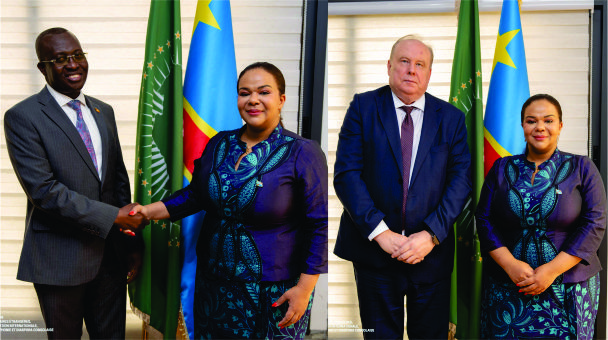
    KINSHASA, DRC (NPA) — The Congolese Minister of State, H.E. Thérèse Kayikwamba Wagner, today, received in audience the Ugandan Republic’s Deputy Minister for Regional Integration, John Mulimba. The DRC’s Minister for Regional Integration, Floribert Anzuluni Isiloketshi, also joined the discussions.

    Talks focused on preparations for the 9th session of the DRC–Uganda Joint Great Commission, scheduled to take place in Uganda from May 8 to 12, 2026. The meeting reflects the two countries’ shared commitment to strengthening bilateral relations and expanding cooperation across sectors of mutual interest.

    In a separate engagement the same day, Minister Wagner also met with H.E. Karl Tikhaze, Ambassador of the Russian Federation to the DRC. Their discussions centered on the DRC’s participation in the upcoming 3rd Russia–Africa Summit, set for October 28–29, 2026 in Moscow.

    The Minister welcomed Russia’s continued support for the DRC, particularly on security challenges in the eastern region. Talks also explored collaboration on peace and security issues in the context of the DRC’s upcoming presidency of the United Nations Security Council in July 2026.

    Both parties reaffirmed their commitment to strengthening the DRC–Russia strategic partnership, with emphasis on cooperation in health, scientific research, education, and judicial affairs.

  • White House unveils drug policy priorities to tackle illicit drug crisis

    White House unveils drug policy priorities to tackle illicit drug crisis

    WASHINGTON, D.C., United States (NPA) — The White House Office of National Drug Control Policy (ONDCP) has released the Trump administration’s drug policy priorities, outlining a comprehensive strategy aimed at reducing the impact of illicit drugs across the United States.

    The framework, announced on April 3, 2025, details urgent actions to be implemented within the first year to address rising drug use, trafficking, and overdose-related deaths.

    According to the White House, the policy focuses on six key areas, including reducing overdose fatalities—particularly those linked to fentanyl—securing global supply chains, strengthening border controls, preventing drug use, expanding access to long-term treatment, and advancing research and data-driven strategies.

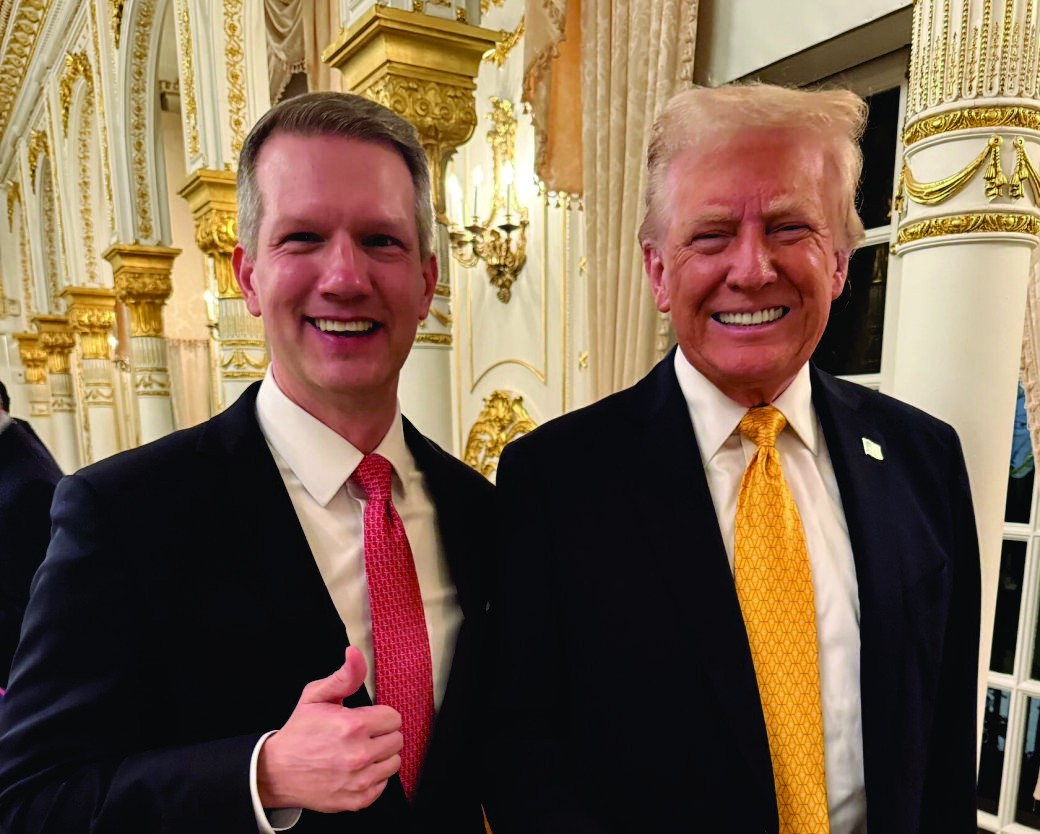
    Speaking on the initiative, ONDCP Senior Official Performing the Duties of the Director, Jon Rice, said the administration is adopting a coordinated, whole-of-government approach to combat the crisis.

    “Terrorists, cartels, and other drug traffickers are taking hundreds of thousands of American lives by poisoning them for profit,” Rice said. “The priorities in this framework outline the first steps to kick cartels out of our country, free Americans from the deadly grip of addiction, and guide America back to health and safety.”

    The administration said it would intensify efforts to disrupt drug supply chains, targeting production and distribution networks through a combination of law enforcement actions, economic measures, and advanced technology.

    It also emphasised the need for a balanced domestic response that recognises substance use disorder as a complex public health issue, requiring expanded prevention, treatment, and recovery services.

    Officials noted that collaboration across all levels of government and with stakeholders—including law enforcement agencies, healthcare providers, first responders, and community organisations—would be critical to achieving the policy’s objectives.

    The White House added that the new priorities build on existing executive actions by President Donald Trump aimed at strengthening border security, countering drug trafficking organisations, and holding source countries accountable for the flow of illicit drugs and precursor chemicals into the U.S.

    While the current framework outlines immediate priorities, the administration said its broader drug control strategy would continue to evolve in response to emerging threats in order to safeguard communities and reduce the long-term impact of illicit drug use.

  • WHO confirms medical evacuation of suspected hantavirus patients from cruise ship, 3 dead

    WHO confirms medical evacuation of suspected hantavirus patients from cruise ship, 3 dead

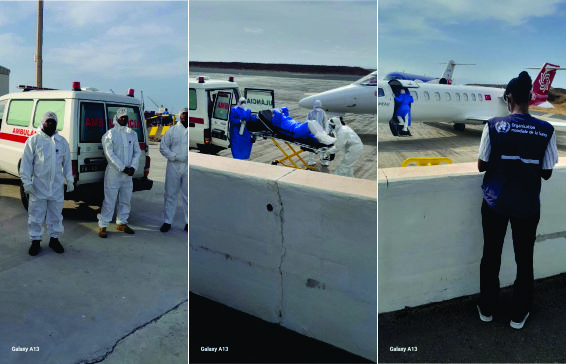
    GENEVA, Switzerland (NPA) — The Director-General of the World Health Organization, Tedros Adhanom Ghebreyesus, has confirmed the evacuation of three suspected hantavirus patients from a cruise ship currently moored off Cabo Verde, as global health authorities continue coordinated monitoring and response efforts.

    Tedros said the patients have been evacuated from the vessel and are en route to the Netherlands for medical care, in coordination with the World Health Organization, the ship’s operator, and national authorities from Cabo Verde, the United Kingdom, Spain, and the Netherlands.

    He noted that the WHO will continue working closely with the ship’s operators to monitor the health of passengers and crew, while supporting countries involved in providing medical follow-up and evacuation where necessary.

    Monitoring and follow-up for both passengers still on board and those already disembarked has been initiated in collaboration with national health authorities.

    “The WHO thanks all those involved. At this stage, the overall public health risk remains low,” Tedros said.

    The development follows reports of a suspected hantavirus outbreak aboard a Dutch-flagged cruise ship that departed Ushuaia, Argentina, on April 1, 2026, carrying 147 passengers and crew from 23 nationalities.

    According to earlier updates, seven cases have been identified onboard, including two confirmed and five suspected infections, with three fatalities and one patient reported to be in critical condition.

    The World Health Organization, alongside national health authorities, is coordinating medical evacuation, isolation measures, and laboratory investigations to determine the source and extent of the outbreak, while maintaining that the global risk remains low.

    Hantaviruses are rodent-borne pathogens that can cause severe disease in humans, including Hantavirus Pulmonary Syndrome (HPS) in the Americas and Hemorrhagic Fever with Renal Syndrome (HFRS) in Europe and Asia.

    Transmission typically occurs through inhalation of dust contaminated with rodent urine, droppings, or saliva, with rare cases linked to bites. Human-to-human transmission is extremely rare, documented primarily with the Andes virus in South America.

    Symptoms range from fever, fatigue, and muscle aches to severe respiratory distress or kidney failure, with fatality rates varying between 1 and 50 percent. There is currently no specific cure or vaccine, and treatment remains supportive, with prevention focused on avoiding rodent exposure.