Category: Health

  • Vice President Shettima hails Gates Foundation as strategic partner in Nigeria’s development drive

    Vice President Shettima hails Gates Foundation as strategic partner in Nigeria’s development drive

    ABUJA, NIGERIA (NPA) — March 26, 2026 — Nigeria’s Vice President, Senator Kashim Shettima, on Wednesday lauded the Gates Foundation for its sustained investments and humanitarian support in the country, describing the organisation as a strategic partner in the collective effort to reshape the Nigerian narrative.

    The Vice President pledged the government’s support for the Foundation’s request to deepen and broaden its collaboration with both the public and private sectors, particularly in areas such as digital transformation, nutrition, agriculture, healthcare, and other critical development initiatives.

    Shettima made these remarks while receiving a delegation from the Gates Foundation, led by Mr Hari Menon, President of the Foundation’s Global Growth and Opportunity (GGO) division, at the Presidential Villa in Abuja.

    He also commended members of the Gates Foundation’s Nigerian team for their dedication and passion toward advancing the Nigerian Project, emphasising that their contributions have positioned them as highly strategic partners in driving sustainable progress across the country.

    Over the years, the Gates Foundation has played a pivotal role in eradicating wild polio in Nigeria, strengthening primary healthcare systems, and supporting family planning and nutrition programs. It has also invested heavily in agricultural productivity, helping smallholder farmers increase yields and reduce food insecurity. Beyond Nigeria, the Foundation has partnered with institutions in 49 African countries, focusing on combating diseases such as measles and malaria, while expanding access to digital financial services for women, farmers, and marginalised communities. These interventions have made Nigeria the largest recipient of Gates Foundation funding in Africa, reflecting both its population size and developmental needs.

  • Rising debt forces 3.4 billion to spend more on loans than health or education

    Rising debt forces 3.4 billion to spend more on loans than health or education

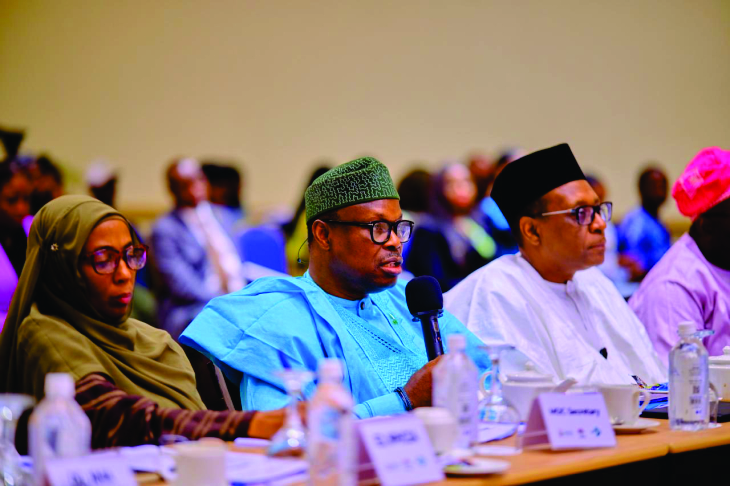
    INTERNATIONAL (NPA) — March 23, 2026 — Calls for a fundamental shift in global economic governance dominated discussions at the Impact Exchange in Geneva, Switzerland, where representatives from nearly 90 Member States, UN agencies, civil society, and experts gathered to advance a “Human Rights Economy.”

    The event, organised by UN Human Rights and the Universal Rights Group with support from the Friedrich Naumann Foundation, came amid warnings of rising inequality, surging debt, and austerity measures that could affect 85 per cent of the world’s population. “Austerity could slash investments in social protection, health, education, and the environment,” cautioned Nada Al‑Nashif, UN Deputy High Commissioner for Human Rights.

    Speakers stressed that economic growth without access to healthcare, education, clean water, decent work, and a healthy environment risks deepening divides. The Human Rights Economy framework, they argued, prioritises people and the planet in fiscal choices, moving beyond GDP as the sole measure of progress.

    Claudia Fuentes Julio, Chile’s Permanent Representative and Vice President of the Human Rights Council, underscored how inequality erodes social cohesion and urged innovative strategies to strengthen democracies. Chile’s reforms include a universal guaranteed pension, free public health services, and gender‑responsive budgeting.

    From The Gambia, Cherno Marenah highlighted people‑centred budgeting and the removal of VAT on sanitary products, while Jawad Ali of Pakistan emphasised constitutional commitments to uplift marginalised communities. Spain’s representative, Miryam Naveiras, pointed to progressive taxation and the Sevilla Declaration as a roadmap for debt relief and climate‑sensitive economic planning.

    South Africa’s Mxolisi Nkosi called for a fairer global financial architecture, stressing that development is a right, not a privilege. Portugal and Malaysia echoed the need for reforms in taxation, trade, and education, while civil society voices urged the adoption of metrics that reflect well‑being, equality, and sustainability.

    Throughout the Exchange, participants agreed that even in tight fiscal times, progress is possible when human rights guide economic choices. OHCHR announced the expansion of its ESCR Knowledge Hub, showcasing promising practices from 2020–2024 to help countries operationalise the Human Rights Economy.

    The message was clear: systemic reform rooted in human rights is essential to confront inequality and achieve the 2030 Agenda.

  • ECOWAS calls for inclusive water governance to transform West Africa

    ECOWAS calls for inclusive water governance to transform West Africa

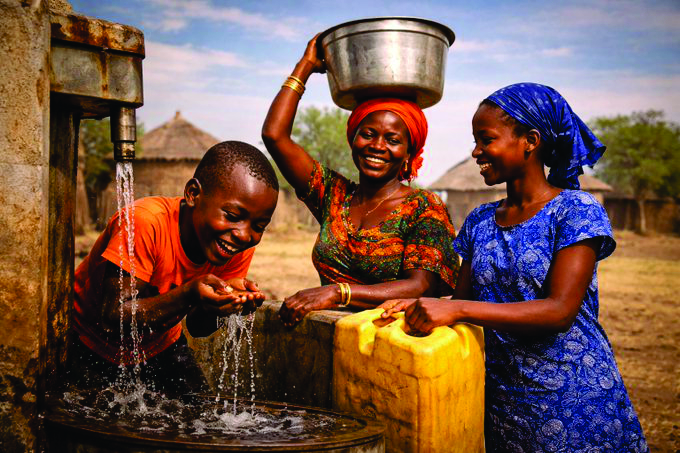
    ABUJA, NIGERIA (NPA) — March 23, 2026 — In the spirit of World Water Day 2026, the Economic Community of West African States (ECOWAS), through its Water Resources Management Centre (WRMC), has urged stronger mobilisation for equitable and inclusive water management across the region.

    World Water Day, established by the UN in 1993, highlights water’s vital role in life, health, dignity, and sustainable development. Yet, over two billion people worldwide still lack safe drinking water.

    This year’s theme, “Water for Equality,” stresses the urgent need to tackle disparities in access to water and sanitation. In West Africa, these gaps disproportionately affect women, youth, and vulnerable groups, who manage water daily but remain underrepresented in decision-making.

    Progress has been made through regional and national policies integrating gender, youth, and social inclusion, alongside programs improving access to safe water for vulnerable communities.

    Still, climate change, population growth, and rising pressure on resources demand a transformation of current approaches. ECOWAS calls for more inclusive, participatory, and sustainable water governance.

    The Commission urges Member States, basin organisations, local authorities, civil society, the private sector, women, and youth to commit to equitable water management.

    In a statement on Monday, ECOWAS said making water a driver of justice, development, and peace is now a strategic priority for West Africa. This momentum will shape the first West Africa Regional Water Forum (FREAO), set for September 2026 in Abidjan, Côte d’Ivoire, under the theme: “Valuing Water to Transform West Africa.”

  • Jehovah’s Witnesses to use their own stored blood in medical care — Governing Body clarifies

    Jehovah’s Witnesses to use their own stored blood in medical care — Governing Body clarifies

    INTERNATIONAL (NPA) — March 21, 2026 — On Thursday, April 2, 2026, after sundown, Jehovah’s Witnesses worldwide will gather to commemorate the Memorial of Jesus’ death. This announcement was part of the Governing Body Update #2, 2026, released in a 16-minute video on jw.org. viewed by Newpost Africa on Friday.

    In the update, a member of the Governing Body of Jehovah’s Witnesses, Brother Gerrit Lösch, provided an important clarification regarding the use of a patient’s own blood in medical procedures.

    He explained that Christians obey God by following His command to abstain from blood. While Jehovah’s Witnesses are not under the Mosaic Law, the biblical directive to avoid blood remains binding. However, Lösch noted that the Bible does not specifically address the use of one’s own blood in medical or surgical care.

    As a result, each Witness must personally decide how their own blood may be handled in medical therapy or surgery. This includes routine procedures such as blood tests, as well as more complex treatments involving the temporary removal and reinfusion of blood, such as dialysis or the use of heart-lung machines.

    Brother Lösch stated:  “After much prayer and consideration of the Scriptures, the Governing Body has decided to clarify our position on the use of a patient’s own blood in medical and surgical care. Each patient must decide for himself how his own blood will be used. This includes whether to allow his blood to be removed, stored, and then given back to him.”

    He emphasised that while some Witnesses may choose to permit storage and reinfusion of their own blood, others may object. The decision is a matter of personal conscience.

    Importantly, this clarification does not alter the Witnesses’ long-standing refusal to accept transfusions of donor blood. Instead, it provides members with the freedom to decide whether to use their own stored blood for medical procedures.

  • WHO donates Sh10 million health kits to Kenya

    WHO donates Sh10 million health kits to Kenya

    AFRICA (Agency Report/Michael Omondi) — March 21, 2026 —The Ministry of Health has received emergency health kits from the World Health Organization (WHO) valued at approximately Sh 10 million to support Kenya’s response to the ongoing March–April–May (MAM) long rains and flooding, affecting several parts of the country.

    The donation was received on behalf of the Cabinet Secretary (CS) for Health, Aden Duale, by Secretary Administration Mr Adan Halakhe from the Ministry and WHO Acting Representative to Kenya Dr Neema Rusibamayila Kimambo during a handover ceremony held at Afya House, Nairobi.

    Secretary, Administration in the Ministry of Health, Mr Adan Halakhe, delivers the remarks of the Cabinet Secretary for Health, Aden Duale, when he received the emergency health kits from the World Health Organisation to support Kenya’s response to the ongoing March–April–May (MAM) long rains and flooding affecting several parts of the country at Afya House, Nairobi, on 18th March, 2026. Looking on is the World Health Organization (WHO) Acting Representative to Kenya, Dr Neema Rusibamayila Kimambo.

    In his remarks, CS Duale expressed appreciation to WHO for the timely support, noting that the contribution will strengthen Kenya’s capacity to respond to public health risks associated with flooding.

    The CS reported that the emergency kits, which contain essential medicines, medical supplies and life-saving equipment, will support frontline health workers in providing critical care, managing disease outbreaks and maintaining essential health services in affected areas.

    Further, he noted that the ongoing long rains have led to flooding in several counties, resulting in displacement of families, disruption of services and increased risk of disease outbreaks.

    Equally, the CS reaffirmed the Government’s commitment to protecting the health and wellbeing of Kenyans, noting that the Ministry, working closely with county governments and partners, has activated emergency preparedness and response mechanisms to ensure communities at risk receive timely health services.

    “These efforts include strengthening disease surveillance, supporting rapid response teams, ensuring the availability of essential medicines and enhancing public awareness on preventive measures during the rainy season,” Duale highlighted.

    He urged members of the public to remain vigilant by maintaining proper hygiene, using safe water, sleeping under treated mosquito nets and seeking early medical care when experiencing symptoms of illness.

    Speaking during the handover, WHO Kenya Acting Representative, Dr Neema Rusibamayila Kimambo, expressed condolences to families affected by the floods and reaffirmed WHO’s commitment to supporting Kenya’s response efforts.

    She observed that flooding across several counties has disrupted access to safe water, sanitation and essential health services, increasing the risk of diseases such as cholera and malaria.

    Meanwhile, the emergency supplies handed over include cholera case management kits, rapid diagnostic and investigation kits, water treatment supplies and trauma kits expected to support health services for approximately 5,000 people in the most affected areas.

    The event was attended by Director of Public Health, Dr Stephen Muleshe; WHO officials; and senior Ministry of Health officials.

  • UN decries slow progress in reducing child mortality as 5m die annually

    UN decries slow progress in reducing child mortality as 5m die annually

    INTERNATIONAL (Agency Report) — March 21, 2026 — The United Nations has decried the slow progress in reducing child mortality as 4.9 million children still die annually before their fifth birthday.

    Some UN agencies under the aegis of the UN Inter-agency Group for Child Mortality Estimation (UN IGME) stated this in a statement issued on Wednesday, according to a new report.

    The new UN report on child mortality fully assesses leading causes of under five deaths for first time.

    It states that an estimated 4.9 million children died before their fifth birthday in 2024, including 2.3 million newborns, according to new estimates released on Wednesday.

    The report also notes that most of these deaths are preventable with proven, low-cost interventions and access to quality healthcare.

    According to the report, titled: “Level and Trends in Child Mortality,”  under-five deaths globally have fallen by more than half since 2000.

    However, it says since 2015, the pace of reduction in child mortality has slowed by more than 60 per cent.

    “This year’s report provides the clearest and most detailed picture yet of how many children, adolescents, and youth are dying, where they are dying, and – for the first time – fully integrates estimates on the causes of death.

    “For the first time, the report estimates deaths directly caused by Severe Acute Malnutrition (SAM), finding that more than 100,000 children aged 1-59 months – or 5 per cent – died from it in 2024.

    “The toll is far greater when indirect effects are considered, as malnutrition weakens children’s immunity and increases their risk of dying from common childhood diseases,” the report says.

    The statement quoted UNICEF Executive Director, Catherine Russell as saying: “No child should die from diseases that we know how to prevent.

    “However, we see worrying signs that progress in child survival is slowing – and at a time where we’re seeing further global budget cuts.

    “History has shown what is possible when the world commits to protecting its children. With sustained investment and political will, we can continue to build on those achievements for future generations.”

    Commenting on the report, WHO Director-General, Tedros Ghebreyesus, said: “The world has made remarkable progress in saving children’s lives, but many still die from preventable causes.

    “Children living amid conflict and crisis are nearly three times more likely to die before their fifth birthday.

    “We must protect essential health and nutrition services and reach the most vulnerable families so every child has the chance not only to survive, but to thrive.”

    Also reacting to the report, World Bank Group Director, Health, Monique Vledder, said: “These findings are a collective call to speed up implementation of the proven, scalable solutions we know are within reach.

    “The World Bank Group health target of reaching 1.5 billion people is our concrete commitment to accelerating access to quality primary health services for more children and families.”

    The report further stated that mortality data also frequently fail to capture SAM as an underlying cause of death, suggesting the burden is likely substantially underestimated.

    Some of the countries with the highest numbers of direct deaths include Pakistan, Somalia, and Sudan.

    “Newborn deaths account for nearly half of all under-five deaths, reflecting slower progress in preventing deaths around the time of birth.

    “Leading causes among newborns were complications from preterm birth (36 per cent) and complications during labour and delivery (21 per cent).

    “Infections, including neonatal sepsis and congenital anomalies, were also important causes,” the report further says.

    Beyond the first month, the report states that infectious diseases such as malaria, diarrhoea, and pneumonia are major killers.

    It notes that malaria remains the single largest killer in this age group (17 per cent) – with most deaths occurring in endemic areas of sub-Saharan Africa.

    After steep declines between 2000 and 2015, progress towards reducing malaria mortality slowed in recent years.

    It further reveals that deaths remain concentrated in a handful of endemic countries – such as Chad, Democratic Republic of the Congo, Niger, and Nigeria.Nigerian government news

    The report explains that these are where conflict, climate shocks, invasive mosquitos, drug resistance, and other biological threats continue to affect access to prevention and treatment.

    “Child deaths remain heavily concentrated in a small number of regions. In 2024, sub-Saharan Africa accounted for 58 per cent of all under-five deaths.

    “In the region, the leading infectious diseases were responsible for 54 per cent of all under-five deaths.

    “In Europe and North America this proportion drops to 9 per cent and in Australia and New Zealand, it drops further to 6 per cent. These stark disparities reflect unequal access to proven, life-saving interventions,” it says.

    According to the report, fragile and conflict-affected countries continue to bear a disproportionate share of the burden.

    Children born in these settings are nearly three times more likely to die before their fifth birthday than those elsewhere.

    The report also finds that an estimated 2.1 million children, adolescents and youth aged 5–24 died in 2024.

    Infectious diseases and injuries remain leading causes among younger children, while risks shift in adolescence, with self-harm being the leading cause of death among girls aged 15–19, and road traffic injuries among boys. (NAN).

  • NAFDAC warns of counterfeit cancer drug PHESGO 600mg in Nigeria

    NAFDAC warns of counterfeit cancer drug PHESGO 600mg in Nigeria

    LAGOS, NIGERIA (NPA) — March 17, 2026 — The National Agency for Food and Drug Administration and Control (NAFDAC) has issued a public alert on confirmed counterfeit PHESGO 600mg with batch numbers B2346B16 and C3809C5.

    In Public Alert No. 014/2026, the agency noted that Roche, the Marketing Authorisation Holder of the cancer drug, received complaints from Lagos University Teaching Hospital (LUTH-NSIA) of suspected counterfeit Phesgo® 600mg. Batch C3809C5 was found to contain approximately 20mL instead of the expected 10mL. Both products were brought in by patients for administration.

    NAFDAC stated: “Only pictures of the complaint samples were sent to Roche. Although a complete investigation was not possible, the pictures were scrutinised and compared to genuine retained samples.”

    The investigation revealed major discrepancies confirming falsification, including:

    • Non-existent batch number in Roche’s database
    • Incorrect text and variable data
    • GTIN mismatch
    • Missing tamper-evidence label
    • Significant packaging differences

    Batch B2346B16 has been reported in four confirmed counterfeit complaints across Turkey, Nigeria, and the Philippines, all featuring the same fake batch number and false information.

    Phesgo 600mg, used to treat breast cancer, works by killing cancer cells and preventing further growth. Genuine Phesgo 600mg/600mg is manufactured by F. Hoffman La Roche Limited, Wurmisweg, CH-4303, Kaiseraugst, Switzerland.

  • WHO Nigeria lists contraceptive options for the sexually active amid low use

    WHO Nigeria lists contraceptive options for the sexually active amid low use

    ABUJA, NIGERIA — (NPA) March 16, 2026 — The World Health Organisation (WHO) Nigeria has outlined several contraceptive methods available to prevent pregnancy for both men and women.  

    In a statement posted on X, the global health body categorised contraceptives into hormonal methods, non-hormonal options such as condoms and copper IUDs, permanent surgical procedures like vasectomies or female sterilisation, and emergency contraception after intercourse. 

    WHO noted that effectiveness varies, and not all methods suit everyone, urging individuals to consult health workers for guidance.  

    Despite widespread awareness, contraceptive use in Nigeria remains low. Academic Journals report that only 12–18% of women of reproductive age use modern contraceptives, contributing to high rates of unintended pregnancies, unsafe abortions, and sexually transmitted infections. Fertility and maternal mortality rates remain among the highest globally. 

    However, challenges persist. Cultural and religious resistance, spousal opposition, myths about side effects, limited access in rural areas, and inadequate youth-friendly services all hinder uptake. These barriers continue to drive high fertility rates and poor reproductive health outcomes, underscoring the urgent need for stronger education, policy support, and community engagement.

  • NEMA warns Nigerians on fire risks amid heatwave, encourages residents to monitor weather forecasts

    NEMA warns Nigerians on fire risks amid heatwave, encourages residents to monitor weather forecasts

    ABUJA, NIGERIA — (NPA) MARCH 14 — The National Emergency Management Agency (NEMA) has cautioned Nigerians about heightened risks of fire disasters and heat-related health challenges following the recent surge in daily temperatures across parts of the country.

    In a statement signed by Manzo Ezekiel on March 14, quoting Director-General Mrs Zubaida Umar, the agency warned of persistent heat conditions during this period and urged citizens to exercise caution in handling materials and appliances that could easily ignite under extreme heat.

    Umar advised households, businesses, and public institutions to ensure the safe use of electrical appliances, gas cylinders, and other combustible items, stressing that excessive heat increases their vulnerability to ignition. She further emphasised proper storage of flammable substances, avoidance of bush burning, and maintenance of electrical connections to reduce fire risks.

    Beyond fire safety, NEMA urged citizens to guard against heat-related health issues by staying hydrated, limiting direct sun exposure, and paying special attention to vulnerable groups such as children, the elderly, and those with underlying health conditions. The agency also encouraged residents to monitor weather forecasts and safety advisories from NiMet and other emergency bodies, and to promptly report any fire outbreak or emergency.

    Mrs Umar reaffirmed NEMA’s commitment to continuous public awareness and proactive disaster risk reduction, in line with the Federal Government’s efforts to safeguard lives, property, and the environment.

  • 3.1 million Kenyans living with chronic kidney disease, says Health Ministry

    3.1 million Kenyans living with chronic kidney disease, says Health Ministry

    NAIROBI, KENYA (Agency Report/By Michael Omondi) — March 13, 2026 — Approximately 3.1 million Kenyans are living with Chronic Kidney Disease (CKD), a growing public health concern driven by rising cases of hypertension and diabetes, the Ministry of Health has said.

    Speaking during World Kidney Day at Kenyatta National Hospital, Health Cabinet Secretary Aden Duale noted that non-communicable diseases (NCDs) account for 43 percent of all deaths in Kenya, underscoring the need for prevention, early diagnosis, and management. He said the government is prioritising routine screening for blood pressure and glucose at community and primary healthcare levels.

    Access to specialised kidney care is expanding under the Social Health Authority (SHA), which has processed over Sh104 billion in claims, supporting dialysis, nephrectomy, and transplants. Duale added: “The Ministry is strengthening partnerships with accredited providers to widen access to transplant services, with patients now able to receive kidney transplantation at Aga Khan University Hospital Nairobi under SHA-approved packages.”

    To improve governance and oversight, the Ministry has set up an independent review committee and is developing a National Transplant Registry. Investments are also being made in training and infrastructure through the East Africa Centre of Excellence in Urology and Nephrology, alongside new renal units across counties.

    The forthcoming Kenya National Guidelines for Kidney Diseases 2026 will standardise care nationwide, supported by integrated health data systems under the Digital Superhighway initiative. Duale urged Kenyans to adopt healthy lifestyles, including regular check-ups, physical activity, hydration, and reduced salt intake.

    Present at the event were Director-General for Health Dr. Patrick Amoth and Kenyatta National Hospital CEO Dr. Richard Lesiyampe. (Kenya News Agency).