Category: Health

  • International Women’s Day: women hold just 64% of legal rights afforded to men worldwide — UN Women

    International Women’s Day: women hold just 64% of legal rights afforded to men worldwide — UN Women

    POLITICS (NPA) — March 8, 2026 — As the world commemorates International Women’s Day 2026, UN Women has raised alarm over the persistent global gap in legal rights between men and women.

    In a statement on Saturday, the agency revealed that women currently hold only 64% of the legal rights afforded to men worldwide. This means that, on average, women are entitled to just two-thirds of the protections and opportunities guaranteed to men under the law.

    UN Women, the United Nations entity dedicated to gender equality and women’s empowerment, urged global leaders to confront structural barriers to justice, including discriminatory laws, weak legal protections, harmful practices, and entrenched social norms that undermine the rights of women and girls.

    The agency further noted that conflict and instability exacerbate these inequalities, leaving women and girls more vulnerable to violence, exclusion, and discrimination. Reports of violations have emerged from Nigeria’s northeast, northwest, and north-central regions, where insurgent groups such as Boko Haram and ISWAP, alongside banditry, have displaced communities and subjected women to abuse. The ongoing war in Sudan was also highlighted as a flashpoint for widespread violations of women’s rights in Africa.

    In Nigeria, UN Women continues to push for gender equality by addressing violence against women, promoting women’s political participation, and supporting economic empowerment initiatives. However, progress remains slow, with women holding only 3.9% of parliamentary seats. The agency has warned that democracy itself is at risk if women remain excluded from decision-making processes.

    Nigeria also faces high rates of gender-based violence, with one in three women aged 15–49 experiencing physical or sexual abuse. Harmful practices such as female genital mutilation (FGM) persist, further eroding women’s rights.

    Beyond advocacy, UN Women’s programs in Nigeria include initiatives on economic empowerment, health, and social issues, with a particular focus on combating HIV/AIDS and supporting women’s access to education and vocational training.

  • NAFDAC warns of fake, unapproved HIV test kits in Nigeria

    NAFDAC warns of fake, unapproved HIV test kits in Nigeria

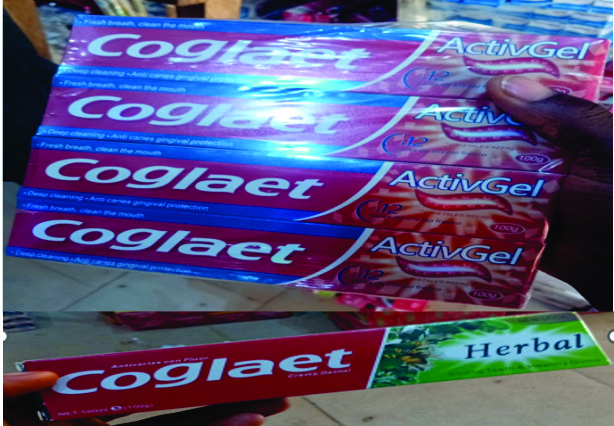
    Abuja, Nigeria (NPA) — March 6, 2026 — The National Agency for Food and Drug Administration and Control (NAFDAC) has issued a public alert regarding counterfeit and unapproved versions of the VISITECT HIV Advanced Disease Test Kits circulating in Nigeria.

    In Public Alert No. 011/2026, the agency cautioned healthcare providers, patients, and the general public about reports of falsified and parallel-imported, unregistered versions of the kits being sold through unauthorized channels.

    According to NAFDAC, the Marketing Authorisation Holder (MAH), EURO SPECS International Nigeria Limited, confirmed the existence of these counterfeit products.

    The VISITECT CD4 Advanced Disease assay is a rapid, instrument-free lateral flow test designed to identify patients with severe HIV (CD4 count < 200 cells/µL) within 40 minutes using blood samples. It is considered a vital diagnostic tool in resource-limited settings, enabling timely triage for patients requiring advanced care.

    NAFDAC noted a key discrepancy in the counterfeit kits: the fake product labels display a three-year shelf life (2024-08 to 2027-01), whereas the agency has only approved an 18-month shelf life for the genuine product.

    Healthcare professionals are urged to:

    • Review stocks in hospitals, clinics, and pharmacies.
    • Report suspected falsified or compromised products to the nearest NAFDAC office.
    • Call 0800-162-3322 or email sf.alert@nafdac.gov.ng for immediate reporting.
  • NCDC conducts training on biosafety level 3 laboratory operations

    NCDC conducts training on biosafety level 3 laboratory operations

    Abuja, Nigeria (NPA) — March 6, 2026—The Nigeria Centre for Disease Control and Prevention (NCDC) has announced the successful completion of a three-day specialised training programme on Biosafety Level 3 (BSL-3) laboratory operations. The exercise, facilitated by invited Japanese experts, was designed to support the effective operationalisation of the newly established BSL-3 facilities.

    In a statement issued on Friday, the NCDC—Nigeria’s national public health institute responsible for protecting citizens from communicable diseases through surveillance, preparedness, and outbreak response—confirmed that the training took place between February 25 and 27, 2026, in Abuja.

    According to the agency, the programme aimed to strengthen technical capacity and ensure the safe, efficient, and standards-compliant use of the advanced laboratory facilities.

    Participants included staff from the NCDC’s National Reference Laboratory (NRL) and the Central Public Health Laboratory (CPHL), who are expected to play a critical role in enhancing Nigeria’s diagnostic and biosafety capabilities.

  • Early Puberty in girls: A growing concern

    Early Puberty in girls: A growing concern

    Abuja, Nigeria (Agency Report) — March 5, 2026 — Seven-year-old Oluchi Okechukwu had always believed that blood on her body could only mean she had fallen or scraped her knee.

    However, on a quiet day, she noticed a dark red stain spreading across her skirt.

    It frightened her because she felt no pain nor had any memory of being hurt, and she could not understand why the blood seemed to be coming from a part of her body she associated only with using the toilet.

    Her mother, Mrs Amaka Okechukwu, froze when she realised what the blood meant, her voice trembling as she asked, “How can my baby be seeing her period at this age?”

    At first, confusion gave way to tears and fear of the unknown, as she imagined the implications that might follow.

    Nevertheless, she eventually gathered herself, sat beside Oluchi, and explained what menstruation was.

    She demonstrated how to use a pad, reassured her that she was not hurt or sick, and promised to walk the journey with her.

    Medically, such an experience is known as precocious puberty, which refers to the unusually early onset of puberty; that is, the development of secondary sexual characteristics before the age of eight in girls and nine in boys.

    In simple terms, the body begins to mature far earlier than is biologically expected.

    Ordinarily, this is not how puberty begins in Nigeria, where data consistently place the average age of first menstruation between 13 and 14 years, with only a small number beginning before age 10.

    Therefore, a seven-year-old experiencing menstruation falls far outside the expected range and is considered a condition that specialists caution should never be dismissed as merely “early but normal.”

    A public health physician, Dr Busayo Awolola, explains that precocious puberty is triggered by early hormonal signals from the brain.

    “For true precocious puberty, we see a combination of changes such as breast development, growth acceleration, pubic hair, and eventually menstruation; all linked to hormonal activation from the brain,” Awolola explains.

    Furthermore, she notes that parents are often the first to notice unusual changes but may lack the language or knowledge to interpret them properly.

    According to her, menstruation at age seven is definitely considered precocious and requires careful evaluation.

    In particular, early medical assessment helps rule out underlying causes.

    She says this is necessary to ensure the bleeding is not caused by a tumour, ovarian cyst, or thyroid disorder.

    “Check Bone Age: A simple X-ray of the wrist will show if her bones are ageing too fast, and to consider treatment.

    “GnRH analogues (puberty blockers) can be used to pause puberty. This stops the periods and keeps the growth plates open, allowing the child to grow to a normal height and mature emotionally before puberty resumes at a regular age”.

    Globally, research titled “Precocious Puberty: An Overview of Global Trends and Patterns” estimates that the condition occurs in roughly one in every 5,000 to 10,000 children worldwide and is far more common in girls than boys.

    In addition, the study confirms that in the majority of cases, the cause is idiopathic, meaning the brain’s hormonal switch turns on too early for reasons that remain unknown.

    Similarly, local evidence reflects global findings.

    A seven-year retrospective review conducted at the University of Calabar Teaching Hospital examined children who presented with early-onset puberty between 2015 and 2021.

    The study confirmed that precocious puberty, though uncommon, does occur among Nigerian children.

    Moreover, it highlighted the need for clinicians and parents to distinguish true precocious puberty from benign conditions such as premature adrenarche.

    Premature adrenarche refers to early breast development without other signs of puberty and often resolves naturally.

    On the other hand, it may involve the early appearance of pubic hair, mild acne, or adult-like body odour while the ovaries remain inactive.

    Although both conditions may cause anxiety, specialists emphasise that they do not represent true puberty and generally do not require the same level of medical intervention.

    Meanwhile, sexual and reproductive health expert Ms Oyinkan Gbolagunte observes that many families are unprepared when confronted with early puberty.

    She stresses that some parents assume it is harmless or hereditary.

    However, they may not realise that early hormonal activation can affect a child’s final adult height, emotional development, and social experiences.

    According to her, early puberty can be influenced by multiple biological, environmental, and lifestyle factors, including genetics, body weight and nutrition, and environmental exposure to hormone-disrupting chemicals found in some plastics and pesticides.

    Additionally, chronic medical conditions or brain abnormalities may also be responsible.

    Beyond the physical implications, psychologists warn of the emotional toll.

    For psychologist Dr Kareemah Madawaki, a seven-year-old experiencing menstruation is likely to feel frightened and overwhelmed, especially without prior knowledge of bodily changes.

    “Children at that age often interpret bleeding as injury. They rely on adults to tell them they are safe,” she says.

    Madawaki urged parents to use simple explanations, such as ‘Your body is growing a little faster than others’, and to teach menstrual care gently.

    Equally important, she notes that children closely observe parental reactions.

    “When a parent panics, the child learns to panic too. Calm reassurance is crucial”.

    She emphasises that understanding, patience, and openness help children cope with changes that arrive earlier than expected.

    Furthermore, Madawaki encourages schools to establish support systems for young girls who may experience menstruation during school hours.

    These, she says, should include private and clean washrooms, access to water and sanitary products, and teachers trained to offer quiet, respectful assistance.

    “A school environment free of shame gives a child confidence and tells her she is normal and supported”.

    On stigma, she warns that silence can deepen vulnerability and isolation.

    “When adults treat menstruation as taboo, children absorb the message that normal biological processes are shameful,” adding that breaking the silence is protective because it normalises, educates, and empowers children as they grow.

    Ultimately, medical professionals agree that early menstruation should never be ignored, as evaluation by a paediatric endocrinologist can determine whether treatment is necessary.

    With timely care, including puberty-suppressing medication when appropriate, children can continue to develop emotionally and physically at a pace more aligned with their chronological age.

    Nevertheless, with awareness, prompt medical attention, and compassionate support, experts say no child has to face the confusion of early puberty alone.

  • NOA, NAFDAC, and FCCPC Launch Joint Enforcement of Sachet Alcohol Ban

    NOA, NAFDAC, and FCCPC Launch Joint Enforcement of Sachet Alcohol Ban

    ABUJA, NIGERIA (NPA), March 3, 2026 — Nigeria’s National Orientation Agency (NOA), in partnership with the National Agency for Food and Drug Administration and Control (NAFDAC) and the Federal Competition and Consumer Protection Commission (FCCPC), has launched a nationwide campaign to enforce the Federal Government’s ban on sachet alcoholic drinks and alcohol packaged in PET or glass bottles below 200 millilitres.

    The campaign was officially flagged of today at NOA Headquarters in Abuja, with NOA leading public sensitisation and behavioural change efforts.

    NOA Director-General Lanre Issa-Onilu described the initiative as a decisive intervention to protect the health and future of Nigerians, particularly young people vulnerable to cheap, high-concentration alcohol. He stressed that the enforcement followed eight years of stakeholder engagement, noting: “What is harmful to national wellbeing cannot be allowed to continue indefinitely.”

    Issa-Onilu also underscored the role of the media, calling the campaign a matter of Development Journalism and a shared national duty. He argued that resistance to the ban should not be seen as protests against the government but against the collective well-being of Nigerians: “They are not demonstrating against the Government of Nigeria; they are demonstrating against the Nigerian people, against you in the media, against our children. This is about public protection.”

    NAFDAC Director-General Mojisola Christianah Adeyeye highlighted findings from a 2021 national survey showing that over 54 per cent of minors purchased alcohol themselves, with nearly half accessing it through sachets and small PET bottles. The study revealed significant levels of daily and weekly consumption among underage persons, underscoring the urgency of regulatory action.

    The FCCPC reaffirmed its commitment to strict compliance, stressing that consumer protection is central to national interest.

    As the lead agency for sensitisation, NOA will deploy its 818 offices across Nigeria’s 774 Local Government Areas to drive grassroots awareness. Community Orientation and Mobilisation Officers will engage youth groups, market associations, transport unions, schools, faith-based institutions, and community leaders through town halls, market outreaches, and multilingual advocacy. The campaign will also leverage media platforms, digital channels, and the NOA CLHEEAN App to enable citizens to report violations.

    NOA called on parents, guardians, retailers, distributors, and community leaders to support the ban and prioritise the well-being of Nigeria’s youth. “Through awareness, compliance, and collective vigilance, we remain committed to building a healthier, safer, and more responsible nation,” the agency stated.

  • Nwifuru Urges Federal Government to Establish Additional Medical Facility in Ebonyi State

    Nwifuru Urges Federal Government to Establish Additional Medical Facility in Ebonyi State

    ABAKALIKI, NIGERIA (NPA): Ebonyi State Governor, Rt. Hon. Francis Ogbonna Nwifuru, has called on the Federal Government to establish an additional federal medical centre in the state.

    Speaking on February 26, 2026, at the new Government House in Abakaliki during a working visit by the Permanent Secretary of the Federal Ministry of Health and Social Welfare, Daju Kachollom S. (mni), and her team, Nwifuru emphasized that the existing Alex Ekwueme Federal University Teaching Hospital Abakaliki is overstretched, as it serves not only Ebonyi but the wider South East region. He stressed the need for another facility to meet the growing healthcare demands of the population.

    According to a statement from the governor, the visit also featured the flag-off of cancer screening for 1,000 participants under the National Cancer Society’s South East Zonal Programme, as well as the foundation-laying ceremony for a new Oncology Centre. Nwifuru described these initiatives as “critical steps in strengthening access to specialized healthcare services for our people.”

    He further urged the Federal Government to consider upgrades and expansion of the Alex Ekwueme Teaching Hospital to enhance its capacity and efficiency.

    Governor Nwifuru’s administration is guided by the Ebonyi State People’s Charter of Needs, a governance framework that prioritizes citizen input over political patronage. The Charter focuses on social welfare and poverty reduction, infrastructure development, education and healthcare improvements, and transparency in justice sector reforms. Framed as a “Divine Mandate Consolidation and Continuity” strategy, it seeks to build on past governance while setting new standards for inclusive development, positioning Ebonyi State as a model for participatory governance in Nigeria.

  • United States and Congo Announce $1.2 Billion Health Partnership

    United States and Congo Announce $1.2 Billion Health Partnership

    KINSHASA, CONGO (NPA) — The governments of the United States and the Democratic Republic of Congo have signed a new $1.2 billion agreement aimed at strengthening health systems and tackling major diseases.

    Under the partnership, Washington will provide up to $900 million over the next five years to support programs addressing HIV/AIDS, tuberculosis, malaria, maternal and child health, and other infectious diseases. Congo has pledged to increase its domestic health spending by $300 million during the same period.

    The deal is part of a broader U.S. initiative to establish bilateral health agreements across Africa. According to the State Department, 19 such partnerships have been signed to date. Officials say the new framework is designed to promote self-sufficiency and streamline funding, replacing older arrangements previously managed by the U.S. Agency for International Development.

    The announcement comes amid wider debate over U.S. global health policy. The Africa Centers for Disease Control and Prevention has raised concerns about provisions in some agreements that require countries to share sensitive pathogen data with Washington as a condition for funding. On Wednesday, negotiations with Zimbabwe collapsed after its government rejected such requirements.

    It remains unclear whether similar data-sharing clauses are included in the Congo agreement.

  • NAFDAC Issues Public Alert on Aptamil Infant Milk Over Contamination Risk

    NAFDAC Issues Public Alert on Aptamil Infant Milk Over Contamination Risk

    LAGOS, NIGERIA (NPA) — The National Agency for Food and Drug Administration and Control (NAFDAC) has warned consumers about potential health risks associated with certain batches of Aptamil, Cow & Gate First Infant Milk, and Follow-on Milk Formula produced by Danone Nutricia. The agency cited possible contamination with cereulide toxin, a heat-stable peptide produced by Bacillus cereus that can cause severe food poisoning.

    In a Public Alert (No. 08/2026) issued on February 25, NAFDAC confirmed that Danone Nutricia has recalled several batches of the affected products manufactured in Ireland and Hungary, which were distributed across the European Union, the United Kingdom, and other countries.

    The agency stressed that the recall does not affect Aptamil Infant Formula manufactured specifically for Nigeria, which complies with Codex standards and remains safe for consumption.

    NAFDAC clarified that not all Danone Nutricia products registered in Nigeria are impacted, but urged consumers to verify product details below and registration numbers to avoid purchasing unapproved, harmful items.

    The regulator added that Danone Nutricia had proactively blocked the affected consignments at its Nigerian warehouses as a precautionary measure. However, it remains unclear whether any of the recalled products have already reached retail outlets in the country.

    Cereulide toxin, linked to emetic food poisoning, is resistant to heat and cooking processes. Outbreaks are often associated with improperly stored starchy foods, but contamination in infant formula raises heightened public health concerns.

  • Crisis Response: EU-project Delivers New Veterinary Clinic to Katsina Government

    Crisis Response: EU-project Delivers New Veterinary Clinic to Katsina Government

    KATSINA, NIGERIA (Agency Report): Mercy Corps, a Non – Governmental Organisation, on Wednesday, handed over a newly constructed Veterinary Clinic and a rehabilitated structure in Danmusa Local Government Area (LGA), to the Katsina State Government.

    The project, which included a 20,000-litre capacity upgraded solar-powered borehole, was executed under the European Union-funded Conflict Prevention, Crisis Response and Resilience (CPCRR) project.

    The initiative is being implemented in collaboration with the International Organisation for Migration (IOM), and the Centre for Democracy and Development (CDD).

    Speaking during the event, the Commissioner for Livestock and Animal Husbandry in Kastina State, Prof Ahmed Bakori, commended Mercy Corps and its partners on such commitment to support  peace and development in the state.

    While praising the state government for restoring peace and stability, the said project would improve livestock services and the welfare of farmers who depend on animal health services for  livelihood.

    Bakori buttressed that improved security in the state had enabled development partners to implement meaningful interventions in communities affected earlier.

    He said, “Recently, Gov. Dikko Radda was in South Africa to explore strategies for boosting livestock production and strengthening the livestock value chain in line with the government’s economic development agenda.”

    In his remarks, Mercy Corps Senior Programme Manager, Mr Philip Ikita, expressed satisfaction with the timely and successful implementation of the project in Danmusa.

    He stated that although Mercy Corps began its operations in the state in 2023, security challenges had initially prevented the organisation from accessing some areas, including Danmusa.

    Ikita said that the project would improve access to essential services, strengthen livelihoods, and contribute to sustaining peace in the community.

    “The project involves the upgrade of a veterinary clinic from a two-room structure into a fully functional six-office facility, embarked on to strengthen livestock healthcare services in the area.

    “The programme builds on the success of the Conflict Mitigation and Community Reconciliation (CMCR) project and seeks to promote long-term peace and stability in Northwest Nigeria.

    “It works across 48 communities in Zamfara and Katsina States, addressing the root causes of conflict, enhancing community resilience, and strengthening socio-economic recovery,” he said.

    Also, the District Head of Danmusa, Ahmadu Abubakar, expressed appreciation to Mercy Corps and its partners for the intervention, describing the projects as timely and beneficial.

    Earlier, the Chairman of Danmusa LGA, Ibrahim Na-Mama, represented by his Deputy, Musa Muhammad, expressed appreciation for the projects, assuring that the council would support efforts to safeguard them. (NAN).

  • NAPTIP Responds to Allegations of Child Sexual Abuse in Nigerian Daycare Centres

    NAPTIP Responds to Allegations of Child Sexual Abuse in Nigerian Daycare Centres

    LAGOS, NIGERIA (NPA): The National Agency for the Prohibition of Trafficking in Persons (NAPTIP) has issued a public statement reaffirming its statutory responsibility to investigate cases of sexual abuse and human trafficking.

    The announcement follows widespread online debate in Nigeria over allegations of child sexual abuse in daycare facilities, including accusations, counter-accusations, and subsequent recantations.

    In its statement released Tuesday, NAPTIP said: “We are closely monitoring recent public discussions and concerns regarding alleged incidents of child sexual abuse and misconduct in daycare settings across Nigeria. The Agency remains committed to thoroughly investigating credible reports.”

    The agency urged members of the public to provide verifiable information, stating: “We kindly request anyone with factual evidence, direct knowledge, or personal experience related to these matters to contact us confidentially via direct message or email at info@naptip.gov.ng.”

    Earlier, Newpost Africa reported that Nigerian police had arrested a TikTok user, Mirabel, after she raised allegations of rape, which she later recanted and publicly apologised for, admitting the claims were false. READ HERE