Category: Africa

  • Kenya suspends nationwide transport strike after deadly fuel price protests

    Kenya suspends nationwide transport strike after deadly fuel price protests

    NAIROBI, Kenya (NPA) — A nationwide public transport strike in Kenya over rising fuel prices linked to the Iran war has been suspended after the government reached an interim agreement with associations representing bus and minibus operators.

    The strike, which triggered widespread protests across the country, was called off on Tuesday following talks between government officials and transport stakeholders.

    Speaking at a joint press conference, Kipchumba Murkomen said the strike had been suspended for one week to allow further negotiations between the government and transport operators.

    The protests turned deadly on Monday, with authorities confirming that at least four people were killed while about 30 others sustained injuries during demonstrations linked to the strike and the worsening cost-of-living crisis.

    Negotiations held on the first day of the strike reportedly failed to produce an agreement, despite the government offering to reduce diesel prices by about 10 Kenyan shillings per litre.

    However, transport operators rejected the proposal, insisting on a deeper reduction of 46 shillings per litre, arguing that diesel remains the primary fuel used by public transport operators.

    Opiyo Wandayi disclosed that the government’s proposed reduction would result in a revenue loss of approximately 2.7 billion Kenyan shillings, equivalent to about $20.79 million.

    The fuel crisis and transport shutdown sparked nationwide unrest, with protesters expressing anger over rising living costs and worsening economic conditions.

    Earlier, Newpost Africa reported that the Kenyan Ministry of Interior and National Administration condemned the violence, looting and destruction that erupted during the demonstrations, describing the unrest as politically motivated and infiltrated by criminal elements.

    In a statement, the ministry acknowledged public frustration over soaring fuel prices but warned that attacks on public infrastructure, road blockades and destruction of property would only deepen the crisis.

    Authorities accused criminal groups of targeting government projects and pro-government figures during the protests.

    The government cited the looting of Khetia supermarkets, the burning of a UDA office in Wote, Makueni County, and the torching of trucks at the Rironi-Mau Summit project site as coordinated acts aimed at spreading fear and destabilising the country.

    Officials reaffirmed the government’s commitment to protecting lives and property, warning that those responsible for the violence and destruction would face the full weight of the law.

    The government also maintained that no individual or group would be allowed to exploit public grievances for political gain.

  • WHO raises alarm as Ebola outbreak spreads in eastern DRC without vaccine

    WHO raises alarm as Ebola outbreak spreads in eastern DRC without vaccine

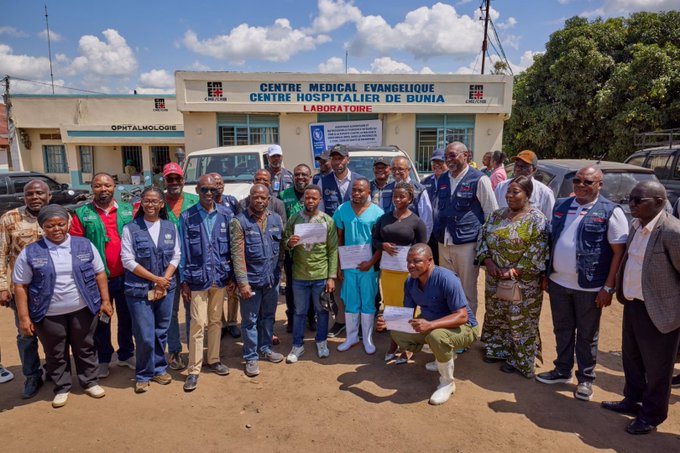
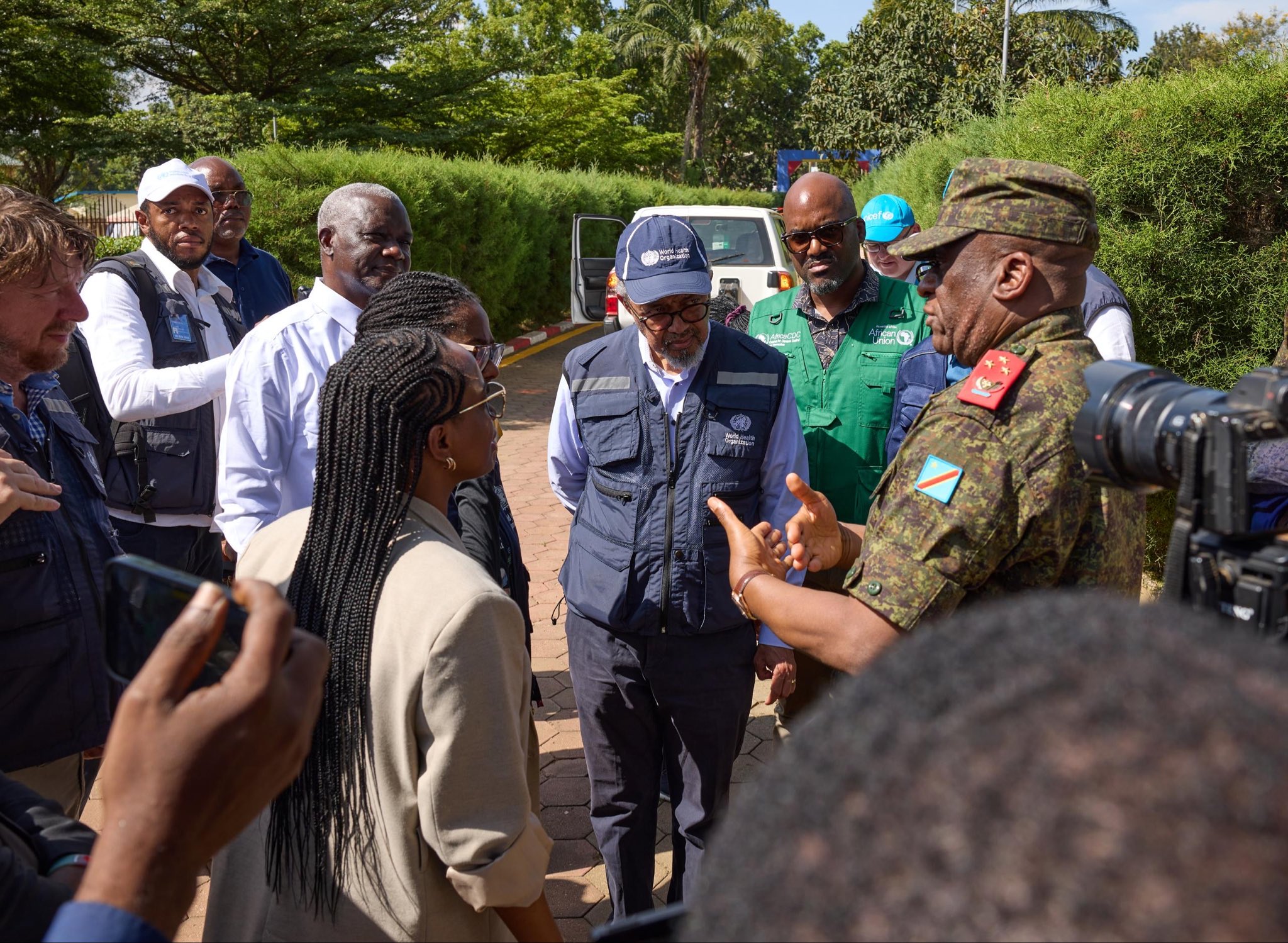
    BUKAVU, DRC (NPA) — The World Health Organisation (WHO) has expressed grave concern over the rapid spread of Ebola in the Democratic Republic of Congo (DRC), warning that no vaccine is currently available to tackle the outbreak. Hundreds of suspected cases are being reported daily, with health workers racing to contain transmission.

    Authorities confirmed on Tuesday that 26 suspected deaths occurred within 24 hours, bringing fatalities to 131. Official figures show 516 suspected cases and 33 confirmed infections in DRC, alongside two confirmed cases in Uganda.

    WHO’s representative in DRC, Dr Anne Ancia, said more than 500 suspected cases have been identified, but only 30 confirmed so far. She explained that the outbreak involves the Bundibugyo strain of Ebola virus, for which no vaccine or therapeutics exist.

    “We have significant uncertainty about the number of infections and how far the virus has spread,” she noted.

    The outbreak, first detected in Bunia, Ituri province, has now reached North Kivu, with confirmed cases in Butembo and Goma. Uganda has also reported imported cases.

    WHO Director‑General Tedros Adhanom Ghebreyesus declared the situation a public health emergency of international concern, citing the “scale and speed” of transmission.

    Detection was initially delayed because local tests returned negative results for the Zaire strain of Ebola. Only later did laboratory analysis in Kinshasa confirm the Bundibugyo virus. Symptoms such as fever, fatigue, diarrhoea, and vomiting complicated early diagnosis, with nosebleeds appearing only after several days of infection.

    WHO’s technical advisory group is reviewing candidate vaccines, including Ervebo, which targets the Zaire strain. Dr Ancia cautioned that it would take at least two months before any vaccine could be deployed. “It is not two months before the outbreak will be done. Remember the previous one, it took two years,” she warned.

    In the meantime, WHO is prioritising community engagement to counter misinformation and promote sanitary practices, particularly around funerals. Dr Ancia stressed that coercive measures could backfire, leading families to hide bodies or patients refusing treatment. Health workers are engaging schools, churches, and community leaders to build trust.

    The outbreak is unfolding in a region destabilised by conflict. The UN Refugee Agency (UNHCR) reports that Ituri and North Kivu host more than two million internally displaced people, with limited healthcare capacity. Vulnerable refugee populations — including 11,000 South Sudanese in Ituri and over 2,000 Rwandan and Burundian refugees in Goma — require urgent preventive assistance.

    WHO has deployed over 40 health professionals and additional diagnostic supplies to support the government‑led response. Officials stress that the combination of insecurity, displacement, and lack of vaccines makes this outbreak one of the most complex public health emergencies in recent years.

  • Kenya government condemns violence, looting in fuel protests; vows crackdown as 4 killed, 30 injured

    Kenya government condemns violence, looting in fuel protests; vows crackdown as 4 killed, 30 injured

    NAIROBI, Kenya (NPA) — The Kenyan Ministry of Interior and National Administration has condemned the chaos, looting, and violence that erupted during nationwide protests against rising fuel prices on Monday, 18 May 2026, describing the unrest as politically motivated and hijacked by rogue actors.

    In a press statement, the ministry acknowledged public frustration over high fuel costs but warned that vandalism, road blockades, and attacks on property would only worsen the situation. It said the government, through the National Treasury and the Ministries of Energy and Transport, is engaging transport stakeholders to find solutions to the price increases.

    Authorities expressed concern that criminal elements had been mobilised to target government projects and pro-government leaders. The statement cited the looting of Khetia supermarkets, the burning of a UDA office in Wote, Makueni County, and the torching of trucks at the Rironi-Mau Summit project site as deliberate acts meant to spread fear and intimidate supporters of the government.

    The ministry also condemned the violent attack on Ms Rachel Wandeto, who died earlier that morning, linking it to a broader scheme by political actors to incite intolerance and ethnic division. It vowed to intensify the fight against organised crime and ensure that lawlessness does not take root.

    The government confirmed that four people were killed and over 30 were injured in the protests, pledging that the full force of the law will be brought against those responsible for the violence and destruction. It reaffirmed its commitment to protecting lives and property, warning that no one will be allowed to exploit public grievances for political gain.

  • ICC to open confirmation of charges hearing in case against Khalid Mohammed Ali Al-Hashri

    ICC to open confirmation of charges hearing in case against Khalid Mohammed Ali Al-Hashri

    THE HAGUE, Netherlands (NPA) — The International Criminal Court (ICC) will begin confirmation of charges hearings in the case of Prosecutor v. Khalid Mohammed Ali Al-Hashri on 19 May 2026 at 10:00 local time in The Hague. The proceedings will be held before Pre-Trial Chamber I, composed of Judge Iulia Antoanella Motoc (Presiding), Judge Reine Adelaide Sophie Alapini-Gansou, and Judge Maria del Socorro Flores Liera.

    Al-Hashri, a former senior official at Mitiga Prison in Libya, is accused of committing war crimes and crimes against humanity between 1 May 2014 and 30 June 2020. The charges include imprisonment, torture, cruel treatment, sexual violence, killings, attempted killings, enslavement, and persecution of detainees. Prosecutors allege he was responsible for 17 counts of crimes committed against thousands of individuals held at Mitiga.

    He was arrested in Germany on 16 July 2025 under an ICC warrant and transferred to ICC custody on 1 December 2025, making his first appearance on 3 December 2025.

    The hearings, scheduled for 19–21 May 2026, will allow the prosecution, defence, and victims’ representatives to present oral arguments. Judges will determine whether sufficient evidence exists to proceed to trial. If charges are confirmed, the case will move to the Trial Chamber.

    The ICC has announced that the hearings will be broadcast online with a 30-minute delay, and attendance will be open to diplomats, civil society, accredited journalists, and the public under strict security protocols.

  • Dr Oduwole calls for trade barriers dismantling as #BiasharaAfrika2026 opens with calls for decisive AfCFTA implementation

    Dr Oduwole calls for trade barriers dismantling as #BiasharaAfrika2026 opens with calls for decisive AfCFTA implementation

    LOMÉ, Togo (NPA) — The African Continental Free Trade Area (AfCFTA) Biashara Afrika 2026 Forum has officially kicked off in Lomé, Togo, bringing together policymakers, investors, entrepreneurs, and development partners to accelerate African trade integration. The three-day event, hosted at the Palais des Congrès from 18–20 May 2026, is jointly convened by the AfCFTA Secretariat and the Government of Togo under the theme “Powering Africa’s Economic Transformation through the AfCFTA.”

    Speaking at the opening, H.E. Wamkele Mene, Secretary-General of the AfCFTA, highlighted significant progress in advancing intra-African trade, noting that the growth already recorded is “clear evidence that the AfCFTA is working.” He reiterated the Secretariat’s continued support for SMEs and the private sector, stressing that “there can be no trade without businesses.” Mene pointed to ongoing efforts to digitalise trade through tools such as digital payment systems, non-tariff barrier reporting mechanisms, and the e-Certificate of Origin, which are helping accelerate Africa’s digital trade transformation.

    Also addressing the forum, Hon. Badanam Patoki, Togo’s Minister of Economy and Strategic Monitoring, and Hon. Dr Jumoke Oduwole, Nigeria’s Minister of Industry, Trade and Investment and Incoming Chair of the AfCFTA Council of Ministers, emphasised the importance of translating the AfCFTA’s promise into tangible opportunities. Dr Oduwole called for coordinated and practical action to dismantle barriers to trade, including restrictions on the movement of people, goods, and services across the continent.

    Over the next three days, Biashara Afrika 2026 will feature high-level plenaries, exhibitions, B2B meetings, and technical workshops covering trade facilitation, agribusiness, manufacturing, digital commerce, and innovative financing. Special emphasis is being placed on SMEs, women entrepreneurs, and youth-led businesses, to strengthen supply chains, promote value addition, and expand inclusive participation in Africa’s economic future.

    The forum, covering a market of 1.4 billion people with a combined GDP of over $3 trillion, is expected to serve as a flagship platform for consolidating AfCFTA gains and driving Africa’s long-term economic transformation.

  • Protests erupt nationwide as transport operators strike over fuel price hike

    Protests erupt nationwide as transport operators strike over fuel price hike

    NAIROBI, Kenya (NPA) — Sporadic protests have broken out across Kenya as transport operators launched a nationwide strike on Monday, 18 May 2026, over soaring fuel prices. The demonstrations left commuters stranded, schools closed, and businesses disrupted in major towns, including Nairobi and Mombasa, with police clashing with protesters in several regions.

    The strike, described as one of the largest coordinated industrial actions in Kenya’s history, was backed by the Matatu Owners Association, Truckers Association, and Digital Taxi Association. Matatu operators, boda boda riders, taxi drivers, and cargo transport companies halted operations, paralysing public movement and forcing schools to suspend classes due to safety concerns and lack of transport. The protests quickly escalated in Nakuru, Narok, and Machakos, where residents blocked highways and engaged in running battles with police. Teargas was fired in Nakuru and Narok to disperse crowds, while businesses in Nairobi’s central district shut down amid fears of violence.

    Protesters demanded the immediate reversal of the fuel price increase, reduction of petrol and diesel costs to about Sh152 per litre, accountability for the alleged importation of substandard fuel, and the dismissal of the Energy Cabinet Secretary.

    The fuel hike is linked to the standoff in the Strait of Hormuz between the United States and Iran, which has disrupted global oil supplies. Yesterday, U.S. President Donald Trump warned Iran in a Truth Social post that “time is running out,” raising fears of renewed military confrontation that could further destabilise energy markets.

    The ripple effect of this geopolitical standoff has been immediate and severe for Kenya. Transport operators, already struggling with high operating costs, have passed the burden onto commuters, sparking widespread anger.

    Kenya’s situation highlights the fragile link between international security and local stability. As tensions escalate in the Gulf, countries across Africa that rely heavily on imported fuel face mounting risks of inflation, social unrest, and political instability. The protests in Nairobi, Mombasa, and other towns are therefore not just about fuel—they are a stark reminder of how global confrontations can ignite local upheaval, forcing governments to balance diplomacy abroad with urgent economic relief at home.

  • Israel receives Somaliland’s first ambassador as nation marks 35 years of independence, renews push for global recognition

    Israel receives Somaliland’s first ambassador as nation marks 35 years of independence, renews push for global recognition

    JERUSALEM, Israel (NPA) — The Government of Somaliland has announced what it described as a historic diplomatic breakthrough following the arrival of Dr Mohamed Hagi, the first Ambassador of the Republic of Somaliland to Israel, and the presentation of his credentials to Israeli President Isaac Herzog in Jerusalem.

    The development comes months after Israel formally recognised Somaliland as an independent state on December 26, 2025, becoming the first United Nations member state to do so — a move that significantly boosted Somaliland’s long-standing push for international recognition and intensified debate over Somalia’s political future.

    In a statement, the Somaliland Government described the occasion as “a historic moment,” noting that for the first time, a representative of the Republic of Somaliland was officially received at the residence of the President of Israel.

    “Somaliland’s ambassador, Dr Mohamed Hagi, is presenting his credentials to Israeli President Isaac Herzog. This is a significant diplomatic milestone and further demonstrates Somaliland’s growing international engagement on the global stage,” the statement read.

    According to the government, the meeting took place in Jerusalem, where Dr Mohamed Hagi formally presented his diplomatic credentials to President Herzog.

    President Herzog also welcomed the Somaliland envoy, describing the event as the beginning of a new strategic relationship between both sides.

    “I was delighted to receive the first-ever Ambassador of Somaliland to Israel, Mohamed Hagi, who presented his diplomatic credentials this morning,” Herzog said.

    The Israeli President added that Ambassador Hagi commended the orchestra that performed Somaliland’s national anthem for the first time in Israel during the ceremony.

    Herzog said the diplomatic engagement marked “an important new partnership” between Israel and Somaliland, adding that both parties would pursue cooperation across multiple sectors for the benefit of their peoples and the wider region.

    The diplomatic milestone comes amid Somaliland’s renewed criticism of Somalia’s political direction and governance crisis.

    Earlier, Newpost Africa reported that Somaliland had urged the international community to reassess its engagement with Somalia, citing worsening political instability, disputed legitimacy, and what it described as growing authoritarianism in Mogadishu.

    In a statement issued by Hussein Deyr, spokesman to the Somaliland President, the government warned that Somalia’s crisis had entered a “dangerous phase” characterised by intimidation, institutional collapse, and expanding foreign influence.

    Deyr accused Turkey of acting as a “new colonial power” in Somalia, alleging that Ankara was exploiting the country’s fragile political environment for strategic and economic interests.

    He further called on the United States, the United Kingdom, and the European Union to impose targeted sanctions, travel bans, and asset freezes on Somali leaders, while urging a review of existing international security partnerships with Mogadishu.

    The Somaliland spokesman also advocated renewed United Nations-led international stewardship over Somalia, referencing the transitional trusteeship system of the 1950s as a possible framework for restoring stability.

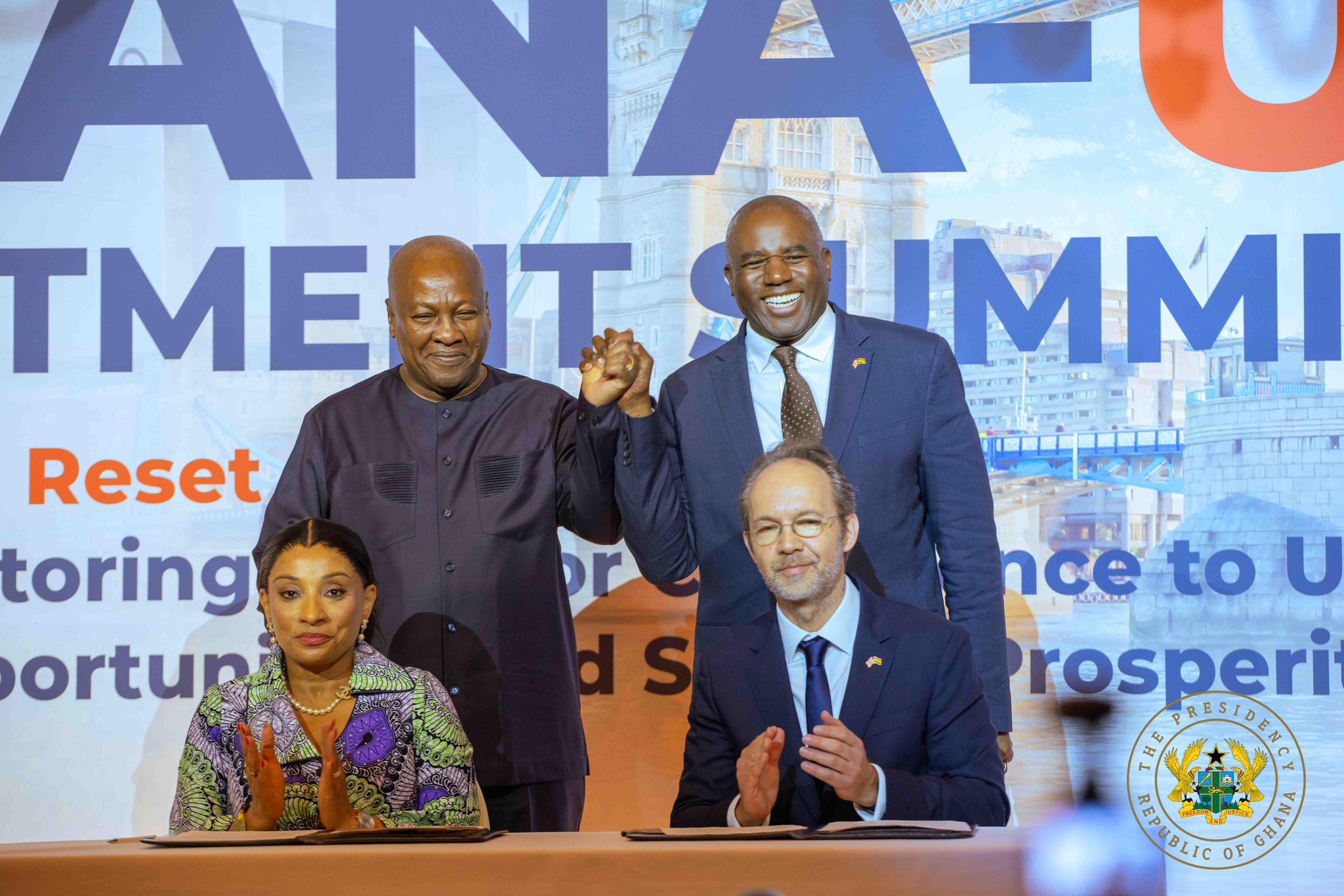
  • Mahama calls for global health financing reset amid shrinking aid and WHO funding crisis

    Mahama calls for global health financing reset amid shrinking aid and WHO funding crisis

    GENEVA, Switzerland (NPA) — John Dramani Mahama has called for a fundamental reset of global health financing and development cooperation, warning that growing cuts in humanitarian assistance and international aid signal the collapse of the old donor-dependent model.

    Mahama made the remarks while addressing delegates at the 79th World Health Assembly in Geneva.

    According to a statement issued by the Ghana Presidency, the Ghanaian leader said recent reductions in humanitarian assistance and Official Development Assistance (ODA) were not temporary setbacks, but clear evidence that the long-standing structure of donor dependency was no longer sustainable.

    The President stressed the need for countries to build resilient and self-sustaining health systems rather than relying heavily on external support.

    Mahama also urged world leaders to reframe healthcare financing as a strategic economic investment rather than a social burden.

    He argued that a healthy population remains critical to sustainable economic growth, national productivity, and long-term development.

    “A healthy population is central to sustainable economic growth and national development,” Mahama stated, calling on governments to prioritise healthcare spending as a core driver of progress.

    The Ghanaian President further warned of a sharp decline in global humanitarian and institutional health support, which he said could have far-reaching consequences for health systems worldwide.

    According to him, humanitarian assistance has dropped by approximately 40 per cent globally, while the World Health Organisation has been severely affected by the withdrawal of funding from the United States.

    Mahama said the funding shortfall had forced the WHO to scale down major programmes and reduce staffing levels.

    He called for renewed global solidarity and sustainable financing mechanisms to protect essential healthcare systems and preserve gains already made in global public health.

  • Ghana Armed Forces to institutionalise annual memorials honouring fallen heroes, preserving military history

    Ghana Armed Forces to institutionalise annual memorials honouring fallen heroes, preserving military history

    ACCRA, Ghana (NPA) — The Ghana Armed Forces is set to institutionalise annual memorial celebrations as part of efforts to preserve military history, honour fallen personnel and strengthen institutional traditions across its services.

    Chief of the Defence Staff, Lieutenant General William Agyapong, disclosed this during a courtesy visit to retired Brigadier General Daniel Kwadjo Frimpong on Wednesday in Accra.

    According to the Defence Chief, military memorial celebrations remain an important tradition globally, serving as a platform to commemorate historic operations, honour martyrs and preserve the institutional memory of armed forces for future generations.

    Lt. Gen. Agyapong noted that despite the Ghana Armed Forces’ involvement in several significant international missions in countries including Congo, Liberia and Rwanda, the most recognised annual military remembrance event in Ghana remains the November 11 Remembrance Day celebration dedicated to veterans of the world wars.

    He explained that while the Ghana Navy already observes a memorial week annually in September, the Armed Forces as a whole currently lacks a unified commemorative period involving all three military services.

    According to him, the proposed annual memorial celebration would help bridge the gap between past and present generations of military personnel by creating opportunities for mentorship, storytelling and the transfer of operational experience to younger officers and soldiers.

    The Defence Chief further revealed that the proposal would soon be presented to the Armed Forces Council for approval.

    He added that retired senior officers and veterans would play critical roles in shaping the structure and content of the planned memorial activities due to their vast operational knowledge and historical experience.

    Responding, Brigadier General Daniel Kwadjo Frimpong (Rtd) welcomed the initiative and commended the military leadership for prioritising the preservation of Ghana’s military heritage.

    The retired officer lamented that many distinguished officers and soldiers had died without properly documenting their experiences and contributions to the evolution of the Ghana Armed Forces.

    He stressed the importance of physical memorial celebrations in preserving and telling the stories of the military’s rich history, noting that the few available books on the subject have limited reach among the public and younger personnel.

    Brig. Gen. Frimpong also pledged his full support towards the successful implementation of the proposed memorial project.

  • Global broadcasters to beam CAF Champions League final

    Global broadcasters to beam CAF Champions League final

    CAIRO, Egypt (NPA) — Some of the world’s biggest broadcasters will showcase the TotalEnergies CAF Champions League 2025/26 Final between Mamelodi Sundowns (South Africa) and AS FAR (Morocco) on Sunday, 17 May at 16h00 local time (14h00 GMT).

    Leading platforms, including beIN Sport, CANAL+, DAZN, SuperSport, and the UK’s Channel 4, headline the list of international broadcasters. Africa’s top channels, such as SABC, AZAM Media, and Morocco’s SNRTV Arryadia, will also carry the match. In Europe, coverage extends to Sport TV (Portugal), Megogo (Ukraine), Sport Klub (Slovenia and Croatia), and Sport TV (Czech Republic and Slovakia).

    beIN Sport will cover the MENA region, France, the United States, and the South-Pacific. CANAL+ will broadcast across 30+ Sub-Saharan African countries, while SuperSport will air the game in 36 nations. DAZN, making its CAF debut, will stream in 25 territories, including Japan, Korea, and China.

    The first leg of the final takes place at Loftus Stadium in Pretoria, with fans across Africa, Europe, the Middle East, Asia, and beyond set to witness the spectacle live. The second leg will be staged in Rabat, Morocco, on Sunday, 24 May (19h00 GMT), where the 2025/26 African champions will be crowned.

    CAF’s international distribution underscores the growing global appeal of African football, ensuring supporters worldwide can follow every moment of this highly anticipated showdown. Fans in Tanzania can tune in via Azam TV, viewers in South Africa on SABC Sport, and supporters in Morocco on SNRT Arryadia.

    The two clubs are competing for a record USD 6 million first prize, as CAF continues to invest in strengthening the African football ecosystem.