Category: Africa

  • Somaliland opposition leader Cirro wins in presidential election, beating incumbent

    Somaliland opposition leader Cirro wins in presidential election, beating incumbent

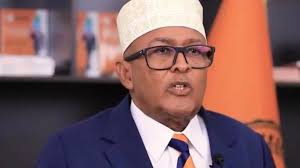
    Reuters—Somaliland opposition leader Abdirahman Cirro defeated incumbent president Muse Bihi Abdi in last week’s election, the electoral commission said on Tuesday, setting up a handover of power as the breakaway Somali region pushes for global recognition.

    Somaliland has had de facto self-rule since declaring independence from Somalia in 1991, but has not been recognised by any country, restricting access to international finance and the ability of its six million people to travel.

    Cirro, leader of the opposition Waddani party, won 64% of the vote against Bihi’s 35%, said Musa Hassan, chairman of the Somaliland Electoral Commission.

    “This election is not a win or loss for the candidates. It was an election of unity and fraternity and pushing ahead the Somaliland nation,” Cirro said in a televised address on Tuesday.

    Occupying a strategic location at the juncture of the Indian Ocean and Red Sea, Somaliland sees international recognition as being within reach after signing a preliminary deal with landlocked Ethiopia in January that would grant Addis Ababa a strip of land on its coast in exchange for recognition.

    Somaliland is also hopeful that the incoming U.S. administration of President-elect Donald Trump will be favourable to its cause. Several leading Africa policy officials from Trump’s first term have voiced support for its recognition.

    The breakaway region has enjoyed a comparative period of peace since achieving autonomy three decades ago, just as Somalia plunged into a civil war from which it has yet to emerge.

    While Cirro has signalled broad support for the proposed pact with Ethiopia, his commitment to implementing it is not clear. Some analysts suspect he could be more open to dialogue with Somalia’s government, which opposes the agreement.

    The deal has soured Somalia’s relations with Ethiopia, a major contributor towards a peacekeeping force in Somalia fighting Islamist militants, and drawn Somalia’s government closer to Ethiopia’s historic rivals, Egypt and Eritrea.

    The presidents of Somalia and neighbouring Djibouti, whose relations with Somaliland were also strained under Bihi, congratulated Cirro on his win.

    Ethiopia’s foreign ministry also sent a congratulatory message to Cirro.

    “Congratulations to the newly elected President of Somaliland… and to the brotherly people of Somaliland for their political maturity,” Djibouti’s president, Ismail Omar Guelleh, wrote on X.

    In his message, Somali President Hassan Sheikh Mohamud committed to ongoing reconciliation talks, which he said were focused on preserving the unity of Somalia.

    “While I think there are concerns that (Cirro) may opt for a radical departure from his predecessor, jettison the MOU (deal with Ethiopia), embrace dialogue with Somalia, there’s a big difference between campaigning and governing,” said Matt Bryden, a strategic adviser with the Sahan think tank.

    Cirro’s victory could also signal closer ties with China, a major investor in the Horn of Africa.

    According to Somali media reports, Cirro has in the past questioned the value of Somaliland’s ties with Taiwan, which China sees as part of its territory, in its quest for recognition.
  • Major Ugandan Opposition Politician Kidnapped In Kenya

    Major Ugandan Opposition Politician Kidnapped In Kenya

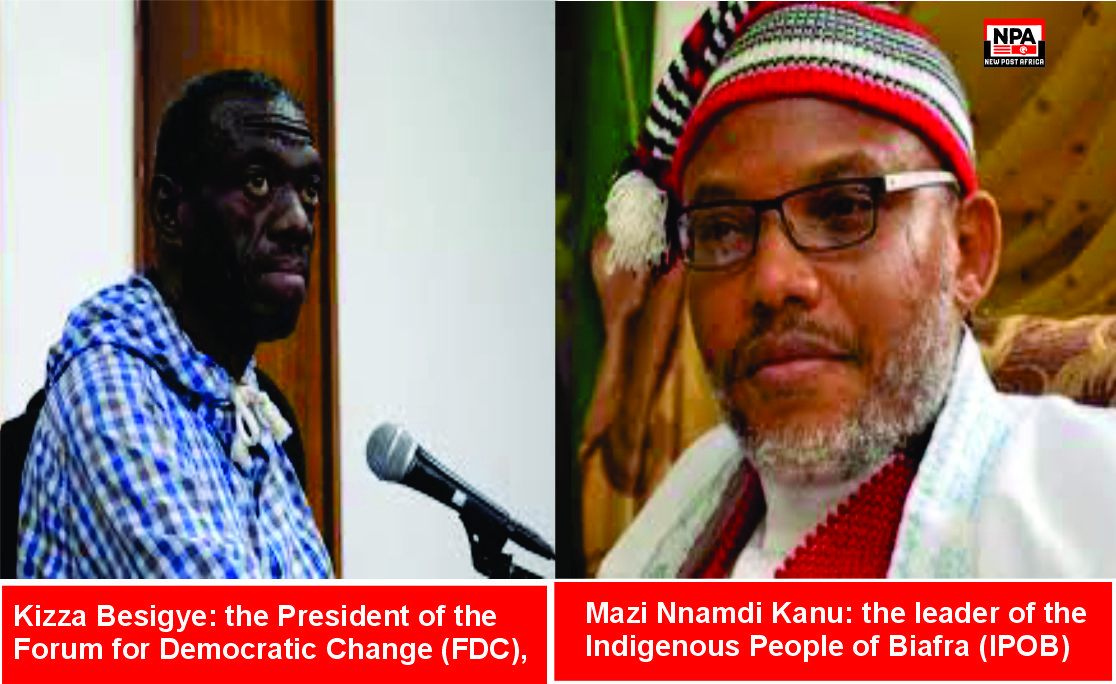
    His kidnap follows the same pattern as that of Mazi Nnamdi Kanu, the leader of the Indigenous People of Biafra (IPOB), controversially arrested in Kenya and brought back to Nigeria in June 2021. Allegations of illegal detention and torture surrounded his arrest and subsequent extradition.

    Winnie Byanyima, the wife of Kizza Besigye, a prominent Ugandan opposition politician, has raised an alarm over his kidnap in Kenya over the weekend and transfer to a military detention centre in Kampala, the Ugandan capital. According to her, the kidnap happened after the politician participated in a book engagement in the east African country.

    While calling for her husband’s release, she said: “I request the (government) of Uganda to release my husband Dr Kizza Besigye from where he is being held immediately. I am now reliably informed that he is in a military jail in Kampala. We his family and his lawyers demand to see him. He is not a soldier. Why is he being held in a military jail?”

    In response to a request by Reuters, the Ugandan military and police denied knowing the whereabouts of the politician, who contested against Ugandan President Yoweri Museveni in four consecutive elections and lost in all.

    Kizza Besigye is a prominent Ugandan opposition politician and physician. He was born on April 22, 1956, in Rukungiri, Uganda. He served as the personal physician to President Yoweri Museveni during Uganda’s guerrilla war, but later became a vocal critic and political opponent of Museveni, after they fell apart.

    He contested the Ugandan presidency in 2001, 2006, 2011, and 2016), and accused the government of denying him victory. 

    The president of the Forum for Democratic Change (FDC), a Human Rights Activist, has been arrested and detained several times over the years.

    His kidnap in Kenya follows the same pattern as that of Mazi Nnamdi Kanu, the leader of the Indigenous People of Biafra (IPOB), who was also controversially arrested in Kenya and brought back to Nigeria in June 2021. Allegations of illegal detention and torture have surrounded his arrest and subsequent extradition.

    Kanu was reportedly detained in Kenya for eight days under harsh conditions before being handed over to Nigerian authorities.

    The Nigerian government has faced criticism for the manner in which Kanu was extradited, with claims that it violated international laws and due process. Despite these controversies, Kanu remains in detention in Nigeria, facing charges related to terrorism and treason.

  • Seven NSCDC Officers Missing After Boko Haram Ambush

    Seven NSCDC Officers Missing After Boko Haram Ambush

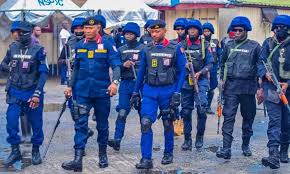
    Seven officers of the Nigeria Security and Civil Defence Corps (NSCDC), a paramilitary agency in the country that protects lives and property, and safeguards critical national infrastructure, have been declared missing following an attack by suspected Boko Haram militants.

    In a statement, NSCDC spokesperson, DCC Afolabi Babawale, said the attack on the officers happened on Monday in the Farin-Kasa area of Chukun Local Government Area, Kaduna State when the operatives were inspecting the National Grid installation from Shiroro in Niger State. He further explained that, due to the recent increase in attacks on power lines that have plunged the country into darkness, the nine officers and 71 others who were ambushed had been deployed to police the power infrastructure in the area.  

    He also disclosed that “as they patrolled vulnerable areas, the officers “encountered stranded expatriates near Dagwachi Village and allowed them to join the convoy for safety. Unbeknownst to the team, over 200 armed Boko Haram militants had laid a deadly ambush from a hilltop, ready to unleash a torrent of gunfire on the unsuspecting convoy.”

    “Determined and resourceful, the NSCDC operatives fought back valiantly, managing to neutralise over 50 insurgents during the exchange. However, the chaos left seven officers unaccounted for, prompting an urgent search in the bush for their whereabouts. Those who sustained injuries are currently receiving medical treatment.”

    The NSCDC Commandant-General, Ahmed Audi, who praised his men for their gallantry and service to the nation, described that attack as cowardly against personnel committed to the nation’s defence and protection of critical national infrastructures.

    Recall that reports of suspected Boko Haram militants allegedly occupying a swathe of territory and making an incursion into a military training ground in Niger State, which was denied by the Nigeria Military, made rounds in the media recently. This recent attack by the Islamic militant group, officially known as Jamā’at Ahl as-Sunnah lid-Da’wah wa’l-Jihād, adds to their internationally acclaimed notoriety for its brutal tactics, including mass kidnappings, bombings, and assassinations since 2002. Despite efforts by regional and international forces to combat the group, Boko Haram remains a significant threat in Nigeria and across the Sahel region.

  • Nana Addo Commissions $1.2 billion 590MW Power Plant

    Nana Addo Commissions $1.2 billion 590MW Power Plant

    Over the years, Ghana relies heavily on hydropower (from dams like Akosombo, Kpong, and Bui) and thermal power (from gas and oil). However, the country’s energy infrastructure is ageing, and there have been issues with maintaining and upgrading it.

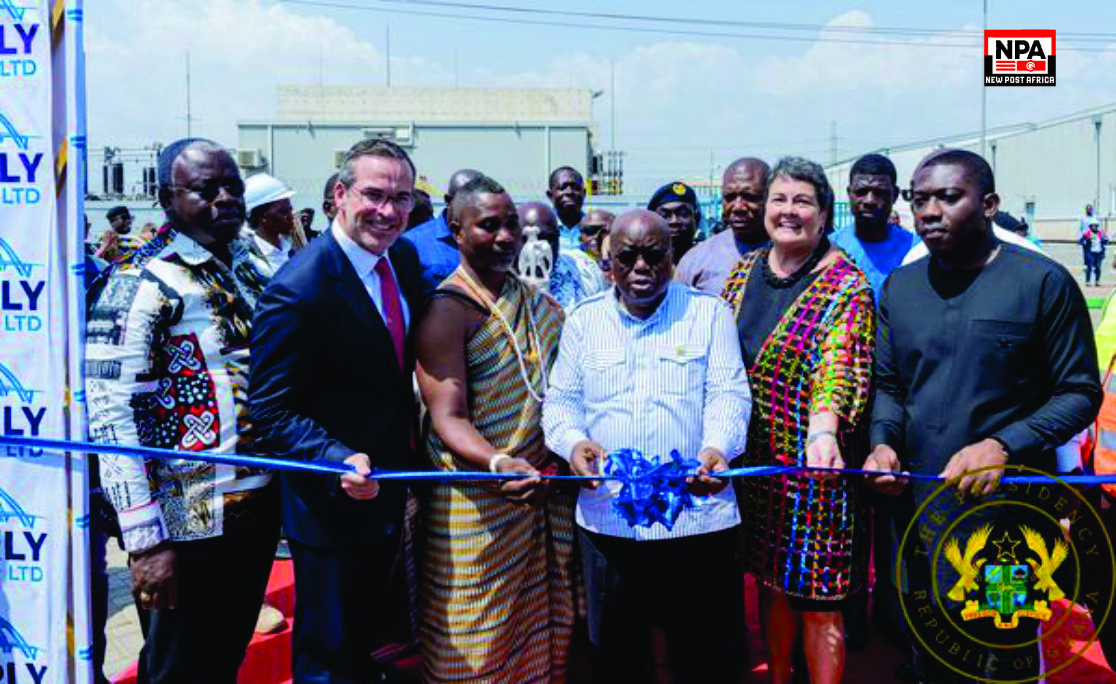
    On Tuesday, the Ghanaian President, Nana Addo Dankwa Akufo-Addo, commissioned the Ghana 590MW combined-cycle power plant project. The $1.2 billion Bridge Power plant is located in Tema, an important coastal city in Ghana in the Greater Accra Region and home to the largest seaport in the country and a hub for trade, commerce and industry.

    Expected to transform the country’s power sector, the groundbreaking project, financed through a partnership with Early Power Ltd, is a giant leap toward Ghana’s quest to secure a reliable energy supply to drive economic growth and national development.

    In a statement, Nana Addo noted that the project “represents a shift away from the energy crises of the past, particularly the difficult years of “dumsor” between 2012 and 2016, which disrupted lives and livelihoods.” Emphasising the timeliness of the project, he said: “Reliable electricity is the backbone of national development—it powers industries, illuminates classrooms, and supports hospitals.” Adding the project will boost the productivity of the manufacturing industries and improve healthcare services and learning conditions in schools.

    Ghana has faced significant challenges with its electricity supply over the years. Periods of intermittent power supply has marked the situation, commonly referred to as “dumsor”. This term, which means “on and off” in the local language, describes the frequent power outages and load-shedding that have affected the country. The electricity crisis costs the country an estimated average of $2.1 million in lost production daily, affecting businesses and industries that rely on a stable power supply.

    Over the years, Ghana relies heavily on hydropower (from dams like Akosombo, Kpong, and Bui) and thermal power (from gas and oil). However, the country’s energy infrastructure is ageing, and there have been issues with maintaining and upgrading it.

  • After Missing School Due To Extreme Heat, African Children Push For Climate Action

    After Missing School Due To Extreme Heat, African Children Push For Climate Action

    Children from East Africa, where heatwaves and floods have shuttered schools in recent months, are pushing for world leaders to protect their education – and their future – at the United Nations COP29 climate summit in Azerbaijan.

    Siama, 17, from South Sudan, missed two weeks of school in April when temperatures surged to 45 degrees Celsius (113 Fahrenheit).

    “Our country is a developing country so we do not have climate-resilient buildings … and do not have ACs in school,” she said.

    More than 40 million children were kept out of classrooms this year, from Asia to Africa, due to extreme heat, which scientists say has been made worse and more frequent by climate change.

    Naomi, 14, also struggled with South Sudan’s school closures. “This really affected me because this year I am sitting for my national exams,” she said.

    At home, “we were not able to concentrate because it was hot, the temperatures were really high, you have to focus more on reducing the temperature of your body by going to bathe every two hours”.

    In Somalia, Nafiso, 16, often can’t sleep at night, thinking about her future under climate change.

    “My father – he is a farmer. When there is a lot of heat, it becomes a lot of drought. When there is a lot of rain, it is difficult to get the food.”

    Sometimes she does not have enough food to eat three times a day.

    Floods, too, have at times prevented her from getting to school.

    “This is really making us worried how will the future be if there is no action being taken, if there is no climate finance to create climate-resilient schools in the country,” Naomi said.

  • Peter Mbah Hails Chidimma Onwe, Miss Universe Africa and Oceania

    Peter Mbah Hails Chidimma Onwe, Miss Universe Africa and Oceania

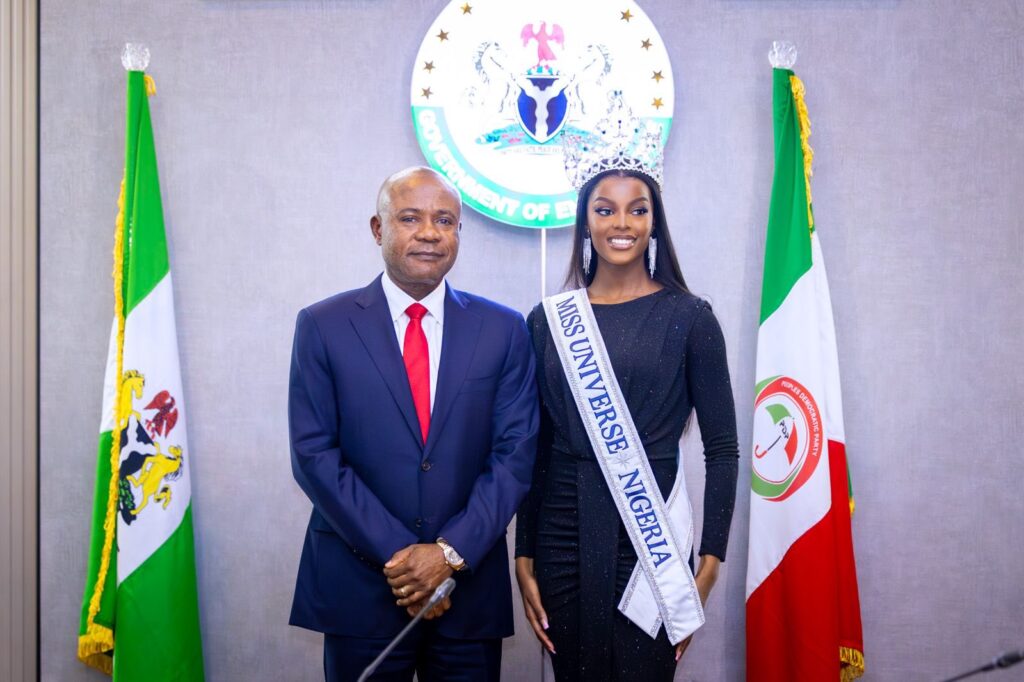
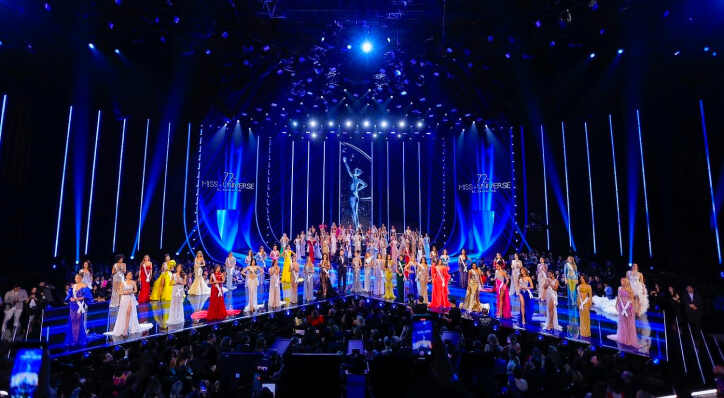
    The Enugu State Governor, Dr Peter Mbah, has congratulated Miss Chidimma Onwe Adetshina, a citizen of the Nigerian southeastern state, on her emergence as the 1st Runner-Up at the Miss Universe 2024 Pageant held in Mexico. The beauty queen, during the events leading to the announcement of the winners, wowed a global audience with her exceptional costuming and enchanting display of class, glamour, and charisma, which the competition required.

    According to the governor, her victory at the 73rd Miss Universe pageant competition, which featured 130 women worldwide, “reaffirmed her resilience, brilliance, and determination that define Ndi Enugu.”

    Recall that the governor earlier appointed the beauty queen, formerly based in South Africa, as a Brand Ambassador of the state. This followed the widely condemned bouts of attacks and rejections she suffered in the rainbow country, where she was born and denied the opportunity to achieve her dream of becoming a beauty queen, over unclarified identity falsification levelled against her mother. The prejudice re-ignited the xenophobia against Nigerians’ accusation against other Africans, winning Chidimma sympathy approval votes at home and globally.

    Chidimma, in a statement reflecting on her nightmares in South Africa and thanking the millions of Nigerians who stood by her during the ordeals, said: “Many wonder why I didn’t stop. Many asked, why not let it be for now? Your life might be at risk. Some questioned, why isn’t she giving up? Does she crave the clout? I sat back, overwhelmed with so many unanswered questions, as life moved faster than I could process. But do you know what? My dreams have kept me afloat.”

  • South Africa’s Rand Hit A Three-Month Low On Tuesday Over Uncertainties

    South Africa’s Rand Hit A Three-Month Low On Tuesday Over Uncertainties

    Investors have piled into trades seen as benefiting from the incoming U.S. administration, with markets anticipating Trump’s policies could mean higher economic growth in the short term but also potentially inflationary pressures.

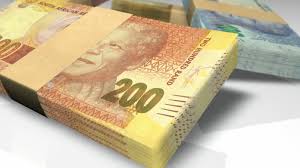
    South Africa’s rand hit a three-month low on Tuesday, hurt by a stronger dollar and weaker gold prices, as markets grappled with what another Donald Trump presidency will mean for U.S. policy and trade relations.

    At 1533 GMT, the rand traded at 18.1325 against the dollar, down more than 1% on its previous close, its weakest level since mid-August.

    The risk-sensitive rand has been highly volatile since Trump’s U.S. election win last week and is on course for its third day of heavy losses.

    Investors have piled into trades seen as benefiting from the incoming U.S. administration, with markets anticipating Trump’s policies could mean higher economic growth in the short term but also potentially inflationary pressures.

    Potential policy changes include tariffs and tax cuts.

    ETM Analytics said in a research note that the rand “remains on the defensive while investors try to understand what (Trump’s win) means for the dollar and for currencies quoted against it”.

    The rand reacted little to positive local job data on Tuesday showing the unemployment rate fell for the first time in a year in the third quarter.

    The unemployment rate fell to 32.1% from 33.5% in the second quarter (ZAUNR=ECI), opens new tab.

    Another local factor that had little impact was manufacturing output for September (ZAMAN=ECI), opens new tab, which fell 0.8% year-on-year.

    On the Johannesburg stock market, the Top-40 index (JTOPI), opens new tab closed 0.7% down.

    The benchmark 2030 government bond was little changed, the yield at 9.23%.

  • Opposition Wins Landslide In Mauritius Parliament Election, PM Resigns

    Opposition Wins Landslide In Mauritius Parliament Election, PM Resigns

    Ramgoolam, 77, said that his first act in office would be to dismantle what he called the country’s spying system “so that Mauritians will be free to talk”.

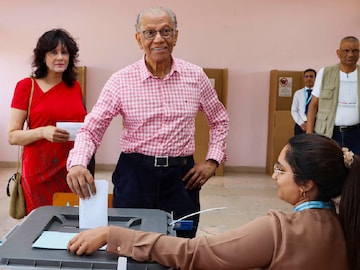
    Mauritius’ opposition coalition led by Navin Ramgoolam secured a near clean sweep of seats in parliament on Tuesday as final election results were announced, securing him a fourth term as prime minister.

    Ramgoolam’s Alliance du Changement (ADC) coalition won 62.6% of votes in Sunday’s ballot, the election commission said, prompting incumbent Prime Minister Pravind Jugnauth to resign.

    The ADC won 60 of the 62 national assembly seats, state broadcaster Mauritius Broadcasting Corporation reported.

    Ramgoolam, 77, said that his first act in office would be to dismantle what he called the country’s spying system “so that Mauritians will be free to talk”.

    “We will also work to put an end to the rising cost of living for the population by better monitoring the value of the rupee, lifting Value Added Tax on basic commodities, and vanquishing nepotism, corruption and repression,” Ramgoolam told reporters.

    Despite steering the Indian Ocean archipelago to 7.0% economic growth last year, Jugnauth’s popularity appeared to have been badly dented by a cost of living crisis and corruption allegations.

    Jugnauth conceded on Monday, saying he tried to do what he could for the country’s 1.3 million people, but that his Alliance Lepep coalition was heading for a huge defeat.

    President Prithvirajsing Roopun said on Tuesday he had accepted Jugnauth’s resignation, and that of his government.

    Last month Jugnauth, who has been in office since 2017, negotiated an agreement for Britain to cede the Chagos Islands while retaining the U.S.-UK Diego Garcia air base.

    Jugnauth’s Alliance Lepep won 27.8% of the vote, according to a tally of results released by the Office of the Electoral Commissioner (OEC).

    On the island of Rodrigues, which is allotted two seats in Mauritius’ parliament, the Organisation du Peuple de Rodrigues (OPR) won 50.0% of the vote, the OEC said.

    Earlier this month, Jugnauth’s government blocked social media platforms until a day after the election, citing national security concerns after conversations between public figures were leaked. It lifted the ban a day later.

    —By Reuters

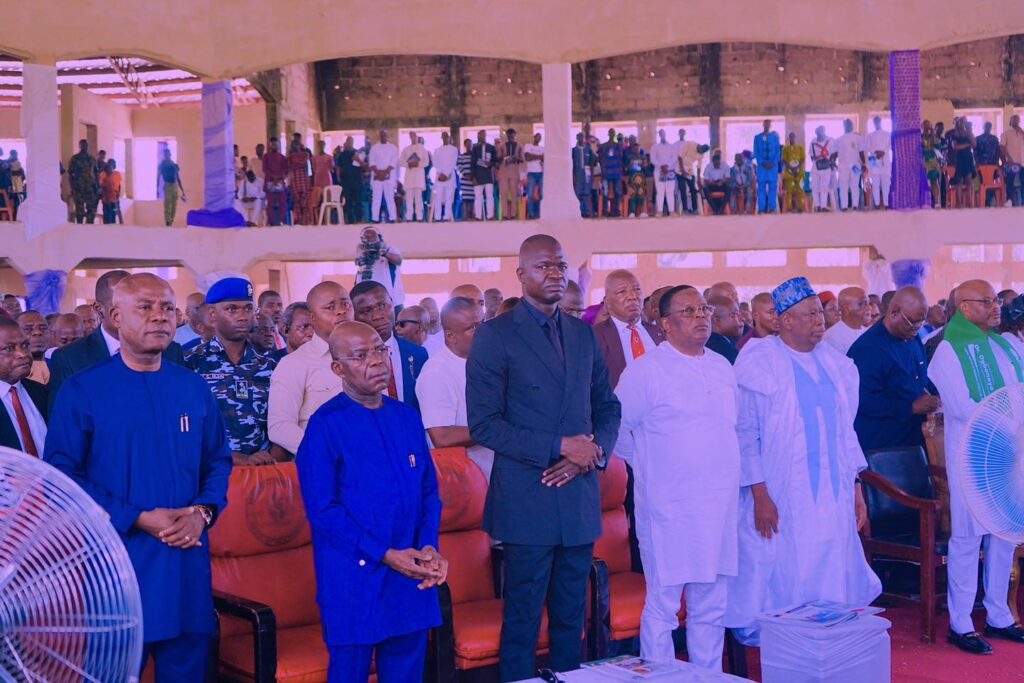
  • Nwifuru, Mbah, Umahi, Others Mourn As Dr Ogbonnaya Onu Is Buried In Ebonyi

    Nwifuru, Mbah, Umahi, Others Mourn As Dr Ogbonnaya Onu Is Buried In Ebonyi

    The president, while recognising the immense contributions of the deceased in birthing the ruling All Progress Congress, described the party as a formidable one in the country. He also reiterated his campaign promise of doing his “utmost best to provide good governance, uplift the living standards of the people, and hoist high the APC banner.

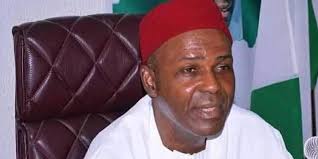
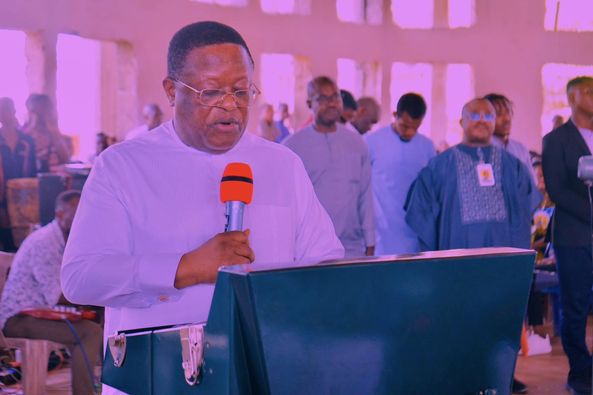
    Dr Ogbonnaya Onu, a notable Nigerian politician, engineer, author, and the first civilian governor of Abia State, who died on 11 April 2024 at 72, has been laid to rest in his hometown, Uburu, in Ebonyi State, Nigeria’s southeast. The founding member of the All Progressives Congress (APC) was buried on November 8, 2024.

    In his solemn remarks about the life and times of the astute politician and administrator, the host governor, H.E. Rt. Hon. Francis Ogbonna Nwifuru eulogised the deceased as a bridge builder, who has inspired generations “and left an enduring example of true leadership” and an immortal “legacy shared by all who benefited from his work”.

    Also at the event, the minister of works and housing, the immediate past governor of Ebonyi State, David Nweze Umahi, who represented President Bola Ahmed Tinubu described Dr Onu as “a perfect gentleman and a committed progressive who dedicated his life to the service of our nation and humanity”.

    President Tinubu pronounced Dr Onu a true progressive and a quintessential politician, who believed “in the ideals of the progressive movement to develop the country and the reason he worked tirelessly for the emergence of APC on the national stage in the 2015 presidential and other elections.

    The president, while recognising the immense contributions of the deceased in birthing the ruling All Progress Congress, described the party as a formidable one in the country. He also reiterated his campaign promise of doing his “utmost best to provide good governance, uplift the living standards of our people, and hoist high the APC banner.”

    The Enugu State Governor, Dr Peter Ndubuisi Mbah, also attended the funeral amongst other dignitaries from within and outside the southeast region.

  • Support Supply Chain Financing: Okonjo Iweala And Others Tell Financial Institutions

    Support Supply Chain Financing: Okonjo Iweala And Others Tell Financial Institutions

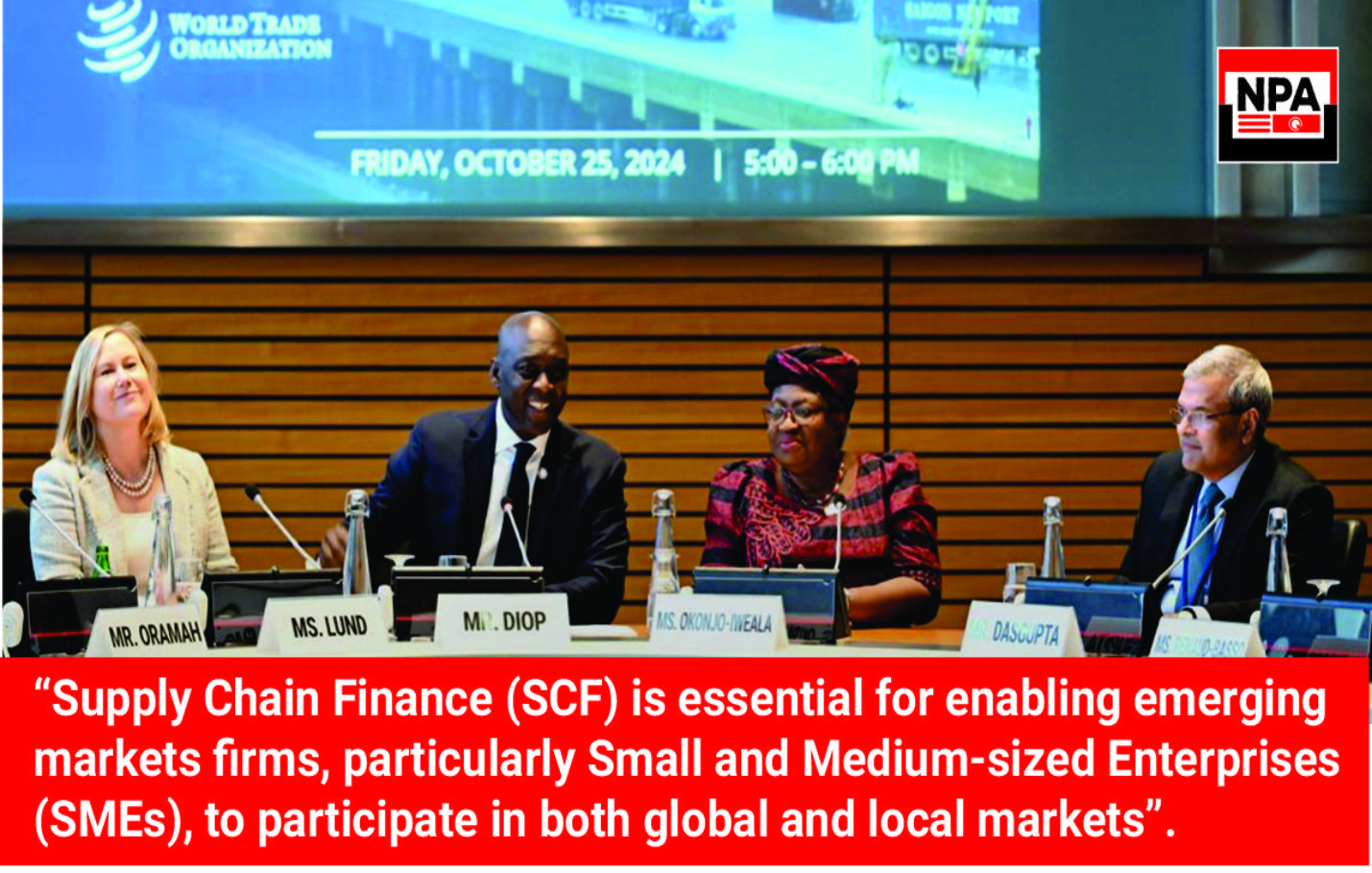
    The Director-General of the World Trade Organisation, Dr Ngozi Okonjo-Iweala and other heads of multilateral development banks (MDBs) have called on financial institutions to support Supply Chain Finance (SCF) to empower small businesses and boost trade. This involves the unlocking of working capital and easing the financial burden on suppliers in global value chains as well as ‘discounting of suppliers’ invoices by a bank or financier, allowing businesses to borrow against the value of their outstanding invoices’.

    Heads of the MDBs made the call during the World Bank Group and International Monetary Fund annual meetings in Washington D.C. on 25 October, an event co-hosted by the IFC Managing Director Makhtar Diop.

    WTO’s Director-General, Dr Okonjo-Iweala, emphasised that multilateral development banks have increased trade and supply finance support from US$30 billion annually before the COVID-19 pandemic to nearly US$50 billion in 2023, helping ensure the supply of essential food, medicine and other critical imports. She also pointed out that global supply chain finance, one of the fastest-growing segments of trade finance, is now valued at around US$2.3 trillion.

    She also noted that small businesses in developing countries have yet to fully benefit from trade expansions because of challenges such as weak legal frameworks, inadequate technological infrastructure, and high business costs.

    Okonjo also noted the need for the multilateral development banks to coordinate activities, focusing on increasing financial support through their existing supply chain finance programmes and taking concrete measures to support the legal, policy and operational framework needed for market development. Besides collaborating with financial institutions to increase the diversity of financing products available to small businesses, which she said will unlock trade volumes, and make it more inclusive and competitive, with the multiplier effect of higher development and poverty reduction outcomes in countries around the world.

    Speaking in the same vein, the IFC Managing Director Makhtar Diop highlighted that the “supply chain finance is crucial for empowering emerging market firms, especially SMEs, to engage effectively in both local and global value chains. By providing access to vital financial resources, it enables these businesses to thrive, fostering growth, and generating quality job opportunities,” he said.

    Others who shared their efforts in the expansion of supply chain finance are the senior officials from the European Bank for Reconstruction and Development (EBRD), the African Export-Import Bank (Afreximbank), the Asian Development Bank (ADB), the Islamic Development Bank (ISDB), and IDB Invest (the private sector arm of the Inter-American Development Bank).

    In a joint statement issued at the end of the meeting, the MDBs pledged to strengthen cooperation and leverage their resources to support SMEs in supply chain, technology infrastructure, analytics, training, and financing.

    The statement reads in part: “Supply Chain Finance (SCF) is essential for enabling emerging markets firms, particularly Small and Medium-sized Enterprises (SMEs), to participate in both global and local markets. Greater participation of SME firms in global value chains will increase trade and development opportunities, integrate value chains, and incentivise better environmental and social (E&S) performance.

    However, according to the recent studies conducted by the International Finance Corporation (IFC) and the World Trade Organization (WTO), local availability of SCF, especially in low-income and fragile countries, is scarcer than traditional trade finance due to weaker financial and legal infrastructures, leading to missed economic opportunities.

    Multilateral Development Banks (MDBs) need to collaborate to further increase financial support, improve regulatory frameworks, promote marketplaces, drive E&S agenda, build market capacity, and increase product availability in supply chain finance markets.

    We, the World Trade Organization (WTO), International Finance Corporation (IFC, World Bank Group), African Export-Import Bank (AFREXIMBANK), Asian Development Bank (ADB), European Bank for Reconstruction and Development (EBRD), IDB Invest (IDBI), and International Islamic Trade Finance Corporation (ITFC, Islamic Development Bank Group), will coordinate through the already established Supply Chain Finance Task Force under WTO’s Multilateral Development Banks (MDBs) Working Group to i) increase financial support through their existing SCF programs; ii) strengthen the legal infrastructure; iii) promote common sector-level operating marketplaces; iv) build market awareness and stakeholder capacity; and v) work with financial institutions and fintechs to increase product diversity and availability.