Category: Africa

  • Mbah Hosts Chartered Institute of Taxation, Vows to Convert Revenue into Visible Development

    Mbah Hosts Chartered Institute of Taxation, Vows to Convert Revenue into Visible Development

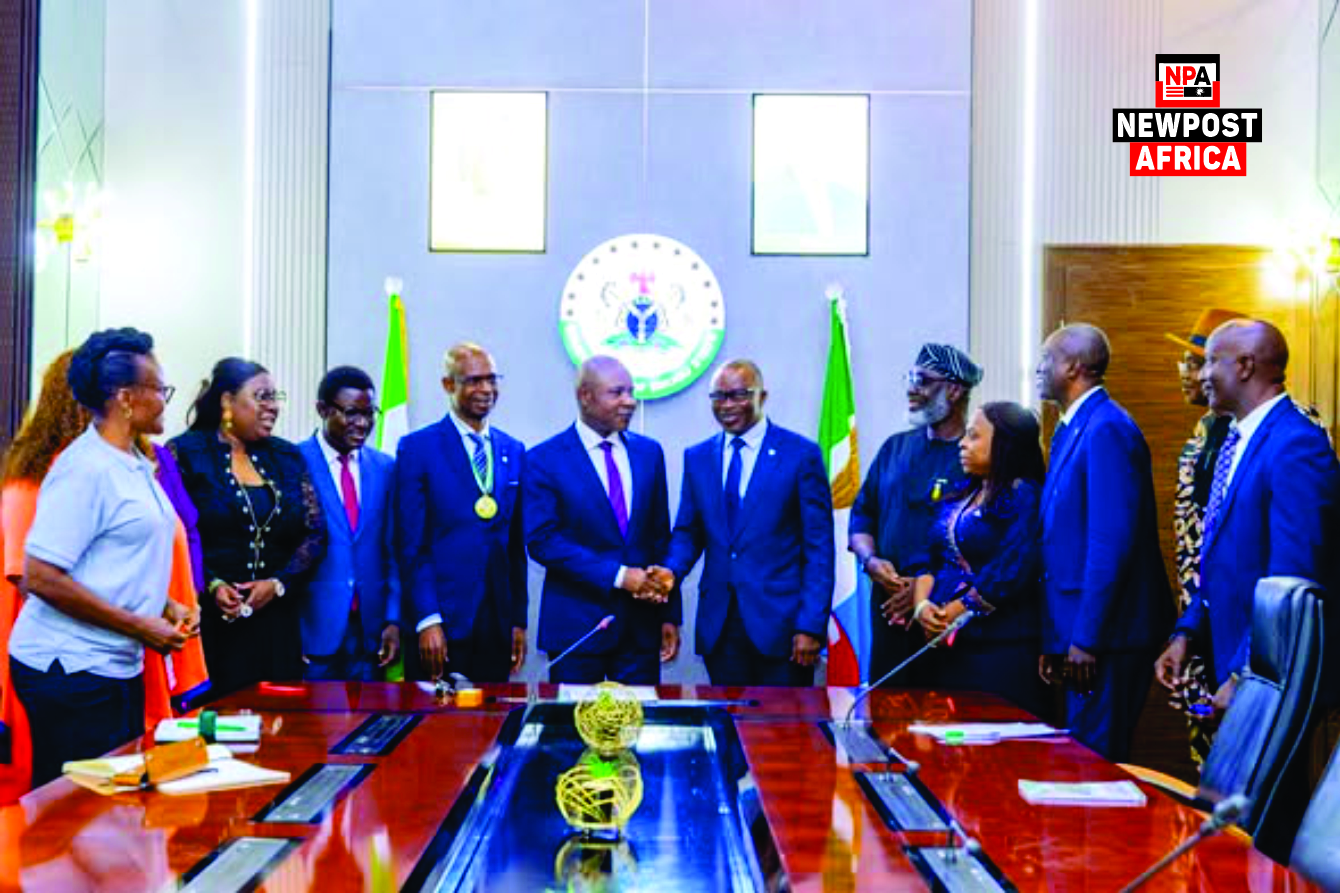
    ENUGU, NIGERIA: Governor Peter Mbah of Enugu State has reaffirmed his administration’s readiness to collaborate with the Chartered Institute of Taxation of Nigeria (CITN) in driving the effective implementation of the recently introduced Tax Reform Acts by the federal government.

    Hosting the CITN leadership, led by its president, Innocent C. Ohagwa, at the Government House, Enugu, on Thursday, the governor emphasised the importance of ensuring that the new tax laws are fully operational in the state.

    The visit formed part of the institute’s nationwide sensitisation programme aimed at educating citizens on the new tax reform policies. The South-East sensitisation exercise was jointly organised by CITN and the Enugu State Internal Revenue Service.

    According to Governor Mbah, “Strengthening our tax system is about fairness, accountability, and building a state that works for everyone.”

    Between 2023 and 2025, Enugu State’s internally generated revenue (IGR) witnessed unprecedented growth. In 2023, the state recorded about ₦37.4 billion, which rose sharply to ₦180.5 billion in 2024 following reforms that expanded the tax net and introduced technology-driven revenue collection. By 2025, the figure had climbed to ₦406.8 billion, representing a 125% increase from the previous year and achieving 80% of the ₦509.9 billion target set for that fiscal year. This remarkable turnaround was largely driven by non-tax revenue sources and structural reforms aimed at building fiscal resilience and sustainability.

    Governor Mbah reiterated his commitment to transparency and innovation in revenue management, stating: “We remain committed to a transparent, technology-driven revenue system that eliminates leakages, broadens the tax base fairly, and converts revenue into visible development for our people.”
  • Maureen Badejo vs. Daniel Olukoya: Sowore Accuses Police of Collusion

    Maureen Badejo vs. Daniel Olukoya: Sowore Accuses Police of Collusion

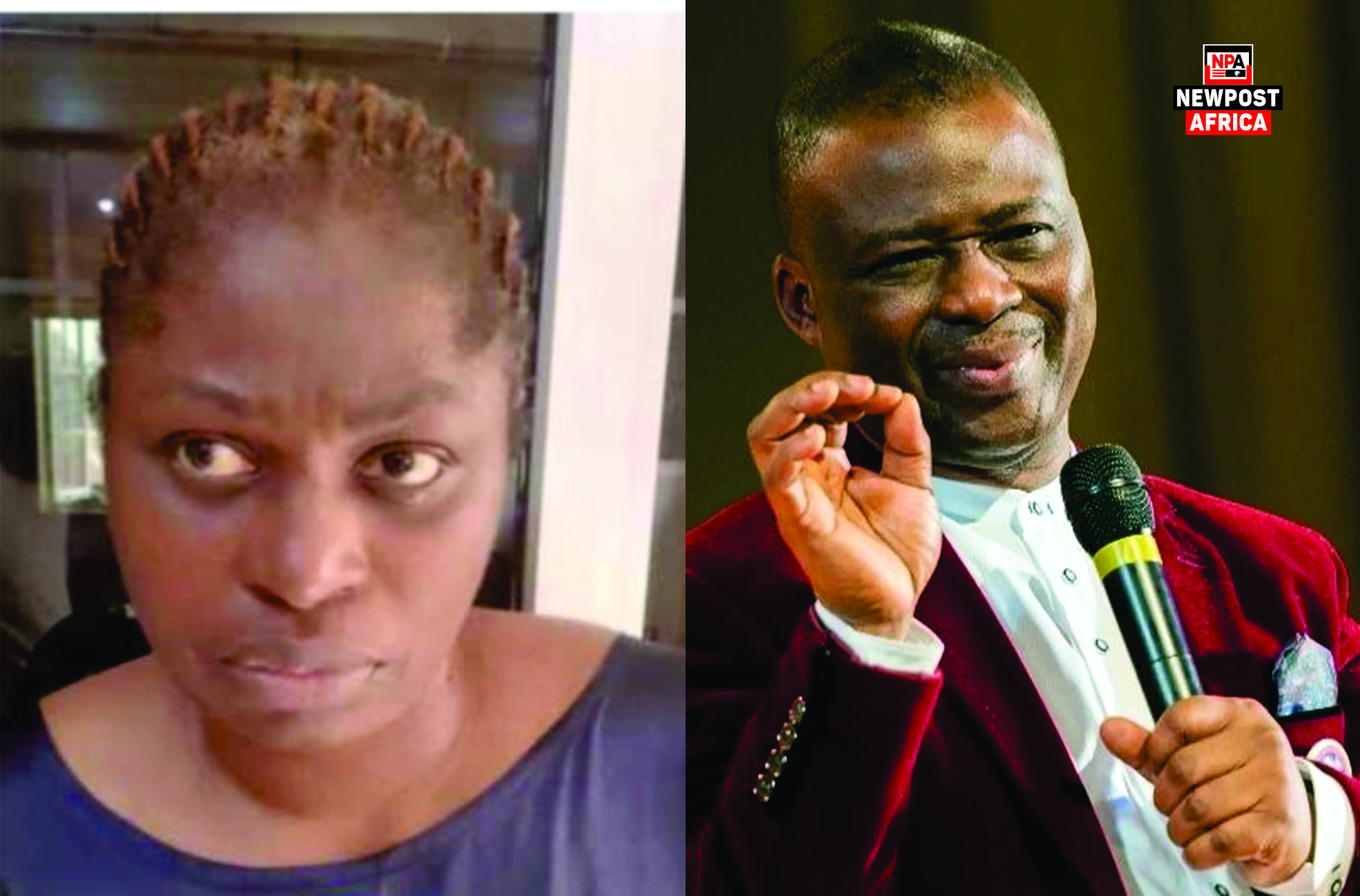
    LAGOS, NIGERIA: Nigerian human rights activist and #RevolutionNow convener, Omoyele Sowore, has accused the police of colluding with Dr Daniel Olukoya, founder and General Overseer of the Mountain of Fire and Miracles Ministries (MFM), in the detention and trial of UK-based blogger Maureen Badejo.

    In a post on his verified Facebook page, Sowore described Badejo’s continued detention and delays in bail processing as “persecution, abuse of office, and a coordinated scheme between the police and a powerful General Overseer to unlawfully silence her.” He alleged that police officials had sought a 14-day detention warrant, despite the charges being outside the jurisdiction of a magistrate’s court, and accused them of employing the controversial “holding charge” tactic to prolong her custody.

    Sowore further claimed that while a magistrate granted Badejo bail, police manoeuvred to shift proceedings to the Federal High Court, where the case was assigned to Justice Aluko but stalled due to bureaucratic delays.

    The broader case stems from allegations of defamation against Badejo, who was found liable by the UK High Court in 2021 and ordered to pay £100,000 in damages to Olukoya and his wife. Her appeal was dismissed in 2026. In Nigeria, she faces parallel proceedings, where she was granted bail of ₦10 million.

    The controversy underscores growing concerns about freedom of expression, judicial integrity, and the use of defamation laws by powerful figures to protect reputations.

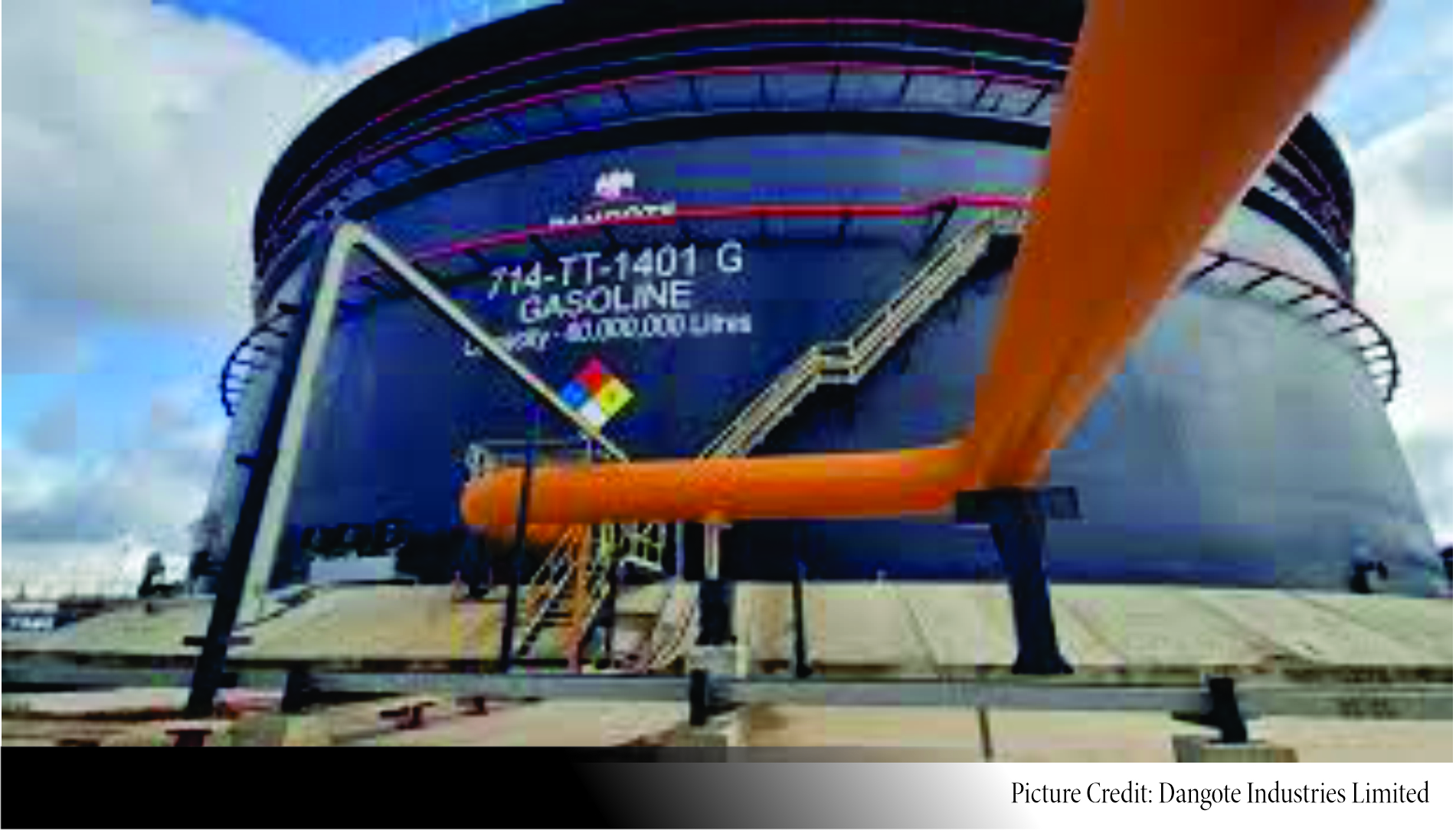
  • Dangote Refinery Achieves 650,000 bpd Capacity, Becomes World’s Largest

    Dangote Refinery Achieves 650,000 bpd Capacity, Becomes World’s Largest

    LAGOS, NIGERIA: The Dangote Refinery has announced a major milestone in Nigeria’s quest for energy security, confirming that it has reached full operational capacity of 650,000 barrels per day (bpd). With this achievement, the Lagos-based facility is now recognised as the world’s largest oil refinery.

    In a statement released Wednesday, July 11, 2026, the company said the milestone was attained after the refinery successfully scaled up to full operations.

    The Dangote Refinery, conceived in 2013 by Nigerian industrialist Aliko Dangote with initial financing of $3.3 billion, was designed to reduce Nigeria’s dependence on imported petroleum products. Construction began in 2016 at the Lekki Free Trade Zone near Lagos, with total investment eventually exceeding $19 billion.

    Built as the world’s largest single-train refinery, the project faced years of delays due to financing challenges, equipment logistics, and regulatory hurdles. In 2021, the Nigerian National Petroleum Company (NNPC) acquired a 20% stake to secure crude supply agreements. By December 2023, the refinery received its first crude shipment, and in May 2023 it was officially inaugurated. Operations commenced in early 2024, marking a turning point in Nigeria’s energy sector.

    With its current capacity, the refinery is expected to meet Nigeria’s domestic fuel demand and export surplus products, positioning the country as a key player in global energy markets.

    PICTURE CREDIT: Dangote Industries Limited

  • AU 48th Ordinary Session Calls for Unity, Sustainable Water Management, and Accelerated Continental Integration

    AU 48th Ordinary Session Calls for Unity, Sustainable Water Management, and Accelerated Continental Integration

    ADDIS ABABA, ETHIOPIA: The African Union Executive Council has opened its 48th Ordinary Session in Addis Ababa with a strong call for unity among member states, sustainable water management, and accelerated continental integration. The meeting comes against the backdrop of political instability and leadership changes across several African countries, as well as renewed debates over regional power blocs.

    The two-day session, which began Wednesday at the AU headquarters, is being held under the Union’s 2026 theme: “Assuring Sustainable Water Availability and Safe Sanitation Systems to Achieve the Goals of Agenda 2063.” The theme reflects growing concerns over water security, particularly disputes along the River Nile, where Ethiopia’s recent inauguration of a major hydropower dam has raised tensions with downstream nations such as Egypt.

    AU Commission Chairperson H.E. Mahmoud Ali Youssouf underscored the importance of water as a collective resource, urging member states to view it as a tool for peace and cooperation amid climate change. He also expressed concern over political instability, unconstitutional changes of government, and persistent security threats in the Sahel and Horn of Africa, noting both progress and setbacks in countries such as Gabon, Guinea, Madagascar, and Guinea-Bissau.

    On continental integration, Youssouf highlighted the African Continental Free Trade Area (AfCFTA) as a cornerstone for economic transformation. He called for innovative financing mechanisms and greater involvement of specialized agencies, the private sector, civil society, and philanthropic foundations. “More than ever, the continent needs to capitalize on its instruments to boost the momentum of development and integration, reflecting on innovative sources of financing and involving all actors, however marginal they may seem,” he said.

    According to the Council, the 48th Ordinary Session reaffirms the AU’s commitment to strengthening governance, advancing peace and security, and accelerating the implementation of Africa’s shared development agenda under Agenda 2063.

  • South Sudan capital under heavy gunfire

    South Sudan capital under heavy gunfire

    H

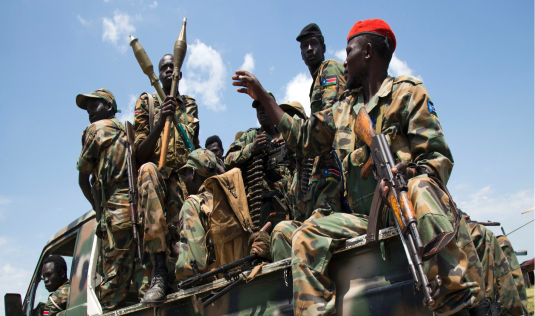
    eavy gunfire erupted in South Sudan’s capital Juba on Thursday evening after security forces moved to arrest the former head of the intelligence service, according to Reuters reporters and an alert sent to United Nations staff.

    The gunfire began around 7 p.m. local time (1700 GMT) and continued sporadically for more than an hour before dying down, Reuters reporters said.

    A U.N. safety alert to staff members in Juba, seen by Reuters, said the shooting was related to the arrest of the former head of the National Security Service (NSS). It urged U.N. staff to shelter in place.

    In early October, President Salva Kiir dismissed Akol Koor Kuc, who had led the NSS since the country’s independence from Sudan in 2011, and appointed a close ally to replace him.

    Army spokesperson Major General Lul Ruai Koang said Akol Kuur had not been arrested and had stayed in his house throughout the shooting. Koang said he would address reporters later on Friday after a meeting with other security officials.

    Analysts said the sacking of Akol Koor reflected a power struggle at the highest levels of government. It came weeks after the transitional government that Kiir leads announced that elections expected in December would be postponed for a second time.

    Rival factions loyal to Kiir and First Vice President Riek Machar fought a civil war from 2013 to 2018 that resulted in hundreds of thousands of deaths.

    The two have governed together since then as part of a transitional government. There has been relative peace, but the opposing forces clash periodically in addition to frequent fighting among a patchwork of armed groups in rural areas.

    –Reuters

  • BIAFRA: Simon Ekpa’s Extradition Almost Impossible —Vince Onyekwelu

    BIAFRA: Simon Ekpa’s Extradition Almost Impossible —Vince Onyekwelu

    A

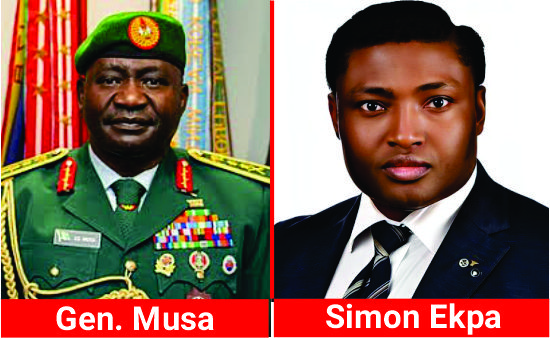
    former British Police Officer and National Security Risk Strategist has cautioned Nigeria not to be optimistic about the extradition of Simon Ekpa. This follows the raging media storm over his arrest by the Finish authorities, with the Nigeria military pushing for his extradition to face yet-to-be-calibrated criminal charges.

    Speaking on Arise News, on Friday, monitored by New Post Africa, Onyekwelu said he is not convinced that the extradition will happen soon because there is no treaty between Nigeria and the Scandinavian country in that aspect.

    “Professionally speaking, the Finnish Authorities have done their due diligence and they have every reasonable ground to arrest Mr Simon Ekpa,” he said.

    On what we determine if his extradition will happen or not, he opined that the matter is “now left for the court in Finland to now look into the request by the Chief of Defence Staff to extradite Simon Ekpa to Nigeria. Professionally speaking, the chances are possible to extradite Simon Ekpa. However, in my opinion, it is almost, almost impossible,” he reiterated.

    Further assessing the complexity of the situation, he stated that the case will go through the European Union Criminal Justice system. Because Ekpa is a citizen of the EU and will defend himself and the reason he is fighting for self-determination for Biafra.

    The security expert also accessed the human rights records of Nigeria, describing it as “nothing to boast about,” and cited instances of several alleged human rights abuses in the country and the latest alleged abuse of a couple by officers of the Nigeria military in the Nigeria’s capital, Abuja. All of which he said can weaken Ekpa’s extradition request.

    The man, Simon Ekpa, born on March 21, 1985, is a member of the ruling National Coalition Party of Finland. Since 2022, he and his Biafran Republic Government in Exile, which he serves as its Prime Minister, have actively propagated the restoration of the Biafran Republic from his base in Finland.

    In the last two years, following the arrest of Mazi Nnamdi Kanu, the leader of the Indigenous People of Biafra (IPOB) in Kenya and his detention at the Nigeria spy police facility in Abuja, Ekpa has taken the centre stage of the Biafran movement. Unlike Kanu, his approach to the struggle has been offensive. His sit at home orders has been of great concern to the authorities, who accused him of creating insecurity and destabilising the southeast region, which he denies.

  • 40 Killed In Sudan War Between Government and RSF Forces

    40 Killed In Sudan War Between Government and RSF Forces

    The latest killing is a reminder that the conflict in Sudan is far from over and a need for an urgent peaceful resolution.

    A suspected attack by the Rapid Support Forces (RSF), a Sudanese paramilitary force, has reportedly left 40 people dead, a medic told AFP from a central Sudan village.

    “All 40 people suffered direct gunshot wounds,” the medic from Wad Rawah Hospital, north of Wad Oshaib village in Al-Jazira State, who requested anonymity over safety concerns, said.

    “The attack resumed this morning,” one eyewitness told AFP by phone on Wednesday, adding that fighters were “looting property.

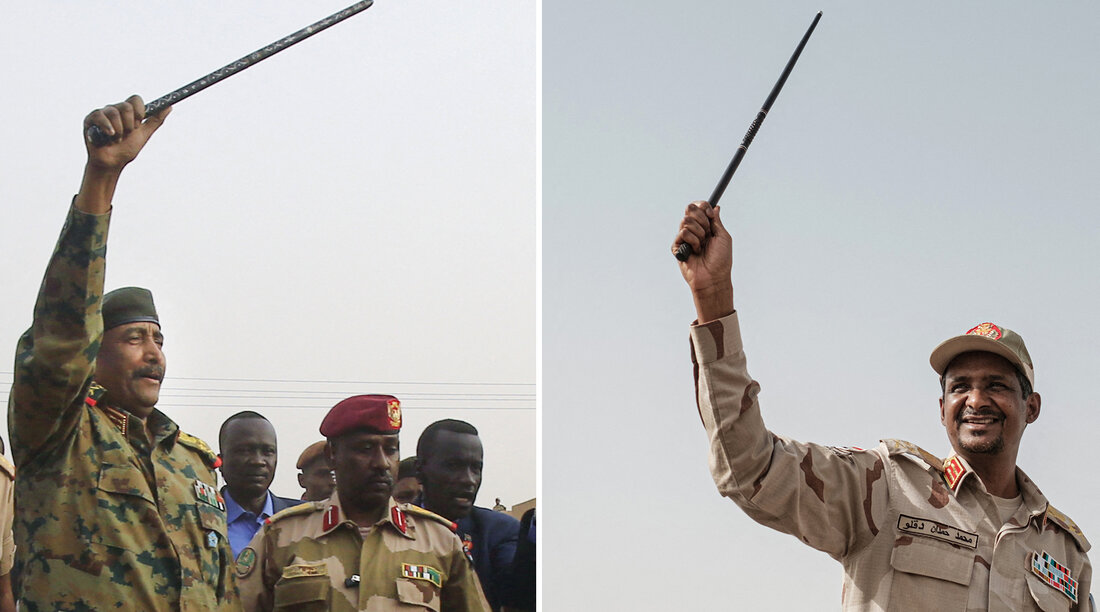
    The conflict between the Rapid Support Forces (RSF) and the Sudanese army stems from a power struggle that began in April 2023. The RSF, led by General Mohamed Hamdan Dagalo (also known as Hemedti), and the Sudanese army, led by General Abdel Fattah al-Burhan, have been vying for control over the country’s major institutions1.

    The fighting is primarily about control over the country’s political and military institutions, with both sides accusing each other of initiating the conflict.

    The conflict has caused a dire humanitarian crisis, with thousands of civilians killed and millions displaced. Hospitals and other critical infrastructure have been targeted, exacerbating the suffering of the people of Sudan.

    The international community, including the United States, has condemned the violence and called for a ceasefire. Efforts to mediate peace talks are ongoing, but the situation remains volatile and unpredictable.

  • Somaliland opposition leader Cirro wins in presidential election, beating incumbent

    Somaliland opposition leader Cirro wins in presidential election, beating incumbent

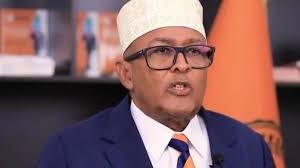
    Reuters—Somaliland opposition leader Abdirahman Cirro defeated incumbent president Muse Bihi Abdi in last week’s election, the electoral commission said on Tuesday, setting up a handover of power as the breakaway Somali region pushes for global recognition.

    Somaliland has had de facto self-rule since declaring independence from Somalia in 1991, but has not been recognised by any country, restricting access to international finance and the ability of its six million people to travel.

    Cirro, leader of the opposition Waddani party, won 64% of the vote against Bihi’s 35%, said Musa Hassan, chairman of the Somaliland Electoral Commission.

    “This election is not a win or loss for the candidates. It was an election of unity and fraternity and pushing ahead the Somaliland nation,” Cirro said in a televised address on Tuesday.

    Occupying a strategic location at the juncture of the Indian Ocean and Red Sea, Somaliland sees international recognition as being within reach after signing a preliminary deal with landlocked Ethiopia in January that would grant Addis Ababa a strip of land on its coast in exchange for recognition.

    Somaliland is also hopeful that the incoming U.S. administration of President-elect Donald Trump will be favourable to its cause. Several leading Africa policy officials from Trump’s first term have voiced support for its recognition.

    The breakaway region has enjoyed a comparative period of peace since achieving autonomy three decades ago, just as Somalia plunged into a civil war from which it has yet to emerge.

    While Cirro has signalled broad support for the proposed pact with Ethiopia, his commitment to implementing it is not clear. Some analysts suspect he could be more open to dialogue with Somalia’s government, which opposes the agreement.

    The deal has soured Somalia’s relations with Ethiopia, a major contributor towards a peacekeeping force in Somalia fighting Islamist militants, and drawn Somalia’s government closer to Ethiopia’s historic rivals, Egypt and Eritrea.

    The presidents of Somalia and neighbouring Djibouti, whose relations with Somaliland were also strained under Bihi, congratulated Cirro on his win.

    Ethiopia’s foreign ministry also sent a congratulatory message to Cirro.

    “Congratulations to the newly elected President of Somaliland… and to the brotherly people of Somaliland for their political maturity,” Djibouti’s president, Ismail Omar Guelleh, wrote on X.

    In his message, Somali President Hassan Sheikh Mohamud committed to ongoing reconciliation talks, which he said were focused on preserving the unity of Somalia.

    “While I think there are concerns that (Cirro) may opt for a radical departure from his predecessor, jettison the MOU (deal with Ethiopia), embrace dialogue with Somalia, there’s a big difference between campaigning and governing,” said Matt Bryden, a strategic adviser with the Sahan think tank.

    Cirro’s victory could also signal closer ties with China, a major investor in the Horn of Africa.

    According to Somali media reports, Cirro has in the past questioned the value of Somaliland’s ties with Taiwan, which China sees as part of its territory, in its quest for recognition.

  • Major Ugandan Opposition Politician Kidnapped In Kenya

    Major Ugandan Opposition Politician Kidnapped In Kenya

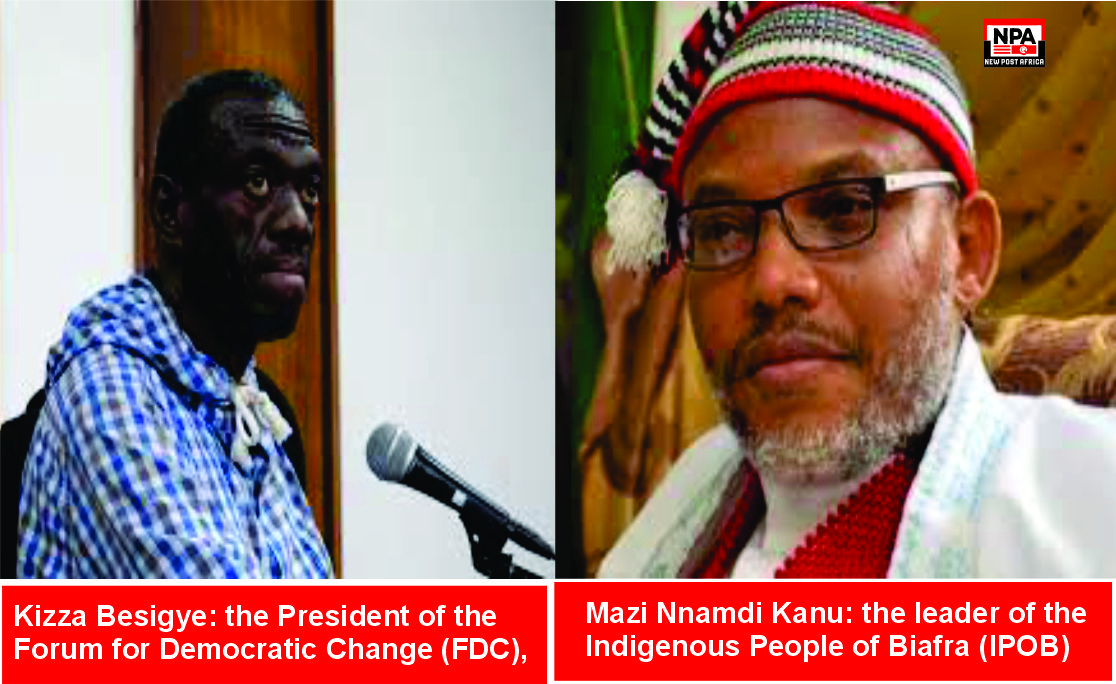
    His kidnap follows the same pattern as that of Mazi Nnamdi Kanu, the leader of the Indigenous People of Biafra (IPOB), controversially arrested in Kenya and brought back to Nigeria in June 2021. Allegations of illegal detention and torture surrounded his arrest and subsequent extradition.

    Winnie Byanyima, the wife of Kizza Besigye, a prominent Ugandan opposition politician, has raised an alarm over his kidnap in Kenya over the weekend and transfer to a military detention centre in Kampala, the Ugandan capital. According to her, the kidnap happened after the politician participated in a book engagement in the east African country.

    While calling for her husband’s release, she said: “I request the (government) of Uganda to release my husband Dr Kizza Besigye from where he is being held immediately. I am now reliably informed that he is in a military jail in Kampala. We his family and his lawyers demand to see him. He is not a soldier. Why is he being held in a military jail?”

    In response to a request by Reuters, the Ugandan military and police denied knowing the whereabouts of the politician, who contested against Ugandan President Yoweri Museveni in four consecutive elections and lost in all.

    Kizza Besigye is a prominent Ugandan opposition politician and physician. He was born on April 22, 1956, in Rukungiri, Uganda. He served as the personal physician to President Yoweri Museveni during Uganda’s guerrilla war, but later became a vocal critic and political opponent of Museveni, after they fell apart.

    He contested the Ugandan presidency in 2001, 2006, 2011, and 2016), and accused the government of denying him victory. 

    The president of the Forum for Democratic Change (FDC), a Human Rights Activist, has been arrested and detained several times over the years.

    His kidnap in Kenya follows the same pattern as that of Mazi Nnamdi Kanu, the leader of the Indigenous People of Biafra (IPOB), who was also controversially arrested in Kenya and brought back to Nigeria in June 2021. Allegations of illegal detention and torture have surrounded his arrest and subsequent extradition.

    Kanu was reportedly detained in Kenya for eight days under harsh conditions before being handed over to Nigerian authorities.

    The Nigerian government has faced criticism for the manner in which Kanu was extradited, with claims that it violated international laws and due process. Despite these controversies, Kanu remains in detention in Nigeria, facing charges related to terrorism and treason.

  • Seven NSCDC Officers Missing After Boko Haram Ambush

    Seven NSCDC Officers Missing After Boko Haram Ambush

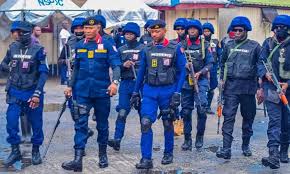
    Seven officers of the Nigeria Security and Civil Defence Corps (NSCDC), a paramilitary agency in the country that protects lives and property, and safeguards critical national infrastructure, have been declared missing following an attack by suspected Boko Haram militants.

    In a statement, NSCDC spokesperson, DCC Afolabi Babawale, said the attack on the officers happened on Monday in the Farin-Kasa area of Chukun Local Government Area, Kaduna State when the operatives were inspecting the National Grid installation from Shiroro in Niger State. He further explained that, due to the recent increase in attacks on power lines that have plunged the country into darkness, the nine officers and 71 others who were ambushed had been deployed to police the power infrastructure in the area.  

    He also disclosed that “as they patrolled vulnerable areas, the officers “encountered stranded expatriates near Dagwachi Village and allowed them to join the convoy for safety. Unbeknownst to the team, over 200 armed Boko Haram militants had laid a deadly ambush from a hilltop, ready to unleash a torrent of gunfire on the unsuspecting convoy.”

    “Determined and resourceful, the NSCDC operatives fought back valiantly, managing to neutralise over 50 insurgents during the exchange. However, the chaos left seven officers unaccounted for, prompting an urgent search in the bush for their whereabouts. Those who sustained injuries are currently receiving medical treatment.”

    The NSCDC Commandant-General, Ahmed Audi, who praised his men for their gallantry and service to the nation, described that attack as cowardly against personnel committed to the nation’s defence and protection of critical national infrastructures.

    Recall that reports of suspected Boko Haram militants allegedly occupying a swathe of territory and making an incursion into a military training ground in Niger State, which was denied by the Nigeria Military, made rounds in the media recently. This recent attack by the Islamic militant group, officially known as Jamā’at Ahl as-Sunnah lid-Da’wah wa’l-Jihād, adds to their internationally acclaimed notoriety for its brutal tactics, including mass kidnappings, bombings, and assassinations since 2002. Despite efforts by regional and international forces to combat the group, Boko Haram remains a significant threat in Nigeria and across the Sahel region.