Category: Africa

  • Forget about democracy, not for Burkina Faso — Captain Ibrahim Traoré

    Forget about democracy, not for Burkina Faso — Captain Ibrahim Traoré

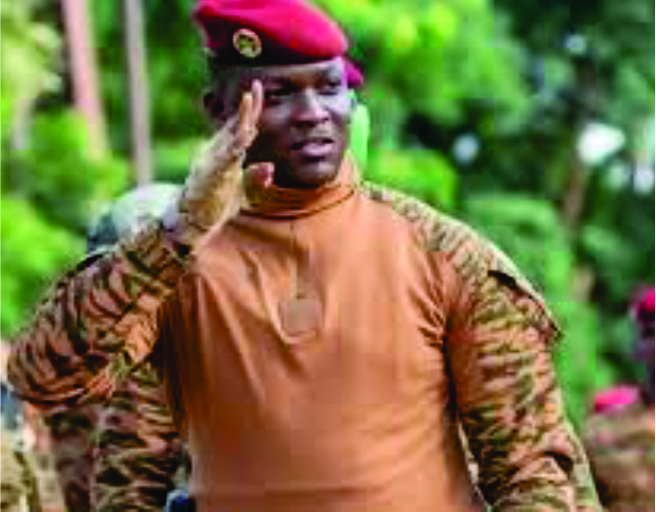
    OGUDAGODOU, 3 April 2026 (NPA) — Captain Ibrahim Traoré, Burkina Faso’s military leader, has ignited global controversy after declaring that “people need to forget about democracy,” insisting Western‑style systems are unsuitable for his country. Speaking in a televised interview on April 2, 2026, Traoré argued that democracy “kills” and cited Libya as an example of failed attempts to impose foreign governance models. 

    His remarks follow actions by his junta, including dissolving the electoral commission in 2025 and suspending all political parties in February 2026, effectively scrapping elections promised for 2024.

    Traoré defended these measures as necessary to safeguard Burkina Faso’s sovereignty and stability, rejecting pressure from the UN, ECOWAS, and Western governments to return to civilian rule. He maintained that the country must pursue governance structures aligned with its own realities rather than imported systems. Analysts say his comments mark a deepening of authoritarian rule, with dissenting voices silenced and political freedoms curtailed. 

    The statement has been trending across Africa and beyond, drawing sharp criticism from rights groups and international observers who warn that abandoning democracy risks worsening repression. Supporters, however, argue that Traoré is prioritising security and national survival in a region plagued by insurgency and foreign interference.

    The controversy underscores the growing divide between military regimes in the Sahel and international institutions, raising questions about the future of governance in West Africa. As of 2026, nine African countries are under military rule: Mali, Burkina Faso, Niger, Guinea, Chad, Sudan, Madagascar, Guinea‑Bissau, and Gabon. These regimes emerged from coups between 2020 and 2025, with West Africa most affected. 

    The takeovers were often justified by claims of insecurity, corruption, or political crises, but they have led to suspended constitutions, delayed elections, and strained relations with ECOWAS and the African Union. This wave of coups has undermined democratic progress, fueled instability, and created economic and security challenges across the continent.
  • South Sudan Crisis: UN experts urge immediate civilian protection amid escalating crisis

    South Sudan Crisis: UN experts urge immediate civilian protection amid escalating crisis

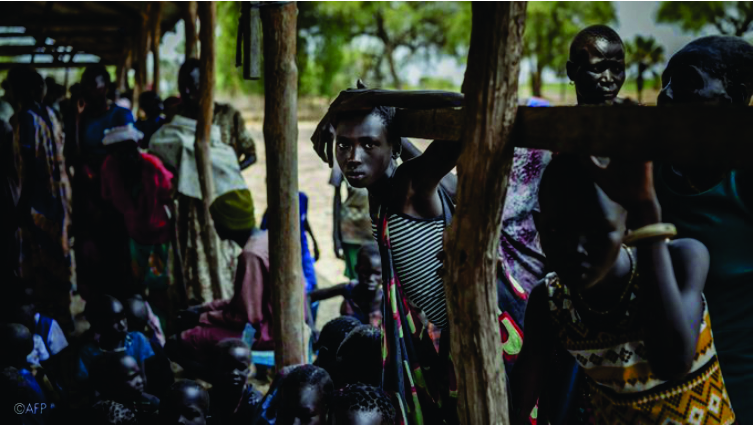
    AFRICA, 3 April 2026 (NPA) — UN experts have warned that South Sudan is sliding into a catastrophic human rights and humanitarian crisis, urging urgent steps to protect civilians, ensure humanitarian access, and enable displaced persons to return safely.

    “South Sudan stands at a critical juncture,” the experts said, calling on all parties to cease hostilities and engage in dialogue.

    Over 267,000 people have been displaced in Jonglei state alone this year, with women and children making up the majority. Evacuation orders in densely populated areas already hosting refugees were described as deeply disturbing, risking further displacement and grave harm.

    The experts voiced alarm at widespread violence, including sexual assaults against women and girls, mass displacement across several states, and indiscriminate attacks on civilians and aid workers. They noted acute food insecurity, lack of shelter, and disrupted education affecting over 300 schools and 300,000 learners.

    Reports of destroyed water sources, looted homes, and attacks on hospitals, schools and places of worship, if verified, would constitute serious violations of international humanitarian law and may amount to war crimes.

    They urged swift international action, warning that millions risk being left without life‑saving assistance. Bureaucratic restrictions and attacks on aid workers were said to be critically undermining relief efforts.

    “The principles of distinction, proportionality and precaution must be respected. Civilians and humanitarian personnel must be protected at all times,” the experts stressed, adding that ending impunity is essential to halt the cycle of violence.

    The experts confirmed they remain in contact with the Government of South Sudan.

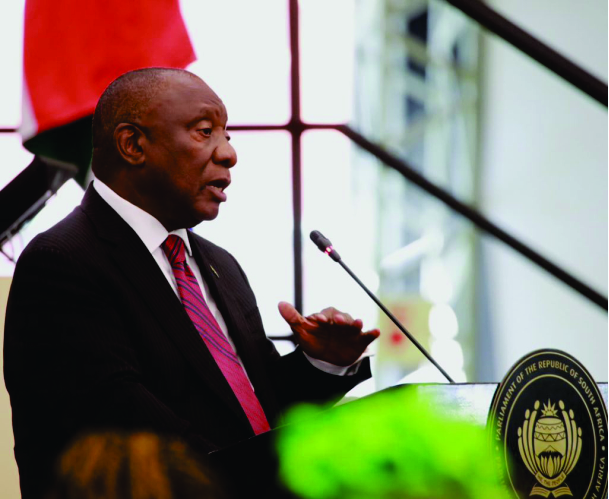
  • Ramaphosa condemns US-Israeli war on Iran, reaffirms South Africa’s sovereignty

    Ramaphosa condemns US-Israeli war on Iran, reaffirms South Africa’s sovereignty

    AFRICA, 3 April 2026 (NPA) — South Africa’s President Cyril Ramaphosa has strongly condemned the ongoing US‑Israeli war against Iran, describing it as “another act of imperialist aggression that has placed the global economy and international security at great risk.” He made the remarks on 29 March during the African National Congress elective conference in Limpopo.

    Ramaphosa’s comments come amid heightened tensions between Pretoria and Washington. Since January 2025, the United States has accused South Africa of committing “white genocide” against Afrikaners — allegations Ramaphosa’s government has dismissed as baseless and unsupported by evidence.

    Relations further soured when the US ambassador to South Africa, Leo Brent Bozell III, criticised a Johannesburg Equality Court ruling that found the anti‑apartheid chant “Kill the Boer, Kill the Farmer” did not constitute hate speech. On 10 March, Pretoria summoned the ambassador, demanding an apology for what it described as an “undiplomatic” attempt to undermine South Africa’s sovereignty.

    In Limpopo, Ramaphosa reiterated South Africa’s independent foreign policy, rejecting external pressure to abandon proceedings against Israel at the International Court of Justice. “South Africa has stood firm in the face of very powerful and vicious global forces working to undermine the sovereignty of other nations,” he said, adding that his country’s stance is rooted in principle.

    He pledged continued support for nations facing US pressure, including Palestine, Cuba and Western Sahara, affirming South Africa’s commitment to self‑determination and Pan‑African solidarity. “We will not be pushed around. Our sovereignty is sacrosanct,” Ramaphosa declared.

  • Ghana and Zimbabwe forge stronger ties with landmark bilateral agreements

    Ghana and Zimbabwe forge stronger ties with landmark bilateral agreements

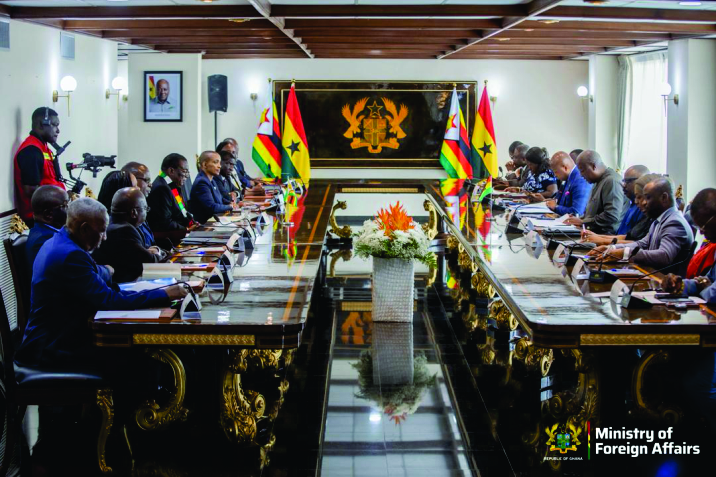
    AFRICA, 3 April 2026 (NPA) — Ghana and Zimbabwe have pledged to elevate their relations following high‑level bilateral talks between President John Dramani Mahama of Ghana and visiting Zimbabwean President Emmerson D. Mnangagwa in Accra on Thursday, 2 April 2026. The meeting formed part of President Mnangagwa’s three‑day State Visit to Ghana.

    The dialogue covered a wide range of issues aimed at strengthening cooperation and delivering tangible benefits to citizens of both nations. Ghana’s Ministry of Foreign Affairs said the talks reaffirmed the historic bond of friendship and underscored the opportunities presented by the African Continental Free Trade Area (AfCFTA). President Mahama emphasised that the AfCFTA provides a platform to boost trade and spur economic growth, adding that Ghana will from 25 May — African Union Day — introduce free e‑visas for all Africans to accelerate continental integration, Pan‑Africanism and tourism.

    President Mnangagwa lauded Ghana’s support during Zimbabwe’s liberation struggle and acknowledged the contribution of Ghanaian personnel in education, health and the judiciary. He paid tribute to Vice President Jane Naana Opoku Agyemang for her role as Chancellor of the Women’s University in Africa, and to the late Ambassador Ebenezer Moses Debrah for his role in establishing Zimbabwe’s Foreign Service. He welcomed the outcome of the Ghana‑Zimbabwe Business Round Table and stressed the importance of private sector collaboration and people‑to‑people exchanges, including a sister‑city initiative between Cape Coast and Victoria Falls.

    The two countries signed eleven Memoranda of Understanding (MoUs) and agreements, covering political and diplomatic consultations, cooperation in sports, health, energy, tourism, archives, and the construction of a Museum of African Liberation. Trade and investment partnerships were also sealed between ZimTrade and the Ghana Export Promotion Authority, as well as between Geo‑Pomona Waste Management Private Limited and Ghana’s Jospong Group of Companies.

    In their closing remarks, Presidents Mahama and Mnangagwa reaffirmed their commitment to work together at bilateral and multilateral levels to strengthen the bonds of friendship and broaden cooperation across diverse sectors.

  • Afreximbank pushes digital integration at African Finance Ministers’ Conference

    Afreximbank pushes digital integration at African Finance Ministers’ Conference

    TANGIER, MOROCCO, 2 April 2026 (NPA) — The African Export-Import Bank (Afreximbank) this week joined African leaders at the 58th Session of the Economic Commission for Africa and Conference of African Ministers of Finance, Planning and Economic Development in Tangier, Morocco, advancing solutions to scale Africa’s digital and innovation economy.

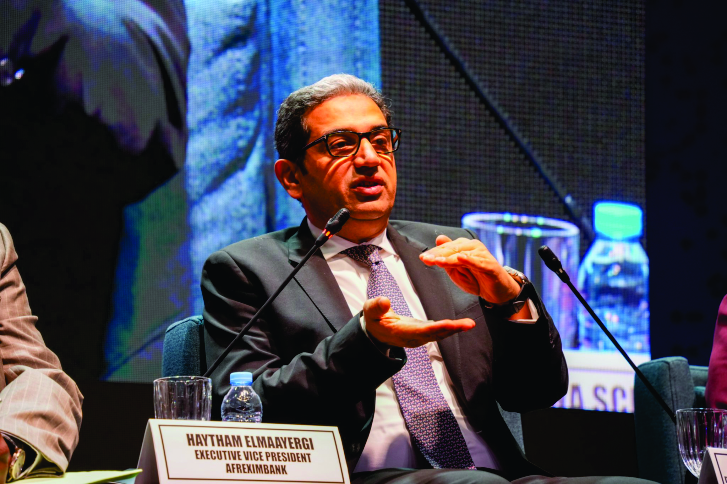
    Speaking during a panel on “Financing Africa’s Digital and Innovation Economy,” Afreximbank Executive Vice President, Global Trade Bank, Mr. Haytham ElMaayergi, stressed that Africa’s challenge is not the absence of capital, but how that capital is structured and deployed.

    He underscored the need to move from fragmented efforts to integrated digital systems, positioning digital public infrastructure — including broadband, data systems, digital identity and payments — as foundational to economic growth.

    Afreximbank is driving this agenda through platforms such as the Africa Trade Gateway and PAPSS, which enable seamless cross‑border trade, reduce transaction costs, and strengthen connectivity across African markets.

    The priority now, ElMaayergi said, is to scale these systems, mobilise institutional capital, and build fully integrated digital markets that support trade, innovation and long‑term transformation across the continent.

  • South Africa welcomes Chinese investment to boost economic development

    South Africa welcomes Chinese investment to boost economic development

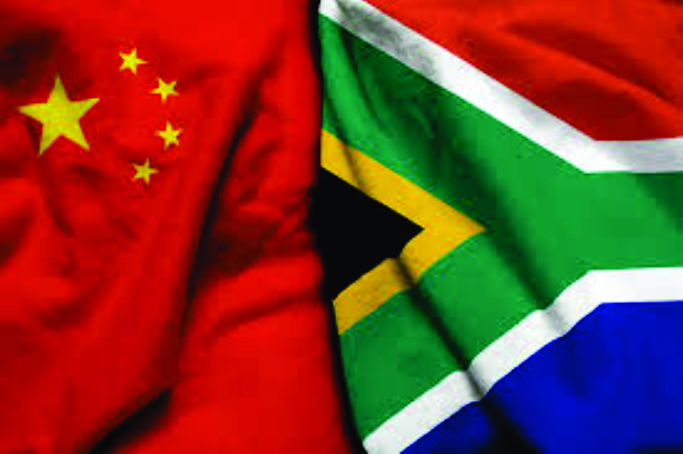
    AFRICA, 2 April 2026 (Agency Report) — South Africa has welcomed fresh investment pledges from Chinese firms, with Trade, Industry and Competition Minister Parks Tau highlighting the potential to strengthen economic ties and drive industrialisation.

    Speaking to the media during the sixth South African Investment Conference (SAIC) at the Sandton Convention Centre in Johannesburg on Tuesday, Tau said the country anticipates “stronger investment ties with China.” He noted that Chinese investment would support South Africa’s industrialisation agenda and contribute significantly to economic growth.

    The minister confirmed that South Africa is working with China to finalise early harvest arrangements under the Framework Agreement on Economic Partnership for Shared Development. He also praised China’s decision to grant zero-tariff treatment to 53 African countries from 1 May, describing duty-free and quota-free access to the Chinese market as “a great opportunity” for South African products.

    Since its launch in 2018, SAIC has served as a key platform for attracting domestic and foreign investment, promoting industrial development and supporting economic growth. President Cyril Ramaphosa told delegates that the conference provides an opportunity to showcase South Africa’s investment potential and connect investors with concrete projects.

    This year’s edition drew more than 1,000 delegates from over 50 countries and regions, underscoring the country’s ambition to deepen cooperation and expand investment partnerships.

  • Amina Mohammed brings UN Women leaders together to champion equality and multilateralism

    Amina Mohammed brings UN Women leaders together to champion equality and multilateralism

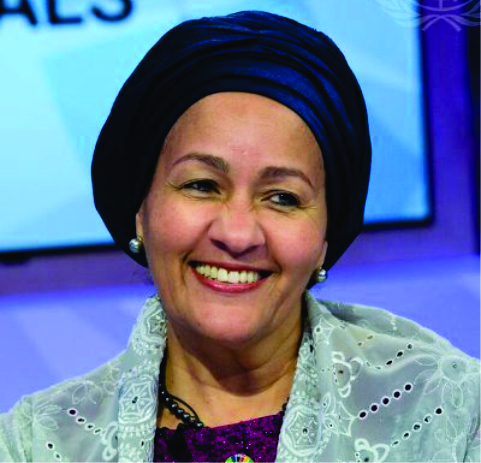
    INTERNATIONAL, 2 April 2026 (NPA) — United Nations Deputy Secretary-General Amina J. Mohammed has united senior women leaders in a powerful call to defend multilateralism and advance gender equality at a time of mounting global challenges.

    The meeting, now in its fifth year, reaffirmed the UN’s commitment to women’s rights, the Sustainable Development Goals and the principles of the UN Charter. Convened against a backdrop of economic volatility, rising inequality and growing pressure on hard-won freedoms, participants stressed that gender equality is not only a human rights imperative but also the foundation of sustainable development, peace and inclusive prosperity.

    Women leaders underscored the decisive role of female leadership in building fairer, more peaceful societies. They identified the urgent removal of systemic barriers across political, economic and social spheres as a critical priority. With first-hand experience of today’s intersecting crises, the leaders focused on practical policies and solutions to address the world’s most pressing challenges.

    Discussions ranged from the 2030 Agenda for Sustainable Development to artificial intelligence, philanthropy, financing human dignity and the state of multilateralism. The gathering also featured meaningful engagement with youth, whose perspectives highlighted the importance of intergenerational collaboration.

    The event concluded with a unified call to action: protect multilateralism, increase investment, and elevate women’s leadership to the highest levels of decision-making.

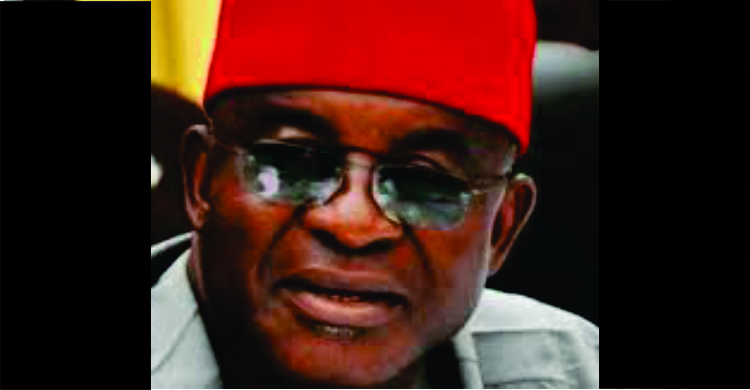
  • INEC deletes Senator David Mark and others from its portal as ADC leaders, awaits court ruling

    INEC deletes Senator David Mark and others from its portal as ADC leaders, awaits court ruling

    ABUJA, NIGERIA, 01 April 2026 (NPA) — The Independent National Electoral Commission (INEC) has reaffirmed its commitment to neutrality and strict compliance with judicial directives in the ongoing leadership tussle within the African Democratic Congress (ADC).

    In a statement signed by National Commissioner Mohammed Kudu Haruna, Chairman of the Information and Voter Education Committee, INEC addressed the Court of Appeal’s ruling in Appeal No. CA/ABJ/145/2026 between Senator David Mark and Hon. Nafiu Bala Gombe. The Commission noted that it had received conflicting letters from legal representatives of both parties, each demanding recognition of their client as the rightful leader of the ADC.

    The Court of Appeal, in its judgment delivered on 12 March 2026, dismissed Senator Mark’s interlocutory appeal and ordered all parties to maintain the status quo ante bellum pending the determination of the substantive suit before the Federal High Court. The court also directed an accelerated hearing of the case and warned against actions that could prejudice proceedings.

    INEC explained that the ADC’s National Working Committee, led by Senator Mark, was uploaded to its portal in September 2025, shortly after the suit was filed. However, in compliance with the appellate court’s preservatory orders, the Commission has resolved to remove those names and refrain from recognising or engaging with either faction until the Federal High Court delivers its judgment.

    The Commission further stated it will not monitor or acknowledge any meetings, congresses, or conventions convened by the party during the pendency of the case, stressing that doing so could undermine judicial processes.

    INEC concluded by urging political parties and stakeholders to act responsibly and avoid jeopardising preparations for the 2027 General Election, reiterating its unwavering commitment to impartiality and respect for the rule of law.

  • South Africa slashes fuel levy to ease price rise on citizens

    South Africa slashes fuel levy to ease price rise on citizens

    AFRICA, 01 April 2026 (NPA) — In a decisive move to shield South Africans from surging global energy costs, the National Treasury and the Department of Petroleum and Mineral Resources (DMPR) have announced a temporary R3 cut to the general fuel levy.

    Effective immediately, the levy on petrol drops from R4.10 to R1.10 per litre, while diesel falls from R3.93 to R0.93. Officials say the measure will provide motorists with urgent relief while safeguarding the stability of the country’s fuel supply system.

    The Finance Minister emphasised that the decision balances consumer welfare, particularly food and transport inflation, with fiscal objectives. The one‑month reduction is expected to cost R6 billion in foregone revenue and will be reviewed monthly for the next two months.

    Without the cut, April’s fuel price hikes would have been steeper: petrol up R3.06 per litre, diesel rising more than R7, and paraffin climbing by over R11 wholesale. The DMPR stressed that paraffin pricing excludes levies and taxes, a deliberate policy to protect low‑income households.

    Authorities assured the public that national fuel stocks remain sufficient, with reported shortages linked to localised panic buying and logistical bottlenecks. Citizens are urged to avoid unnecessary stockpiling and purchase responsibly to prevent further strain on distribution networks.

    The government reiterated its commitment to protecting vulnerable households, promising further targeted measures to cushion the poor from high energy costs. Officials added that work is underway on a broader package of interventions to support households and key sectors of the economy, with details to be announced soon.

  • AU’s Africa Urban Forum 2 to convene in Nairobi to advance housing and Agenda 2063

    AU’s Africa Urban Forum 2 to convene in Nairobi to advance housing and Agenda 2063

    AFRICA, 01 April 2026 (NPA) — Under the theme “Adequate Housing for All: Advancing Socio-economic and Environmental Transformation towards the Realisation of Agenda 2063,” the Africa Urban Forum (AUF) will take place from 8–10 April 2026 in Nairobi, Kenya.

    The AUF is a continental platform established by the African Union to foster dialogue and coordination on sustainable urbanisation and human settlements. It brings together political leaders, policymakers, local and regional governments, development partners, the private sector, academia, civil society, and other stakeholders to address Africa’s urban challenges and opportunities.

    The African Union Specialised Technical Committee on Public Service, Local Governments, Urban Development and Decentralisation (AU-STC No. 8), at its Fourth Ordinary Session in Cairo in August 2022, resolved to establish the AUF as a dedicated platform for advancing Africa’s urban agenda.

    The Forum provides space for shaping a shared urban vision, promoting policy coherence, and strengthening institutional collaboration among Member States. It enables the exchange of knowledge, experiences, best practices, and innovations that support sustainable urban development across the continent.

    Anchored within the mandate of AU-STC No. 8, the AUF aligns with continental and global frameworks, including Agenda 2063: The Africa We Want, the Sustainable Development Goals, and the New Urban Agenda. Through this platform, African countries consolidate positions on key urban issues and articulate common perspectives in global policy processes.

    The inaugural Africa Urban Forum (AUF1) was held in Addis Ababa, Ethiopia, from 4–6 September 2024. The upcoming AUF2 in Nairobi builds on those outcomes, aiming to strengthen dialogue and coordination on Africa’s urban development priorities while advancing housing and socio-economic transformation across the continent.