

AHF Nigeria calls for end to menstrual stigma, improved access to sanitary products
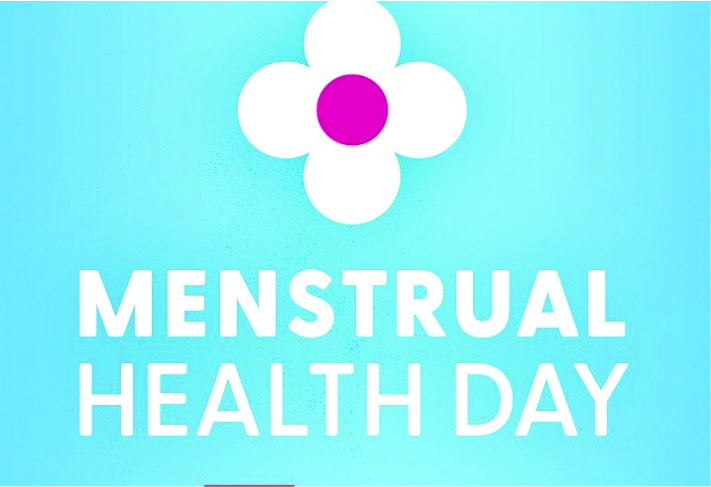
ABUJA, Nigeria (NPA) — The AIDS Healthcare Foundation (AHF) Nigeria has called for an end to menstrual stigma and increased access to affordable sanitary products and safe menstrual hygiene facilities across the country.
The call was made by the Senior Advocacy and Marketing Manager for AHF Nigeria, Steve Aborisade, in a statement issued on Friday ahead of the commemoration of World Menstrual Health Day 2026.
According to Aborisade, the initiative aims to reduce the stigma surrounding menstruation while promoting access to safe, clean facilities and affordable sanitary products for girls and women.

He disclosed that the programme, scheduled to hold in Keffi, Nasarawa State, would bring together about 150 students from four schools, government officials, and health partners to promote menstrual hygiene management and strengthen awareness on HIV and sexually transmitted infections (STIs) prevention.
The event is also expected to host officials from the Nasarawa State Ministries of Women Affairs and Education, alongside the state’s Gender-Based Violence focal person.
AHF Nigeria stressed that protecting menstrual health remains critical to safeguarding public health and reducing vulnerability to HIV and other sexually transmitted infections.
“Across Africa, too many women and girls still lack access to basic menstrual products and safe facilities, forcing them to miss school, risk their health, or turn to unsafe coping strategies,” AHF Africa Bureau Chief, Martin Matabishi, stated.
“Menstrual health is not a luxury — it is a fundamental part of public health and HIV/STI prevention,” he added.
According to the organisation, the Keffi programme will feature discussions led by menstrual health experts focusing on product accessibility and the stigma associated with menstruation in many Nigerian communities.
AHF said boys would also be engaged as allies in promoting menstrual health awareness and support.
The organisation further revealed that each of the 150 participants expected at the programme would receive a two-month supply of sanitary towels and other incentives to support healthier menstrual experiences.
AHF Nigeria Country Programme Director, Dr Echey Ijezie, highlighted the global scale of period poverty, noting that nearly two billion people menstruate worldwide, with about 500 million facing challenges accessing menstrual products and facilities.
He warned that such conditions could expose vulnerable girls and women to exploitative relationships, reduce their ability to negotiate safer sex, and increase the risk of HIV and other sexually transmitted infections.
Ijezie commended countries that have removed or reduced taxes on menstrual products and urged Nigeria to adopt similar policies to improve universal access.
The organisation also noted that stigma and cultural taboos surrounding menstruation continue to limit access to accurate sexual and reproductive health information and discourage many from seeking healthcare support.
AHF emphasised that efforts to improve menstrual health must go hand in hand with expanding HIV prevention, testing, and treatment services.
The foundation added that its Girls Act empowerment programme currently operates in Abuja and Makurdi, Benue State, with plans to expand to Akwa Ibom and Nasarawa States this year.
“Governments must remove taxes, invest in access, and break the silence around menstruation to protect health, dignity, and opportunity for all,” Matabishi said.

Ohaukwu LG Chairman Ituma breaks ground for modern diagnostic centre, blood bank
Lagos Government urges residents to prioritise mental health, check on others
Ohaukwu LG Chairman applauds Nwifuru over free health screening, surgery
Uganda vaccinates more than 8.2 million children in Measles-Rubella Campaign

NCDC heightens vigilance after imported Ebola case confirmed in Kenya
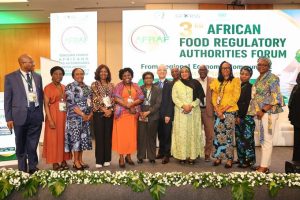
NAFDAC DG advocates stronger continental cooperation on food safety
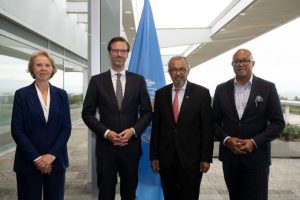
WHO, Netherlands strengthen partnership on Ebola, global health security and emergency response
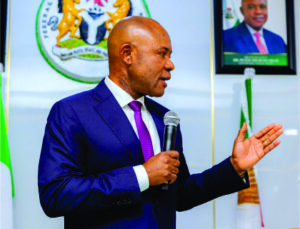
ESUTH gets N500m surgical upgrade as Mbah pushes for top-tier medical excellence
- Tinubu commissions NRS Headquarters, says new tax reforms will drive prosperity
- Tinubu assures investors of regulatory stability as Ogun, DP World sign $7bn port, SEZ MoUs
- Climate change anxiety is rising — and so is the willingness to act on it
- Ohaukwu LG Chairman Ituma breaks ground for modern diagnostic centre, blood bank
- Baseball boosts TBS, NFL gives ESPN a kick and streamers love ‘Squid’
Community Discussion