

Eritrea expands outreach vaccination programme to reach remote, nomadic communities
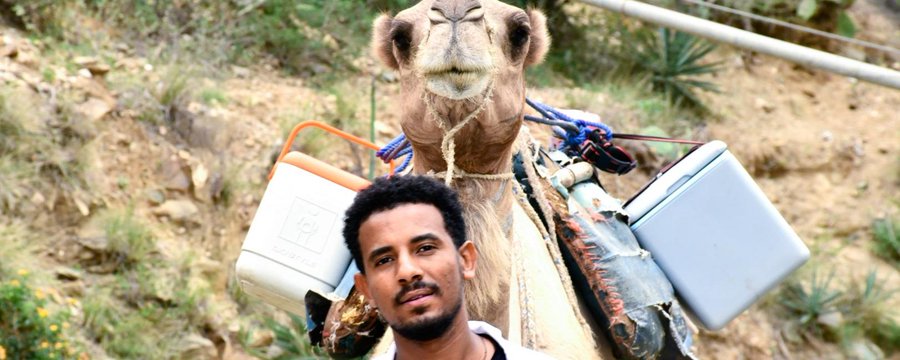
ASMARA, Eritrea (NPA) — World Health Organization has highlighted Eritrea’s expanding immunization outreach programme targeting hard-to-reach and nomadic communities in the country’s mountainous central region, where geographic isolation and seasonal migration have historically limited access to healthcare services.
According to the WHO, Eritrea’s nomadic populations, particularly women and children, face heightened health risks including maternal mortality and immunization gaps due to mobility challenges, difficult terrain and cultural barriers.
A 2020 Expanded Programme on Immunization assessment found that 18 of Eritrea’s 58 sub-regions faced significant physical barriers to vaccine access, including rocky and mountainous landscapes that complicated healthcare delivery.

In response, Eritrean health authorities, with support from WHO, UNICEF, civil society groups and local health management teams, developed a nationwide strategy to improve routine immunization coverage among children under two years old, girls aged nine and women of childbearing age.
The initiative involves the deployment of about 90 vaccinators and more than 200 community workers and supervisors operating alongside Eritrea’s “barefoot doctors” — frontline health workers serving remote rural communities.
The barefoot doctor model, which originated in China in the 1960s, was adapted by Eritrea during and after the Eritrean War of Independence to provide basic medical and preventive healthcare services in underserved communities.
“Our barefoot doctors make house calls to educate families about our vaccination efforts. They also escort children who have missed their appointments to health stations or guide our team to those in need,” said Milkias Negash.
Health authorities say the outreach efforts have significantly improved immunization coverage nationwide, including in remote communities.
According to official country data cited by WHO, Eritrea recorded vaccination coverage rates of 95 percent and 97 percent for all 13 antigens recommended for routine childhood immunization among children under 12 months and those aged between 24 and 35 months at the end of 2024 and 2025 respectively.
The programme has also expanded access to maternal healthcare services, with 95 percent of caregivers reportedly receiving health education while a similar percentage of pregnant women and women of childbearing age received tetanus-diphtheria vaccinations.
“The government’s programme shields our children from disease. They are healthier now, and for that we are grateful,” said Amna Omar Mohammed.
Tedros Yehdego attributed the progress to strong government commitment and international support.
“We also have partners in our country that are closely working with us, that is WHO and UNICEF. As a result of this joint work, the immunization coverage has increased at this time,” Yehdego said.
Gavi, the Vaccine Alliance currently finances the annual vaccine costs for 12 vaccines procured through UNICEF’s supply division, while WHO funded operational costs for four rounds of intensified routine immunization campaigns in 2024 and 2025 through support from Gavi and the United Nations Central Emergency Relief Fund.
WHO said its support also included technical assistance, development of outreach management protocols, planning tools, field guides, supervisory checklists and monitoring systems distributed across all regions of the country.
“Every two months, we organize outreach activities to serve seven remote villages,” said Saidia Ibrahim Suleman.
“While four of these can be accessed by vehicle, albeit with difficulty, the remaining three are only reachable on foot or by camel. Despite these challenges, we are ensuring that no child is left behind,” Suleman added.
Healthcare workers involved in the programme say the initiative has also improved morale among frontline staff.
“There’s no greater joy than knowing every child is protected,” said Daniel Haile. “Our ultimate goal is to ensure each child receives their vaccines, overcoming any obstacle in our path.”
Ghana, UK review bilateral ties ahead of Mahama’s official visit
Nigeria, Ethiopia deepen cooperation on trade and investment

World Bank upgrades Africa growth outlook, says AI could boost jobs and productivity
Uganda vaccinates more than 8.2 million children in Measles-Rubella Campaign
NCDC heightens vigilance after imported Ebola case confirmed in Kenya
Eswatini says three third-country nationals voluntarily return home
NAFDAC DG advocates stronger continental cooperation on food safety
AU Commission Chairperson congratulates Abiy Ahmed on re-election
- Tinubu commissions NRS Headquarters, says new tax reforms will drive prosperity
- Tinubu assures investors of regulatory stability as Ogun, DP World sign $7bn port, SEZ MoUs
- Climate change anxiety is rising — and so is the willingness to act on it
- Ohaukwu LG Chairman Ituma breaks ground for modern diagnostic centre, blood bank
- Baseball boosts TBS, NFL gives ESPN a kick and streamers love ‘Squid’
Community Discussion