

White House unveils drug policy priorities to tackle illicit drug crisis
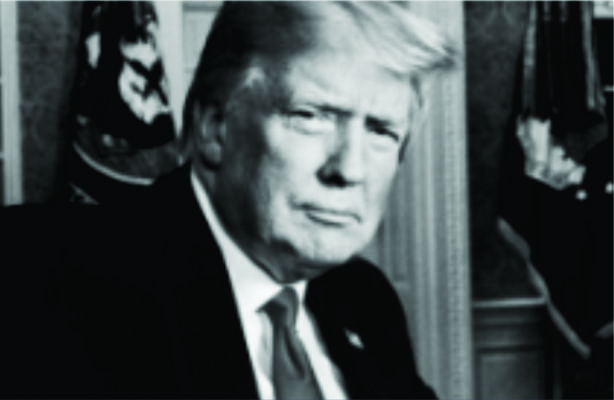
WASHINGTON, D.C., United States (NPA) — The White House Office of National Drug Control Policy (ONDCP) has released the Trump administration’s drug policy priorities, outlining a comprehensive strategy aimed at reducing the impact of illicit drugs across the United States.
The framework, announced on April 3, 2025, details urgent actions to be implemented within the first year to address rising drug use, trafficking, and overdose-related deaths.
According to the White House, the policy focuses on six key areas, including reducing overdose fatalities—particularly those linked to fentanyl—securing global supply chains, strengthening border controls, preventing drug use, expanding access to long-term treatment, and advancing research and data-driven strategies.

Speaking on the initiative, ONDCP Senior Official Performing the Duties of the Director, Jon Rice, said the administration is adopting a coordinated, whole-of-government approach to combat the crisis.
“Terrorists, cartels, and other drug traffickers are taking hundreds of thousands of American lives by poisoning them for profit,” Rice said. “The priorities in this framework outline the first steps to kick cartels out of our country, free Americans from the deadly grip of addiction, and guide America back to health and safety.”
The administration said it would intensify efforts to disrupt drug supply chains, targeting production and distribution networks through a combination of law enforcement actions, economic measures, and advanced technology.
It also emphasised the need for a balanced domestic response that recognises substance use disorder as a complex public health issue, requiring expanded prevention, treatment, and recovery services.
Officials noted that collaboration across all levels of government and with stakeholders—including law enforcement agencies, healthcare providers, first responders, and community organisations—would be critical to achieving the policy’s objectives.
The White House added that the new priorities build on existing executive actions by President Donald Trump aimed at strengthening border security, countering drug trafficking organisations, and holding source countries accountable for the flow of illicit drugs and precursor chemicals into the U.S.
While the current framework outlines immediate priorities, the administration said its broader drug control strategy would continue to evolve in response to emerging threats in order to safeguard communities and reduce the long-term impact of illicit drug use.

Netanyahu condemns Houthi’s missile strike on Riyadh Airport as death toll reaches 12

Media Freedom Coalition demands justice 20 years after Anna Politkovskaya’s assassination

Former US federal employee pleads guilty to $194 million government fraud scheme

Rubio says US will never forget October 7 Hamas barbaric attack on Israel

Russia accuses Ukraine of attacks on Zaporizhzhia nuclear power plant

German Chancellor Friedrich Merz visits Kyiv as Zelenskyy reports Russian drone strikes across Ukraine

27% of EU young people lived in overcrowded homes in 2025 — Eurostat

WHO, Netherlands strengthen partnership on Ebola, global health security and emergency response
- Tinubu commissions NRS Headquarters, says new tax reforms will drive prosperity
- Tinubu assures investors of regulatory stability as Ogun, DP World sign $7bn port, SEZ MoUs
- Climate change anxiety is rising — and so is the willingness to act on it
- Ohaukwu LG Chairman Ituma breaks ground for modern diagnostic centre, blood bank
- Baseball boosts TBS, NFL gives ESPN a kick and streamers love ‘Squid’
Community Discussion