

Presidential spokesman calls for global reassessment of Somalia, recognition of Somaliland
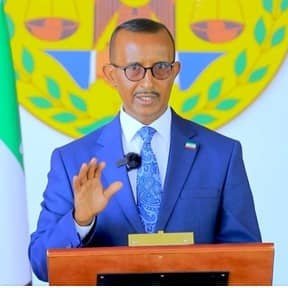
HARGEISA, Somaliland (NPA) — The Republic of Somaliland has urged the international community to reconsider its approach to Somalia, citing deepening political instability, contested legitimacy, and growing authoritarian tendencies in Mogadishu.
In a statement issued by Hussein Deyr, Official Spokesman to the President of Somaliland, he warned that Somalia’s crisis has entered a dangerous phase marked by intimidation, institutional collapse, and expanding foreign influence. He accused Turkey of acting as a “new colonial power” in Somalia, exploiting the fragile state for strategic and economic interests.
Deyr called on the United States, the United Kingdom, and the European Union to impose targeted sanctions, travel restrictions, and asset freezes on Somali leaders, while reassessing existing security frameworks and partnerships. He also urged renewed United Nations-led international stewardship, recalling the transitional trusteeship period of the 1950s as a model for stabilising Somalia.
At the same time, Somaliland pressed for international recognition of its sovereignty, describing itself as a peaceful, democratic, and stable nation whose recognition would bolster regional stability and accountability in the Horn of Africa. “Enough. Face reality and cut the cord,” the statement declared, insisting that Somaliland should not remain trapped in Somalia’s cycle of instability.
The spokesman further noted that Somalia’s president had refused to step down despite the expiration of his term on 15 May 2026, accusing Mogadishu’s leadership of perpetuating corruption, dependency, and permanent instability. He argued that billions of dollars in international aid had failed to deliver tangible progress, instead fueling further divisions and repeated extensions of power.
Deyr criticised Western partners for being “played” by Somalia’s political elite, while Turkey remained silent and consolidated its influence through President Hassan Sheikh. He insisted that Somaliland’s recognition would provide a credible alternative, strengthening democratic governance and long-term security in the region.
The statement concluded with a call for a new international policy approach that acknowledges Somalia’s failures while embracing Somaliland’s stability and democratic credentials.
Somaliland’s push for recognition carries major geopolitical consequences in the Horn of Africa, reshaping power dynamics among Turkey, Israel, the Gulf states, and Western partners. Analysts warn that recognition could stabilise Somaliland but intensify Somalia’s fragility, while also altering maritime security in the Red Sea and Gulf of Aden.
Israel formally recognised Somaliland as an independent state on 26 December 2025, becoming the first UN member country to do so. This landmark decision has added weight to Somaliland’s calls for wider international recognition and reshaped debates on Somalia’s political crisis.

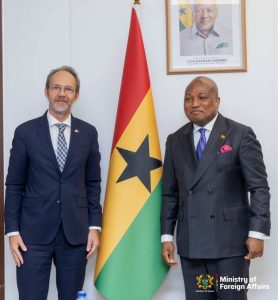
Ghana, UK review bilateral ties ahead of Mahama’s official visit
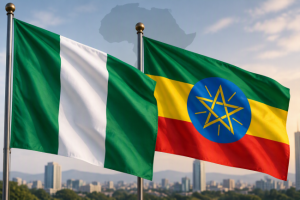
Nigeria, Ethiopia deepen cooperation on trade and investment
World Bank upgrades Africa growth outlook, says AI could boost jobs and productivity
Uganda vaccinates more than 8.2 million children in Measles-Rubella Campaign
NCDC heightens vigilance after imported Ebola case confirmed in Kenya
Eswatini says three third-country nationals voluntarily return home
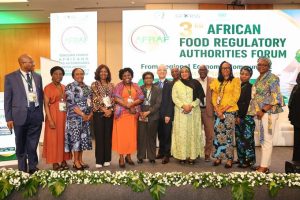
NAFDAC DG advocates stronger continental cooperation on food safety
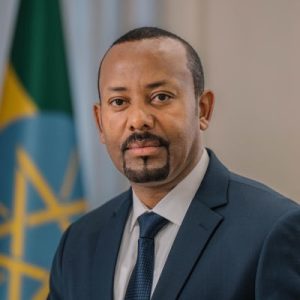
AU Commission Chairperson congratulates Abiy Ahmed on re-election
- Tinubu commissions NRS Headquarters, says new tax reforms will drive prosperity
- Tinubu assures investors of regulatory stability as Ogun, DP World sign $7bn port, SEZ MoUs
- Climate change anxiety is rising — and so is the willingness to act on it
- Ohaukwu LG Chairman Ituma breaks ground for modern diagnostic centre, blood bank
- Baseball boosts TBS, NFL gives ESPN a kick and streamers love ‘Squid’
Community Discussion