

Opposition Wins Landslide In Mauritius Parliament Election, PM Resigns
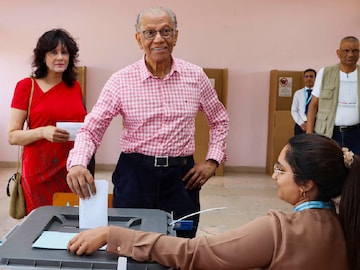
Ramgoolam, 77, said that his first act in office would be to dismantle what he called the country’s spying system “so that Mauritians will be free to talk”.
Mauritius’ opposition coalition led by Navin Ramgoolam secured a near clean sweep of seats in parliament on Tuesday as final election results were announced, securing him a fourth term as prime minister.
Ramgoolam’s Alliance du Changement (ADC) coalition won 62.6% of votes in Sunday’s ballot, the election commission said, prompting incumbent Prime Minister Pravind Jugnauth to resign.
The ADC won 60 of the 62 national assembly seats, state broadcaster Mauritius Broadcasting Corporation reported.
Ramgoolam, 77, said that his first act in office would be to dismantle what he called the country’s spying system “so that Mauritians will be free to talk”.
“We will also work to put an end to the rising cost of living for the population by better monitoring the value of the rupee, lifting Value Added Tax on basic commodities, and vanquishing nepotism, corruption and repression,” Ramgoolam told reporters.
Despite steering the Indian Ocean archipelago to 7.0% economic growth last year, Jugnauth’s popularity appeared to have been badly dented by a cost of living crisis and corruption allegations.
Jugnauth conceded on Monday, saying he tried to do what he could for the country’s 1.3 million people, but that his Alliance Lepep coalition was heading for a huge defeat.
President Prithvirajsing Roopun said on Tuesday he had accepted Jugnauth’s resignation, and that of his government.
Last month Jugnauth, who has been in office since 2017, negotiated an agreement for Britain to cede the Chagos Islands while retaining the U.S.-UK Diego Garcia air base.
Jugnauth’s Alliance Lepep won 27.8% of the vote, according to a tally of results released by the Office of the Electoral Commissioner (OEC).
On the island of Rodrigues, which is allotted two seats in Mauritius’ parliament, the Organisation du Peuple de Rodrigues (OPR) won 50.0% of the vote, the OEC said.
Earlier this month, Jugnauth’s government blocked social media platforms until a day after the election, citing national security concerns after conversations between public figures were leaked. It lifted the ban a day later.
—By Reuters
Ghana, UK review bilateral ties ahead of Mahama’s official visit

Nigeria, Ethiopia deepen cooperation on trade and investment
World Bank upgrades Africa growth outlook, says AI could boost jobs and productivity
Uganda vaccinates more than 8.2 million children in Measles-Rubella Campaign
NCDC heightens vigilance after imported Ebola case confirmed in Kenya
Eswatini says three third-country nationals voluntarily return home
NAFDAC DG advocates stronger continental cooperation on food safety
AU Commission Chairperson congratulates Abiy Ahmed on re-election
- Tinubu commissions NRS Headquarters, says new tax reforms will drive prosperity
- Tinubu assures investors of regulatory stability as Ogun, DP World sign $7bn port, SEZ MoUs
- Climate change anxiety is rising — and so is the willingness to act on it
- Ohaukwu LG Chairman Ituma breaks ground for modern diagnostic centre, blood bank
- Baseball boosts TBS, NFL gives ESPN a kick and streamers love ‘Squid’
Community Discussion