

Iran’s Foreign Minister Reports Progress After Nuclear Talks with U.S. in Geneva
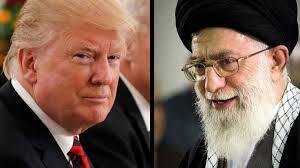
GENEVA, SWITZERLAND: Following high-level discussions between the Islamic Republic of Iran and the United States on Tuesday, Iranian Foreign Minister Abbas Araqchi said the two sides had exchanged views and made progress.
Araqchi told Iranian media that “different ideas have been seriously discussed, and ultimately we have been able to reach a general agreement on some guiding principles.” He added that future negotiations would build on these principles as the parties move toward drafting the text of a potential agreement.
Further rounds of talks are expected in the coming days and weeks.

U.S. Demands
Ahead of the latest meeting, Washington outlined several conditions for Iran to avoid military confrontation:
- Nuclear Program: Scale back or halt uranium enrichment and return to compliance with nuclear deal terms.
- Missile Development: Limit ballistic missile testing, which the U.S. views as destabilising.
- Regional Activities: Reduce support for proxy groups such as Hezbollah, Hamas, the Houthis, and other militias across the Middle East.
- Human Rights: End violent repression of protests, which the U.S. has linked to its military buildup.
President Donald Trump warned that if no deal is reached, the U.S. is prepared to take “something very tough” military action.
Iran’s Response
Iran has maintained a firm stance:
- Scope of Talks: Insists negotiations should focus solely on its nuclear program, rejecting U.S. demands on missiles and regional influence.
- Defiance of Threats: Officials argue U.S. military threats are provocative and accuse Washington of seeking regime change.
- Sovereignty: Frames U.S. demands as interference in domestic affairs, particularly regarding protests.
- Preparedness: Warns that it will respond strongly if attacked, raising the risk of regional escalation.
The U.S. has deployed a “massive armada” of ships and aircraft near Iran, signalling readiness for strikes should diplomacy fail. With Israel also a factor in the regional equation, analysts warn that the risk of military escalation remains high as neither side shows willingness to compromise on core demands.

Israeli military says airstrikes kill senior Hamas commanders in Gaza

US says it has redirected 100 commercial vessels under Iran blockade

Nigeria condemns Houthi attack on Saudi Arabia

Iran, US escalate tanker attacks in biggest shipping assault since war began
CENTCOM disables three Iranian oil tankers after Iran targets two U.S. warships
Netanyahu welcomes DR Congo President Tshisekedi during official visit to Israel

US moves to cut Banque Misr UAE off from American financial system over alleged Iran links
JUST IN: US launches sixth consecutive night of strikes on Iran, CENTCOM says
- Tinubu commissions NRS Headquarters, says new tax reforms will drive prosperity
- Ogun governor signs Education and Skills Trust Fund Bill into law
- Climate change anxiety is rising — and so is the willingness to act on it
- Golden Globes want to make a comeback this year. Hollywood isn’t buying
- Baseball boosts TBS, NFL gives ESPN a kick and streamers love ‘Squid’
Community Discussion