Category: Events-Festivals

  • ECOWAS strengthens regional creative industries at MASA 2026

    ECOWAS strengthens regional creative industries at MASA 2026

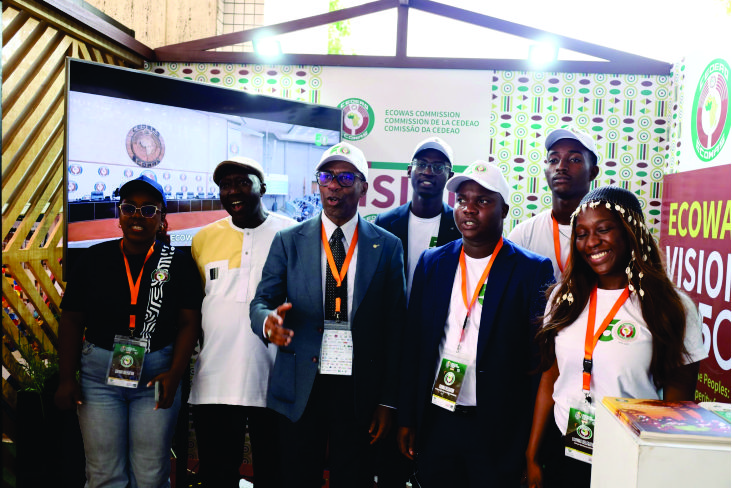
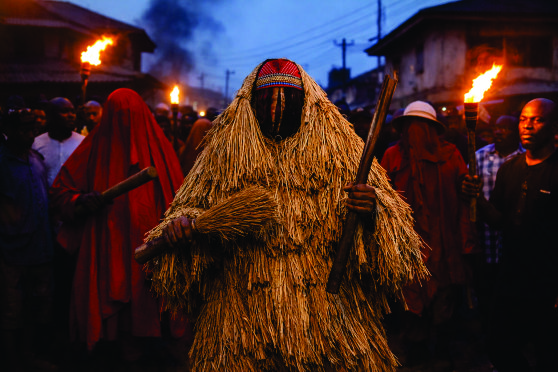
    ABUJA, Nigeria (NPA) — The Economic Community of West African States (ECOWAS) has reaffirmed its commitment to promoting culture as a tool for regional integration and sustainable development through its participation in the 14th edition of the Abidjan Performing Arts Market (MASA), held from April 11 to 18, 2026.

    The eight-day event, themed “Performing Arts in Africa: A Tool for Economic and Social Integration,” showcased diverse cultural and creative performances and was inaugurated by Prime Minister Robert Beugré Mambé at the Palace of Culture.

    MASA, held biennially, serves as a strategic platform for showcasing African performing arts, fostering professional exchanges, artistic excellence, and market access for cultural actors. ECOWAS’s participation aligns with its vision to harness culture for regional cohesion, increase visibility of its programs, and support the development of creative industries in West Africa.

    Economists have long highlighted the creative economy’s importance to West Africa’s growth. In Nigeria, the sector contributes approximately $1.8 billion to GDP and is a leading job creator, employing millions across music, film, fashion, and digital arts. Nollywood alone produces over 2,500 films annually, while Afrobeats continues to dominate global music charts.

    Despite its successes, the sector faces challenges including inadequate infrastructure, poor training academies, and limited access to financing. Analysts argue that addressing these gaps is essential to unlocking the full potential of the creative economy.

    ECOWAS’s involvement in MASA 2026 underscores its determination to strengthen regional creative industries, positioning culture not only as an engine of economic growth but also as a driver of social integration and sustainable development across West Africa.

  • AU Deputy Chairperson Haddadi urges paradigm shift in global cooperation at WBG/IMF Spring Meetings

    AU Deputy Chairperson Haddadi urges paradigm shift in global cooperation at WBG/IMF Spring Meetings

    INTERNATIONAL (NPA) — The African Union Commission (AUC) has urged a fundamental shift in multilateral cooperation to support job creation and economic transformation across the continent.

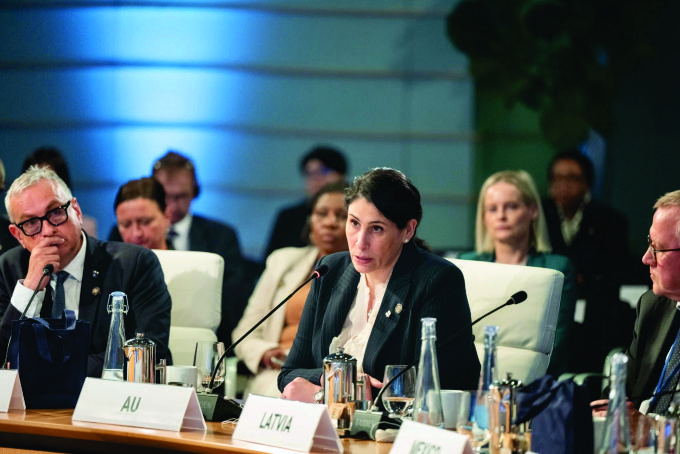
    Speaking at the Joint Ministerial Committee of the Boards of Governors of the World Bank Group and the International Monetary Fund during the 2026 Spring Meetings in Washington, AUC Deputy Chairperson Selma Malika Haddadi stressed that Africa’s demographic strength must be harnessed through deliberate action to create more and better‑paid jobs.

    “For Africa, this is not an abstract policy question. It is an urgent development, economic, and stability imperative,” Haddadi said. She emphasised that Africa’s greatest asset is its people, particularly youth and women, but warned that prosperity will only be realised if enabling conditions are created.

    The Deputy Chairperson welcomed the World Bank report’s central message that job creation requires deliberate investment in infrastructure, digital public systems, skills development, institutional strengthening, regulatory certainty, and private sector growth. “Job creation does not happen by chance, but requires deliberate action to build the right enabling environment,” she noted.

    Haddadi, however, criticised the current multilateral system, saying it has not consistently provided the robust and predictable support needed for Africa’s transformation. “Too often, support remains fragmented, reactive, and insufficiently aligned with regional and continental development priorities and opportunities,” she said.

    She pointed to frameworks such as Agenda 2063 and the African Continental Free Trade Area (AfCFTA) as evidence of Africa’s political resolve and institutional capacity to drive reforms. Member States, she added, are undertaking difficult reforms to strengthen competitiveness, enterprise, and employment.

    The AU–World Bank partnership, Haddadi said, has elevated the conversation by linking jobs more clearly to infrastructure, energy, trade, skills, industrialisation, and financial inclusion. What is now required, she argued, is a paradigm shift: “From fragmented initiatives to coordinated delivery, from short‑term interventions to long‑term transformation, and from dialogue to implementation at scale.”

    In closing, Haddadi underscored that job creation is central to Africa’s future. “Creating the enabling environment for more and better‑paid jobs is not peripheral to Africa’s future. It is central to resilience, dignity, and shared prosperity,” she said.

  • Rufai Oseni wins Media Personality of the Year at Independent Awards

    Rufai Oseni wins Media Personality of the Year at Independent Awards

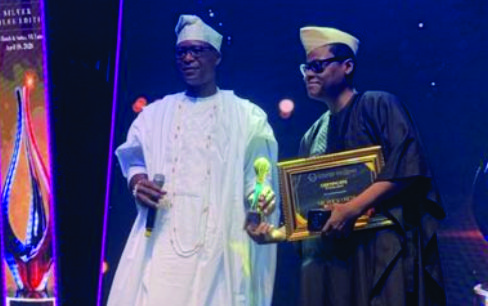
    LAGOS, Nigeria (NPA) — Arise Television anchor, Rufai Oseni, has won the Media Personality of the Year award at the 2025 Independent Awards organised by Independent Newspapers Limited.

    The awards ceremony, held on Saturday in Lagos, honoured outstanding Nigerians across governance, business, media and other sectors.

    The event, which marked the 25th anniversary of the awards, took place at Eko Hotel and Suites and featured about 25 categories recognising excellence, leadership and impact.

    The awards, widely regarded as one of Nigeria’s leading recognition platforms, celebrate individuals and organisations that have distinguished themselves in public service, enterprise and social development.

    Top contenders for the prestigious Man of the Year award included industrialist Abdul Samad Rabiu, Chairman of BUA Group, and Director-General of the World Trade Organisation, Ngozi Okonjo-Iweala.

    Several eminent Nigerians were honoured with Lifetime Achievement Awards, including Prince Samuel Adedoyin, Chief Don Obot Etiebet, Atedo Peterside, founder and former Chairman of Stanbic IBTC Bank, and Chief Kessington Adebutu, Chairman of Premier Lotto, for their contributions to national development.

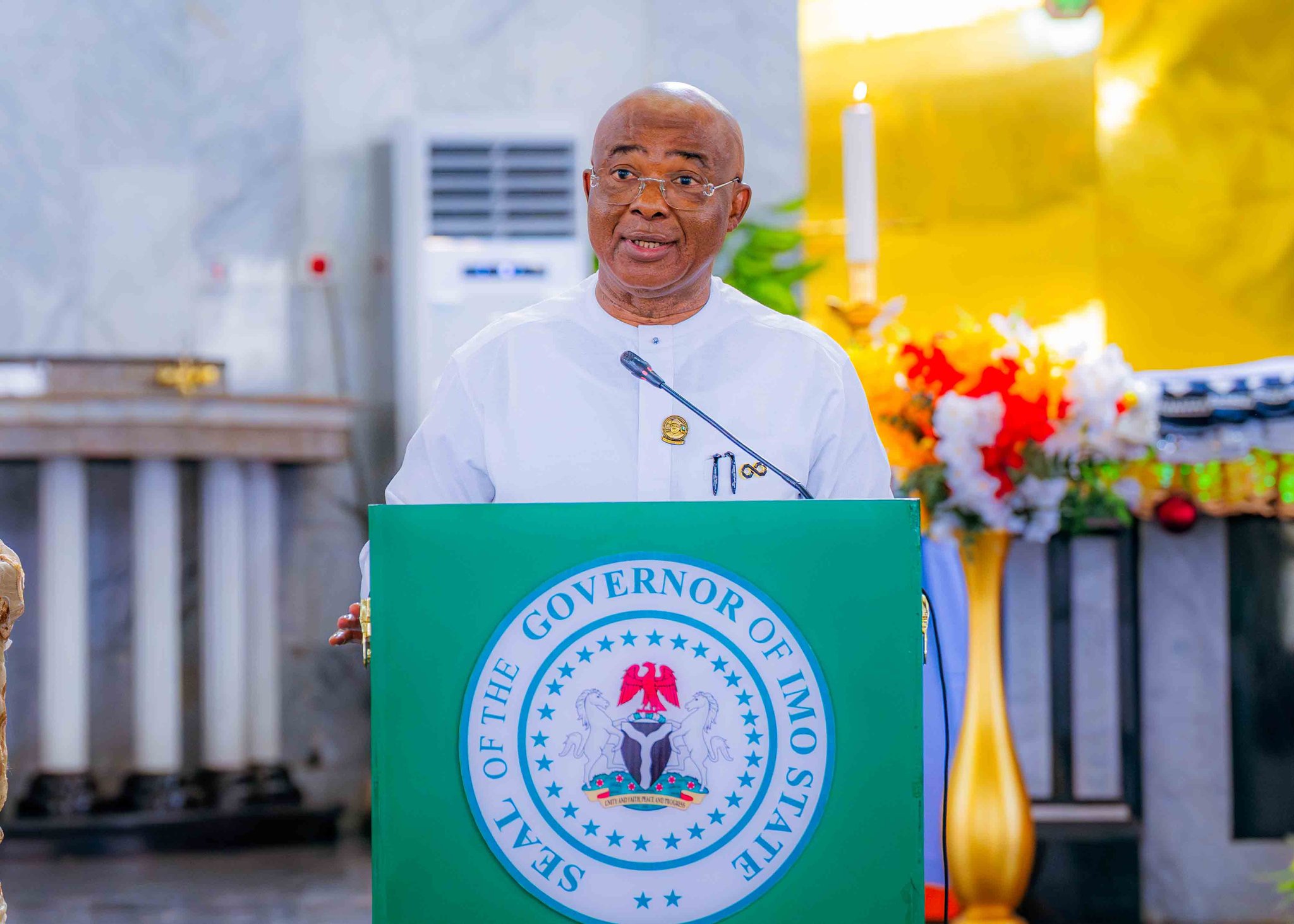
    In the governance category, a number of state governors and federal ministers were recognised for their performance and policy impact. Notable nominees included Alex Otti of Abia State, Peter Mbah of Enugu State, Uba Sani of Kaduna State, Hope Uzodimma of Imo State and Babagana Zulum of Borno State.

    Key figures in the financial sector were also spotlighted, with nominations featuring business leaders such as Tony Elumelu, while Adaora Umeoji and Segun Agbaje were recognised in the banking category.

    In the technology, media and creative industry categories, nominees included Kemisola Bolarinwa, Chimezie Emewulu, Funke Akindele, Mo Abudu and Chude Jideonwo.

    Organisers said winners were selected through a combination of public voting, editorial board assessment and jury review to ensure credibility and transparency.

    They added that the awards remain committed to encouraging excellence and inspiring higher standards of performance across all sectors of national life.

  • Eswatini marks 40 years of King Mswati III’s reign with grand celebrations

    Eswatini marks 40 years of King Mswati III’s reign with grand celebrations

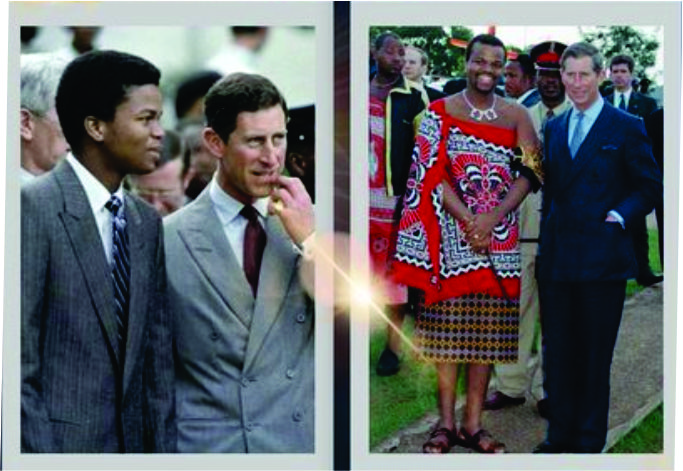
    Lagos, Nigeria (NPA) — The government and people of Eswatini on Saturday commemorated the 40th anniversary of the reign of Mswati III, in a colourful display of culture, unity, and national pride.

    The celebrations, held across the kingdom, were described by officials as a tribute to “40 Years of Leadership and Legacy Excellence Impact,” highlighting a journey shaped by leadership, service, and national transformation. In an official statement, the government said the milestone was an opportunity to honour the past with gratitude, celebrate the present with pride, and look to the future with hope and confidence.

    In Mankayane, large crowds of children, youth, and elders gathered in a vibrant show of solidarity to mark the occasion. The event featured lively performances, including drum majorettes from Mankayane High School, alongside cultural displays by students from Mankayane High School and Ngcoseni Central High School, adding colour and festive energy to the commemoration.

    King Mswati III, born Makhosetive Dlamini, was installed on 25 April 1986 at the age of 18, making him one of the youngest monarchs at the time. He ascended the throne following the death of his father, Sobhuza II, after a period of regency. His coronation marked the continuation of Eswatini’s absolute monarchy, with the king retaining significant executive and legislative authority.

    Over four decades, his reign has been defined by the preservation of traditional governance through the Tinkhundla system, which emphasises local representation. In 2018, he renamed the country from Swaziland to Eswatini—meaning “land of the Swazis”—in a move aimed at reinforcing national identity and cultural heritage.

    The monarch is also credited with promoting cultural traditions, including the Umhlanga (Reed Dance) and Incwala ceremonies, while overseeing infrastructure development and reforms in key sectors such as health and education. However, his reign has also faced sustained calls for political reform, improved human rights, and greater democratisation.

    As celebrations continue, the anniversary underscores both the enduring legacy of the monarchy and the evolving aspirations of the Swazi people.