Category: Europe-Asia

  • Starmer says UK net migration down 82%, unveils free bus travel plan amid deepening economic hardship

    Starmer says UK net migration down 82%, unveils free bus travel plan amid deepening economic hardship

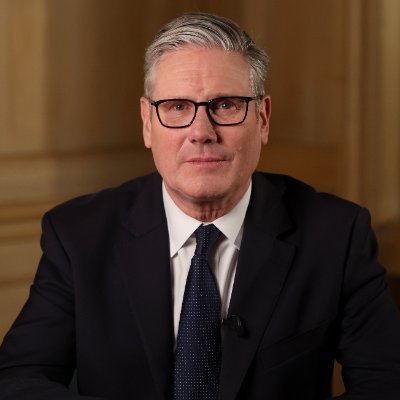
    LONDON, United Kingdom (NPA) — Keir Starmer has claimed that net migration into the United Kingdom has fallen by 82 per cent, saying his government is delivering on its promise to restore control of British borders and strengthen national security.

    In a statement he issued on Thursday, the British Prime Minister said his administration remains committed to overhauling the country’s immigration system and reducing dependence on foreign labour, which fuels mass immigration to the United Kingdom.

    “I know there’s more to do. We’re introducing a skills-based migration system that rewards contribution and ends our reliance on cheap overseas workers,” Starmer stated.

    The Prime Minister said the measures form part of broader efforts by his government to build what he described as a more secure and economically stable Britain.

    However, analysts and critics have continued to raise concerns over illegal migration into the country, alleging that approximately 70,000 illegal migrants have entered the UK through the English Channel since Starmer assumed office as Prime Minister.

    According to reports, the majority of the migrants reportedly applied for asylum upon arrival, fueling ongoing debate over border security and pressure on public services and the British economy.

    The issue of illegal migration remains one of the most contentious political challenges facing the UK government amid rising economic concerns and growing public scrutiny over immigration policies.

    In another development, Starmer announced that children across England will enjoy free bus travel throughout August as part of measures aimed at easing financial pressure on families.

    “We know that families are still feeling the cost-of-living pressure, so we’re delivering immediate support,” the Prime Minister said in a separate statement.

    According to him, the initiative is designed to help families cope with rising living expenses during the school holiday period while also reducing transportation costs for households.

    Starmer further disclosed that his administration is taking additional steps to reduce the cost of everyday food items and put more money back into the pockets of citizens.

    The announcement comes amid mounting economic pressures in the United Kingdom, including inflation concerns and the impact of ongoing instability linked to the conflict in the Middle East.

    Earlier, the British government unveiled plans to subsidise groceries for struggling families as part of wider measures aimed at cushioning the effects of the cost-of-living crisis across the country.

  • Council of Europe warns of worsening prison overcrowding, ageing inmates, and rising female incarceration across Europe

    Council of Europe warns of worsening prison overcrowding, ageing inmates, and rising female incarceration across Europe

    INTERNATIONAL (NPA) — The Council of Europe’s 2025 annual penal statistics (SPACE I) reveal that prison overcrowding remains a pressing challenge across the continent, with 95 inmates for every 100 available places. Severe overcrowding was reported in nine prison systems, including Türkiye and France (131 inmates per 100 places), Croatia (123), Italy (121), Malta (118), Cyprus (117), Hungary (115), Belgium (114) and Ireland (112). Moderate overcrowding was noted in Finland (110), Greece (108), Scotland (106), North Macedonia (104) and Sweden (103), while several other countries operated at or near full capacity. The report emphasises that overcrowding not only strains prison infrastructure but also undermines rehabilitation and human rights standards.

    The survey shows Europe’s prison population reached 1,107,921 individuals as of January 2025, representing a median imprisonment rate of 110 inmates per 100,000 inhabitants. While the overall rate remained stable compared to 2024, some countries experienced sharp increases: Türkiye (+29%), Montenegro (+22%), Luxembourg (+20%), Sweden (+15%), and Greece (+14%). By contrast, incarceration rates fell significantly in Ukraine (-18%), Slovakia (-16%), and Georgia (-11%). Türkiye recorded the highest imprisonment rate at 458 inmates per 100,000 inhabitants, followed by Azerbaijan (271) and the Republic of Moldova (245).

    The report also noted that one in four prisoners across Europe was in pre‑trial detention, with Albania (62%) and Montenegro (53%) among the highest, while Bulgaria (7%) and Czechia (8.2%) reported the lowest proportions.

    Demographic shifts are reshaping prison populations. The average age of inmates is now 39, with Italy and Portugal reporting the oldest average at 42. The proportion of elderly prisoners has risen from 2.5% in 2020 to 2.9% in 2025, raising concerns about health care, mobility, and chronic illness management in prisons. Croatia reported the highest share of inmates aged 65 or above at 10.8%.

    At the same time, the proportion of women in prison rose from 4.8% to 5.2%, with Hungary (8.8%) and Czechia (8.6%) recording the highest shares. Foreign nationals also make up a significant part of prison populations, averaging 17% across Europe, with Luxembourg (78%) and Switzerland (73%) reporting the largest proportions.

    Drug offences remain the most common crime, accounting for 17.3% of sentences, followed by theft (12.1%). Violent crimes represent nearly one‑third of convictions, including homicide (10.9%), sexual offences (8.6%), assault (6.3%), and robbery (6.1%).

    The Council of Europe warns that overcrowding, ageing inmates, and rising female incarceration will pose serious operational and policy challenges in the years ahead, urging governments to adopt reforms that balance security with human rights.

  • Russia announces successful test of 35,000-kilometre Sarmat Missile system

    Russia announces successful test of 35,000-kilometre Sarmat Missile system

    MOSCOW, Russia (NPA) — Russia says it has successfully conducted another test of its Sarmat intercontinental ballistic missile system, describing the weapon as one of the most powerful strategic deterrence platforms in the world.

    The announcement was made on Tuesday by the Russian Ministry of Foreign Affairs through its official Telegram channel following a report presented to President Vladimir Putin by Commander of the Strategic Missile Forces, Sergei Karakayev, via videoconference.

    According to the Russian government, development of the Sarmat missile system began in 2011, while details of the programme and its capabilities were first publicly unveiled in 2018.

    Russian officials claimed the missile possesses capabilities exceeding those of many existing strategic missile systems, including an operational range of more than 35,000 kilometres.

    The statement further claimed that the Sarmat missile can travel along both ballistic and suborbital trajectories, enabling it to bypass existing and future missile defence systems.

    Moscow also described the missile as more powerful than the Soviet-era Voevoda missile system currently in service, alleging that the total yield of its warhead is more than four times greater than that of comparable Western systems.

    While Russian officials highlighted the missile’s long-range capability, independent verification of some of the performance claims remains limited. Military analysts generally estimate that intercontinental ballistic missiles launched from Russia toward the mainland United States could reach targets within approximately 20 to 30 minutes, depending on trajectory and launch conditions.

    Speaking after receiving the report, President Vladimir Putin said Russia resumed efforts to modernise its strategic deterrence systems in the early 2000s following the withdrawal of the United States from the Anti-Ballistic Missile Treaty in 2002.

    “We were forced to think about ensuring our strategic security in the new reality and preserving the strategic balance of forces,” Putin said.

    According to him, Russia subsequently began developing advanced weapons systems capable of overcoming missile defence networks.

    Putin also referenced several other strategic weapons programmes currently deployed or under development by Russia, including the Avangard intercontinental-range missile system, the Kinzhal hypersonic missile and the Oreshnik medium-range missile system.

    He added that work was nearing completion on the Poseidon unmanned underwater vehicle and the Burevestnik global-range cruise missile, both powered by compact nuclear propulsion systems.

    The latest announcement comes amid heightened geopolitical tensions between Russia and Western countries over the ongoing conflict in Ukraine and broader security concerns in Europe.

  • Russian drone attacks against Ukraine resume as 3-day truce ends

    Russian drone attacks against Ukraine resume as 3-day truce ends

    KYIV, Ukraine (NPA) — Russian drone attacks resumed across Ukraine following the expiration of a three-day truce between Moscow and Kyiv, with explosions and air raid alerts reported in the Ukrainian capital overnight.

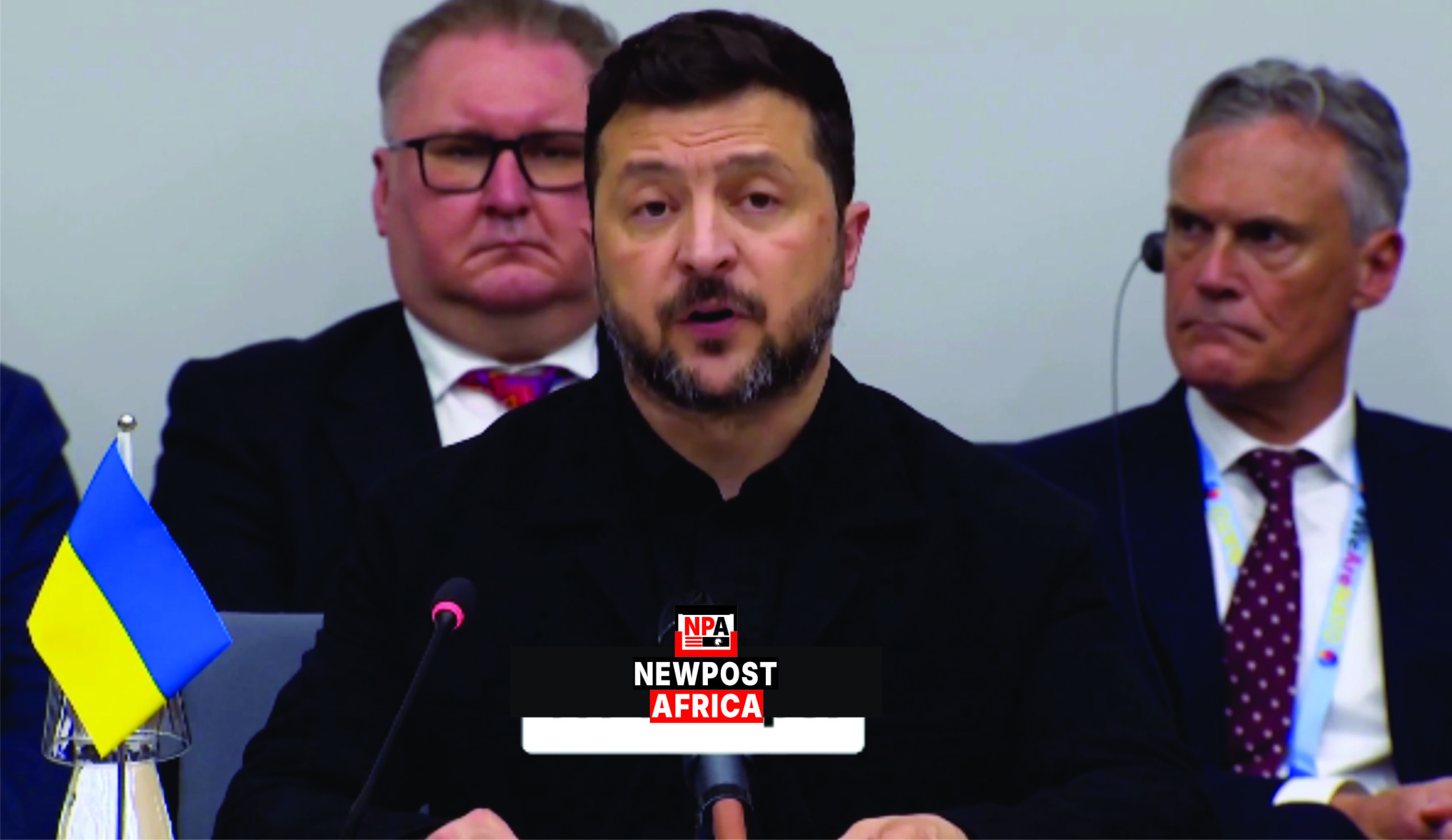
    Ukrainian President Volodymyr Zelenskyy said Russia launched more than 200 attack drones against Ukraine after the temporary ceasefire came to an end.

    According to Zelenskyy, the attacks targeted multiple regions across the country, including Kyiv, Dnipro, Zhytomyr, Mykolaiv, Sumy, Kharkiv and Chernihiv.

    “Russia itself chose to end the partial silence that had lasted for several days,” Zelenskyy said in a statement on Monday.

    He stated that Russian forces also carried out more than 30 air strikes and dropped over 80 aerial bombs along frontline areas during the renewed offensive.

    The Ukrainian president said air defence systems intercepted several of the drones, but confirmed that civilian infrastructure suffered damage in a number of locations.

    “Energy facilities, apartment buildings, and a kindergarten were damaged, and there was also a strike on an ordinary civilian locomotive on the railway,” he said.

    Zelenskyy added that several people were injured in the attacks, while fatalities were also recorded.

    “People have been reported injured as a result of these strikes. And, unfortunately, there are fatalities. My condolences to the family and loved ones,” he added.

    The Ukrainian leader accused Moscow of escalating the conflict and reiterated Kyiv’s position that Russia must take concrete steps toward ending the war.

    “We have said that we will respond in kind to all Russian steps. Russia must end this war, and it is Russia that must take the step toward a real, lasting ceasefire,” Zelenskyy said.

    He also called for continued international pressure on Moscow, insisting that sanctions against Russia should remain in place and be strengthened until a sustainable peace agreement is achieved.

    “It is important that there be no easing of pressure and that partners do not stand aside, but continue working together for security, justice, and a reliable peace,” he said.

  • Trump secures three-day Russia-Ukraine ceasefire ahead of Victory Day celebrations

    Trump secures three-day Russia-Ukraine ceasefire ahead of Victory Day celebrations

    WASHINGTON, D.C. — United States President Donald Trump has announced a three-day ceasefire between Russia and Ukraine as part of efforts to ease tensions in the ongoing war between both countries.

    The ceasefire, scheduled to hold from May 9 to May 11, 2026, is expected to coincide with Victory Day commemorations in Russia.

    In a post on his social media platform, Truth Social, Trump said the temporary truce would create an enabling environment for the celebrations in both countries, noting that Ukraine also played a major role during World War II.

    “This ceasefire will include a suspension of all kinetic activity, and also a prison swap of 1,000 prisoners from each country,” Trump stated.

    According to the U.S. president, the request for the brief pause in hostilities was made directly by him, adding that Russian President Vladimir Putin and Ukrainian President Volodymyr Zelenskyy had both agreed to the arrangement.

    “Hopefully, it is the beginning of the end of a very long, deadly, and hard-fought war,” he added.

    Trump further disclosed that negotiations aimed at permanently ending the conflict — which he described as the biggest war since World War II — were ongoing and making steady progress.

    The development comes amid intensified cross-border attacks by both sides in recent days. Ukraine has significantly expanded its capacity to strike targets deep inside Russia.

    On Thursday, Ukrainian forces reportedly struck a facility belonging to Russia’s Federal Security Service (FSB) in Chechnya. The FSB, known in Russian as Federalnaya Sluzhba Bezopasnosti, is Russia’s principal domestic security and intelligence agency.

    Ukraine also reportedly carried out a drone strike on an aviation control centre facility, forcing the temporary closure of 13 airports across Russia and disrupting thousands of flights.

    In recent months, Kyiv has also intensified long-range strikes targeting Russian oil and gas infrastructure, describing the operations as part of efforts to enforce sanctions against Russia’s energy exports.

    Russia, on its part, has continued heavy drone and missile attacks on Ukrainian targets, in what observers describe as an escalating cycle of retaliatory strikes by both sides.

    The ceasefire agreement is expected to reduce tensions temporarily and may help prevent disruptions to events scheduled to take place in Moscow during the Victory Day celebrations.

  • Kemi Badenoch hails Conservative comeback as Labour suffers major losses in local elections

    Kemi Badenoch hails Conservative comeback as Labour suffers major losses in local elections

    LONDON, United Kingdom (NPA) — The Leader of the Conservative Party, Kemi Badenoch, has said the Conservatives are returning to mainstream political leadership in Britain following early results from the 2026 UK local elections, which show the Labour Party losing at least 254 council seats across England.

    Badenoch said voters across several key areas were signalling renewed confidence in the Conservatives.

    “From Westminster to Wandsworth, Harlow to Bexley, Fareham to Broxbourne, people can see the Conservative Party is renewed. There is much more to do, but we have the plan and team to get Britain working again,” she said.

    Earlier, Prime Minister Keir Starmer acknowledged the scale of Labour’s losses, describing the outcome as “tough results for Labour” and conceding that the party had lost “brilliant representatives who stood up for their communities.”

    The opposition Labour Party, led by Starmer, suffered its worst performance in several key regions, with at least 254 council seats lost across England, according to early confirmed results.

    The defeats were particularly pronounced in northern and working-class strongholds, including parts of Greater Manchester and Hartlepool, long considered core Labour territory.

    The election also saw significant gains by Reform UK, while the Green Party and Liberal Democrats recorded modest advances, further weakening Britain’s traditional two-party dominance.

    Political analysts say voter dissatisfaction over the economy, public services, and the perceived slow pace of reforms contributed to Labour’s losses.

    Starmer admitted public frustration, saying, “People are still frustrated. Their lives aren’t changing fast enough. We haven’t offered enough hope or optimism for the future,” reflecting growing pressure on the party’s leadership following the results.

  • Labour’s local election huge losses signal deeper political shifts in the UK

    Labour’s local election huge losses signal deeper political shifts in the UK

    LONDON, United Kingdom (NPA) — Prime Minister Keir Starmer has openly acknowledged the scale of Labour’s losses in the 2026 local elections, describing the outcome as “tough results for Labour” and conceding that the party has lost “brilliant representatives who stood up for their communities.” His remarks underscore the gravity of the setback and the mounting challenges facing Labour’s leadership.

    Labour lost at least 254 council seats across England, according to early confirmed results, with Reform UK making significant inroads into traditional Labour strongholds. The Greens and Liberal Democrats also registered gains, signaling a broader erosion of Britain’s two-party dominance. Particularly striking were Labour’s defeats in northern and working-class councils, including parts of Greater Manchester and Hartlepool, areas long considered central to the party’s base.

    Analysts point to voter dissatisfaction with the economy, public services, and the perceived slow pace of reforms as key drivers of the electoral backlash. Starmer himself admitted that “people are still frustrated. Their lives aren’t changing fast enough. We haven’t offered enough hope or optimism for the future.” His candid assessment reflects both the scale of discontent and the urgency of recalibrating Labour’s message.

    Despite the losses, Starmer, in a statement on Friday, insisted that his determination remains intact. “I was elected to change this country. These results do not weaken my determination — they strengthen it,” he declared, framing the setback as a catalyst for renewed resolve rather than retreat.

    The outcome highlights two critical dynamics: the rise of smaller parties reshaping local governance, and the vulnerability of Labour in constituencies once considered secure. Reform UK’s gains, in particular, suggest a shifting political map that could complicate Labour’s national strategy ahead of future contests.

    For Labour, the challenge now lies in restoring confidence among disillusioned voters, articulating a clearer vision of economic and social renewal, and countering the momentum of insurgent parties. The 2026 local elections may thus prove less a temporary setback than a warning sign of deeper structural changes in British politics.

  • DRC Deepens Cooperation with Uganda and Russia

    DRC Deepens Cooperation with Uganda and Russia

    KINSHASA, DRC (NPA) — The Congolese Minister of State, H.E. Thérèse Kayikwamba Wagner, today, received in audience the Ugandan Republic’s Deputy Minister for Regional Integration, John Mulimba. The DRC’s Minister for Regional Integration, Floribert Anzuluni Isiloketshi, also joined the discussions.

    Talks focused on preparations for the 9th session of the DRC–Uganda Joint Great Commission, scheduled to take place in Uganda from May 8 to 12, 2026. The meeting reflects the two countries’ shared commitment to strengthening bilateral relations and expanding cooperation across sectors of mutual interest.

    In a separate engagement the same day, Minister Wagner also met with H.E. Karl Tikhaze, Ambassador of the Russian Federation to the DRC. Their discussions centered on the DRC’s participation in the upcoming 3rd Russia–Africa Summit, set for October 28–29, 2026 in Moscow.

    The Minister welcomed Russia’s continued support for the DRC, particularly on security challenges in the eastern region. Talks also explored collaboration on peace and security issues in the context of the DRC’s upcoming presidency of the United Nations Security Council in July 2026.

    Both parties reaffirmed their commitment to strengthening the DRC–Russia strategic partnership, with emphasis on cooperation in health, scientific research, education, and judicial affairs.

  • ADB Targets $50bn to Boost Cross-Border Power Grids Across Asia

    ADB Targets $50bn to Boost Cross-Border Power Grids Across Asia

    SAMARKAND, Uzbekistan (NPA) — The Asian Development Bank (ADB) says it is mobilising $50 billion by 2035 to support the development of cross-border power grids across Asia and the Pacific, aimed at lowering energy costs, improving reliability, and expanding clean energy trade.

    ADB President, Masato Kanda, disclosed this at the Governors’ Seminar on the Pan-Asia Power Grid Initiative (PAGI) during the bank’s 59th Annual Meeting.

    “The $50 billion Pan-Asia Power Grid Initiative is about building the infrastructure required for a more connected, resilient, and prosperous Asia and the Pacific,” Kanda said. “Countries that stay connected attract investment and weather shocks better than those that turn inward. Connectivity is our answer to fragmentation.”

    The initiative, launched on Sunday, is designed as a flagship regional platform to accelerate cross-border electricity trade, scale up renewable energy integration, and strengthen energy security across participating countries.

    According to the ADB, the programme targets the integration of about 20 gigawatts of renewable energy, the development of 22,000 circuit-kilometres of transmission lines, improved electricity access for 200 million people, and the creation of about 840,000 jobs by 2035.

    Kanda said the bank is shifting from isolated infrastructure projects to integrated regional systems that support long-term economic growth, resilience, and energy security.

    ADB is also leveraging its convening power to bring together governments, regulators, utilities, private sector players, and development partners to align policies, coordinate investments, and address regulatory bottlenecks that often delay large-scale infrastructure projects.

    The bank has previously supported major cross-border energy projects, including the Bangladesh–India grid interconnection and the Monsoon Wind Power Project in Laos, using blended finance to attract private investment.

    To further accelerate grid interconnections in Southeast Asia, ADB has launched a dedicated Regional Connectivity Fund backed by Australia, Canada, Germany, the United Kingdom, and the European Union. The fund is expected to de-risk early-stage projects, finance preparation activities, and mobilise larger pools of public and private capital.

    ADB, founded in 1966 and owned by 69 member countries, is a leading multilateral development institution focused on promoting sustainable, inclusive, and resilient growth across Asia and the Pacific.

  • Macron condemns renewed Iranian Strikes on UAE, calls for security guarantees in Gulf

    Macron condemns renewed Iranian Strikes on UAE, calls for security guarantees in Gulf

    PARIS, France (NPA) — President Emmanuel Macron of France has condemned the resumption of missile attacks reportedly carried out by Iran against the United Arab Emirates (UAE), following UAE claims that its military intercepted incoming projectiles launched from Iranian positions.

    Macron said strikes targeting civilian infrastructure in the Gulf state were “unjustified and unacceptable,” warning that such actions risk further destabilising an already fragile regional security environment.

    “As it has done since the start of the conflict, France will continue to support its allies in the Emirates and in the region for the defence of their territory,” he said.

    The French President stressed that any durable resolution to the crisis would require the reopening of the Strait of Hormuz to unrestricted maritime traffic, alongside a comprehensive security agreement addressing regional threats.

    He said such a framework must include firm guarantees against what he described as Iran’s nuclear ambitions, ballistic missile activities, and wider regional destabilisation.

    The renewed hostilities come amid heightened tensions following a United States initiative dubbed “Project Freedom,” announced by former President Donald Trump, aimed at deploying U.S. naval assets to secure safe passage for commercial vessels transiting the strategic waterway.

    U.S. Defence Secretary Pete Hegseth and Chairman of the Joint Chiefs of Staff Dan Caine, speaking jointly to reporters, today, described the operation as a humanitarian mission designed to protect neutral shipping interests in the region.

    Hegseth clarified that the renewed reports of Iranian missile activity in the Gulf did not signal the collapse of ongoing ceasefire arrangements, adding that diplomatic engagements were still underway to de-escalate tensions and bring an end to the conflict.