Category: Business

  • Reps threaten to arrest BOI MD over failure to appear before committee

    Reps threaten to arrest BOI MD over failure to appear before committee

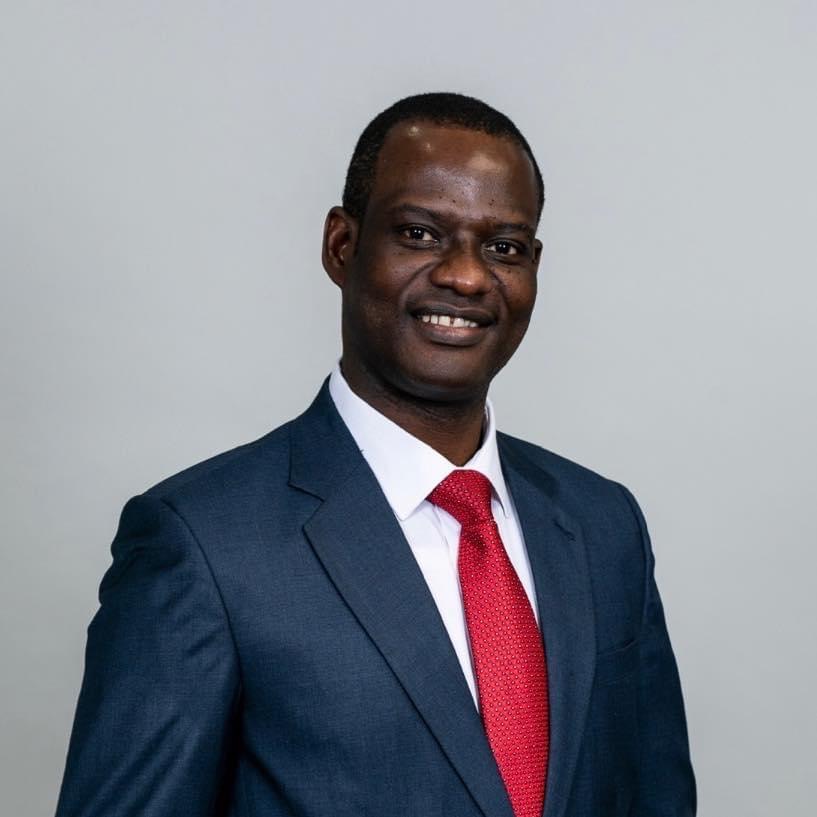
    Abuja, Nigeria (Agency Report) — March 5, 2026 — An Ad hoc Committee of the House of Representatives has threatened to issue an arrest warrant on the Managing Director of Bank of Industry (BOI), Dr Olasupo Olusi, following his failure to appear before it to account for the performance of funds in the bank.

    The committee, which is investigating the operations, funding sources and performance of Development Finance Institutions (DFIs), at a public hearing on Wednesday in Abuja, threatened to invoke its constitutional powers to compel the managing director’s appearance.

    In his ruling, Chairman of the committee, Rep. Mark Obetta (LP-Enugu), said that the hearing was to scrutinise programmes, funding frameworks, intervention strategies and performance records of relevant agencies from 2018 till date.

    According to him, the exercise forms part of the broader oversight responsibility to assess how development finance interventions have been implemented and to determine their measurable impacts on key sectors of the Nigerian economy.

    He, however, frowned at the absence of the BOI Managing Director at the hearing, saying that disrespect for the parliament would not be tolerated.

    Obetta said that the bank not only failed to appear but also failed to submit the required documentation to the committee despite multiple communications and formal invitations.

    “It is the resolve of this committee to issue a firm directive compelling the bank to urgently submit the requested documents and appear at the next hearing.

    “Continued non-compliance could result in the issuance of a warrant of arrest to enforce attendance, in line with the constitutional oversight powers of the House of Representatives,” he said.

    The News Agency of Nigeria (NAN) reports that the institutions represented at the hearing included: National Agricultural Development Fund (NADF), Nigerian Credit Guarantee Company (NCGC) and Nigeria Incentive-Based Risk Sharing System for Agricultural Lending (NIRSAL).

    The lawmakers requested comprehensive details of loans and interventions extended to farmers affected by the ginger blight disease outbreak, which significantly disrupted ginger production in parts of the country.

    The panel also asked NCGC to provide a more detailed documentation outlining its statutory mandate, governance structure, operational model, funding sources and emerging programmes.

    Similarly, the lawmakers directed NIRSAL to make fresh and more detailed submissions covering its interventions within the period under review, including beneficiaries’ data, funding volumes and performance metrics. (NAN).
  • Middle East War: Trump Directs DFC to Provide Risk Insurance for Gulf Maritime Trade

    Middle East War: Trump Directs DFC to Provide Risk Insurance for Gulf Maritime Trade

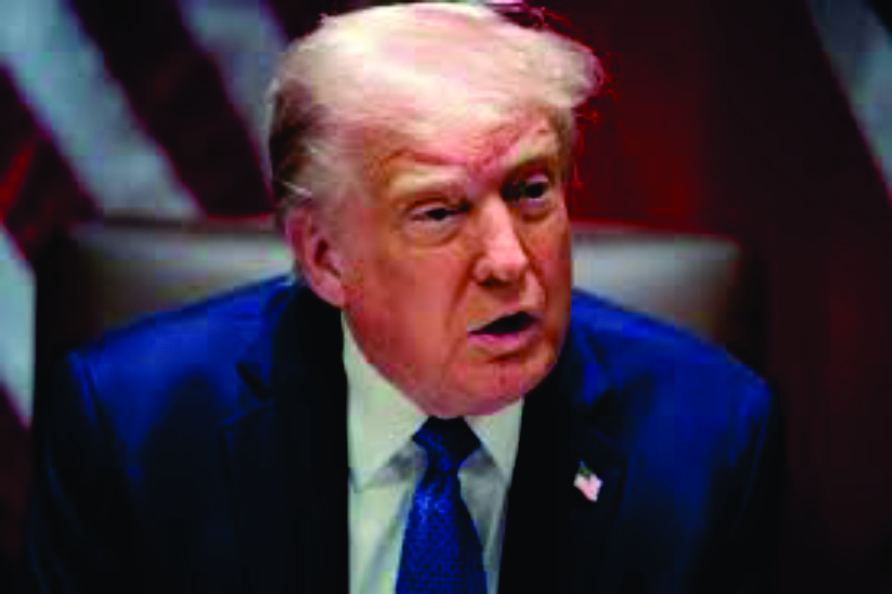
    WASHINGTON, D.C. (NPA), March 3, 2026 — U.S. President Donald Trump has instructed the U.S. International Development Finance Corporation (DFC) to offer political risk insurance and financial guarantees to safeguard maritime trade, particularly energy shipments, transiting the Gulf region.

    The directive comes amid escalating conflict in the Middle East, now in its fourth day, involving U.S. and Israeli strikes against Iran and retaliatory attacks across the Gulf. Iran has threatened to target cargo vessels navigating the Strait of Hormuz, a critical chokepoint for global energy supplies.

    In a statement posted on Truth Social, Trump announced:

    “Effective immediately, I have ordered the United States Development Finance Corporation (DFC) to provide, at a very reasonable price, political risk insurance and guarantees for the financial security of all maritime trade, especially energy, travelling through the Gulf. This will be available to all shipping lines. If necessary, the United States Navy will begin escorting tankers through the Strait of Hormuz as soon as possible. No matter what, the United States will ensure the free flow of energy to the world.”

    Global energy markets have reacted sharply to the escalating tensions. Analysts warn that disruptions to production facilities and refineries following Iranian strikes could drive volatility in international energy prices. However, Trump’s move is viewed by some experts as a stabilising measure that may help contain price fluctuations during the ongoing military campaign, which U.S. officials anticipate could last up to four weeks.

  • NOA, NAFDAC, and FCCPC Launch Joint Enforcement of Sachet Alcohol Ban

    NOA, NAFDAC, and FCCPC Launch Joint Enforcement of Sachet Alcohol Ban

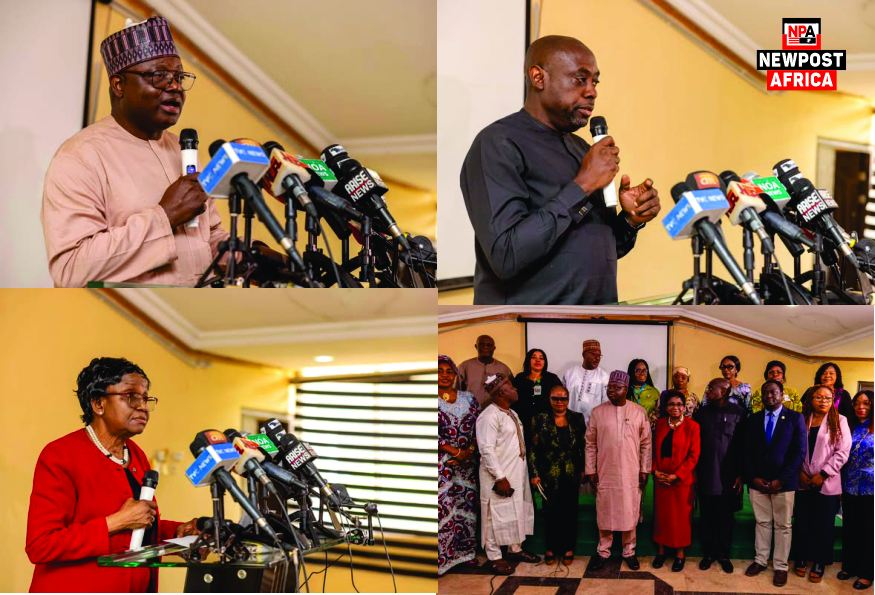
    ABUJA, NIGERIA (NPA), March 3, 2026 — Nigeria’s National Orientation Agency (NOA), in partnership with the National Agency for Food and Drug Administration and Control (NAFDAC) and the Federal Competition and Consumer Protection Commission (FCCPC), has launched a nationwide campaign to enforce the Federal Government’s ban on sachet alcoholic drinks and alcohol packaged in PET or glass bottles below 200 millilitres.

    The campaign was officially flagged of today at NOA Headquarters in Abuja, with NOA leading public sensitisation and behavioural change efforts.

    NOA Director-General Lanre Issa-Onilu described the initiative as a decisive intervention to protect the health and future of Nigerians, particularly young people vulnerable to cheap, high-concentration alcohol. He stressed that the enforcement followed eight years of stakeholder engagement, noting: “What is harmful to national wellbeing cannot be allowed to continue indefinitely.”

    Issa-Onilu also underscored the role of the media, calling the campaign a matter of Development Journalism and a shared national duty. He argued that resistance to the ban should not be seen as protests against the government but against the collective well-being of Nigerians: “They are not demonstrating against the Government of Nigeria; they are demonstrating against the Nigerian people, against you in the media, against our children. This is about public protection.”

    NAFDAC Director-General Mojisola Christianah Adeyeye highlighted findings from a 2021 national survey showing that over 54 per cent of minors purchased alcohol themselves, with nearly half accessing it through sachets and small PET bottles. The study revealed significant levels of daily and weekly consumption among underage persons, underscoring the urgency of regulatory action.

    The FCCPC reaffirmed its commitment to strict compliance, stressing that consumer protection is central to national interest.

    As the lead agency for sensitisation, NOA will deploy its 818 offices across Nigeria’s 774 Local Government Areas to drive grassroots awareness. Community Orientation and Mobilisation Officers will engage youth groups, market associations, transport unions, schools, faith-based institutions, and community leaders through town halls, market outreaches, and multilingual advocacy. The campaign will also leverage media platforms, digital channels, and the NOA CLHEEAN App to enable citizens to report violations.

    NOA called on parents, guardians, retailers, distributors, and community leaders to support the ban and prioritise the well-being of Nigeria’s youth. “Through awareness, compliance, and collective vigilance, we remain committed to building a healthier, safer, and more responsible nation,” the agency stated.

  • Tinubu Nominates Oyedele as Minister of State for Finance

    Tinubu Nominates Oyedele as Minister of State for Finance

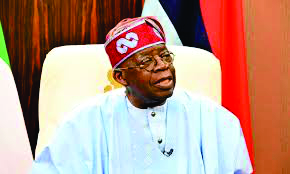
    ABUJA, NIGERIA (NPA), March 3, 2026 — President Bola Ahmed Tinubu has nominated Mr. Taiwo Oyedele as Minister of State for Finance, replacing Dr. Doris Uzoka-Anite, who has been reassigned to the Ministry of Budget and National Planning as Minister of State. This marks her third portfolio in the current administration.

    The nomination was conveyed to the Senate in a letter from the President, according to a statement issued Tuesday by Bayo Onanuga, Special Adviser to the President on Information and Strategy. Oyedele, 50, is an economist, accountant, and public policy expert from Ikaram, Akoko, in Ondo State, southwestern Nigeria.

    Before his nomination, he served as Chairman of the Presidential Committee on Fiscal Policy and Tax Reforms. A former PwC executive, Oyedele holds academic credentials from Yaba College of Technology, Oxford Brookes University, the London School of Economics, Yale University, the Gordon Institute of Business Science, and Harvard Kennedy School. He is currently a professor at Babcock University and a visiting scholar at Lagos Business School.

  • Nigeria Government, AFC seal $1.3bn Alumina Refinery investment pact

    Nigeria Government, AFC seal $1.3bn Alumina Refinery investment pact

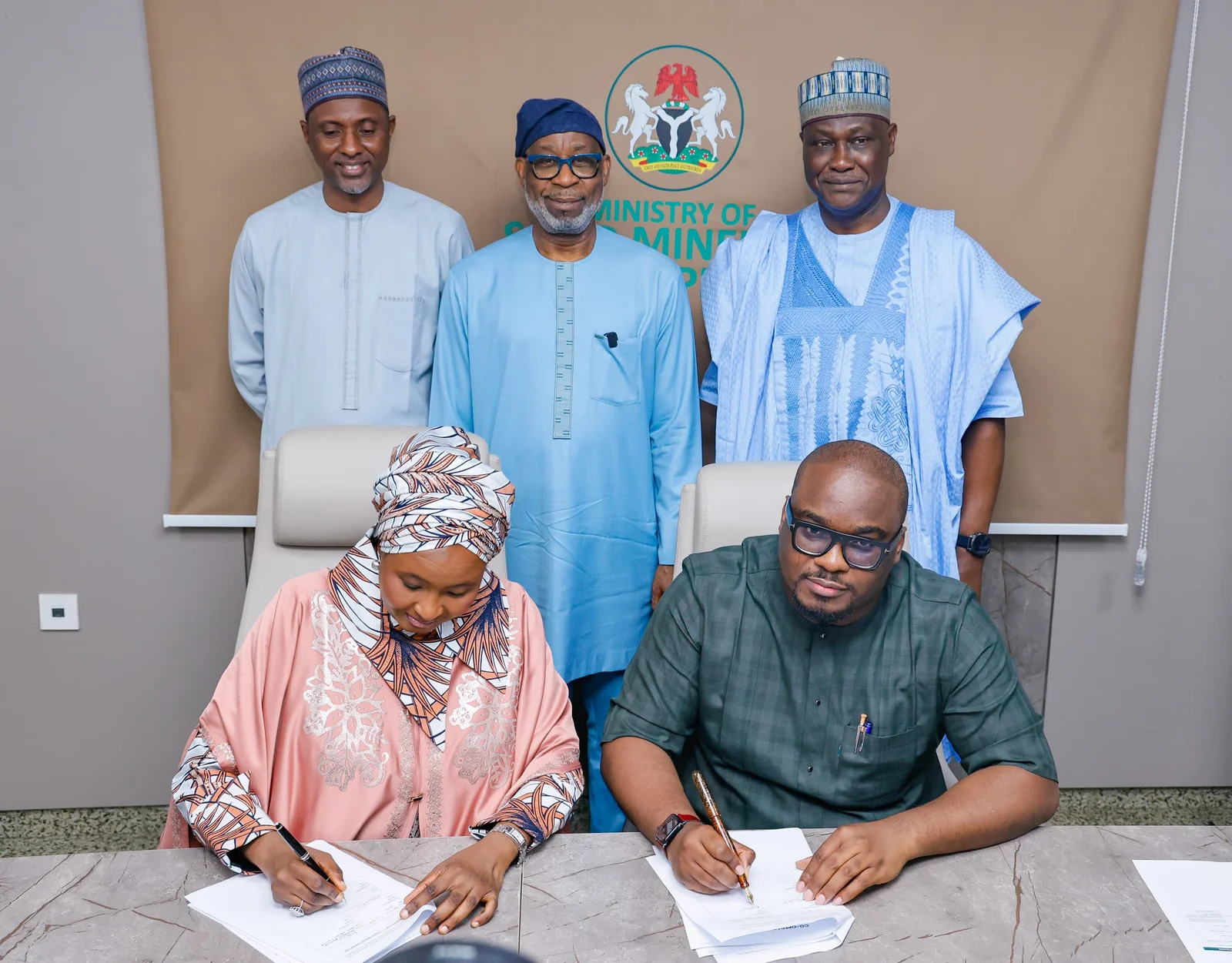
    ABUJA, NIGERIA (Agency Report), March 3, 2026 — The Federal Government and Africa Finance Corporation (AFC) have signed an investment partnership to jointly fund three projects, including a 1.3 billion dollar Alumina Refinery.

    The Minister of Solid Minerals Development, Dele Alake, described the agreement as a landmark deal to transform mining and boost its GDP contribution.

    A statement by the minister’s Special Assistant on Media, Segun Tomori, said the pact was signed on Sunday in Abuja.

    Executive Secretary, Solid Minerals Development Fund, Hajiya Fatima Shinkafi, signed for the government, while Franklin Edochie, AFC Deputy Director and Head of Metals and Mining, signed for the corporation.

    Other projects include a comprehensive geoscience mapping exercise and the creation of an investment vehicle to advance the initiatives.

    The alumina refinery, valued at 1.3 billion dollars, will process one million tonnes of bauxite annually.

    “The facility is designed for about 20 years at 95 per cent utilisation, with total alumina output projected at 19 million tonnes,” Alake said.

    He said the project would be Nigeria’s largest private mining investment and a landmark foreign direct investment, contributing 1.2 billion dollars to GDP yearly.

    Alake added that it would generate over 25 billion dollars for the economy across its lifecycle and eight billion dollars in foreign exchange earnings.

    He commended AFC and SMDF for aligning with the ministry’s seven-point agenda through the partnership.

    Alake said reforms had secured the investment climate, modernised regulations and established a world-class mineral licensing regime attracting serious private capital. “I have granted all necessary approvals to fast-track the AFC–SMDF investments.

    “I have directed relevant agencies to ensure seamless processing and grant of all permits, titles and regulatory clearances for timely execution,” he said.

    Initial feasibility studies by AFC and SMDF confirmed the project’s commercial viability and competitiveness.

    The initiative supports the ministry’s goal of generating reliable mineral data, de-risking exploration and unlocking Nigeria’s mineral potential. 

    AFC and SMDF also agreed to establish a joint strategic investment vehicle to accelerate development of identified exploration assets nationwide.

    The vehicle will drive rapid exploration, development and production on selected leases following a successful exploration campaign. 

  • IMF announces date and venue for 2026 Annual Meetings

    IMF announces date and venue for 2026 Annual Meetings

    WASHINGTON, D.C., USA (NPA), March 3, 2026 — The International Monetary Fund (IMF) and the World Bank Group (WBG) have announced that their 2026 Annual Meetings will be held in Bangkok, Thailand, from October 12–18, 2026.

    In a statement released Tuesday, the institutions said hosting the meetings in Bangkok highlights Thailand’s role as a regional and global convening hub, reflecting its economic resilience, institutional progress, and sustained engagement with international partners over the past three decades.

    Thailand last hosted the Annual Meetings in 1991. The return of the event after more than three decades underscores the country’s advancement and Asia’s growing influence in shaping the global economic and financial stability agenda.

    Reiterating the importance of the Annual Meetings, the IMF and WBG noted that the gatherings bring together central bankers, finance and development ministers, private sector executives, civil society representatives, think tanks, and academics to discuss pressing global issues, including the world economic outlook, financial stability, poverty eradication, inclusive growth, and job creation.

    Traditionally, the Annual Meetings are held in Washington, D.C., for two consecutive years, followed by a third year in a member country. This rotation reflects the global nature of the institutions’ membership, fosters closer engagement with regional stakeholders, and provides the host country with a platform to showcase its role in the international economic community.

    The IMF/WBG Annual Meetings are among the largest gatherings in global finance and development. They convene finance ministers and central bank governors from the IMF’s 191 member countries, senior government officials, executive directors of the IMF and World Bank, private sector leaders, civil society organizations, academics, and media representatives covering global economic and financial issues.

  • Dangote Industries warns against impersonators and fraudulent social media accounts

    Dangote Industries warns against impersonators and fraudulent social media accounts

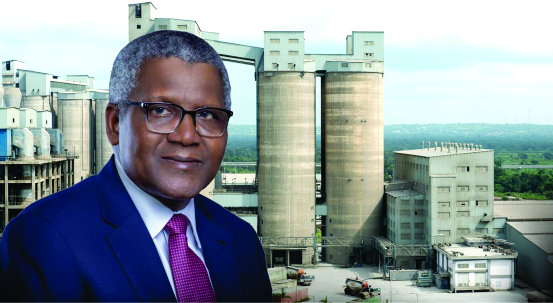
    LAGOS, NIGERIA (NPA), March 3, 2026 — Dangote Industries Limited has issued a public warning over the growing number of impersonation and fraudulent activities carried out by individuals falsely claiming to represent the company, its leadership, and members of the Dangote family.

    In a statement released on Tuesday, the company said impostors have been using the names of its executives and family members to defraud unsuspecting individuals through fake investment offers, business proposals, charity solicitations, employment promises, and other deceptive schemes.

    The company emphasized that neither Dangote Industries Limited, its Group President Aliko Dangote, nor any executive or family member—including Fatima Aliko Dangote, Mariya Aliko Dangote, and Halima Aliko Dangote—solicit funds, investments, contracts, or personal information via WhatsApp, X (formerly Twitter), TikTok, LinkedIn, Facebook, Instagram, or any other social media platform. It further clarified that neither Aliko Dangote nor the company maintains accounts on Facebook or TikTok.

    “For the avoidance of doubt, under no circumstances do the company’s executives initiate direct contact with private individuals through social media channels for financial transactions, business opportunities, or personal requests,” the statement read.

    Dangote Industries urged the public to disregard unsolicited messages, calls, or social media accounts claiming affiliation with the company or its executives. It stressed that all official communications are disseminated exclusively through verified corporate channels and recognized media outlets.

    The company reaffirmed its commitment to protecting brand integrity and public safety, noting that it is working closely with security and law enforcement agencies to investigate and prosecute those behind these fraudulent activities. Members of the public who receive suspicious communications are encouraged to report such incidents to the appropriate authorities immediately.

  • Tinubu deploying economic tools to lift Nigeria out of decadence, profligacy – IMPI

    Tinubu deploying economic tools to lift Nigeria out of decadence, profligacy – IMPI

    A policy group, the Independent Media and Policy Initiatives (IMPI), says President Bola Tinubu has turned around Nigeria’s economy by deploying economic tools.

    The group said this in a statement issued by its Chairman, Dr Omoniyi Akinsiju.

    Akinsiju said that it was the best way to wean the country off decades of profligacy.

    He said, like the U.S.A., Nigeria has had periods of decadent public values and the normalisation of profligacy in high offices.

    “Before the economic reforms initiated by Tinubu in May 2023, the Nigerian economy was characterised by a deeply entrenched oligarchy.

    “A small group of political elites, military officers, and business moguls controlled state resources.

    “This structure was sustained by a patronage system, particularly in the oil sector, which benefited a select few while the majority of the population faced poverty,” he said.

    Akinsiju said that the “pre-reform” economic landscape was defined by several key oligarchic and structural features.

    He said that a significant portion of the oligarchy benefited from the fuel subsidy system, which was described as being rife with corruption.

    “The existence of multiple exchange rate windows allowed “FX subsidy merchants” to exploit the gap between official and parallel market rates, effectively draining government finances.

    “Economic power was heavily concentrated in the petroleum industry, with access to oil revenues controlled by those in power and their close associates.

    “By the time Tinubu assumed office, Nigeria was spending approximately 97 per cent of its total revenue on debt servicing, a situation described as disastrous, ” he said.

    Akinsiju said that data showed that Nigeria’s export profile changed significantly after 2014, resetting to a lower range that has persisted in spite of periodic recoveries.

    He said that Nigeria reached a peak crude oil and gas export value of 93.89 billion dollars in 2011, the highest in the dataset.

    “At this time, however, we can submit with much assertion that the Federal Government has, indeed, taken Nigeria out of the woods.

    “This is evidenced by a turnaround economy that shows an indication of stability while unlocking the stranglehold of the oligarchs on the nation’s economy.

    “The IMPI also identified some of the policies and programmes of the Tinubu administration that set the country on the path of economic stability,” he said.

    According to him, to support our assertion of an ideology-based economic turnaround, we itemise some of the key tools of progressivism that the President Bola Ahmed Tinubu-led federal administration has deployed to accomplish the present feat.

    “These include fiscal policy and taxation, redistributive spending, estate and wealth taxes, labour and wealth protection, monetary and financial reforms, infrastructure development, and public investment and ownership,” he said.

    Akinsiju also provided some insights into the impact of economic progressivism on the landscape.

    According to him, allocations from the Federation Account Allocation Committee (FAAC) in 2025 experienced a significant surge.

    “The three tiers of government shared more than N33.27 trillion in the first eleven months, a 30 per cent increase over the same period in 2024.

    “This growth, driven by subsidy removal and exchange rate reforms, included record monthly distributions, such as N3.64 trillion in September 2025, significantly boosting subnational revenue.

    “Inflation, while still in double digits, has dropped by over half from a peak of 34.6 per cent in November 2024, to 15.10 per cent in January 2026, reflecting over nine months of consistent disinflation,” he said.

    He said that the situation had largely restored real purchasing power for households and businesses, with Nigerians now reaping the benefits of the exchange rate unification.

    According to him, Nigeria’s food inflation rate eased to 8.89 per cent year-on-year in January 2026.

    “This marks its first single-digit reading in 128 months and the lowest level in 174 months.

    ” The January Consumer Price Index (CPI) report shows food inflation declined from 29.63 per cent recorded in January 2025 to 8.89 per cent in January 2026, a sharp 20.73 percentage point year-on-year drop.

    “The 8.89 per cent reading is the first time food inflation has fallen below 10 per cent since May 2015, when it stood at 9.78 per cent.

    “January 2026, therefore, ends a stretch of more than 10 years of persistent double-digit food inflation.

    More significantly, the January figure is the lowest since August 2011, when food inflation was 8.66 per cent,” Akinsiju said. (NAN).

  • Nigeria Building Roads Designed to Last 100 Years, Umahi Praises Tinubu’s Southeast Infrastructure

    Nigeria Building Roads Designed to Last 100 Years, Umahi Praises Tinubu’s Southeast Infrastructure

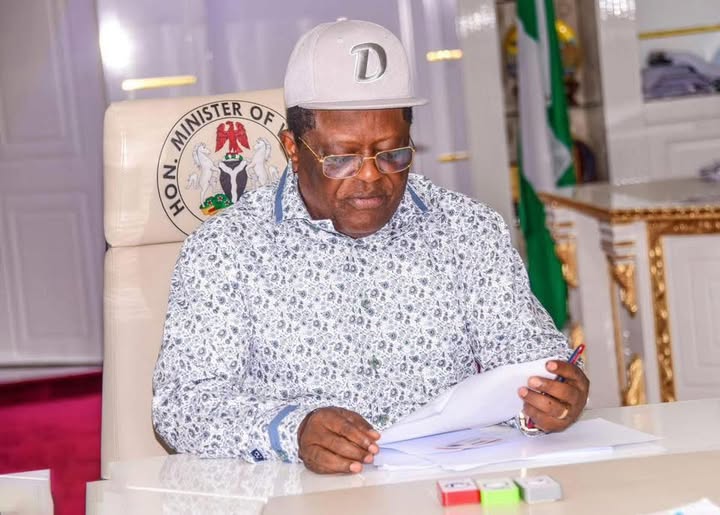
    ENUGU, NIGERIA (NPA): Nigeria’s Minister of Works, Engr. David Umahi has announced that the roads currently being constructed under the administration of President Bola Tinubu are designed to last for up to 100 years. Umahi made this statement on February 28, 2060, during an inspection of the ongoing 107-kilometre Onitsha–Awka–Enugu Expressway.

    Speaking at the project site, Umahi explained:
    “The design of the project involves a first binder, a second binder, and a wearing course. If you do the primer, everything is 94,000 per square meter. We are constructing concrete roads that will last the next 100 years. If concrete can last 100 years, why should I use asphalt?”

    The project, being executed under the Federal Government’s tax-credit scheme in partnership with MTN Nigeria, was initially awarded for ₦202 billion. Umahi emphasised that the shift from asphalt to concrete in road construction is a deliberate policy aimed at durability and long-term economic growth.

    He expressed satisfaction with the speed and quality of work being carried out by Reynolds Construction Company (RCC), describing the expressway as President Tinubu’s “legacy project” in the Southeast.  “The quality of what the President is doing will remain a legacy. I urge the people of the Southeast to support the President’s Renewed Hope agenda. Past governments neglected this road, but President Tinubu has shown the audacity to correct this abnormal situation,” Umahi said.

    According to the minister, RCC has already completed 20 kilometres of concrete pavement, with 13 kilometres remaining. The full 107-kilometre project includes reinforced concrete pavement, solar-powered streetlights, CCTV surveillance, speed monitoring systems, and security patrol vans.  “Nobody guarantees asphalt to last more than 15 years in this country, but with concrete roads under President Tinubu, we guarantee durability for up to 100 years,” he added.

    Umahi further highlighted other ongoing concrete road projects across the country, including the East–West Road, Lagos–Calabar Coastal Highway, Trans-Saharan route, and Sokoto–Badagry corridor. He directed that the RCC/MTN Cash Credit Project be executed with inner and outer shoulders, reinforced laterals, and raised to the existing asphalt level.

    While acknowledging that the project may miss its April completion deadline, Umahi stressed the importance of protecting the road from rainfall before final delivery. He urged residents of the Southeast to appreciate the administration’s efforts:  “Before now, this road was terrible, and people complained on social media. Now that it is being fixed, I encourage you to thank the President and be grateful to God. If you appreciate what has been done, more will follow. The Southeast is on the rise.”

  • White House Press Secretary Leavitt Highlights Trump Administration’s First-Year Achievements

    White House Press Secretary Leavitt Highlights Trump Administration’s First-Year Achievements

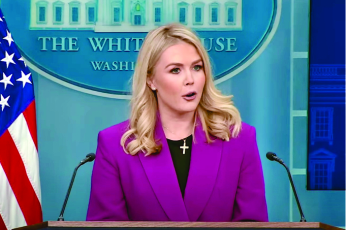
    LAGOS, NIGERIA (NPA)–White House Press Secretary Karoline Leavitt has praised the performance of U.S. President Donald Trump, describing his first year in office as marked by “undeniable results.”

    In a statement posted on X on Friday, Leavitt asserted that the United States now has “the most secure border in history,” citing the removal of tens of thousands of undocumented immigrants accused of violent crimes. She noted that this has contributed to the murder rate reaching “the lowest level in recorded history.”

    Leavitt also pointed to economic indicators, clarifying that gas prices had fallen below $3 per gallon nationwide, mortgage rates dropped to four-year lows, and inflationary pressures were easing. “Mortgage rates fell below 6% this week for the first time in more than three years, welcome news for house hunters heading into the busy spring home-buying season,” she said.

    Additional measures highlighted included tax reforms, such as exemptions on tips, overtime, and Social Security contributions, as well as lower prescription drug costs under the “Trump Rx” initiative. According to Leavitt, these policies have led to “a nearly $1,500 increase in real wages” and positioned American patients to pay “the lowest prices for prescription drugs anywhere in the world.”

    On financial markets, she emphasized that “the stock market [is] breaking record after record” with “trillions of dollars in investments secured.”

    Leavitt further claimed progress in foreign and social policy, stating that “eight global conflicts ended,” women’s and girls’ sports were “protected,” religious liberty was “respected once again,” and new trade deals were revitalizing U.S. manufacturing.

    She criticized media outlets for allegedly failing to report these developments, framing it as part of a broader dispute between the administration and press organizations.

    Independent data also points to several measurable outcomes during Trump’s second term. U.S. border apprehensions reportedly declined by more than 90%, while refugee admissions fell by nearly 98% compared to previous years. Crime statistics indicated a reduction in homicide rates. Economically, real weekly earnings for private-sector workers rose by 1.4%, outpacing inflation, while GDP grew at an estimated 1.8%. Growth was supported by increased domestic energy production, reinforcing U.S. energy independence.

    In trade and investment, trillions of dollars in capital were reshored to the U.S., accompanied by new trade agreements aimed at strengthening manufacturing. These measures were associated with moderating inflation.

    On foreign policy, the administration engaged in Middle East conflict resolution, including those involving Israel and Hamas, and sought to restrict Iran’s nuclear and ballistic missile programs. However, the Iran issue remains unresolved, with diplomacy at times strained and edging toward military confrontation.