Category: Business

  • DCG Dera Nnadi retires: Nigeria Customs celebrates career of excellence

    DCG Dera Nnadi retires: Nigeria Customs celebrates career of excellence

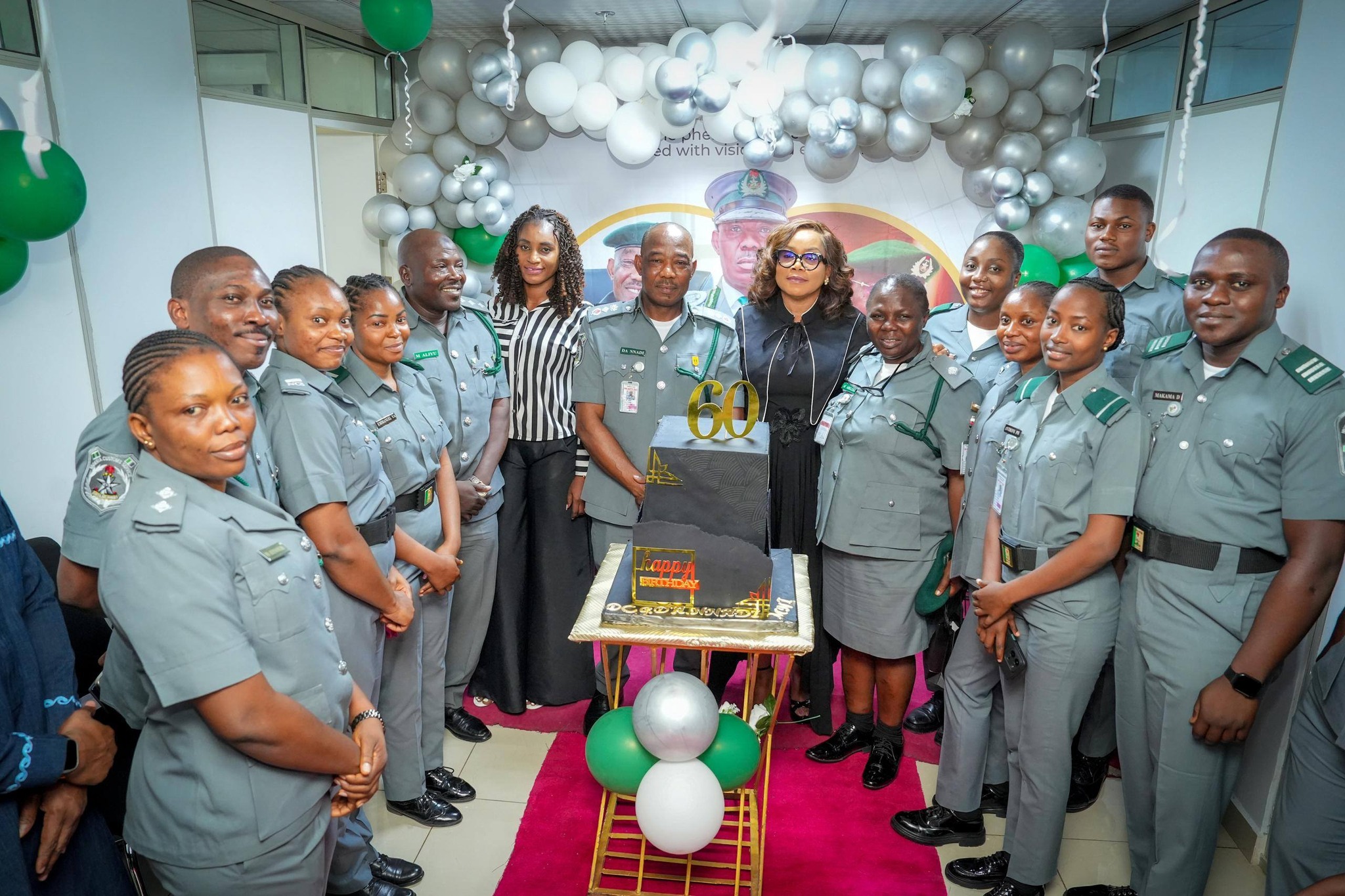
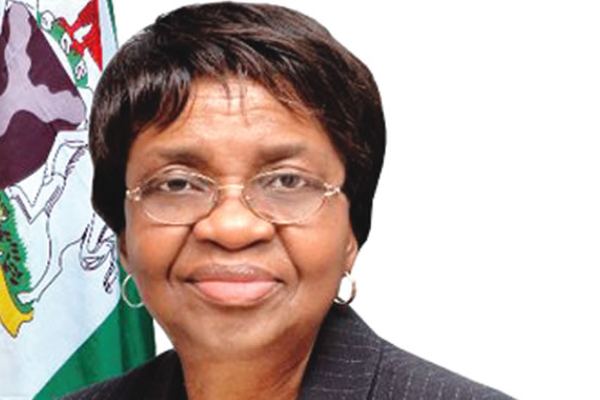
    BUSINESS (NPA) — March 8, 2026 — The Nigeria Customs Service (NCS) has honored the retirement of Deputy Comptroller-General (DCG) Dera Nnadi (Rtd), marking the conclusion of a distinguished career dedicated to national service and institutional growth.

    The farewell ceremony, held on Tuesday, March 3, 2026, at the Service Headquarters in Maitama, Abuja, brought together senior officers, family members, and well-wishers to celebrate his impactful contributions. The event was especially symbolic as it coincided with DCG Nnadi’s 60th birthday, making the occasion both a retirement tribute and a milestone celebration.

    Comptroller-General of Customs (CGC) Adewale Adeniyi led the tributes, describing Nnadi as “an exemplary officer whose professionalism, discipline, and commitment to duty significantly strengthened the values and operational effectiveness of the NCS.”

    According to Adeniyi, the ceremony was not only a celebration of a successful career but also an acknowledgment of the sacrifices made by officers who dedicate their lives to safeguarding Nigeria’s economic and border security. He emphasized that Nnadi’s career embodied the Service’s core ideals of leadership, revenue generation, and trade facilitation.

    “Today is a moment of celebration and reflection. It is also an opportunity for us to thank Almighty God for the grace that has sustained our colleague throughout his years of service,” the CGC said.

    Adeniyi also highlighted his personal bond with the retiree, noting that their relationship extended beyond official duties to family ties. He expressed confidence that Nnadi would continue to contribute meaningfully to national development through academic and professional engagements.

    Members of the Service’s management team praised Nnadi’s integrity, leadership, and mentorship, with officers describing him as a dependable leader who guided younger personnel and strengthened institutional capacity.

    In his response, DCG Dera Nnadi (Rtd) expressed gratitude to the Comptroller-General, management team, and officers of the Service for their support throughout his career. He described his years in the NCS as “a fulfilling journey of growth, learning, and service to the nation.”

  • Cross River bans VIOs from road operations, slashes daily ticket fees

    Cross River bans VIOs from road operations, slashes daily ticket fees

    POLITICS (Agency Report) — March 8, 2026 —The Cross River Government has banned the Vehicle Inspection Officers (VIO) from road operations across the state.

    The governor, who made the announcement in Calabar on Saturday, restricted activities of the VIO to office duties.

    According to a statement by his Chief Press Secretary, Mr Linus  Obogo, the directive followed protests by commercial bus drivers and tricycle operators over high tickets, excessive fines and alleged harassment by enforcement teams.

    The governor, who made other announcements in the sector, said the measures were approved after a meeting with key transport stakeholders.

    According to the statement, other announcements made was the reduction of daily ticket fee from N850 to N500, while the penalty for failure to purchase the ticket had also been reduced to N10,000.

    “All traffic-related fines be slashed by 50 per cent and must be paid only into designated Cross River Government accounts.

    “Daily ticket for tricycle riders has been reduced from N1,200 to N500,

    however, every activity of commercial tricycle operators ends at 6 p.m. daily, night operations are permanently banned,” Otu asserted.

    He said the review was aimed to ease the burden on drivers and restore order in the state’s transport system.

    Speaking further, the governor said the Commercial Transport Regulatory Agency (CTRA) would now focus on vehicle registration and sale of tickets at approved rates.

    He noted that enforcement officers must operate only in proper uniforms and with verifiable identification.

    He directed the Traffic Management and Regulatory Agency (TRAMRA) to restrict its activities to statutory traffic management duties.

    In addition, the governor announced that “commercial bus drivers and tricycle riders will no longer purchase tickets on Saturdays, Sundays and public holidays.”

    “These directives will take effect from March 9, and I urge all residents and transport operators to cooperate with relevant authorities.

    However, speaking to NAN, some commercial drivers said the statement did not address some activities of TRAMRA such as the illegal “no parking order” for drivers who only pick and drop passengers.

    For Johnson Ade, a commercial driver, he said there should be an official release stating the traffic infractions in the state and the fine for each of them.

    He said slashing the fines by 50 per cent was ambiguous, adding that the amounts to be paid for each crime should be clearly stated to prevent criminal elements who posed as government traffic regulatory officials from abusing the directive.

    On his part, Mr Sunday Dennis, Metropolitan Chairman of the Road Transport Employers Association of Nigeria (RTEAN), said they would convene a meeting immediately to critically look at the governor’s statement.

    It would be recalled that series of protests by commercial bus drivers and tricycle operators had led to the suspension of all forms of transport tickets in the state by the government. (NAN).

  • Banking sector recapitalisation progresses as 30 banks meet deadline

    Banking sector recapitalisation progresses as 30 banks meet deadline

    Abuja, Nigeria (Agency Report) — March 7, 2026 — As the March 31 deadline for the bank recapitalisation exercise of the Central Bank of Nigeria (CBN) draws near, the apex bank says 30 banks have met the new capital requirements.

    CBN Acting Director, Corporate Communications Development, Mrs Hakama Sidi-Ali, said this in a statement on Friday in Abuja.

    According to Sidi-Ali, as of March 6, the banks have met the new minimum capital requirements applicable to their respective licence authorisations.

    “In total, 33 banks have raised additional capital through rights issues, initial public offerings (IPOs) and private placements as part of the programme.

    “The capital positions of the remaining banks are currently undergoing the CBN’s routine verification process ahead of final confirmation of compliance within the recapitalisation timeline.

    “The CBN reiterates that the Nigerian banking system remains stable and sound.

    “The recapitalisation programme remains firmly on track and will further strengthen the capacity of the banking sector to support households, businesses, and sustainable economic growth,” she said.

    She said that the CBN will continue to maintain close supervisory engagement with regulated institutions to ensure full compliance with prudential and capital requirements.

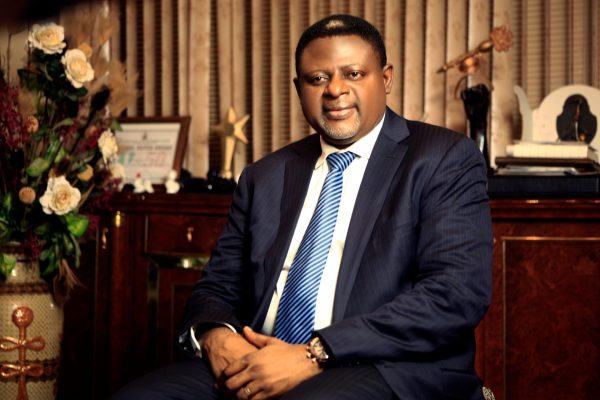
    Meanwhile, the Governor of CBN, Mr Olayemi Cardoso, had earlier said that the banking sector recapitalisation programme was progressing in accordance with the approved regulatory timetable.

    Speaking at the close of the 304th Monetary Policy Committee (MPC) media briefing, on Feb. 24, Cardoso said that 20 banks had fully met the new minimum capital requirements.

    He said that a further 13 banks were at advanced stages of their capital-raising processes and were expected to conclude within the stipulated timeframe.

    He said that institutions still finalising their plans were assessing a variety of strategic options, including consolidation where suitable, as part of efforts to meet compliance within the remaining timeframe.

    Cardoso also said that, as of February 19, the total verified and approved capital raised under the programme was N4.05 trillion.

    He provided a breakdown showing that N2.90 trillion (71.67 per cent) was mobilised domestically, while 706.84 million dollars, estimated at N1.15 trillion (28.33 per cent), reflected foreign participation.

    According to the CBN governor, this balanced mix signals broad investor engagement and growing confidence in the sector.

    He also discussed the status of institutions currently under regulatory intervention, noting that specific legal and structural factors influence the order of recapitalisation measures for these banks.

    He said the CBN remained actively engaged with relevant stakeholders to ensure orderly and credible outcomes while maintaining financial stability.

    Cardoso reassured stakeholders that depositor funds in those institutions remained secure and that operations continued under strict regulatory oversight.

    He expressed optimism that the market would see substantial alignment with the new capital requirements by the cut-off date.

    The News Agency of Nigeria (NAN) reports that the CBN introduced a recapitalisation programme for the banking sector in 2024.

    This is to strengthen the resilience, stability and long-term capacity of the financial system to support Nigeria’s economic development.

    Since the introduction of the policy, banks across the industry have taken steps to strengthen their capital base in line with the revised regulatory requirements.

    Under the CBN framework, minimum capital thresholds include: N500 billion for commercial banks with international authorisation, N200 billion for national authorisation, N50 billion for regional commercial banks, N50 billion for merchant banks.

    It also include  N20 billion and N10 billion for national and regional non-interest banks respectively. (NAN).

  • BREAKING: Tinubu approves posting of 65 ambassadors and high commissioners

    BREAKING: Tinubu approves posting of 65 ambassadors and high commissioners

    Abuja, Nigeria (NPA) — March 6, 2026 — President Bola Ahmed Tinubu has approved the deployment of 31 career and 34 non-career ambassadors to various countries and the United Nations. The Senate confirmed the nominees last December.

    In a statement by Bayo Onanuga, Special Adviser to the President (Information and Strategy), Reno Omokri was assigned to Mexico, while Femi Fani-Kayode will serve in Germany.

    Non-Career Ambassadors / High Commissioners

    1. Senator Grace Bent — Lome, Togo
    2. Sen. Ita Enang — South Africa
    3. Ikpeazu Victor — Spain
    4. Nkechi Linda Ufochukwu — Tel Aviv, Israel
    5. Mahmud Yakubu — Qatar
    6. Paul Oga Adikwu — Vatican City, Holy See
    7. Vice Admiral Ibok-Ete Ekwe Ibas — Philippines
    8. Reno Omokri — Mexico City, Mexico
    9. Hon. Abasi Braimah — Budapest, Hungary
    10. Erelu Angela Adebayo — Portugal
    11. Olumilua Oluwayimika Ayotunwa — Tokyo, Japan
    12. Rt. Hon. Ugwuanyi Ifeanyi Lawrence — Athens, Greece
    13. Chioma Priscilla Ohakim — Warsaw, Poland
    14. Aminu Dalhatu — United Kingdom
    15. Lt. Gen. Abdulrahman Bello Dambazau — Beijing, China
    16. Hon. Tasiu Musa Maigari — Gambia
    17. Olufemi Pedro — Australia
    18. Muhammed Ubandoma Aliyu — Argentina
    19. Lateef Kayode Are — United States
    20. Amb. Joseph Sola Iji — Russia
    21. Sen. Jimoh Ibrahim — UN Permanent Representative
    22. Femi Fani-Kayode — Germany
    23. Prof. Isaak Folorunso Adewole — Ottawa, Canada
    24. Ajimobi Fatima Florence — Austria
    25. Lola Akande — Sweden
    26. Ayo Oke — France
    27. Yakubu N. Gambo — Saudi Arabia
    28. Sen. Prof. Nora Ladi Daduut — Seoul, South Korea
    29. Onueze Chukwujika Joe Okocha SAN — Dublin, Ireland
    30. Dr Kulu Haruna Abubakar — Tunis, Tunisia
    31. Rt. Hon. Jerry Samuel Manwe — Port of Spain, Trinidad & Tobago

    Career Ambassadors / High Commissioners

    1. Nwabiola Ezenwa Chukwumeka — Côte d’Ivoire
    2. Besto Maimuna Ibrahim — Niamey, Niger
    3. Monica Okwuchukwu Enebechi — São Tomé, STP
    4. Mohammed Mahmud Lele — Algiers, Algeria
    5. Endoni Syndoph Paebi — Ouagadougou, Burkina Faso
    6. Ahmed Mohammed Monguno — Cairo, Egypt
    7. Jane Adams (née Okon) Michael — Kingston, Jamaica
    8. Clark-Omeru Alexandra — Lusaka, Zambia
    9. Chima Geoffrey Lioma David — Bamako, Mali
    10. Odumah Yvonne Ehinosen — Malabo, Equatorial Guinea
    11. Wasa Segun Ige — Beirut, Lebanon
    12. Ruben Abimbola Samuel — Rome, Italy
    13. Onaga Ogechukwu Kingsley — Maputo, Mozambique
    14. Magaji Umar — Kinshasa, DR Congo
    15. Muhammad Saidu Dahiru — New Delhi, India
    16. Abdussalam Habu Zayyad — Dakar, Senegal
    17. Shehu Ilu Barde — Accra, Ghana
    18. Aminu Nasir — Ethiopia
    19. Abubakar Musa Musa — N’Djamena, Chad
    20. Haidara Mohammed Idris — The Hague, Netherlands
    21. Bako Adamu Umar — Rabat, Morocco
    22. Sulu Gambari Olatunji Ahmed — Malaysia
    23. Romata Mohammed Omobolanle — Tanzania
    24. Shaga John Shamah — Botswana
    25. Salau Hamza Mohammed — Tehran, Iran
    26. Ibrahim Danlami — Kenya
    27. Ibrahim Adeola Mopelola — Cotonou, Benin
    28. Ayeni Adebayo Emmanuel — Brussels, Belgium
    29. Akande Wahab Adekola — Berne, Switzerland
    30. Arewa (née Adedokun) Esther — Windhoek, Namibia
    31. Gergadi Joseph John — Libreville, Gabon
    32. Luther Ogbomode Ayo-Kalata — Sierra Leone
    33. Danladi Yakubu Nyaku — Khartoum, Sudan
    34. Bello Dogon-Daji Haliru — Bangkok, Thailand

    The Ministry of Foreign Affairs has already received agrément for Ambassador Aminu Dalhatu (UK) and Ambassador Ayo Oke (France). Requests for agrément have been sent to other host countries in line with diplomatic protocol.

    President Tinubu has directed the Ministry to immediately commence induction programmes for the ambassadors-designate and high commissioners ahead of their formal assumption of duty.

  • NAFDAC warns of fake, unapproved HIV test kits in Nigeria

    NAFDAC warns of fake, unapproved HIV test kits in Nigeria

    Abuja, Nigeria (NPA) — March 6, 2026 — The National Agency for Food and Drug Administration and Control (NAFDAC) has issued a public alert regarding counterfeit and unapproved versions of the VISITECT HIV Advanced Disease Test Kits circulating in Nigeria.

    In Public Alert No. 011/2026, the agency cautioned healthcare providers, patients, and the general public about reports of falsified and parallel-imported, unregistered versions of the kits being sold through unauthorized channels.

    According to NAFDAC, the Marketing Authorisation Holder (MAH), EURO SPECS International Nigeria Limited, confirmed the existence of these counterfeit products.

    The VISITECT CD4 Advanced Disease assay is a rapid, instrument-free lateral flow test designed to identify patients with severe HIV (CD4 count < 200 cells/µL) within 40 minutes using blood samples. It is considered a vital diagnostic tool in resource-limited settings, enabling timely triage for patients requiring advanced care.

    NAFDAC noted a key discrepancy in the counterfeit kits: the fake product labels display a three-year shelf life (2024-08 to 2027-01), whereas the agency has only approved an 18-month shelf life for the genuine product.

    Healthcare professionals are urged to:

    • Review stocks in hospitals, clinics, and pharmacies.
    • Report suspected falsified or compromised products to the nearest NAFDAC office.
    • Call 0800-162-3322 or email sf.alert@nafdac.gov.ng for immediate reporting.
  • Anambra State reclaims 10 oil wells amid boundary disputes with Delta

    Anambra State reclaims 10 oil wells amid boundary disputes with Delta

    Awka, Nigeria (NPA) — March 6, 2026 — The Anambra State Government has announced the recovery of 10 oil wells located around the Anambra River Basin, which had previously been credited to Delta State due to long-standing boundary disputes.

    Charles Ofoegbu, Managing Director of the Anambra State Solid Mineral Development Company and Chairman of Anambra State Petroleum Energy Resources Limited, disclosed the development to journalists in Awka on Thursday. He explained that once the Revenue Mobilisation Commission verifies the reclaimed wells, Anambra will begin receiving additional revenue from them. “However, about 10 oil wells located around the Anambra River Basin, belonging to the state but initially seeded to Delta State, have been recovered,” he said.

    Ofoegbu noted that Anambra, officially recognised as an oil-producing state in 2025 with an initial output of 3,000 barrels per day, is also working with foreign investors to establish a modular refinery in Ossamala, Ogbaru Local Government Area. “This modular refinery will produce petroleum and diesel to serve Anambra State and its neighbouring states, which will generate huge revenue for the state,” he added.

    Beyond oil, the state is expanding its mineral sector, with a kaolin mining site opening in Ukpor, Nnewi South, and plans for a bentonite processing plant in Achalagu, Nteje. Ofoegbu emphasised that these projects, alongside the reclaimed oil wells, will increase Anambra’s share of the 13 per cent oil derivation fund from the federal government and strengthen the administration of Governor Chukwuma Soludo.

  • U.S. assure of energy security amid Iran conflict

    U.S. assure of energy security amid Iran conflict

    WASHINGTON, D.C. (NPA) — March 5, 2026 — The United States government has sought to calm fears of an energy crisis as military operations with Israel against Iran intensify. White House Press Secretary Karoline Leavitt said Thursday that President Donald Trump’s administration has positioned the U.S. as the world’s largest producer of crude oil and natural gas, ensuring resilience against supply shocks.

    Leavitt noted that beyond domestic production, Washington is exploring opportunities to strengthen energy dominance by tapping newly discovered reserves in Venezuela. She added that the U.S. Development Finance Corporation will provide political risk insurance for crude carriers and cargo ships operating in the Gulf, while the U.S. Navy stands ready to escort tankers through the Strait of Hormuz if necessary. “Rest assured — President Trump’s entire energy team has been preparing for this, and they are all over it,” she said.

    Global oil markets, however, have already reacted sharply to the conflict. Crude prices surged more than 8% in early March, with gas and LNG markets also spiking amid fears of prolonged supply disruptions. Analysts warn that higher energy costs could fuel inflation worldwide, while investors have shifted toward gold and defence stocks as safe havens. Iran’s Revolutionary Guard has claimed to have shut the Strait of Hormuz, a critical chokepoint for global oil flows, raising concerns of sustained price volatility.

    In Nigeria, as the hostilities pushed global crude prices above $90 per barrel, petrol prices rose to ₦824–₦880 per litre, with regional variations based on transport and supply chain costs.

    Economic forecasters, including Oxford Economics, project that the war could last weeks or months, keeping energy markets unstable. Morgan Stanley cautioned that inflationary pressures may constrain central banks, limiting their ability to raise interest rates. The longer the conflict and Gulf disruption persist, the more severe the global economic fallout is expected to be.

  • FG Abuja–Kaduna highway reconstruction reaches 80% completion

    FG Abuja–Kaduna highway reconstruction reaches 80% completion

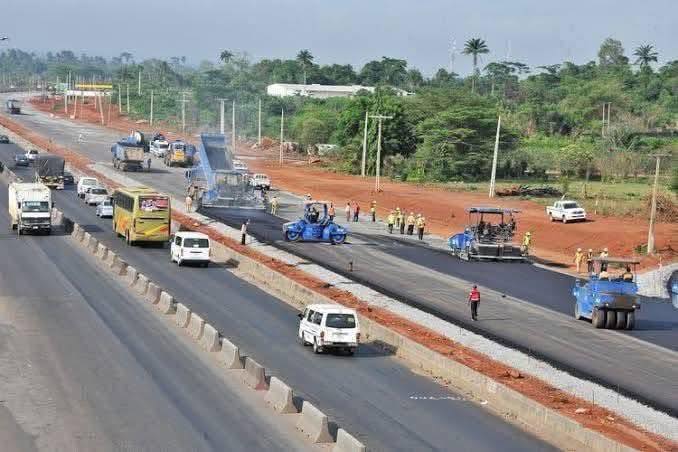
    LAGOS, NIGERIA (NPA) — March 4, 2026 — The Federal Government of Nigeria announced Thursday that rehabilitation works on the Abuja–Kaduna highway have reached 80 per cent completion.

    Francis Nwaze, Senior Special Assistant on Media to the Minister of Works, confirmed the milestone in a statement, noting that the project is on track for commissioning.

    Nwaze credited the administration of President Bola Ahmed Tinubu and the oversight of Minister of Works, Senator David Umahi, for tightening accountability measures and closing loopholes that previously allowed public funds to be misused without tangible results.

    “The Abuja–Kaduna Road is now over 80 per cent completed and expected to be ready for commissioning by April,” the statement read. “The progress is visible, and the transformation of Nigeria’s road infrastructure is steady, real, and unstoppable.”

    Under Tinubu’s administration, Umahi has supervised several major road projects, including the reconstruction of the Ibadan–Ife–Ilesa dual carriageway, the completion of the Suleja–Minna road, the rehabilitation of the Kano–Kongolam highway, the reconstruction of the Onitsha-Awka-Enugu expressway, and the reconstruction of Lagos’ Carter Bridge, amongst others. These works form part of a broader portfolio of more than 2,000 inherited road contracts valued at ₦13 trillion, which the ministry has been restructuring and prioritising.

  • WTO and EIB forge partnership to boost sustainable trade and investment

    WTO and EIB forge partnership to boost sustainable trade and investment

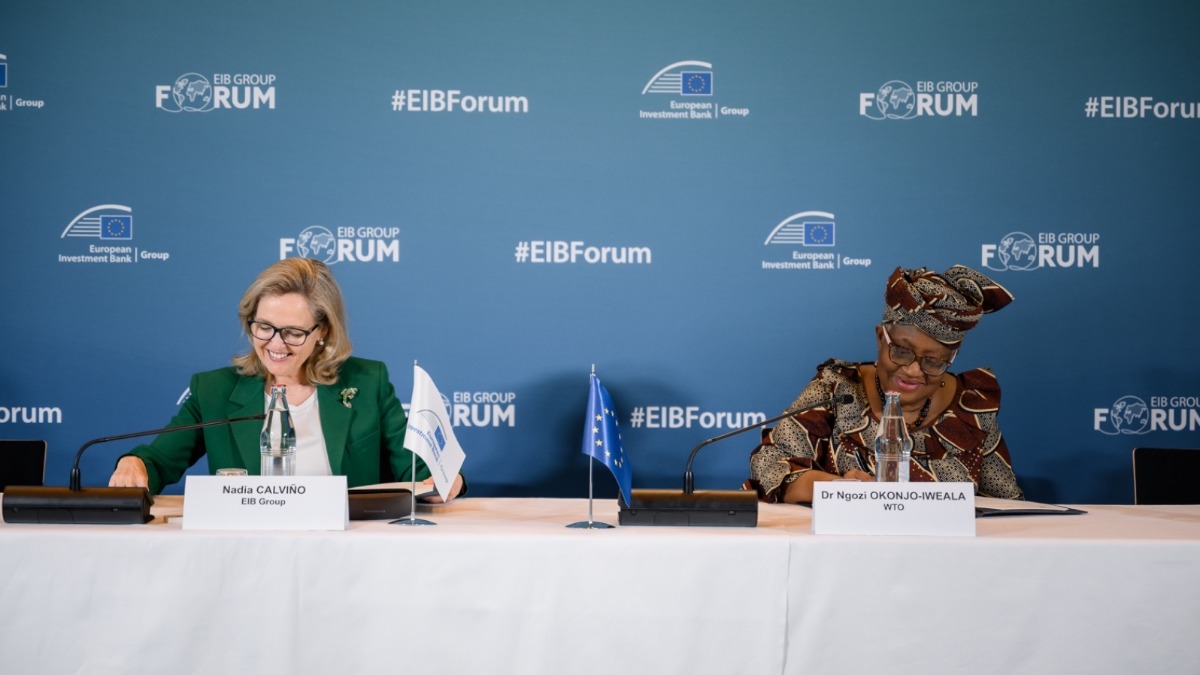
    Luxembourg — March 4, 2026 (NPA) — The World Trade Organisation (WTO) Secretariat and the European Investment Bank (EIB) Group have signed a Memorandum of Understanding (MoU) to strengthen sustainable trade and investment worldwide, with a particular focus on developing countries.

    The agreement, signed by WTO Director-General Ngozi Okonjo-Iweala and EIB Group President Nadia Calviño during the EIB Group Forum in Luxembourg, establishes the EIB-WTO Trade and Investment Facilitation Initiative. This initiative will support regulatory reforms, investment planning, and project preparation aimed at unlocking new opportunities for developing economies.

    The partnership builds on the Investment Facilitation for Development Agreement, endorsed by 128 WTO members, which sets the first global framework to ease foreign direct investment flows. Under the MoU, the WTO and EIB will collaborate to assess countries’ needs, design reform strategies, and mobilise funding — including blended finance and private capital — to support investment projects.

    In its pilot phase, the initiative will target selected African countries, focusing on critical sectors such as green and digital transitions, health, education, sustainable growth, and job creation.

    “This partnership aligns policy reform efforts with catalytic financing, and thus promises to unlock private investment in strategic sectors, beginning with a pilot group of African countries,” said WTO Director-General Ngozi Okonjo-Iweala.

    EIB Group President Nadia Calviño emphasised Europe’s commitment to fair global trade, noting that the agreement “will help partner countries attract more and better-quality investment, while supporting reform and creating new trading opportunities for EU businesses.”

    Beyond financing, the WTO and EIB will also collaborate on research and analysis of global trade and investment trends to guide policy decisions.

  • CBN diversifies reserves with $3.5bn locally sourced LBMA gold

    CBN diversifies reserves with $3.5bn locally sourced LBMA gold

    Abuja, Nigeria (Agency Report) — March 5, 2026 — Lagos, March 4, 2026 (NAN) The Central Bank of Nigeria (CBN) has taken delivery of responsibly sourced gold refined to London Bullion Market Association (LBMA) Good Delivery standards into its foreign reserves.

    A statement by the apex bank on Wednesday said that this brings the CBN’s total gold holdings to 3.5 billion dollars, marking a significant step in its reserve diversification strategy.

    The gold, sourced in Nigeria, was aggregated by the Solid Minerals Development Fund (SMDF) through the National Gold Purchase Programme (NGPP).

    The programme involves local miners and operates within a responsible sourcing framework aligned with the Organisation for Economic Co-operation and Development (OECD) Due Diligence Guidelines and the World Gold Council’s London Principles.

    Speaking at a recent workshop on Strategies to Maximise the Economic Benefits of Minerals in Nigeria, CBN Governor, Mr Olayemi Cardoso, said that the CBN acquired the monetary-grade gold in Naira.

    Cardoso the gold was acquired at pricing linked to LBMA benchmarks, a structure designed to preserve Nigeria’s foreign exchange holdings while strengthening the nation’s gold reserves.

    He said that by purchasing domestically refined gold without deploying foreign currency, the transaction enhances reserve accretion and supports broader macroeconomic stability objectives.

    He also highlighted major shifts in global reserve management strategies, noting their increasing importance amid rising global economic uncertainties.

    Cardoso described the event as a reflection of Nigeria’s shared commitment to responsible and strategic management of its mineral resources.

    He said that the workshop underscored the nation’s readiness to adapt to the realities of an evolving global economy, where resilience, diversification, and prudent governance have become increasingly vital.

    He further said that the session was convened by the CBN’s Corporate Secretariat and Reserve Management Departments to create a platform for engagement with key players in the gold sector.

    The CBN governor said that the session was aimed at deepening understanding of the industry’s current landscape, opportunities, and challenges across its value chain.

    He said that central banks around the world were prioritising economic resilience amid persistent geopolitical and market uncertainties

    He said that gold had regained importance as a hedge against inflation and volatility, while other critical minerals were increasingly shaping global supply chains and advanced industrial development.

    Cardoso said that Nigeria’s immense natural and human resource potential could only be fully realised through prudence, strategic coordination, and long-term planning.

    He highlighted the need for strict adherence to internationally recognised standards, stressing that institutional credibility depends on strong governance frameworks.

    The Executive Secretary, SMDF, Hajiya Fatima Shinkafi, said the successful delivery of LBMA standard gold demonstrated the strength of the organisation’s formalisation framework and supply chain due diligence processes.

    The World Gold Council’s Director of Central Banks and Public Policy, Ms Kurtulus Diamondopoulos, commended both the CBN and SMDF for designing the Nigerian Gold Purchase Programme (NGPP).

    Diamondopoulos acknowledged that the NGPP was designed in line with the twelve London Principles for responsible artisanal and small-scale gold sourcing.

    She said that the partnership between the CBN as sole off-taker and the SMDF as fiscal and supply chain manager offered a strong model for other countries seeking to strengthen similar programmes.

    The President/CEO, Africa Finance Corporation (AFC), Mr Samaila Zubairu, reaffirmed AFC’s commitment to financing and formalising Nigeria’s mineral sector.

    He stressed the importance of accurate data and mineral processing infrastructure to attract investment, improve gold recovery, reduce environmental impact and support central bank purchases.

    Also, the Executive Vice Chairman of Kian Smith Gold Company, Ms Nere Emiko, underscored the urgent need for Nigeria to build strategic gold reserves and leverage commodity exchanges.

    Emiko noted the country’s low reserve levels relative to peers and called for greater investment in exploration and transparency.

    The Domestic Gold Purchase Programme forms part of the CBN’s broader strategy to enhance reserve quality, reduce external vulnerabilities, and position Nigeria’s mineral wealth as a pillar of long-term economic stability. (NAN).